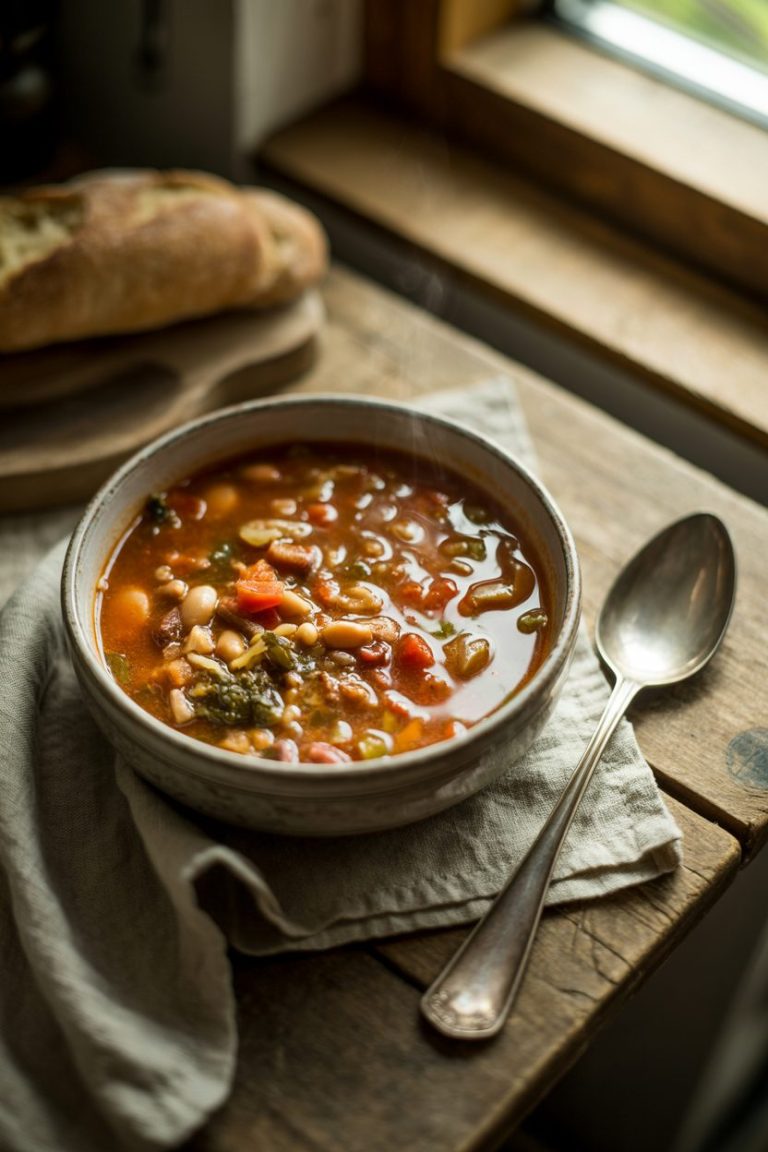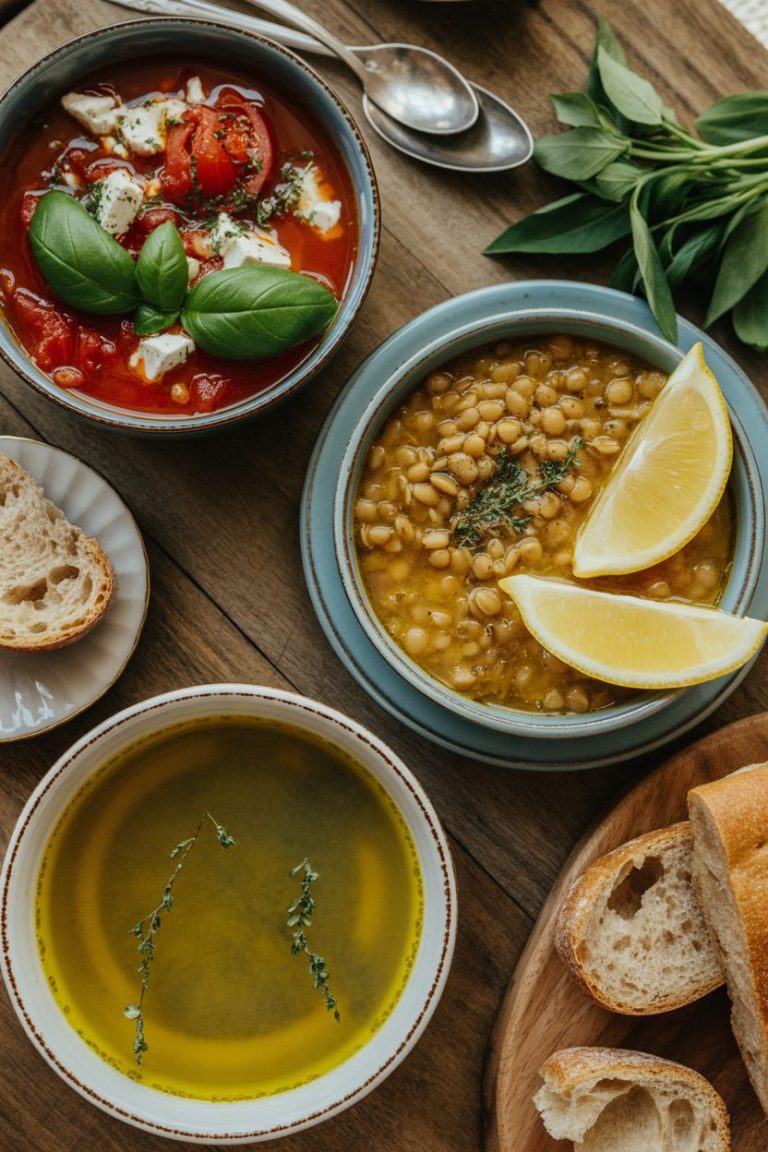
17 Healthy Comfort Soups for Cozy Nights
Look, I’m gonna be real with you. When it’s freezing outside and your soul feels like it needs a warm hug, nothing—and I mean nothing—beats a bowl of soup that’s actually good for you. Not the canned stuff your grandma used to heat up (bless her heart), but the kind that makes you feel like you’re doing something right for your body while simultaneously wrapping yourself in a culinary blanket.
I’ve spent way too many nights experimenting with soups that promised health but delivered disappointment. You know the ones—watery broths pretending to be meals, or thick concoctions that sit in your stomach like a brick. But here’s what I’ve learned: healthy comfort food isn’t an oxymoron. It’s totally achievable, and I’m about to show you seventeen ways to prove it.

Why Soup Is Your Secret Weapon This Season
Here’s the thing about soup that nobody talks about enough. It’s not just food—it’s medicine, therapy, and convenience all rolled into one steaming bowl. According to research on immune-boosting ingredients, certain soup components can genuinely support your body’s defense mechanisms during cold and flu season.
I’m talking about ingredients like garlic, ginger, and turmeric that actually do something beyond tasting good. They’re packed with antioxidants and anti-inflammatory compounds that your immune system literally craves. Plus, the warmth from hot soup can help with congestion and keep you hydrated—two things that matter when you’re trying to avoid becoming a human tissue dispenser.
Make your soup base on Sunday night while you’re meal prepping. Store it in the fridge, and you’ll thank yourself every single weeknight when dinner takes ten minutes instead of an hour.
The Mediterranean Magic of Lentil Soup
Let’s start with the MVP of healthy soups: lentils. I used to think lentils were boring until I tried making them Mediterranean-style with a proper flavor base. Now? I make this at least twice a month. The combination of earthy lentils, bright tomatoes, and aromatic herbs creates something that tastes way more complex than the effort required.
Lentils are ridiculously good for you—high in protein, packed with fiber, and they’ll keep you full for hours without that heavy feeling. If you’re looking for a soup that checks all the boxes, try this lentil spinach soup. Get Full Recipe.
The beauty of lentil soup is how forgiving it is. Forgot to soak your beans overnight? Lentils don’t care. They cook in like thirty minutes and turn creamy without any dairy. I usually make mine in this Dutch oven because it distributes heat evenly and nothing sticks to the bottom.
Building Your Lentil Soup Foundation
Start with a solid base: onions, carrots, celery. The French call it mirepoix, I call it the foundation of every good soup I’ve ever made. Sauté them until they’re soft and starting to caramelize—don’t rush this part. That’s where the flavor lives.
Add your garlic and spices (cumin, coriander, maybe some paprika if you’re feeling spicy), then throw in your lentils and broth. Red lentils break down and create a thick, almost creamy texture. Green or brown lentils hold their shape better if you prefer more texture. Either way, you’re winning.
For those who want to explore more warming options, check out this lentil sweet potato stew or this barley mushroom soup for variety.
Chicken Soup That’s Actually Impressive
Everyone says their grandma made the best chicken soup. Mine did too, but let’s be honest—we can do better. Not in terms of love (that’s irreplaceable), but in terms of nutrition and flavor complexity.
The secret? Building layers. Don’t just dump everything in a pot and call it a day. Brown your chicken pieces first to develop that Maillard reaction magic. Use bone-in, skin-on chicken thighs because the fat renders into the soup and creates actual flavor instead of the bland nothingness you get from boneless, skinless breasts.
I’m obsessed with adding fresh herbs at the end. Parsley, dill, or cilantro—whatever speaks to you. It brightens the whole thing and makes it taste like you actually tried, which you did. Studies show that chicken soup isn’t just folklore; nutritious homemade soups genuinely provide comfort and practical health benefits.
Use a whole rotisserie chicken from the store. Strip the meat, throw the bones in water with vegetables, and you’ve got homemade stock with minimal effort. Life hack level: expert.
The Protein Power Move
Speaking of chicken, if you’re trying to up your protein game, soup is your friend. A good chicken soup can pack 20-30 grams of protein per bowl, especially if you’re generous with the meat ratio. This matters if you’re trying to stay full and maintain muscle.
You know what else works? Adding organic chicken stock from a carton when you’re short on time. Not all shortcuts are crimes against cooking. Sometimes they’re just practical.
If you’re into high-protein meals without the heaviness, explore these high-protein chicken recipes for more inspiration beyond soup.
Veggie-Forward Soups That Don’t Suck
Let me tell you about my journey with vegetable soup. For years, I thought vegetable soup was punishment food—the thing you ate when you were being “good” but secretly resenting every bite. Then I learned how to make it properly, and everything changed.
The key is roasting your vegetables first. Seriously. Cut them into chunks, toss with olive oil, salt, and pepper, and blast them in a hot oven until they’re caramelized and sweet. Then make your soup. The difference between raw vegetables boiled in broth and caramelized vegetables simmered in broth is the difference between sadness and joy.
Tomato Soup Done Right
Tomato soup gets a bad rap because most people have only had the Campbell’s version (which, fine, has its nostalgic place). But real tomato soup? Game changer. Use San Marzano tomatoes if you can find them, or honestly, any good-quality canned tomatoes work fine.
Blend it smooth, add a splash of cream or coconut milk for richness, and finish with fresh basil. That’s it. That’s the recipe. Don’t overthink it. I usually blend mine in this immersion blender because it means fewer dishes and I’m fundamentally lazy about cleanup.
Want more Mediterranean flavors? This Mediterranean grain bowl pairs beautifully with a simple tomato soup.
The Broccoli Situation
Broccoli soup has the potential to be amazing or absolutely terrible. There’s no middle ground. The secret is not overcooking the broccoli—you want it tender but still bright green. Overcooked broccoli gets that weird sulfur smell and turns an unappealing gray-green that’ll kill your appetite.
Add some nutritional yeast for a cheesy flavor without actual cheese (or add actual cheese, I’m not your mom). A squeeze of lemon at the end brightens everything up. Broccoli is also packed with vitamins C and E, plus fiber that’ll keep your digestive system happy.
Asian-Inspired Soups That Hit Different
Okay, let’s talk about the soups that make you feel like you’re eating at a restaurant even though you’re wearing sweatpants on your couch. Asian-inspired soups bring flavors that Western soups sometimes lack—complexity, heat, umami depth.
Miso Magic
Miso soup is criminally underrated in the comfort food category. It takes literally five minutes to make if you’ve got miso paste in your fridge (which you should, because it lasts forever and improves everything). Just dissolve some miso paste in hot dashi or vegetable broth, add tofu, seaweed, and green onions. Done.
The probiotics in miso are legitimately good for your gut health. It’s like a warm hug for your intestines, which sounds weird but is accurate. I keep this miso paste in my fridge permanently because I use it in soups, marinades, and salad dressings.
The Ramen Situation
Real ramen (not the 25-cent packet kind, though no judgment if that’s your thing) is a project soup. You need good broth, proper noodles, toppings that matter. But when you make it right? Chef’s kiss.
I’m not suggesting you make traditional ramen from scratch unless you have an entire day to kill. But you can make a pretty damn good version with store-bought ramen noodles, homemade broth, soft-boiled eggs, and whatever vegetables you’ve got lying around. IMO, the egg is non-negotiable.
Looking for more quick Asian-inspired meals? Check out this stir-fried tofu with broccoli for another weeknight winner.
Grass-Fed Bone Broth Protein Powder
Okay, hear me out. I was skeptical about bone broth protein powder until I realized it’s basically a cheat code for making incredibly rich, flavorful soup bases in under five minutes. This isn’t your regular protein powder—it’s specifically designed for cooking.
What Makes This a Game-Changer:
- 20g protein per serving – Turns any soup into a high-protein meal
- Grass-fed & pasture-raised sources – Clean ingredients you can feel good about
- Collagen-rich – Supports gut health and keeps you full longer
- Dissolves instantly – No clumping or weird texture issues
- Unflavored option – Works in any soup without changing the taste
- Replaces hours of simmering bones – Get that depth of flavor fast
Why I Actually Use This: I stir 1-2 scoops into my vegetable soups to boost protein without adding meat. It gives that rich, satisfying mouthfeel you get from a proper bone broth, but it takes literally 30 seconds. Perfect for those nights when you want homemade soup quality but only have 20 minutes to cook.
Pro move: Mix it with hot water first to make a concentrated broth, then use that as your soup base. Tastes like you’ve been simmering bones all day. Your secret is safe with me.
Check Current Price & Reviews →Bean Soups That Actually Satisfy
Bean soups are the unsung heroes of the soup world. They’re cheap, filling, and nutritionally dense. Plus, they improve the next day, which is basically magic in food form.
Black bean soup with a squeeze of lime and a dollop of Greek yogurt? Incredible. White bean soup with rosemary and garlic? Stop it, I can only handle so much deliciousness. Navy bean soup with ham? Classic for a reason.
The Overnight Soak Debate
Here’s my take: if you remember to soak your beans overnight, great. If not, the quick soak method works fine. Boil them for a few minutes, turn off the heat, let them sit for an hour, then proceed with your recipe. Nobody will know the difference.
Or, and hear me out, use canned beans. Rinse them well and you’re good to go. We’re making dinner, not competing on a cooking show. These organic canned beans are my go-to when I need soup in under thirty minutes.
For more bean-based inspiration, try this three bean chili or this Mediterranean chickpea wrap.
Freeze your soup in individual portions using these silicone containers. Future you will be thrilled when you have a healthy lunch ready in minutes.
Creamy Without the Cream
One of my favorite discoveries in soup-making was learning how to make things creamy without using heavy cream. Not because cream is evil (it’s not), but because sometimes you want that luxurious texture without feeling like you need a nap afterward.
Blended white beans create incredible creaminess. So does pureed cauliflower. Coconut milk works if you’re going for a Thai or Indian vibe. Even a potato blended into your soup will thicken it up and add body without added fat.
The Cashew Cream Game-Changer
Soak cashews for a few hours, blend them with water, and you’ve got cashew cream. It’s rich, slightly sweet, and transforms soups into something special. I use it in everything from butternut squash soup to mushroom bisque.
Pro move: make a big batch and keep it in your fridge. It lasts about five days and you can use it in soups, pasta sauces, or even coffee if you’re into that. I blend mine in this high-speed blender until it’s silky smooth.
Premium Extra Virgin Olive Oil (Cold-Pressed)
Real talk: the olive oil you use matters more than you think. I ignored this advice for years, buying whatever was cheapest, until I tried actually good olive oil. It transformed every single soup I make. This isn’t about being fancy—it’s about flavor.
Why This Olive Oil Is Worth It:
- First cold-press extraction – Maximum flavor and nutrients retained
- Harvest date on bottle – You know exactly how fresh it is (most brands hide this)
- Peppery, fruity finish – That throat-tickle means it’s legit high-quality
- High polyphenol content – Anti-inflammatory compounds that actually benefit your health
- Single-origin from Greece – Not a blend of random oils from multiple countries
- Dark glass bottle – Protects from light degradation
How I Use It: I drizzle this over finished soups as a final touch—it adds incredible depth and richness. The quality difference is especially noticeable in simple soups like tomato or white bean where olive oil plays a starring role. One bottle lasts me about 6 weeks of regular cooking.
Mediterranean secret: Good olive oil isn’t just for drizzling. Use it to sauté your aromatics at the start of soup-making. The flavor compounds infuse into everything. That’s why restaurant Mediterranean food tastes different—they use the good stuff.
Get Premium Olive Oil →Soup for Meal Prep Champions
Let’s talk practicality. Soup is probably the best thing you can meal prep. It freezes well, reheats perfectly, and often tastes better after sitting for a day or two. Plus, you can make a huge batch on Sunday and coast through the week feeling like a responsible adult.
I usually make three different soups at once, freeze them in portions, and rotate through them. Sounds intense, but it’s really just three pots going at the same time. Put on a podcast, pour some wine, and knock it out.
Storage and Reheating Tips
Don’t add pasta or rice to soup you’re planning to freeze. They get mushy and weird. Make them fresh and add them when you reheat. Same with herbs—save those for the end.
Label your containers with the date and type of soup. I know you think you’ll remember, but you won’t. Three months later you’ll be staring at mystery containers playing Russian roulette with dinner.
For those diving deep into meal prep, these high-protein meal prep ideas and this 7-day Mediterranean meal prep plan offer complete systems for staying organized.
Spice Level: Your Call
Some people want their soup to make them sweat. Others want mild and soothing. Both are valid. The beauty of making soup at home is customizing the heat level to your preference.
I like adding heat through fresh chilies that I can control. A jalapeño with seeds removed gives flavor without fire. Leave the seeds in and you’re entering spicy territory. Serrano peppers amp it up even more. Thai bird chilies? Now we’re talking serious heat.
The Heat-Building Strategy
Start with less spice than you think you need. You can always add more, but you can’t take it away. Keep hot sauce or chili flakes on the side so people can customize their bowls. This keeps everyone happy and prevents the “why is this soup trying to murder my mouth” situation.
My personal favorite heat addition is a spoonful of harissa paste. It’s got depth beyond just spice—smoky, slightly sweet, complex. I keep this harissa in my fridge and add it to everything, not just soup.
The Equipment That Actually Matters
You don’t need a million fancy tools to make great soup. But a few key pieces make life significantly easier. A good heavy-bottomed pot or Dutch oven is essential. It distributes heat evenly and nothing burns on the bottom.
An immersion blender saves you from transferring hot liquid to a regular blender (dangerous and messy). A sharp knife and decent cutting board are non-negotiable. Everything else is optional.
FYI, I’ve burned through several cheap pots before investing in this enameled cast iron Dutch oven. It cost more upfront but has lasted years and makes better soup. Sometimes spending a bit more actually saves money long-term.
Digital Kitchen Scale with Nutrition Calculator
If you’re serious about weight loss or hitting specific nutrition goals, this scale changed everything for me. It’s not just about weighing ingredients—it actually calculates nutritional info as you add items to your bowl. Total game-changer for soup portion control.
Smart Features That Actually Help:
- Built-in nutrition database – 2,000+ foods with automatic macro calculations
- Bowl tare function – Add ingredients one at a time, it tracks everything
- Accurate to 1 gram – Finally know exactly how much soup you’re actually eating
- Connects to fitness apps – Syncs with MyFitnessPal, Lose It, and others
- Recipe builder mode – Calculate nutrition for entire soup batches, then portion accurately
- Easy-clean glass surface – Wipes clean in seconds, dishwasher-safe
Real-World Usage: I use this to portion my meal-prepped soups into containers. Turns out I was eating way more than I thought—like 2.5 servings instead of 1. Once I started actually measuring, the weight started coming off. It’s also incredible for recipe development because you can track exact ratios and recreate winners perfectly.
Weight loss hack: Measure your soup portions for two weeks straight. You’ll start naturally eyeballing correct serving sizes after that. But having the scale keeps you honest when you’re tempted to “just eyeball it” into oversized portions.
See Scale Details & Price →Winter Warmers vs. Summer Sippers
Not all soups are created equal across seasons. Heavy, creamy soups make sense in January when you’re bundled under blankets. Light, brothy soups work better in summer when you want something nourishing but not suffocating.
Gazpacho—that cold tomato soup situation—is perfect for hot days. It’s basically a liquid salad, and I mean that as a compliment. Cucumber-based soups, chilled avocado soup, vichyssoise (fancy cold potato soup)—all excellent when you need food but it’s ninety degrees outside.
For seasonal eating inspiration, check out this collection of Mediterranean dinner recipes that adapt well to different times of year.
Soup Toppings That Transform Everything
The right toppings turn good soup into great soup. We’re not talking about just sprinkling some cheese on top (though that works too). I’m talking about textural contrasts, flavor pops, visual appeal.
Crispy chickpeas on top of any vegetable soup? Chef’s kiss. A soft-boiled egg floating in broth? Gorgeous and delicious. Fresh herbs, toasted nuts, croutons, a drizzle of good olive oil, a squeeze of citrus—these little additions matter more than you’d think.
My Go-To Topping Combinations
For lentil soup: Greek yogurt, fresh cilantro, and a drizzle of olive oil. For tomato soup: croutons and fresh basil. For Asian-style soups: green onions, sesame seeds, and chili oil. For creamy soups: toasted pumpkin seeds and a swirl of cream.
I make my croutons by cubing up old bread, tossing with olive oil and garlic powder, and baking until crispy. Way better than store-bought and uses up bread that’s going stale. I bake them on this sheet pan that’s basically indestructible and cleans up easily.
🍲 Mediterranean Soup & Stew Recipe Collection
Want 50+ tested Mediterranean soup recipes at your fingertips? This digital cookbook is specifically designed for people who love healthy, flavorful soups without the guesswork.
What’s Inside:
- 50+ authentic Mediterranean soup recipes with full nutritional info
- Meal prep instructions for batch cooking
- Ingredient substitution guide for dietary restrictions
- Shopping lists organized by season
- Freezer storage & reheating tips for every recipe
Each recipe includes macros, prep time, and scaling instructions for 2-8 servings. Perfect for anyone following Mediterranean eating patterns or just wanting more variety in their soup rotation.
Get the Complete Soup Collection →The Freezer Is Your Friend
Seriously though, freezing soup is a game-changer. I know I mentioned this earlier, but it bears repeating because it’s that important. Having healthy, homemade soup in your freezer is like having a safety net for busy days.
Cool your soup completely before freezing. Hot soup in the freezer raises the temperature and can affect other food. Leave some headspace in containers because liquid expands when frozen. Don’t learn this lesson the hard way like I did.
Defrost in the fridge overnight or use the microwave’s defrost setting. Some soups go straight from frozen to stovetop—just keep the heat low and stir frequently. Within twenty minutes you’ve got dinner and you barely lifted a finger.
Make soup broth in massive batches and freeze it in ice cube trays. Pop out cubes whenever you need to add depth to a dish. It’s like having flavor bombs on demand.
Budget-Friendly Without Sacrificing Quality
Soup is inherently economical. You’re taking inexpensive ingredients—beans, lentils, vegetables—and transforming them into something satisfying. A pot of soup that costs maybe ten bucks to make can feed you for days.
Buy vegetables when they’re in season and on sale. Freeze them if you’re not using them immediately. Vegetable scraps? Save them in a bag in the freezer and make stock when the bag is full. Chicken bones from last night’s dinner? Soup stock. Nothing goes to waste.
For more budget-conscious cooking ideas, this list of budget-friendly Mediterranean meals proves healthy eating doesn’t require breaking the bank.
📊 The Ultimate Healthy Meal Prep Tracker
Stop winging your meal prep and start seeing actual results. This digital planner helps you organize your soup-making (and all your meals) like a pro.
Track Everything That Matters:
- Weekly meal planning templates with grocery auto-lists
- Batch cooking scheduler (plan multiple soups at once)
- Freezer inventory tracker so nothing gets forgotten
- Nutrition calculator for custom recipes
- Progress tracking for weight loss or health goals
- Container management system (know what’s in each container!)
Works as a PDF you can print or use digitally on your tablet. Includes both Mediterranean-focused templates and customizable blank versions. Finally figure out what “Sunday meal prep” actually means in practice.
Get Your Meal Prep System →Soups That Support Your Goals
Whether you’re trying to lose weight, build muscle, or just feel better, soup can support those goals. High-protein soups keep you full and support muscle maintenance. Vegetable-heavy soups provide nutrients with minimal calories. Fiber-rich legume soups support digestive health.
The trick is being intentional about what goes in your bowl. Load up on vegetables and lean proteins. Go easy on the cream and butter (or don’t—your soup, your rules). Use whole grains instead of refined pasta. Small changes that add up to big differences.
If fat loss is your goal, check out these high-protein soups under 350 calories or this 14-day calorie deficit meal plan for a complete approach.
📱 Mediterranean Diet Meal Planning App
Honestly, this app changed how I approach Mediterranean eating. It’s not another restrictive diet tracker—it’s actually designed around real Mediterranean principles with soup recipes built in.
What Makes It Different:
- 2,000+ Mediterranean recipes including 200+ soups & stews
- Personalized meal plans based on your goals (weight loss, muscle gain, maintenance)
- Smart grocery lists that update based on what’s in your meal plan
- Barcode scanner for tracking restaurant meals when you eat out
- Recipe scaling for any household size (cooking for one or feeding six)
- Macro tracking without the obsessive calorie-counting energy
The soup section alone has filters for prep time, ingredients you have on hand, and nutritional goals. Plus it syncs across devices so you can plan on your laptop and shop from your phone. First month is usually free, then it’s less than a coffee per week.
Try the App Free for 30 Days →Making Soup Actually Fun
Look, cooking shouldn’t feel like a chore. Put on music you love. Pour yourself a drink. Make it an event rather than a task. Soup-making is forgiving and low-stress, which makes it perfect for experimenting.
Try new flavor combinations. Add unexpected ingredients. Screw up and learn from it. Some of my best soups came from throwing random things together because I was out of what the recipe called for. That’s how you develop cooking intuition.
Ever wondered why some soups just taste better than others? It’s usually not one single thing—it’s the accumulation of small decisions. Toasting your spices. Building layers of flavor. Tasting and adjusting as you go. These habits transform average soup into something special.
Frequently Asked Questions
Can I really freeze any type of soup?
Most soups freeze beautifully, but there are exceptions. Cream-based soups can separate when frozen and reheated, though stirring vigorously usually fixes this. Soups with pasta or rice get mushy, so cook those fresh when reheating. Potato-heavy soups sometimes get grainy in texture, but they’re still perfectly safe and tasty to eat.
How long does homemade soup actually last in the fridge?
Generally, homemade soup stays good for three to four days in the fridge when stored properly in airtight containers. If you’re not going to eat it within that window, freeze it. Trust your nose—if it smells off, it probably is. When in doubt, throw it out.
What’s the best way to thicken soup without adding calories?
Blend a portion of your soup and stir it back in—this works especially well with bean or vegetable soups. Pureed cauliflower adds body without flavor. A slurry of cornstarch and cold water works if you don’t mind a slightly glossy finish. Or just let it simmer longer uncovered so liquid evaporates naturally.
Why does restaurant soup taste better than mine?
Two words: salt and fat. Restaurants use more of both than you probably do at home. They also build flavor through proper technique—sautéing aromatics until caramelized, using homemade stock instead of water, finishing with fresh herbs. Copy their techniques and season boldly, tasting as you go.
Can soup be my main source of vegetables for the day?
Absolutely. A big bowl of vegetable-packed soup can easily contain three to four servings of vegetables, plus provide hydration and fiber. Just vary your soups throughout the week to ensure you’re getting different nutrients. Don’t rely on one type forever—diversity matters in nutrition.
Wrapping This Up
So there you have it. Seventeen ways to make soup that’s actually healthy, genuinely comforting, and not remotely boring. Soup isn’t diet food or sick food or any other kind of category that limits it. It’s just food, made well, that happens to make you feel good physically and emotionally.
The best part about soup? It’s infinitely adaptable. Don’t like an ingredient? Swap it. Want more protein? Add it. Need less salt? Use less. These aren’t rigid recipes handed down from on high—they’re frameworks for creating something that works for you.
Start with one or two soups that sound appealing. Make them your own. Build your confidence. Before you know it, you’ll be the person whose house smells amazing and who always has something delicious simmering on the stove. That person is you, waiting to emerge from beneath takeout menus and frozen dinners.
Stay warm out there.