16 Comfort Food Recipes Made Healthy
Look, we all have those nights where we just want to face-plant into a bowl of mac and cheese or demolish a plate of nachos. I get it. But here’s the thing—comfort food doesn’t have to wreck your health goals. You can have your metaphorical cake and eat it too, just with way less guilt and a whole lot more nutrients.
I’ve spent years figuring out how to make my favorite indulgent dishes actually work for my body instead of against it. And honestly? Some of these healthier versions taste even better than the originals. Yeah, I said it.
So if you’re tired of feeling like you have to choose between satisfaction and your waistline, stick around. These 16 recipes are about to change your entire relationship with comfort food.

Why Healthy Comfort Food Actually Works
Here’s something most diet articles won’t tell you: deprivation doesn’t work. Never has, never will. The moment you tell yourself you can’t have something, that’s all your brain wants to think about. It’s basically reverse psychology, but your own mind is playing you.
The secret isn’t eliminating comfort food—it’s reimagining it. When you swap out heavy cream for Greek yogurt or replace regular pasta with whole wheat alternatives, you’re not sacrificing flavor. You’re actually adding nutrition while keeping that cozy, satisfying feeling intact.
Research from the Harvard School of Public Health shows that sustainable eating patterns focus on nutrient-dense versions of foods we already love, rather than complete elimination. That’s the approach we’re taking here.
Think about it this way: would you rather eat one slice of regular lasagna and feel guilty, or eat a satisfying portion of a lightened-up version packed with veggies and lean protein? IMO, the choice is pretty obvious.
The Foundation: Smart Ingredient Swaps
Before we dive into specific recipes, let’s talk strategy. Making comfort food healthy isn’t about following some complicated formula—it’s about knowing which swaps actually work.
Dairy Alternatives That Don’t Taste Like Sadness
Heavy cream has about 800 calories per cup. Greek yogurt? Around 130. And before you roll your eyes thinking it won’t taste the same, try it first. In most recipes, you literally cannot tell the difference. I’ve served Greek yogurt-based Alfredo to friends who had no idea it wasn’t drowning in cream.
For those of you avoiding dairy entirely, cashew cream is your new best friend. Soak some raw cashews overnight, blend them with a bit of water, and boom—creamy, rich texture without any dairy. I keep a high-speed blender on my counter specifically for this purpose because I use it that often.
Speaking of breakfast ideas, if you’re looking for more ways to incorporate Greek yogurt into your morning routine, check out these high-protein breakfast options or try a Mediterranean smoothie bowl for something fresh and filling.
The Carb Conversation Nobody Wants to Have
Let me be clear: carbs aren’t evil. But the refined, processed kind? Yeah, those aren’t doing you any favors. When you swap white pasta for whole wheat or spiralized veggies, you’re getting way more fiber, vitamins, and minerals.
I bought a spiralizer two years ago thinking it would collect dust in my cabinet. Plot twist: I use it multiple times a week. Zucchini noodles, sweet potato spirals, even beet noodles for when I’m feeling fancy. They all work beautifully in traditional pasta dishes.
Cauliflower rice deserves its own shoutout here. Is it rice? No. Does it work in situations where you’d normally use rice? Absolutely. And if you’re short on time, grab a food processor to rice your own cauliflower in about 30 seconds flat.
Breakfast Comfort Foods (That Won’t Put You Back to Sleep)
Overnight Oats: The Lazy Person’s Dream Breakfast
I’ll be honest—I’m not a morning person. Never have been, probably never will be. So anything that requires actual cooking before 8 AM is a hard pass for me. Enter overnight oats, which are basically breakfast you make while half-asleep the night before.
The beauty of overnight oats is their versatility. Want something that tastes like dessert? Try chocolate banana overnight oats. Get Full Recipe Need something more sophisticated? Apple pie overnight oats have entered the chat.
My go-to ratio is half a cup of oats, half a cup of milk (any kind works), and a tablespoon of chia seeds for extra protein and omega-3s. Mix it in a mason jar, throw it in the fridge, and wake up to breakfast that’s already done. Add some sliced fruit, nuts, or a drizzle of honey and you’re golden.
Plant-Based Vanilla Protein Powder for Smoothies & Oats
Let me tell you about the protein powder that completely changed my breakfast game. I’ve tried probably 15 different brands, and most of them taste like chalky sadness. This one actually dissolves smoothly and doesn’t leave that weird protein powder aftertaste.
Why I keep buying this: It’s perfect for adding 20g of protein to overnight oats or smoothies without changing the texture. The vanilla flavor is subtle enough that it works with literally any combination—chocolate banana, berry, apple cinnamon, you name it. Plus it’s plant-based, so no dairy bloat.
- 20g complete plant protein per scoop (pea + brown rice blend)
- Zero artificial sweeteners or weird additives
- Mixes smoothly in cold liquids (game-changer for overnight oats)
- Only 110 calories per serving
- Naturally sweetened with monk fruit
I add one scoop to my overnight oats and it keeps me full until lunch. Without it, I’m usually starving by 10 AM. Totally worth it if you’re serious about making breakfast actually filling.
Breakfast Casseroles That Aren’t Just Cheese and Regret
Weekend brunch should feel indulgent, right? But it shouldn’t make you want to nap immediately after. That’s where lightened-up breakfast casseroles come in clutch.
Traditional breakfast casseroles are basically eggs swimming in cheese and sausage. Don’t get me wrong—delicious. But we can do better. Try a spinach and feta Greek casserole Get Full Recipe or go for a Mediterranean veggie version loaded with peppers, tomatoes, and herbs.
The trick is using more egg whites than whole eggs (you still get that fluffy texture) and loading up on vegetables. I use a ceramic baking dish because nothing sticks to it, and cleanup is stupid easy.
Lunch Ideas That Won’t Leave You Hungry by 3 PM
Soup Season (Which Is Actually All Seasons)
Who decided soup was only for cold weather? Whoever it was, they were wrong. A good soup can be comforting any time of year, and it’s one of the easiest ways to pack in vegetables without feeling like you’re eating a salad.
Lentil soups are my personal favorite because lentils are cheap, filling, and loaded with protein. A simple lentil soup with some crusty whole-grain bread is peak comfort. Or if you want something with a bit more personality, try a carrot ginger soup with chickpea croutons.
I make big batches using my Dutch oven and freeze individual portions in silicone containers. Instant homemade soup whenever I need it, and it tastes way better than anything from a can.
For more filling soup options that actually keep you satisfied, check out these high-protein soups under 350 calories or explore these Mediterranean soup recipes for something lighter but equally delicious.
Wraps and Bowls That Actually Fill You Up
The problem with most wraps is they’re 90% tortilla and 10% filling. We’re flipping that ratio. Use a smaller whole-grain wrap or even collard greens if you’re feeling adventurous, and stuff them with protein and veggies.
Falafel wraps with tzatziki are ridiculously good, especially if you bake the falafel instead of frying it. Get Full Recipe Or try Mediterranean chickpea wraps loaded with hummus, cucumbers, tomatoes, and a squeeze of lemon.
Grain bowls are another lunch MVP. Start with quinoa or farro, add roasted vegetables, throw in some chickpeas or grilled chicken, and drizzle with tahini dressing. According to Mayo Clinic, whole grains like these provide sustained energy and help regulate blood sugar levels.
Dinner Winners (Without the Food Coma)
Pasta That Won’t Make You Hate Yourself Later
Pasta is the ultimate comfort food. But regular pasta portions with heavy sauces? That’s a one-way ticket to the couch for the rest of the evening. The solution isn’t giving up pasta—it’s making smarter choices.
Whole wheat pasta has come a long way. It doesn’t taste like cardboard anymore, I promise. Try whole wheat spaghetti with cherry tomatoes and basil for something simple but satisfying. Get Full Recipe
Or go full vegetable mode with spaghetti squash. I know, I know—it’s not technically pasta. But when you roast it right (I use a sharp vegetable peeler to prep it easily) and top it with a good marinara, it hits the spot.
The key to good pasta sauce is keeping it simple. San Marzano tomatoes, garlic, fresh basil, a bit of olive oil. That’s it. You don’t need cream or pounds of cheese to make it taste good.
One-Pan Wonders for Lazy Weeknights
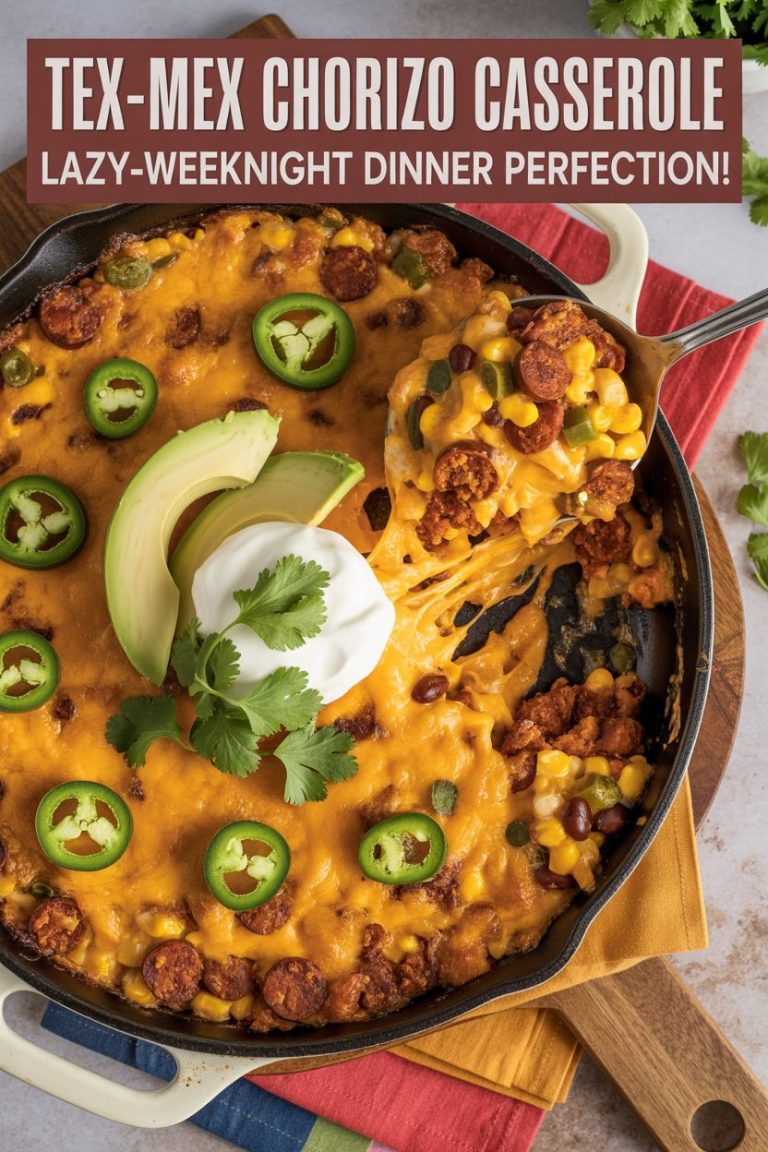
Some nights, I barely have the energy to think about dinner, let alone cook something elaborate. That’s when one-pan meals save my life. Everything goes on one sheet pan, into the oven, and 30 minutes later you’ve got a complete meal.
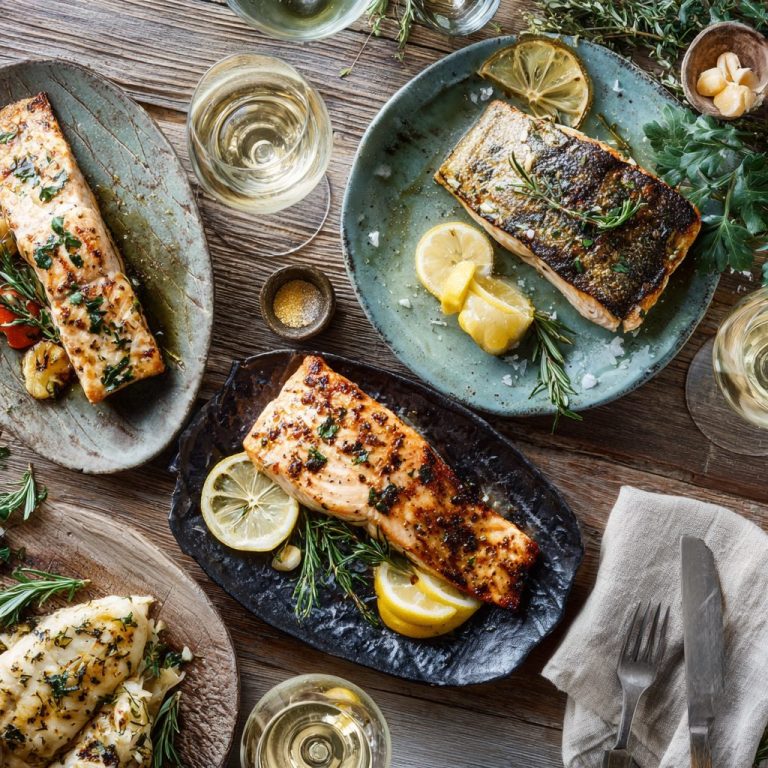
Lemon garlic chicken with couscous is stupid easy and tastes way fancier than the effort required. Get Full Recipe Or try grilled salmon with roasted vegetables—just season everything with olive oil, salt, pepper, and whatever herbs you have lying around.
I swear by my rimmed baking sheets for this. Get the ones with good edges so nothing slides off, and use parchment paper for even easier cleanup.
🍽️ The Ultimate Healthy Comfort Food Recipe Collection
If you’re serious about transforming your favorite comfort foods into healthy everyday meals, I’ve found something that completely changed my meal planning game. This comprehensive recipe ebook features over 150 lightened-up comfort food recipes with full nutritional breakdowns and meal prep guidance.
- 150+ healthier versions of classic comfort foods
- Complete macros and calorie counts for every recipe
- Weekly meal plans with shopping lists included
- Smart ingredient substitution guide
- Batch cooking and freezer-friendly instructions
Whether you’re trying to lose weight, eat cleaner, or just want comfort food that doesn’t wreck your energy levels, this collection has everything you need. No more guessing at portions or wondering if your “healthified” recipe will actually taste good.
Satisfying Snacks (Because 3 PM Hunger Is Real)
Hummus: The Snack That Keeps on Giving
If you’re not already on the hummus train, it’s time to board. This stuff is incredibly versatile, packed with protein and fiber, and works with basically any vegetable you can think of.
Store-bought hummus is fine, but homemade is next level. All you need is a can of chickpeas, tahini, lemon juice, garlic, and olive oil. Throw it in a food processor and blend until smooth. Takes maybe five minutes total.
Pair it with veggie sticks, whole-grain pita, or even spread it on sandwiches instead of mayo. I’ve converted multiple hummus skeptics with this approach, FYI.
Sweet Treats That Won’t Spike Your Blood Sugar
Look, I have a serious sweet tooth. Telling me to just skip dessert isn’t realistic or sustainable. Instead, I’ve learned to make treats that satisfy the craving without the sugar crash.
Baked cinnamon apples are criminally underrated. Core an apple, stuff it with a bit of oats, cinnamon, and a drizzle of honey, then bake until soft. It tastes like apple pie but with a fraction of the calories.
Dark chocolate almond clusters are another go-to. Melt some good quality dark chocolate (70% cacao or higher), mix in raw almonds, drop spoonfuls onto parchment, and freeze. Five ingredients, zero processed sugar, maximum satisfaction.
Premium Kitchen Scale with Nutrition Calculator
This is hands-down the tool that made the biggest difference in my weight loss journey. I used to eyeball portions and wonder why I wasn’t seeing results. Turns out, my “tablespoon” of peanut butter was actually closer to three tablespoons. Whoops.
What makes this one special: It’s not just a regular food scale—it has a built-in nutrition calculator. You put your food on it, select what it is from the database, and it automatically shows you calories, protein, carbs, and fat. No more manual searching on apps or doing mental math at 6 AM.
- Accurate to 0.1 gram (perfect for calorie counting)
- Built-in database of 2,000+ common foods
- Calculates macros automatically as you add ingredients
- Tare function to weigh multiple ingredients in one bowl
- Easy-to-clean tempered glass surface
- Rechargeable battery (no more buying AAAs constantly)
I use mine literally every day. Whether I’m meal prepping, making overnight oats, or portioning out snacks, it takes the guesswork out of everything. If you’re serious about getting results, this is non-negotiable.
Looking for more guilt-free treats? These high-protein low-sugar desserts will change how you think about healthy sweets.
The Mediterranean Approach to Comfort Food
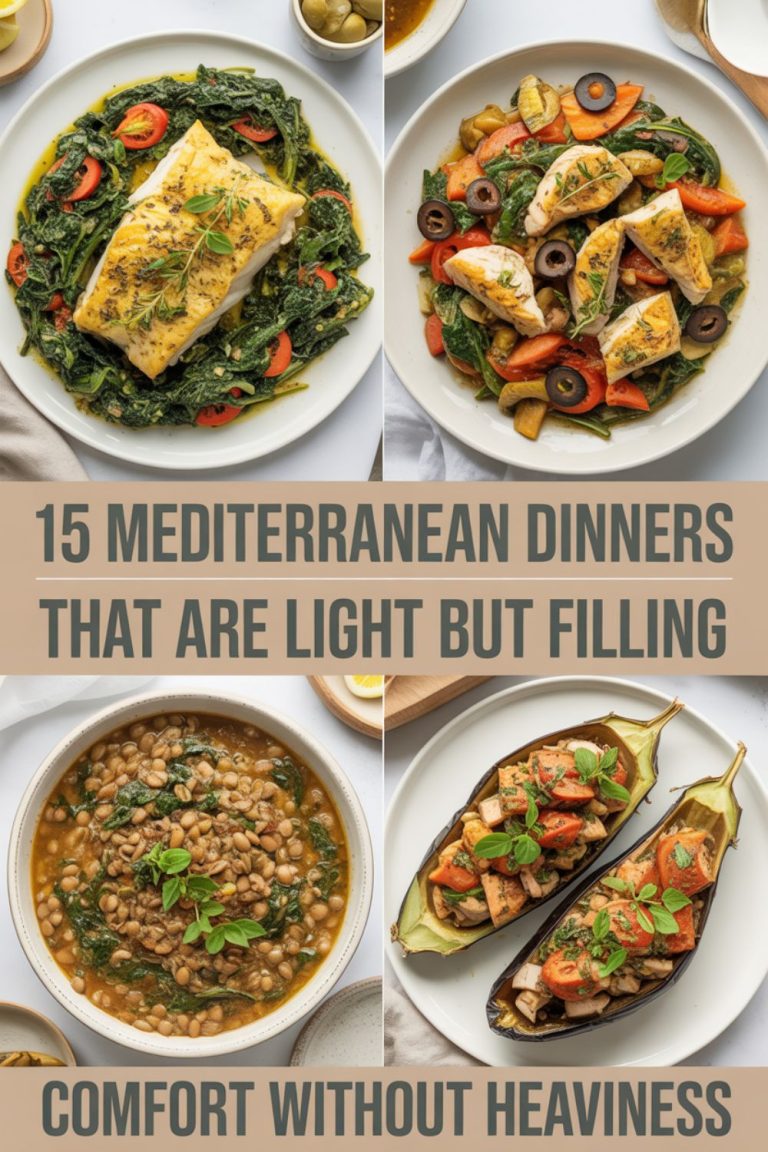
Mediterranean cuisine basically wrote the book on making healthy food taste incredible. There’s a reason people in that region live longer and have lower rates of heart disease—they know how to eat well without sacrificing pleasure.
Breakfast the Mediterranean Way
Forget heavy pancakes and syrup-soaked French toast. Mediterranean breakfasts focus on whole grains, fresh fruit, yogurt, and healthy fats. A Greek yogurt bowl with berries and honey takes three minutes to assemble and keeps you full for hours. Get Full Recipe
Avocado toast with tomato and olive oil is another favorite. Yeah, I know it’s become kind of a meme, but there’s a reason it’s popular—it’s delicious and nutritious. Skip the expensive cafe version and make it at home on good whole-grain bread.
Lunch and Dinner Options
Mediterranean lunches and dinners are all about variety and flavor. A simple Greek salad with some grilled chicken or fish provides complete nutrition without feeling heavy.
Shakshuka deserves special mention here—eggs poached in spicy tomato sauce, served with whole-grain bread. It’s traditionally breakfast, but I’ll eat it any time of day. Get Full Recipe
For something more substantial, try stuffed bell peppers with quinoa and veggies or a Mediterranean grain bowl loaded with falafel, hummus, and fresh vegetables.
The best part about Mediterranean cooking is how much flavor you get from simple ingredients. Olive oil, lemon, garlic, herbs—these aren’t expensive or complicated, but they transform basic ingredients into something special.
Meal Prep Strategies That Actually Work
I used to think meal prep meant spending my entire Sunday cooking. Turns out, you can prep smarter, not harder. Here’s what actually works without taking over your whole weekend.
The Power of Batch Cooking
Pick one or two recipes to make in large quantities each week. Soups, grain bowls, and casseroles all freeze beautifully. I’ll make a big pot of three-bean chili or lentil soup, portion it into individual containers, and freeze what I won’t eat in the next few days.
Having these ready-made meals in your freezer is like having a healthy takeout option that costs pennies and tastes better than anything you’d order. Plus, you control exactly what goes into it.
Prep Ingredients, Not Full Meals
Sometimes I don’t want the exact same meal five days in a row. Instead of cooking complete dishes, I prep ingredients that I can mix and match throughout the week.
Roast a big batch of vegetables, cook some quinoa, grill chicken breasts, make a jar of tahini dressing. Then during the week, I can throw together different combinations depending on what I’m in the mood for. Monday might be a grain bowl, Wednesday could be a wrap, Friday turns into a salad. Same ingredients, different presentation.
Insulated Lunch Bag with Leak-Proof Containers Set
Okay, so you’ve prepped all these amazing healthy meals. Now what? You need a way to actually take them to work without them turning into a sad, soggy mess. This insulated lunch system changed everything for me.
Why this beats regular lunch bags: It comes with perfectly-sized containers that actually fit in the bag (revolutionary concept, I know), keeps food cold for 8+ hours, and has separate compartments for snacks. No more throwing random containers in a plastic bag and hoping for the best.
- Insulated bag that keeps food cold all day (no ice packs needed)
- 3 leak-proof containers in different sizes (main meal, snacks, dressing)
- Built-in utensil holder and napkin pocket
- Water bottle side pocket with elastic
- Easy-clean interior lining (because spills happen)
- Containers are microwave and dishwasher safe
Since getting this, I’ve saved probably $200+ per month on takeout. When your healthy food is this convenient to bring, you actually bring it instead of making excuses. Plus the containers stack perfectly in my fridge, which is weirdly satisfying.
I use a set of glass meal prep containers because they’re microwave-safe and don’t get gross like plastic ones do. Worth the investment, trust me.
📊 Mediterranean Meal Planner & Calorie Tracker App
Okay, real talk—I used to write everything down in notebooks and constantly lose track of what I ate. Then I discovered this Mediterranean-focused meal planning app and it honestly simplified my entire approach to healthy eating.
- Pre-loaded Mediterranean recipes with one-tap meal logging
- Automatic calorie and macro tracking (no manual entry needed)
- Customizable weekly meal plans based on your goals
- Smart grocery lists that auto-generate from your meal plan
- Progress photos and weight tracking all in one place
- Works offline so you can meal prep without WiFi
The best part? It’s specifically designed for Mediterranean and healthy comfort food eating, so you’re not stuck with generic bodybuilder meal plans. Everything is centered around real food that actually tastes good. I’ve been using it for six months and it’s cut my meal planning time from an hour to about 15 minutes.
Frequently Asked Questions
Can I really make comfort food healthy without sacrificing taste?
Absolutely. The key is using smart ingredient swaps that maintain flavor while improving nutrition. Greek yogurt instead of sour cream, whole wheat pasta instead of refined, and loading up on herbs and spices for flavor instead of relying on excessive cheese or butter. Most people can’t even tell the difference in blind taste tests.
How do I prevent healthy comfort food from feeling like diet food?
Focus on adding flavor through quality ingredients rather than subtracting things. Use good olive oil, fresh herbs, aromatic spices, and don’t be afraid of a little cheese—just use less of a higher-quality version. The Mediterranean approach proves you can eat incredibly flavorful food that also happens to be healthy.
What’s the easiest comfort food recipe to start with if I’m new to healthy cooking?
Start with overnight oats or a simple one-pan roasted dinner. Both require minimal cooking skills and deliver maximum satisfaction. Overnight oats literally just need mixing and refrigerating, while sheet pan dinners are basically “season everything, put it in the oven, set a timer.” You can’t really mess them up, and they taste great.
How long do these healthy comfort food meals last in the fridge or freezer?
Most cooked meals last 3-4 days in the fridge and up to 3 months in the freezer when properly stored. Soups, stews, and casseroles freeze particularly well. Just make sure you’re using airtight containers and labeling everything with dates so you know what you’ve got.
Are these recipes actually filling, or will I be hungry an hour later?
They’re genuinely filling because they focus on protein, fiber, and healthy fats—the three things that keep you satisfied. Unlike traditional comfort food that’s mostly refined carbs and leaves you hungry quickly, these recipes provide sustained energy. The combination of whole grains, lean proteins, and vegetables means you’ll stay full for hours, not minutes.
The Bottom Line on Healthy Comfort Food
Here’s what I’ve learned after years of making comfort food healthier: you don’t have to choose between food that tastes good and food that’s good for you. That’s a false dichotomy created by restrictive diet culture, and it’s complete nonsense.
The recipes and strategies I’ve shared aren’t about deprivation or suffering through meals you don’t enjoy. They’re about being smarter with your ingredients, understanding what your body actually needs, and finding that sweet spot where nutrition and pleasure overlap.
Start with one or two recipes that sound good to you. Don’t try to overhaul your entire diet overnight—that’s a recipe for burnout. Maybe try overnight oats this week, add a sheet pan dinner next week, experiment with a healthier pasta dish the week after that.
Small, sustainable changes beat dramatic overhauls every single time. And when you find versions of comfort food that you actually look forward to eating, that’s when real change happens. Not because you’re forcing yourself to eat “healthy,” but because you’ve discovered that healthy can taste incredible.
Your relationship with food should be enjoyable, not stressful. These 16 comfort food recipes are just the beginning—proof that you can eat well, feel good, and still enjoy every single bite.