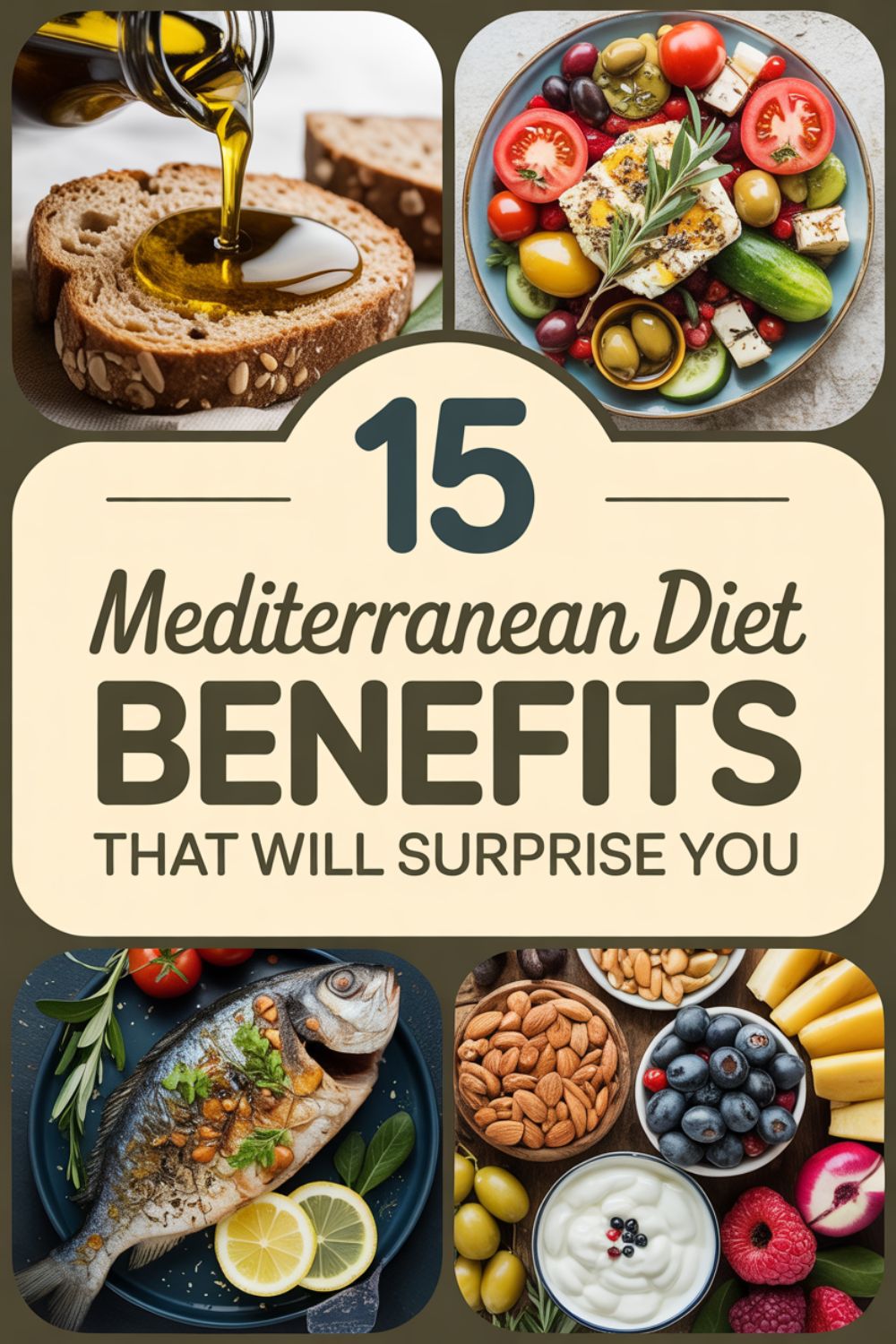
15 Mediterranean Diet Benefits That Will Surprise You
Look, I’m gonna be straight with you. When I first heard about the Mediterranean diet, I thought it was just another trendy eating plan that would fizzle out like low-fat everything or those weird cabbage soup cleanses. But after diving into the research and, honestly, living it for a while, I realized this thing’s different. It’s not about restriction or weird meal replacements. It’s about eating actual food that tastes amazing and happens to be ridiculously good for you.
The Mediterranean diet isn’t some new-age invention cooked up by wellness influencers. It’s how people in Greece, Italy, and Spain have been eating for generations—and they’re outliving pretty much everyone while looking great doing it. So yeah, I’m a bit obsessed with it now, and I’m about to show you why you should be too.
1. Your Heart Will Thank You (Like, Seriously)
Here’s something that’ll blow your mind: research shows the Mediterranean diet can reduce cardiovascular disease risk by 25%. That’s not a typo. We’re talking about a diet that legitimately protects your ticker better than most prescription medications.
The magic happens through multiple pathways. Extra virgin olive oil floods your body with monounsaturated fats that keep your arteries flexible and resistant to plaque buildup. Fatty fish delivers omega-3s that calm inflammation. The combination creates this protective shield around your cardiovascular system. One study tracking nearly 26,000 women found that those who stuck with Mediterranean eating had significantly lower rates of heart disease over 12 years.
What’s wild is that this flies in the face of the old “low-fat diet” dogma that dominated nutrition advice for decades. Turns out, eating healthy fats is actually good for your heart. Who knew? If you’re looking to work more heart-healthy meals into your rotation, try this grilled salmon with tomato caper relish or whip up some lemon herb chicken with roasted potatoes. Get Full Recipe.
2. It Fights Inflammation Better Than Most Pills
Chronic inflammation is basically the villain origin story for most modern diseases. It’s linked to diabetes, heart disease, arthritis, and even depression. The Mediterranean diet tackles inflammation through an army of antioxidants and anti-inflammatory compounds found in olive oil, nuts, vegetables, and fish.
Studies measuring inflammatory markers like C-reactive protein consistently show lower levels in people following Mediterranean eating patterns. The polyphenols in olive oil are particularly potent—they literally shut down inflammatory pathways at the cellular level. It’s like having a fire extinguisher built into your food.
I’ve noticed the difference personally. My joints feel less achy after workouts, and that general “blah” feeling I used to get has mostly disappeared. Science backs this up too—research confirms the diet’s anti-inflammatory effects are one of its primary mechanisms for preventing disease.
3. Your Brain Gets Sharper (And Stays That Way)
Ever walk into a room and forget why you’re there? Yeah, me too. But here’s the good news: the Mediterranean diet is basically brain food on steroids. A recent meta-analysis found that adherence to this eating pattern reduces the risk of cognitive impairment, dementia, and Alzheimer’s by 11-30%.
The omega-3 fatty acids from fish build brain cell membranes and improve communication between neurons. Antioxidants from berries and leafy greens protect against oxidative stress that damages brain tissue. The whole foods approach provides steady glucose to your brain instead of the sugar spikes and crashes from processed foods.
What really got my attention is that studies show this protective effect works across the board—whether you’re 30 or 70. Starting early gives you even more protection, but it’s never too late to benefit. The MIND diet, which is basically Mediterranean eating focused specifically on brain health, showed that even moderate adherence lowered Alzheimer’s risk by 35%.
Looking for brain-boosting breakfast options? This Mediterranean smoothie bowl packs omega-3s and antioxidants, or try these oats with figs, walnuts, and cinnamon for sustained energy.
4. Weight Loss Without the Misery
Here’s where it gets interesting. The Mediterranean diet isn’t technically designed for weight loss, but people lose weight on it anyway. And they keep it off, which is the real magic. One landmark study found participants maintained weight loss over six years—that’s basically unheard of in diet research.
The secret? Satiety. When you’re eating fiber-rich vegetables, protein from fish and legumes, and healthy fats from nuts and olive oil, you actually feel full. You’re not white-knuckling through hunger or measuring out pathetic portions. You’re eating real food that satisfies you.
Plus, because nothing’s really off-limits (just emphasized differently), there’s no “forbidden fruit” effect where you obsess over foods you can’t have. Wine is part of the diet, FYI. Carbs are encouraged. It’s sustainable because it doesn’t feel like deprivation.
5. It Balances Blood Sugar Like a Boss
Type 2 diabetes is reaching epidemic levels, and blood sugar control is something most of us should care about even if we’re not diabetic. The Mediterranean diet excels here. Research demonstrates it reduces diabetes risk and improves glycemic control in those already diagnosed.
The mechanism makes sense when you break it down. Whole grains release glucose slowly instead of spiking your blood sugar. Fiber from vegetables and legumes slows absorption even further. Healthy fats help regulate insulin response. The absence of refined sugars and processed carbs eliminates the main blood sugar saboteurs.
I used to get these awful energy crashes mid-afternoon where I’d be desperate for sugar or coffee. Switching to Mediterranean-style eating smoothed everything out. My energy stays consistent, and I don’t get hangry anymore—which my coworkers appreciate.
For blood sugar-friendly meals that actually taste good, check out this lentil spinach soup or these quinoa-stuffed bell peppers.
6. Your Gut Microbiome Will Be Thriving
Gut health is having its moment in the spotlight, and for good reason. Your gut microbiome influences everything from immunity to mood to metabolism. The Mediterranean diet is basically a five-star resort for beneficial gut bacteria.
The high fiber content from fruits, vegetables, legumes, and whole grains feeds the good bacteria. Fermented foods like yogurt introduce beneficial strains. Polyphenols from olive oil and red wine act as prebiotics, further supporting microbial diversity. Research shows people following this diet have more diverse gut microbiomes, which correlates with better overall health.
What’s fascinating is that these gut bacteria produce metabolites—short-chain fatty acids—that reduce inflammation throughout your body and even influence your brain chemistry. So when you eat a bowl of Greek yogurt with berries, you’re not just getting protein and antioxidants. You’re feeding an entire ecosystem that’s working to keep you healthy.
7. It May Lower Cancer Risk
Let’s be clear: no diet can prevent cancer entirely, and anyone claiming otherwise is selling snake oil. But the evidence suggests the Mediterranean diet does reduce risk for certain cancers. Studies show associations with lower rates of breast cancer, colorectal cancer, and overall cancer incidence.
The protective factors are multi-layered. Antioxidants neutralize free radicals that damage DNA. Anti-inflammatory compounds reduce chronic inflammation that can promote tumor growth. Fiber helps eliminate potential carcinogens from your digestive system. The abundance of plant compounds—flavonoids, carotenoids, polyphenols—all work together.
Again, this isn’t a guarantee or a cure. But when you’re choosing what to eat anyway, why not stack the deck in your favor? I figure if I can reduce my risk even a little bit while eating delicious food, that’s a no-brainer.
8. Better Mood and Mental Health
Depression and anxiety rates are climbing, and while diet alone isn’t a treatment, it can definitely play a supporting role. Studies link Mediterranean eating patterns with lower rates of depression and better overall mental wellbeing.
The omega-3s from fish are crucial here—they’re literally building blocks for neurotransmitters like serotonin and dopamine. B vitamins from whole grains and leafy greens support brain chemistry. The stable blood sugar prevents those mood swings that come from the processed food rollercoaster.
There’s also something to be said for the ritualistic, mindful aspect of Mediterranean eating. It’s not about scarfing down food in your car or stress-eating standing at the counter. The culture emphasizes sitting down, enjoying meals, eating with others. That alone probably helps.
Need some mood-boosting meal inspiration? Try this shakshuka with eggs in spicy tomato sauce or this comforting lentil soup with crusty bread. Both are warm, satisfying, and packed with nutrients that support brain health.
9. Stronger Bones as You Age
Osteoporosis isn’t something most young people think about, but bone density peaks in your 30s and declines from there. The Mediterranean diet supports bone health through multiple nutrients: calcium from dairy and leafy greens, vitamin K from vegetables, magnesium from nuts and seeds, and healthy fats that help absorb fat-soluble vitamins.
What’s often overlooked is that bone health isn’t just about calcium. You need the supporting cast of nutrients to actually build and maintain strong bones. The anti-inflammatory effects of the diet also help, since chronic inflammation can accelerate bone loss.
Research shows that adherence to Mediterranean eating patterns is associated with higher bone mineral density and lower fracture risk in older adults. It’s one of those long-game benefits you’ll appreciate decades from now.
10. It’s Actually Sustainable for the Planet
Here’s a benefit I didn’t expect but appreciate: the Mediterranean diet has a relatively low environmental footprint compared to typical Western eating patterns. It emphasizes plant foods, uses meat sparingly (and usually as a flavoring rather than the star), and traditionally includes locally-grown, seasonal ingredients.
Studies measuring water usage, nitrogen footprint, and carbon emissions consistently show the Mediterranean pattern as more sustainable than meat-heavy diets. You’re not giving up animal products entirely—just rebalancing the proportions. Fish and seafood are encouraged, and small amounts of poultry and red meat fit in fine.
IMO, this is a huge advantage. You can eat well, feel great, and not contribute as much to environmental degradation. Win-win-win.
11. Lower Risk of Metabolic Syndrome
Metabolic syndrome is basically a cluster of conditions—high blood pressure, high blood sugar, excess belly fat, abnormal cholesterol—that together increase your risk for heart disease, stroke, and diabetes. It’s alarmingly common, affecting roughly a third of American adults.
The Mediterranean diet addresses every single component of metabolic syndrome. The healthy fats improve your cholesterol profile, lowering triglycerides and raising HDL (the good cholesterol). The anti-inflammatory effects reduce blood pressure. The blood sugar-stabilizing properties prevent insulin resistance. The satisfying nature of the food makes it easier to maintain a healthy weight.
A comprehensive review found strong evidence that greater adherence to the diet reduces metabolic syndrome risk factors including obesity, hypertension, and dyslipidemia. It’s one of the few dietary patterns that actually works for multiple interconnected health issues.
If you’re dealing with metabolic issues or just want to prevent them, these Mediterranean chickpea wraps make a perfect lunch, and this baked salmon with herbed quinoa is a dinner powerhouse.
12. Longer Lifespan (Yep, You Might Live Longer)
Okay, this sounds too good to be true, but the data’s pretty compelling. Multiple large-scale studies show that people who closely follow Mediterranean eating patterns live longer than those who don’t. We’re talking about reduced all-cause mortality—basically, you’re less likely to die from any cause over a given time period.
One study found that combining Mediterranean diet adherence with not smoking, maintaining healthy weight, and regular exercise reduced early death risk by 80%. Now, obviously diet alone isn’t the only factor, but it’s a significant piece of the puzzle.
The longevity benefits probably come from the combination of all the other benefits we’ve discussed—better heart health, reduced cancer risk, protected brain function, controlled inflammation. When you address multiple pathways to disease simultaneously, you end up with more years on the clock.
13. Better Sleep Quality
I didn’t connect these dots until I started reading the research, but diet significantly impacts sleep quality. The Mediterranean diet, with its anti-inflammatory properties and balanced macronutrients, appears to support better sleep patterns.
The mechanisms likely involve multiple factors. Tryptophan from fish and nuts helps produce melatonin, your sleep hormone. Magnesium from leafy greens and legumes promotes relaxation. The stable blood sugar prevents those 3 AM wake-ups that happen when your blood sugar crashes.
Plus, heavy, processed foods can disrupt sleep by causing indigestion and blood sugar fluctuations. The lighter, whole-food approach of Mediterranean eating sidesteps these issues. I’ve noticed I fall asleep faster and wake up feeling more refreshed since making the switch.
14. Reduced Joint Pain and Arthritis Symptoms
For anyone dealing with arthritis or general joint pain, the anti-inflammatory properties of the Mediterranean diet can be genuinely helpful. While it’s not a cure, many people report noticeable improvements in pain levels and mobility.
The omega-3s from fish directly reduce inflammatory compounds in joints. Antioxidants from colorful vegetables protect joint tissue from oxidative damage. Some research even suggests the diet may slow the progression of rheumatoid arthritis, though more studies are needed.
I used to get achy knees after running, and while switching my diet didn’t completely eliminate the issue, it definitely helped. Combined with proper recovery and strength training, the difference has been noticeable. If you’re dealing with chronic pain, it’s worth trying—what have you got to lose?
For easy, anti-inflammatory meals, try this whole wheat pasta with cherry tomatoes and basil or this Greek salad that’s actually good.
15. It’s Delicious (Which Means You’ll Actually Stick With It)
Here’s the thing about diets that nobody talks about enough: it doesn’t matter how healthy something is if you hate eating it and quit after two weeks. The Mediterranean diet works long-term because the food is genuinely enjoyable.
You’re eating ripe tomatoes drizzled with olive oil, crusty bread dipped in hummus, grilled fish with lemon, roasted vegetables with herbs, fresh fruit, good cheese. These aren’t “diet foods”—they’re foods that people actively seek out because they taste amazing. You’re not choking down plain chicken breast and steamed broccoli while dreaming about real food.
The social aspect matters too. Mediterranean eating culture involves sharing meals, taking time to enjoy food, celebrating with eating. It’s the opposite of sad desk lunches and guilt-ridden snacking. When eating is pleasurable rather than stressful, you’re way more likely to maintain healthy habits.
Want proof? Try making this one-pot Mediterranean pasta or these baked falafel and tell me you don’t enjoy every bite. Get Full Recipe.
Frequently Asked Questions
Is the Mediterranean diet expensive to follow?
Not necessarily. While some ingredients like quality olive oil and fresh fish can be pricey, the diet emphasizes affordable staples like beans, lentils, whole grains, and seasonal vegetables. Many people actually save money because they’re cooking at home more and buying less processed food. Buying in bulk, choosing frozen fish, and shopping seasonal produce helps keep costs down.
Can I lose weight on the Mediterranean diet without counting calories?
Yes, many people lose weight naturally because the diet is high in fiber and protein, which keep you satisfied. The focus on whole, unprocessed foods also means you’re getting more nutrients per calorie. That said, portion sizes still matter—you can overeat healthy food too. Most people find they naturally eat appropriate amounts because the food is so satisfying.
Do I have to give up meat completely?
Absolutely not. The Mediterranean diet includes meat, just in smaller amounts and less frequently than typical Western diets. Red meat is typically eaten a few times per month, while poultry appears more often—maybe a couple times per week. Fish and seafood are emphasized most. Think of meat as a flavoring or side component rather than always being the main event.
Is wine really necessary for the health benefits?
No, wine is optional. The health benefits come primarily from the food components—vegetables, fruits, whole grains, fish, olive oil, nuts, and legumes. If you drink alcohol, moderate red wine consumption (one glass per day for women, up to two for men) can be part of the pattern. But if you don’t drink, don’t start just for this diet.
How quickly will I see results?
This varies by person and what results you’re looking for. Some people notice better energy and digestion within a week or two. Weight loss, if it happens, typically shows up within the first month. Cardiovascular improvements and blood marker changes usually take several weeks to months. The cognitive and longevity benefits are long-term investments that accumulate over years of consistent eating.
The Bottom Line
After going through all this research and living with Mediterranean eating for a while now, I’m convinced it’s the closest thing to a perfect diet we’ve got. It’s not perfect—nothing is—but it checks almost every box. Heart health? Check. Brain protection? Check. Weight management? Check. Actually enjoyable to eat? Big check.
What really sells me is the sustainability factor. This isn’t a crash diet or a 30-day challenge. It’s a way of eating you can maintain for life because it’s flexible, culturally rich, and genuinely pleasurable. You’re not giving up entire food groups or living off meal replacements. You’re eating real food that humans have thrived on for thousands of years.
The benefits I’ve covered aren’t magic or hype—they’re backed by decades of research across multiple populations and thousands of studies. From your heart to your brain to your waistline to your mood, this eating pattern supports health in pretty much every measurable way. And unlike most health interventions, it actually tastes good and fits into normal life.
So yeah, if you’re on the fence about trying it, I’d say go for it. Start small—maybe swap your breakfast for overnight oats made in these mason jars, or try cooking with better olive oil. Build from there. You don’t have to overhaul your entire diet overnight. Just start moving in the direction of more whole foods, more plants, more olive oil, more fish. Your future self will thank you.