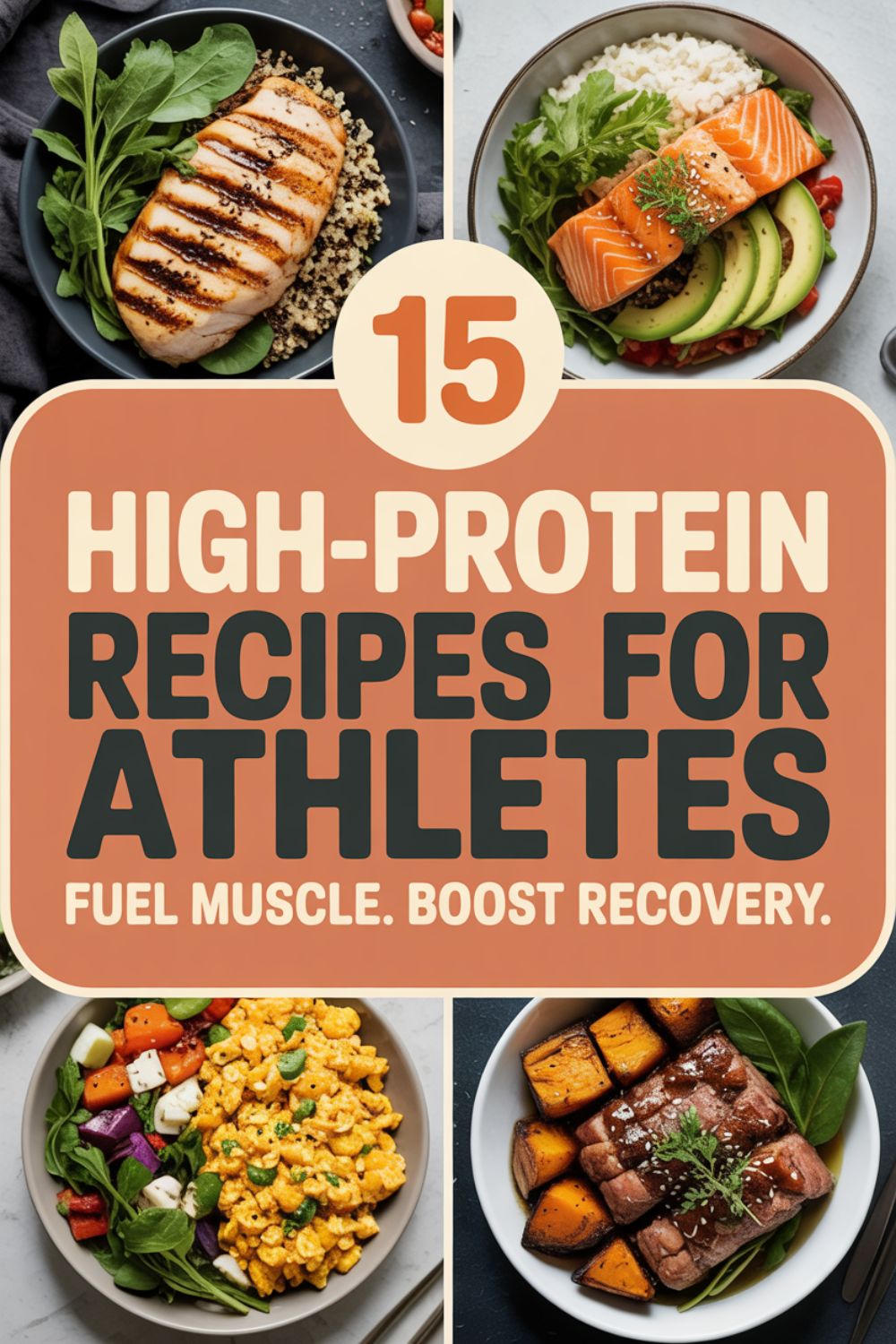
15 High Protein Recipes for Athletes
Look, if you’re serious about your training, you already know the drill. Protein isn’t just some fitness buzzword—it’s the foundation of muscle recovery, strength gains, and crushing your next workout without feeling like a noodle afterward.
But here’s the thing most people get wrong: they think protein means choking down bland chicken breast meal after meal or spending a fortune on protein bars that taste like cardboard dipped in sadness. Yeah, not happening.
What you actually need are recipes that pack serious protein without making you want to abandon your diet by Wednesday. We’re talking real food that tastes good, fills you up, and supports your training goals. Whether you’re crushing PRs at the gym, logging miles on the road, or just trying to build lean muscle without feeling constantly hangry, these 15 recipes have your back.
Why Athletes Actually Need More Protein
Before we jump into the recipes, let’s talk numbers for a second. The standard recommendation for sedentary adults is about 0.8 grams of protein per kilogram of body weight. But if you’re training regularly? That’s laughably low.
Research from the International Society of Sports Nutrition shows that athletes need somewhere between 1.4 to 2.0 grams per kilogram daily. For strength athletes especially, hitting the higher end of that range makes a real difference in recovery and muscle growth.
Translation: a 165-pound athlete should be aiming for roughly 100-140 grams of protein daily. Sounds like a lot? It’s actually pretty doable when you know what you’re doing.
The timing matters too. Studies suggest spreading your protein intake across 4-5 meals helps maximize muscle protein synthesis better than cramming it all into one or two massive servings. Think of it as feeding your muscles consistently throughout the day rather than overwhelming them once and calling it good.
1. Greek Yogurt Power Bowl
Starting with breakfast because honestly, that’s where most people fumble their protein goals. A solid Greek yogurt bowl can pack 25-30 grams of protein without even trying hard.
Grab some full-fat Greek yogurt (yes, full-fat—the extra calories help with nutrient absorption and keep you satisfied longer), toss in some berries for antioxidants, add a handful of nuts or granola for crunch, and drizzle with honey. Done. Takes maybe three minutes if you’re moving slow.
The beauty here is customization. Feeling like peanut butter? Add a spoonful. Want more carbs for a heavy training day? Throw in some overnight oats. The base recipe is your starting point, not a rigid rule. Get Full Recipe.
Greek yogurt also delivers probiotics, which helps with gut health and nutrient absorption. Not sexy, but important when you’re asking your body to perform at high levels consistently.
2. Chicken and Quinoa Power Bowl
Yeah, chicken again. But hear me out—this isn’t your sad desk lunch version. We’re talking properly seasoned, actually flavorful chicken paired with quinoa (which sneaks in extra protein compared to rice), roasted veggies, and a tahini or yogurt-based sauce that makes everything better.
One serving clocks in around 40 grams of protein, plus you get complex carbs for energy and enough fiber to keep your digestive system happy. Meal prep this on Sunday and you’ve got lunch sorted for half the week.
If you’re bored with chicken, swap in grilled salmon or even baked tofu for a plant-based option. The formula stays the same: protein + grain + veggies + sauce. Simple, effective, doesn’t require a culinary degree.
I usually cook my chicken using an instant-read thermometer because dry, overcooked chicken is a crime against food. Pull it at 165°F and let it rest—you’ll actually want to eat it.
3. Egg and Veggie Scramble
Eggs are ridiculously versatile and cheap, which makes them perfect for athletes on any budget. A three-egg scramble with spinach, tomatoes, peppers, and maybe some feta gives you around 20 grams of protein plus a solid vitamin and mineral boost.
Want more protein? Add a fourth egg or toss in some cottage cheese while you’re scrambling—sounds weird, tastes great, adds creaminess and extra protein without much effort.
The Mediterranean-style scramble is particularly good if you’re into olives and sun-dried tomatoes. It’s basically a flavor bomb that happens to support your muscle recovery.
4. Tuna and White Bean Salad
Canned tuna gets a bad rap for being boring, but paired with white beans, cherry tomatoes, red onion, and a lemon vinaigrette, it’s actually really good. Plus, you’re looking at 35+ grams of protein in one bowl.
The white beans add creaminess and extra protein while bumping up the fiber content. Toss everything together, maybe add some arugula or spinach for greens, and you’ve got a complete meal that doesn’t require cooking anything. Get Full Recipe.
For an omega-3 boost, choose tuna packed in olive oil instead of water. Yeah, it’s slightly higher in calories, but healthy fats support hormone production and recovery, which matters when you’re training hard.
Not a tuna fan? Try it with grilled chicken or baked salmon instead. The bean base works with pretty much any protein.
5. High-Protein Smoothie
Smoothies are polarizing—some people love them, others think drinking your calories is weird. But when you need quick protein post-workout and your appetite isn’t cooperating, a smoothie is clutch.
Blend Greek yogurt, protein powder (vanilla or chocolate works), a banana for carbs and creaminess, spinach for micronutrients you won’t taste, and some almond butter for healthy fats. Maybe toss in some berries if you’re feeling fancy. You’re getting 30-40 grams of protein depending on your protein powder scoop size.
The key is balancing protein with carbs post-workout. Your muscles need both to recover properly. The protein rebuilds tissue, the carbs replenish glycogen stores. Science stuff, but it matters. Get Full Recipe.
I blend everything in a high-speed blender because chunky smoothies are disgusting. Worth the investment if you’re making these regularly.
6. Turkey and Black Bean Chili
Chili is underrated as a high-protein meal. Lean ground turkey combined with black beans creates a protein powerhouse—roughly 35 grams per serving—while the tomatoes, peppers, and spices add flavor without unnecessary calories.
Make a big batch on the weekend and you’ve got easy dinners ready to go. Freeze half if you want variety later in the month. Top with a dollop of Greek yogurt instead of sour cream for bonus protein, and maybe some shredded cheese if you’re not watching calories too closely.
The beans provide both protein and fiber, which keeps you full longer and helps maintain steady energy levels. Perfect before or after intense training sessions when you need substantial fuel.
Looking for more warming, filling options? Check out these high-protein soups that won’t leave you hungry an hour later.
7. Cottage Cheese and Fruit
Cottage cheese is one of those foods people either love or can’t stand. If you’re in the love camp, this is an easy protein win. Half a cup of cottage cheese delivers about 14 grams of protein, and when you pair it with fresh fruit and maybe some nuts or seeds, you’ve got a balanced snack or light meal.
The casein protein in cottage cheese digests slowly, making it ideal before bed to fuel overnight muscle recovery. Yeah, that sounds like bro-science, but it’s actually backed by research. Your body repairs itself while you sleep, and giving it slow-digesting protein helps that process.
Try it with pineapple for a sweet-savory combo, or go the savory route with cherry tomatoes, cucumber, and everything bagel seasoning. Both work, both taste good, both support your protein goals. Get Full Recipe.
8. Lentil and Vegetable Stew
For plant-based athletes or anyone trying to eat less meat, lentils are a game-changer. One cup of cooked lentils packs about 18 grams of protein plus a ton of fiber and iron.
A hearty lentil stew with carrots, celery, tomatoes, and whatever vegetables you have lying around makes for a filling meal that won’t spike your blood sugar. Add some spinach at the end for extra nutrients, season generously with cumin and paprika, and you’ve got something that tastes way better than it sounds.
The fiber content is substantial, so if you’re not used to eating a lot of legumes, ease into it. Your digestive system will thank you. Get Full Recipe.
Pair your lentil stew with some whole wheat pasta or a slice of crusty bread for a complete meal that covers all your nutritional bases.
9. Grilled Steak with Sweet Potato
Sometimes you just want red meat, and there’s nothing wrong with that. A lean steak (sirloin or flank work well) paired with a baked sweet potato and some roasted asparagus hits all the right notes: high protein, complex carbs, and vegetables.
A 6-ounce steak delivers around 40 grams of protein, plus iron and B vitamins that support energy production. The sweet potato adds slow-digesting carbs for sustained energy, and the asparagus brings vitamins and fiber to the party.
Don’t overcook your steak. Seriously. Use a meat thermometer, aim for medium-rare (130-135°F), let it rest for a few minutes, and you’ll actually enjoy eating it. Overcooked steak is a waste of money and protein. Get Full Recipe.
10. Baked Salmon with Quinoa
Salmon is expensive, but it’s also one of the best protein sources you can eat. Rich in omega-3 fatty acids, it supports heart health, reduces inflammation, and aids recovery. A 4-ounce serving gives you about 25 grams of protein.
Pair it with quinoa and roasted vegetables for a complete meal that looks fancy enough for guests but easy enough for a weeknight. Season the salmon with lemon, garlic, and dill, bake it at 400°F for 12-15 minutes, and you’re done.
The quinoa adds another 8 grams of protein per cup, making this a solid 30+ gram protein meal. Plus, it tastes legitimately good, which matters when you’re trying to stick with healthy eating long-term. Get Full Recipe.
If you’re meal prepping salmon, consider using silicone baking mats to avoid the fish sticking to your pan. Makes cleanup way easier and you don’t sacrifice any of that crispy skin.
11. Protein-Packed Breakfast Burrito
Breakfast burritos are underrated as a high-protein option. Scrambled eggs, black beans, a bit of cheese, salsa, and maybe some avocado wrapped in a whole wheat tortilla can easily hit 25-30 grams of protein.
Make a batch on Sunday, wrap them individually in foil, and freeze. Microwave for 90 seconds on busy mornings and you’ve got a hot, filling breakfast that supports your training without requiring any brain power at 6 AM.
The combination of eggs and beans provides complete protein (all essential amino acids), while the tortilla adds carbs for energy. Add hot sauce for flavor and a metabolism boost—capsaicin has been shown to slightly increase calorie burn, though let’s be honest, you’re adding it because it tastes good. Get Full Recipe.
12. Chicken and Vegetable Stir-Fry
Stir-fries are fast, customizable, and perfect for using up whatever vegetables are about to go bad in your fridge. Slice some chicken breast thin, stir-fry it with bell peppers, broccoli, snap peas, and whatever else you have, season with soy sauce and ginger, and serve over brown rice.
You’re looking at 35+ grams of protein per serving, plus a variety of vegetables that bring vitamins, minerals, and fiber. The whole thing takes maybe 15 minutes if you prep your ingredients ahead of time.
For better stir-fry results, get your pan smoking hot before adding anything. High heat = better sear = more flavor. Cook in batches if necessary to avoid overcrowding, which leads to steaming instead of frying. Get Full Recipe.
Want more quick dinner ideas? These one-pan high-protein meals are lifesavers when you’re short on time and motivation.
13. Protein Pancakes
Pancakes for gains? Absolutely. Blend oats, banana, eggs, and protein powder into a batter, cook like regular pancakes, and you’ve got a breakfast that tastes like a cheat meal but delivers 25+ grams of protein.
Top with Greek yogurt instead of syrup for even more protein, add some berries for antioxidants, and maybe a drizzle of honey if you need the sweetness. These are particularly good before or after long training sessions when you need both protein and carbs.
The key is not making them too thick—they’ll be hard to flip and won’t cook through properly. Aim for about 1/4 cup of batter per pancake, cook on medium heat, and flip when bubbles form on the surface. Get Full Recipe.
I cook mine on a nonstick griddle because flipping multiple pancakes on a regular pan is annoying and inefficient. Makes weekend breakfast meal prep way faster.
14. Turkey Meatballs with Marinara
Meatballs aren’t just for spaghetti night. Made with lean ground turkey, breadcrumbs, egg, and Italian seasonings, they’re a versatile high-protein option you can meal prep and use throughout the week.
Eat them with zucchini noodles for a low-carb option, toss them with whole wheat pasta if you need more carbs, or put them in a sub roll for a quick sandwich. Each serving of 4-5 meatballs delivers around 30 grams of protein.
Bake them instead of frying to cut down on added fat, and make extra to freeze. They reheat well and save you from ordering takeout on nights when cooking feels impossible.
For a Mediterranean twist on protein-packed meals, check out these Mediterranean-style high-protein recipes that bring serious flavor without compromising your nutrition goals.
15. Shrimp and Veggie Skewers
Shrimp cooks fast, tastes great, and packs about 20 grams of protein per 3-ounce serving. Thread them on skewers with bell peppers, zucchini, and red onion, brush with olive oil and lemon juice, then grill or broil for 6-8 minutes.
Serve over quinoa or brown rice for a complete meal that looks impressive but requires minimal cooking skill. The vegetables add volume and nutrients without many calories, making this perfect for athletes watching their weight while maintaining muscle.
Shrimp are also low in calories and fat while being high in protein, which makes them ideal for cutting phases or anyone trying to maintain a calorie deficit without sacrificing protein intake. Get Full Recipe.
If you’re grilling these, use metal skewers instead of wooden ones. They conduct heat better for more even cooking, and you don’t have to soak them beforehand. Small upgrade, noticeable difference.
Looking for more protein-rich options? These meal prep chicken recipes and weekly meal prep ideas will keep your nutrition on track without the daily cooking stress.
Frequently Asked Questions
How much protein do athletes really need per day?
Most athletes need between 1.4 to 2.0 grams of protein per kilogram of body weight daily. Strength athletes typically benefit from the higher end of this range (1.6-2.0 g/kg), while endurance athletes may do well with slightly less (1.2-1.6 g/kg). For a 165-pound athlete, this translates to roughly 100-140 grams of protein per day, though individual needs vary based on training intensity, goals, and overall calorie intake.
Is it better to eat protein before or after a workout?
Both timing strategies can work, but the total daily protein intake matters more than precise timing. That said, consuming 20-40 grams of protein within a couple hours after training can enhance recovery and muscle protein synthesis. Pre-workout protein can also be beneficial, especially for early morning training sessions. The key is distributing your protein intake evenly across 4-5 meals throughout the day rather than stressing about the exact minute you eat it.
Can I get enough protein without supplements?
Absolutely. Whole food sources like chicken, fish, eggs, Greek yogurt, beans, and lentils can easily meet your protein needs without any supplements. Protein powder is convenient for busy schedules or post-workout shakes, but it’s not necessary. Most athletes who eat varied, balanced diets with adequate calories naturally consume enough protein. Focus on real food first, and only use supplements if they genuinely make hitting your protein targets easier.
What are the best plant-based protein sources for athletes?
Lentils, chickpeas, black beans, quinoa, tofu, tempeh, and edamame are all excellent plant-based protein sources. Combining different plant proteins throughout the day (like beans and rice) ensures you get all essential amino acids. Nuts, seeds, and whole grains also contribute protein, though in smaller amounts. Plant-based athletes may need slightly higher total protein intake (closer to 2.0 g/kg) since plant proteins are sometimes less efficiently absorbed than animal proteins.
Will eating too much protein damage my kidneys?
For healthy individuals with normal kidney function, high protein intake isn’t harmful. Research shows that athletes consuming 2.0+ grams per kilogram of body weight don’t experience kidney damage. However, if you have pre-existing kidney issues, you should consult with a healthcare provider before significantly increasing protein intake. For most athletes, the bigger concern is balancing protein with adequate carbohydrates and healthy fats rather than worrying about eating too much protein.
Final Thoughts
Here’s the reality about protein for athletes: you don’t need to eat perfectly to see results, but consistently hitting your protein targets makes a noticeable difference in recovery, performance, and body composition.
These 15 recipes aren’t magic formulas. They’re practical, straightforward meals that help you meet your protein needs without making food prep a second job. Some you’ll love, some you’ll tweak to fit your preferences, and maybe one or two you’ll skip entirely. That’s fine. Find what works for your schedule, your taste preferences, and your training demands.
The goal isn’t perfection—it’s building sustainable eating habits that support your athletic performance long-term. Cook a few of these recipes this week, see what you think, and adjust based on how your body responds. Your training deserves fuel that works as hard as you do.