10 Mediterranean Diet Mistakes to Avoid
Look, I get it. You heard the Mediterranean diet is the healthiest thing since sliced whole-grain bread, and now you’re ready to transform your kitchen into a Greek taverna. But here’s the thing—most people screw this up without even realizing it.
I’ve watched friends drown everything in olive oil, thinking they’ve cracked the code to longevity. I’ve seen others treat feta like a condiment and wonder why their jeans suddenly feel tighter. The Mediterranean diet isn’t some magical free-pass to eat unlimited “healthy” food. It’s a lifestyle, and like any lifestyle worth doing, there are rules you need to follow.
So let’s talk about the mistakes you’re probably making right now—or about to make—and how to actually do this thing right.

Mistake #1: Treating Olive Oil Like Water
Yeah, olive oil is the cornerstone of the Mediterranean diet. Yes, it’s packed with monounsaturated fats and polyphenols that do wonderful things for your heart. But that doesn’t mean you should be chugging it like it’s going out of style.
Here’s the reality check: one tablespoon of olive oil contains about 120 calories. Pour it with a heavy hand three times a day, and you’ve just added 500+ calories to your diet without even trying. Research from the PREDIMED study showed health benefits at around four tablespoons per day—but that’s a limit, not a goal.
I learned this the hard way when I couldn’t figure out why I wasn’t losing weight despite “eating so healthy.” Turns out, I was drowning my salads in enough olive oil to lubricate a small engine. Measure your portions. Use a tablespoon, not your imagination.
If you’re looking for balanced Mediterranean meals that get the olive oil ratio right, check out this lemon-herb chicken with roasted potatoes or these grilled veggie halloumi skewers.
Mistake #2: Thinking It’s Only About the Food
Ever notice how people in Mediterranean countries seem healthier and happier? It’s not just because they eat fish and vegetables. It’s because they actually enjoy their meals with other humans, walk everywhere, and don’t treat dinner like a race to the finish line.
The Mediterranean diet isn’t a meal plan—it’s a lifestyle. That means slowing down, savoring your food, and moving your body daily. According to research from West Virginia University, physical activity and social eating are fundamental components that people often overlook.
You can’t just swap your burger for grilled fish, eat it in front of Netflix, and expect miracles. Take 20 minutes for your meals. Put your phone down. Walk after dinner. These habits matter just as much as what’s on your plate.
Speaking of balanced meals, try this Mediterranean grain bowl for lunch. It’s the kind of thing you’ll actually want to sit down and enjoy properly.
Mistake #3: Ignoring Portion Sizes
Here’s a truth bomb for you: healthy food still has calories. I know, shocking. But people gain weight on the Mediterranean diet all the time because they think whole grains, nuts, and fish are somehow exempt from the laws of thermodynamics.
Traditional Mediterranean portions are modest. We’re talking a palm-sized piece of fish, not a salmon steak that hangs off your plate. Half your plate should be vegetables, a quarter protein, and a quarter whole grains. That’s it. Not half protein, not a mountain of pasta because “it’s whole wheat.”
Nuts are another sneaky culprit. Yes, they’re healthy. They’re also calorie-dense little packages of deliciousness. A serving is about a handful—not the entire bag while you’re watching TV. Get yourself some #portion-control-snack-containers# and pre-portion those nuts before your hand has other ideas.
For perfectly portioned Mediterranean meals, these stuffed bell peppers with quinoa and veggies are a lifesaver. Get Full Recipe.
Mistake #4: Going Overboard on Cheese and Dairy
Let me guess—you discovered halloumi and now it’s on everything? Or maybe you’re treating feta like confetti? Look, I love cheese as much as the next person, but the Mediterranean diet is relatively light on dairy compared to what most Americans eat.
Traditional Mediterranean eating includes modest amounts of cheese and yogurt—emphasis on modest. We’re talking 2-3 ounces of cheese per week, not per day. Greek yogurt gets more leeway because it’s high in protein and probiotics, but even then, you’re not supposed to eat a tub of it daily.
The problem is cheese is delicious and easy to overdo. One ounce of feta has about 75 calories and 6 grams of fat. Crumble it generously on everything, and those calories add up faster than you can say “opa.”
Choose lighter cheeses like feta, ricotta, or fresh mozzarella instead of aged, fatty varieties. And for the love of all that’s holy, measure it out. Don’t just eyeball a “sprinkle” that somehow becomes half a block.
This whipped feta dip with honey and thyme is perfect for when you want that cheese fix without overdoing it. And if you’re meal prepping, check out these 14-day Mediterranean meal plan ideas that get the dairy balance right.
Mistake #5: Loading Up on Processed “Mediterranean” Foods
Walk into any grocery store and you’ll find fifty products with “Mediterranean” slapped on the label. Mediterranean crackers. Mediterranean dressing. Mediterranean trail mix. Most of it is marketing garbage designed to make you feel virtuous while you eat ultra-processed junk.
Research shows that ultra-processed foods undermine the health benefits of the Mediterranean diet entirely. It doesn’t matter if that packaged hummus comes in a pretty container with Greek columns on it—if it’s loaded with preservatives and weird oils, it’s not doing you any favors.
Stick to whole, minimally processed foods. Make your own hummus—it takes five minutes and a #food-processor#. Roast your own chickpeas instead of buying the seasoned ones with seventeen ingredients you can’t pronounce.
Real Mediterranean food is simple: olive oil, tomatoes, fish, vegetables, legumes, whole grains. If your “Mediterranean” snack has a nutrition label that reads like a chemistry experiment, put it back.
For genuinely healthy Mediterranean snacks, try these Mediterranean snack ideas that don’t come from a package.
Mistake #6: Eating the Same Three Things on Repeat
Let me guess your weekly rotation: Greek salad, grilled chicken, maybe some salmon if you’re feeling fancy. Rinse and repeat until you’re so bored you’re fantasizing about drive-thru burgers.
The Mediterranean diet is supposed to be diverse and exciting. We’re talking about cuisines from Greece, Italy, Spain, Morocco, Turkey—each with its own flavors and traditions. If you’re eating the same meals every week, you’re missing the point and probably missing out on nutrients too.
Variety isn’t just the spice of life—it’s nutritionally essential. Different vegetables, fruits, and whole grains provide different vitamins, minerals, and antioxidants. Eating a rainbow of produce (yes, that’s a real nutrition thing) ensures you’re getting a broad spectrum of nutrients.
Branch out. Try shakshuka for breakfast. Make some homemade baked falafel. Experiment with lentil-spinach soup. The world is bigger than Greek salad, I promise.
Looking for more variety? These 30 Mediterranean dinner recipes will keep you from falling into the same-meal trap. You can also explore Mediterranean lunchbox ideas for work that actually taste good cold.
Mistake #7: Skimping on Fish and Seafood
If you’re only eating fish once a month because it’s expensive or you don’t know how to cook it, you’re missing one of the diet’s biggest benefits. Fish and seafood aren’t optional extras—they’re central to the Mediterranean eating pattern.
The recommendation is at least two servings of fish per week, with an emphasis on fatty fish like salmon, sardines, and mackerel. These are loaded with omega-3 fatty acids, which do everything from reducing inflammation to supporting brain health.
I get it—fish can be intimidating if you didn’t grow up eating it. It can smell up your kitchen, it’s easy to overcook, and quality fish isn’t cheap. But here’s the thing: canned sardines, tuna, and salmon are legitimate options. They’re affordable, shelf-stable, and nutritionally on-par with fresh fish.
Start simple. A can of sardines on avocado toast Mediterranean-style is surprisingly good. Or try this grilled salmon with tomato caper relish. Get Full Recipe.
If you’re really nervous about cooking fish, grab a #fish-spatula#—it makes flipping delicate fillets way easier. And honestly, a #digital-meat-thermometer# takes all the guesswork out of knowing when it’s done.
Mistake #8: Forgetting About Legumes
Beans, lentils, and chickpeas are the unsung heroes of the Mediterranean diet. They’re cheap, filling, loaded with protein and fiber, and ridiculously versatile. Yet most people treat them like an afterthought—if they eat them at all.
Traditional Mediterranean diets include legumes multiple times a week. They’re used in soups, stews, salads, and dips. They’re what makes meals satisfying without relying heavily on meat. Plus, fiber keeps you full longer and helps stabilize blood sugar, which means you’re less likely to be hangry an hour after eating.
If you think legumes are boring, you’re not cooking them right. A three-bean chili is hearty and comforting. Chickpea cauliflower curry is flavor-packed and ridiculously satisfying. And if you’ve never tried lentil sweet potato stew, you’re seriously missing out.
Keep canned beans and lentils stocked in your pantry—they’re a lifesaver on busy nights. Just drain and rinse them well to reduce sodium, toss them into whatever you’re cooking, and you’ve instantly upgraded your meal’s nutrition profile.
Mistake #9: Drinking Way Too Much Wine (Or None at All)
Ah, wine—the most misunderstood part of the Mediterranean diet. People either think they’re supposed to knock back a bottle every night or avoid it entirely because it’s “empty calories.”
Here’s the nuanced truth: moderate wine consumption is part of traditional Mediterranean culture, but it’s optional and contextual. We’re talking one 5-ounce glass for women, two for men, typically with meals—not alone on the couch watching Netflix.
According to Banner Health’s guidelines, if you don’t drink alcohol now, you shouldn’t start just because of the Mediterranean diet. The health benefits come from the overall eating pattern, not the wine specifically. And if you have a family history of alcohol addiction or other health concerns, skip it entirely without guilt.
On the flip side, if you do enjoy wine, don’t use the Mediterranean diet as an excuse to overdo it. One glass with dinner is fine. Three glasses because “the Greeks do it” is not.
For non-alcoholic alternatives, try making a berry green smoothie with meals. It’s refreshing, nutrient-dense, and won’t leave you woozy.
Mistake #10: Treating It Like a Temporary Diet
This might be the biggest mistake of all. People approach the Mediterranean diet like it’s the latest fad—something to try for 30 days to drop a few pounds before going back to their normal eating habits. That’s not how this works.
The Mediterranean diet is a lifestyle, not a quick fix. The people who benefit from it—who live longer, have healthier hearts, maintain their weight—are the ones who stick with it for years. Research consistently shows that long-term adherence is what delivers results, not short bursts of “being good.”
That means you need to find a sustainable version of this diet that fits your life. Maybe you can’t afford fresh fish every week—fine, use canned. Maybe you live in a food desert without easy access to fresh produce—frozen vegetables are nutritionally comparable. The goal is progress, not perfection.
Build habits gradually. Start by adding one Mediterranean-style meal per day. Then two. Then make it your default. It took me months to fully transition, and that’s okay. What matters is that I’m still doing it years later because it doesn’t feel like deprivation—it just feels like how I eat.
For a structured approach that helps you stick with it, try this 14-day Mediterranean meal plan for beginners. It takes the guesswork out and gives you a roadmap to follow.
Frequently Asked Questions
Can I lose weight on the Mediterranean diet?
Yes, but it’s not automatic. The Mediterranean diet can support weight loss if you’re in a calorie deficit, but you still need to watch portion sizes—especially with calorie-dense foods like olive oil, nuts, and cheese. People who lose weight successfully on this diet do so because they’re eating more vegetables, lean proteins, and fiber-rich foods that keep them satisfied on fewer calories. It’s not magic, but it’s sustainable.
Is the Mediterranean diet expensive?
It can be, but it doesn’t have to be. Fresh fish and out-of-season produce can drive costs up, but you can keep it budget-friendly by using canned fish, frozen vegetables, dried legumes, and seasonal produce. The diet is actually quite economical when you focus on plant-based proteins like beans and lentils instead of relying heavily on meat. Shop smart and meal prep, and you’ll probably spend less than you do now.
Do I have to give up meat completely?
No. The Mediterranean diet includes meat, just not as the star of every meal. Red meat is limited to a few times per month, while poultry and eggs are fine in moderation. The emphasis is on fish, seafood, and plant-based proteins, but you’re not going vegetarian unless you want to. Think of meat as a supporting ingredient rather than the main event.
What if I don’t like fish?
You can still follow the Mediterranean diet without eating fish, though you’ll miss out on those omega-3 fatty acids. Focus on plant-based omega-3 sources like walnuts, flaxseeds, and chia seeds. Increase your intake of legumes, poultry, and eggs for protein. You might also consider an algae-based omega-3 supplement if you’re concerned about getting enough. The diet is flexible enough to adapt to your preferences.
Can I eat pasta on the Mediterranean diet?
Absolutely. Pasta is a staple in Mediterranean countries, especially Italy. The key is choosing whole-grain pasta and keeping portions reasonable—about one cup cooked, not the massive American restaurant servings. Load it up with vegetables, a moderate amount of olive oil, and maybe some fish or legumes. It’s all about balance and not making pasta the entire meal.
Final Thoughts
The Mediterranean diet isn’t complicated, but it does require intentionality. You can’t just swap a few ingredients and call it a day while ignoring the bigger picture. It’s about eating real food in reasonable amounts, moving your body, and actually enjoying your meals instead of inhaling them in front of a screen.
Avoid these ten mistakes and you’ll be way ahead of most people who try this diet and wonder why it’s not working. Measure your olive oil. Eat more legumes. Stop treating cheese like a food group. Cook more fish. And for the love of everything Mediterranean, slow down and savor your food.
Will it turn you into a centenarian Greek islander overnight? No. But give it time, stay consistent, and you might just find yourself healthier, more energized, and actually enjoying what you eat. And honestly, that’s worth more than any quick-fix diet ever promised.
Now stop reading and go make yourself some shakshuka. Your future self will thank you.
Similar Posts
The 7-Day Real Food Reset: Eat Clean, Feel Amazing, No Counting Required
The 7-Day Real Food Reset: Eat Clean, Feel Amazing, No Counting Required 🥑 So, What Is a Real Food Reset Anyway? Okay, real talk—have you ever found yourself knee-deep in chips one night, only to Google “quickest detox” the next morning? 😬 Yep, same here. The good news? You don’t need some wild juice cleanse,…
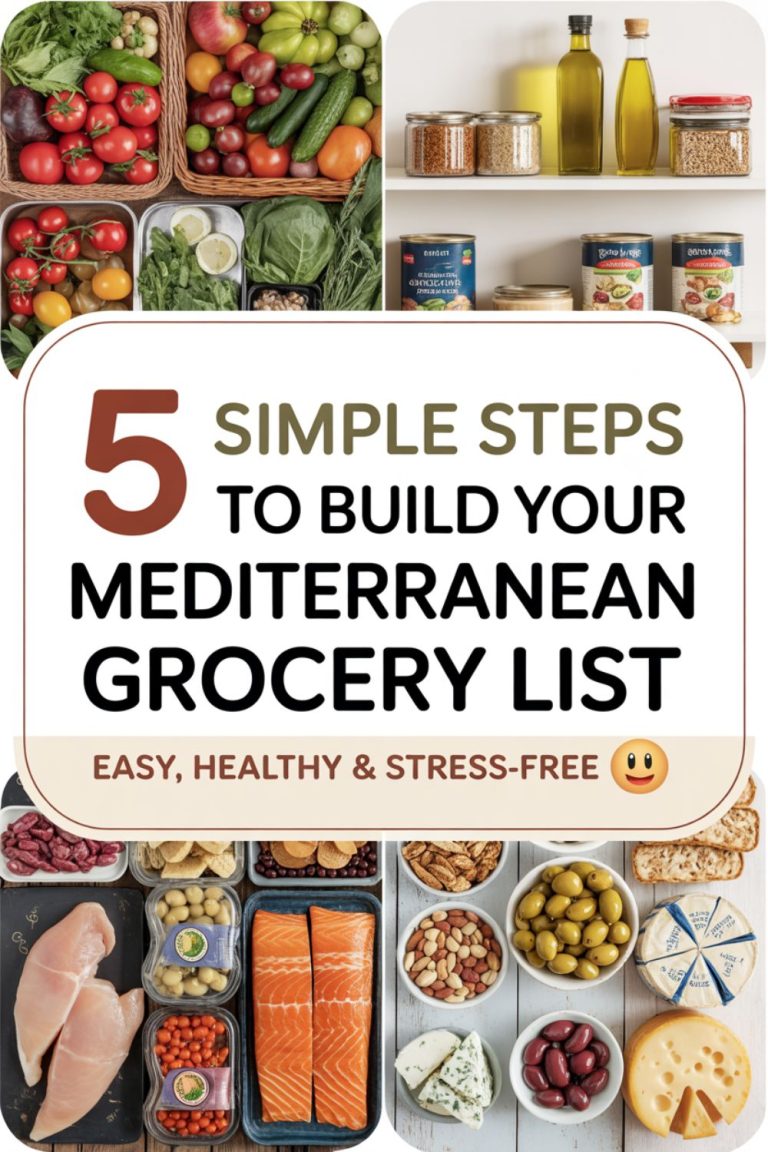
How to Build Your Mediterranean Diet Grocery List in 5 Simple Steps
How to Build Your Mediterranean Diet Grocery List in 5 Simple Steps How to Build Your Mediterranean Diet Grocery List in 5 Simple Steps Look, I get it. You’ve heard about the Mediterranean diet a thousand times. Everyone’s raving about it like it’s the holy grail of eating. But here’s the thing—knowing about it and…
7 Mediterranean Diet Tips for Heart Health
7 Mediterranean Diet Tips for Heart Health 7 Mediterranean Diet Tips for Heart Health Look, I’m not gonna sugarcoat this: your heart deserves better than drive-thru dinners and mystery casseroles. But here’s the good news—taking care of your ticker doesn’t mean choking down bland food or obsessing over calorie counts. The Mediterranean diet is basically…
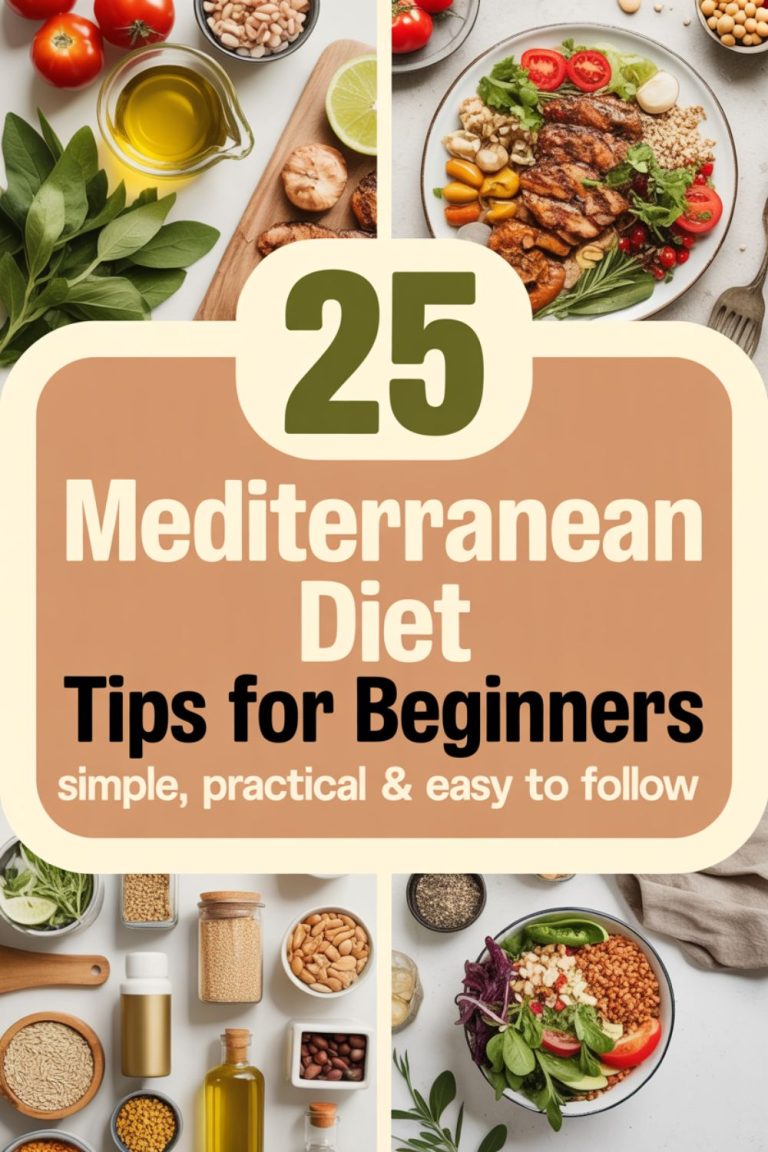
25 Mediterranean Diet Tips for Beginners
25 Mediterranean Diet Tips for Beginners 25 Mediterranean Diet Tips for Beginners So you’ve heard about the Mediterranean diet and you’re thinking about giving it a shot. Smart move. But let me guess—you’re staring at your fridge full of processed snacks and frozen dinners wondering where the heck to start, right? Look, I get it….