
20 Mediterranean-Inspired Snacks for Kids
Look, I get it. Trying to feed kids healthy snacks while avoiding the millionth request for processed junk is basically an Olympic sport at this point. But here’s the thing about Mediterranean snacks—they’re sneaky good. Kids actually like them, and you don’t have to feel like you’re negotiating a hostage situation every time snack time rolls around.
I’ve been down the rabbit hole of trying to make healthy eating work for kids without turning into that parent who only serves kale chips. Mediterranean food hits differently because it’s not trying to be “health food”—it just happens to be nutritious while tasting like actual food. Let me walk you through some options that have saved my sanity more times than I can count.
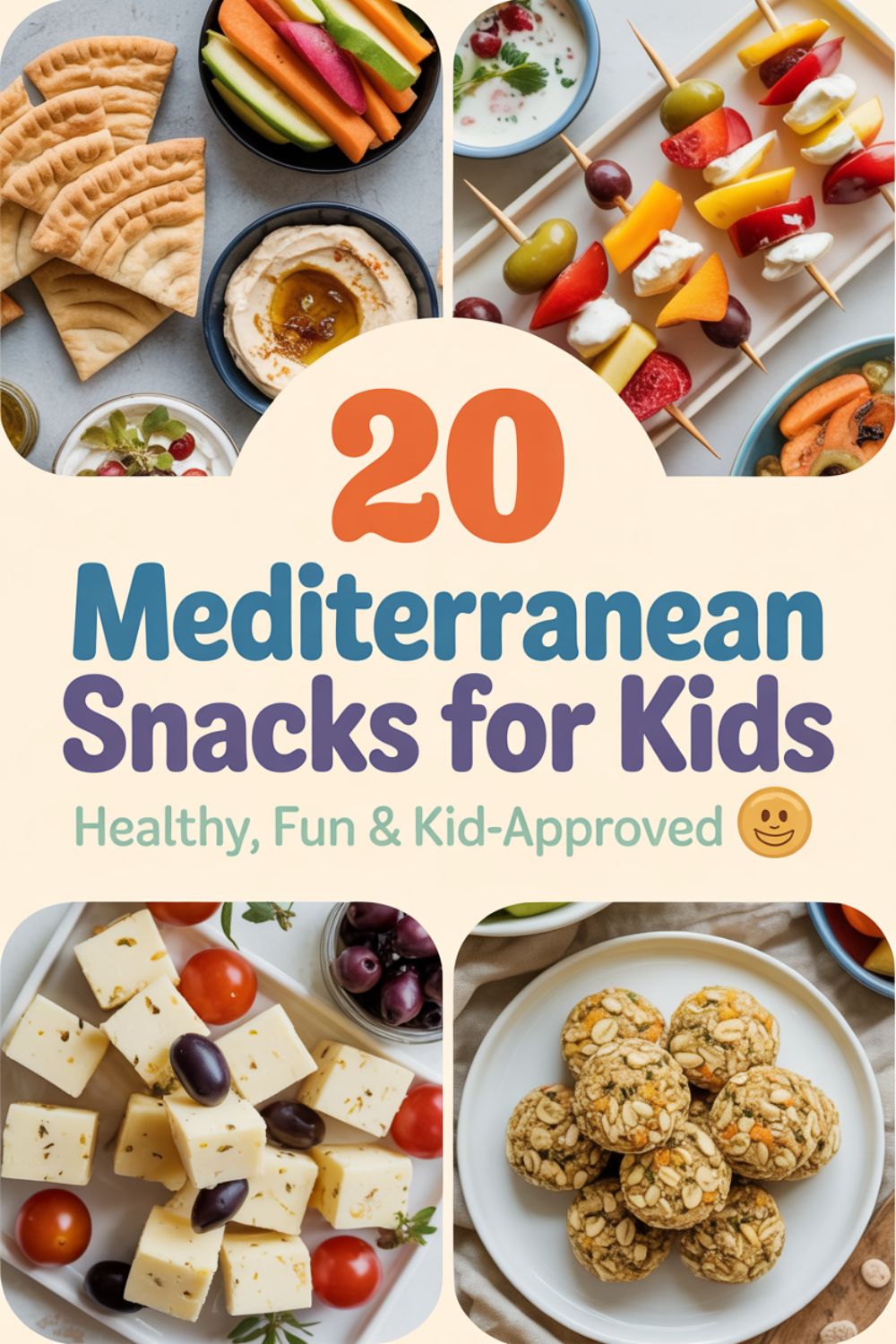
Why Mediterranean Snacks Actually Work for Kids
Before we get into the good stuff, let’s talk about why this approach makes sense. Mediterranean eating isn’t about restriction or weird ingredients your kids will immediately reject. It’s built on whole foods, healthy fats, and flavors that don’t require an acquired taste.
The beauty is in the simplicity. Olive oil, fresh veggies, whole grains, nuts, and fruits—these aren’t exotic ingredients that require a specialty store run. Plus, according to research from the American Academy of Pediatrics, kids who eat Mediterranean-style diets tend to have better overall nutrition and lower rates of childhood obesity.
What I love most? These snacks don’t taste like compromise. They’re legitimately tasty, which means less negotiation and more actual eating. And honestly, when you can get kids excited about hummus and veggie sticks, you’re basically winning at parenting.
Mini Pita Pizzas That Actually Disappear
Okay, calling these “pizzas” is definitely cheating, but kids don’t care about semantics when they’re devouring whole wheat pitas topped with tomato sauce, mozzarella, and whatever veggies you can sneak on there. I use mini whole wheat pitas as the base—they’re the perfect size for little hands and toast up beautifully in a toaster oven.
The secret sauce here is letting kids build their own. Set out bowls of cherry tomatoes, olives, bell peppers, and cheese. They feel like they’re in control, and you’re sneaking in vegetables. Win-win. For a complete Mediterranean breakfast vibe, check out these Mediterranean breakfast recipes that use similar simple ingredients.
I usually make a batch and keep them in the fridge. Pop them in the oven for five minutes, and boom—instant after-school snack that doesn’t make you feel like a short-order cook.
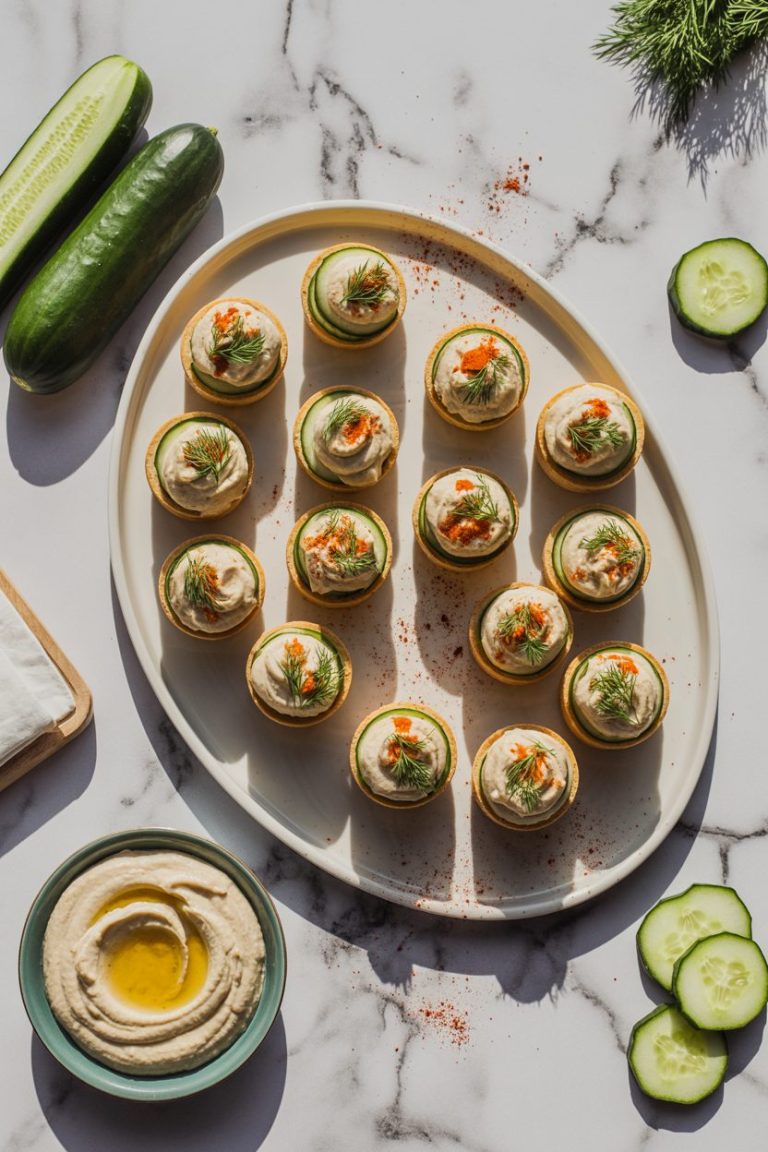
Cucumber Boats with Hummus
These are ridiculously simple and kids think they’re fun. Cut cucumbers in half lengthwise, scoop out the seeds with a small spoon, and fill with hummus. That’s it. That’s the whole recipe.
Want to level it up? Add cherry tomatoes, olives, or a sprinkle of feta. My kids like these because they can hold them like actual boats and make crashing sounds while eating. Whatever works, right? If you’re looking for more creative ways to use hummus, the cucumber hummus sandwich is another favorite. Get Full Recipe.
Pro tip: Use English cucumbers because they have fewer seeds and a milder flavor. Kids are weird about textures, and this makes a difference.
Greek Yogurt Parfaits Without the Sugar Bomb
Store-bought parfaits are basically dessert masquerading as breakfast. Making them at home means you control the sugar, and honestly, they taste better. I use plain Greek yogurt, a drizzle of honey, and whatever fresh fruit is on sale that week.
Layer it in a clear cup so kids can see the stripes—presentation matters more than we’d like to admit. Add some granola on top for crunch, and you’ve got a snack that feels special without the sugar crash. The Greek yogurt bowl with berries uses the same concept with different toppings.
My daughter requests these for breakfast constantly, which I’m counting as a parenting victory. They’re also perfect for those mornings when you need something quick but don’t want to resort to cereal.
Cheese and Olive Skewers
Listen, anything on a stick automatically becomes more appealing to children. Science? No. Reality? Absolutely. Thread cubes of mozzarella or mild cheese with cherry tomatoes and olives on wooden skewers. Instant Mediterranean kebabs.
If your kids are anti-olive (which, fair), swap them for cucumber chunks or bell peppers. The point is getting protein and veggies in a format that doesn’t feel like vegetables. I make these for parties too because adults appreciate finger food just as much as kids do.
Keep them refrigerated in an airtight container and they’ll last a few days. Though in my experience, they rarely survive that long. For more protein-packed ideas that kids will actually eat, try these high-protein kid-friendly meals.
Whole Grain Crackers with Tzatziki
Tzatziki is just fancy cucumber yogurt dip, but kids don’t need to know that. It’s creamy, mild, and pairs perfectly with whole grain crackers. You can buy it pre-made or whip it up in minutes—Greek yogurt, grated cucumber, garlic, lemon juice, done.
I use whole grain crackers that don’t taste like cardboard. Brands matter here—get the ones that actually have flavor. Serve it in a small bowl with crackers on the side, and watch it disappear.
This works great as an after-school snack because it’s filling enough to tide them over until dinner but won’t ruin their appetite. Plus, the protein from the yogurt gives them sustained energy instead of the spike-and-crash from sugary snacks.
Mini Falafel Bites
Homemade falafel sounds intimidating, but it’s really not. And if you want to cheat, store-bought falafel mix exists for exactly this reason. These easy baked falafel are perfect for kids because they’re bite-sized and not deep-fried. Get Full Recipe.
Make them mini using a small cookie scoop so they’re kid-appropriate portions. Bake instead of frying to keep things lighter. Serve with a side of tahini or yogurt sauce for dipping—kids love anything they can dunk.
These freeze beautifully, which means you can make a big batch and reheat as needed. Future meal planning for the win. I’ve also found these work great in lunchboxes served at room temperature.
Looking for more Mediterranean lunch ideas? These Mediterranean lunchbox recipes and falafel wraps with tzatziki are total game-changers for school lunches.
Fruit with Honey Yogurt Dip
Fruit is great, but let’s be honest—kids need incentive. Enter: honey yogurt dip. Mix Greek yogurt with a touch of honey and a squeeze of lemon. That’s your dip. Cut up apples, pears, strawberries, whatever’s in season.
The key is variety. Different colors and textures keep it interesting. I use a fun divided plate with the dip in the middle and fruit sections around it. Makes it feel like a snack board situation, which kids find way more exciting than a bowl of fruit.
This also works for breakfast if you’re in a pinch. Pair it with some whole grain toast and you’ve got a balanced meal that didn’t require actual cooking.
Stuffed Grape Leaves (The Kid-Friendly Version)
Before you scroll past this thinking I’ve lost my mind, hear me out. Dolmas from the store are mild, rice-filled, and perfectly sized for small hands. Kids like them because they’re finger food and feel exotic without being scary.
Serve them cold or at room temperature. No heating required, which makes them perfect for lunchboxes or picnics. If you want to make them at home, these stuffed grape leaves are surprisingly doable. Get Full Recipe.
Fair warning: this is more of an acquired taste. But I’ve been shocked by how many kids actually enjoy them once they try them. Don’t force it, but definitely offer it as an option.
Whole Wheat Toast with Avocado
Avocado toast isn’t just for millennials. Mash avocado with a fork, spread it on whole wheat toast, and add a tiny pinch of salt. That’s it. Some kids like it plain, others want cherry tomatoes or a sprinkle of feta on top.
The healthy fats keep them full, and it comes together in under five minutes. I use a good quality bread that doesn’t taste like health food. Texture matters with kids—nobody wants spongy whole wheat bread.
This works for breakfast, snacks, or even light dinners when nobody feels like cooking. For more inspiration, check out this avocado toast with tomato and olive oil or the Mediterranean-style version. Both are simple enough for kids to help make.
Roasted Chickpeas
These are like healthy popcorn. Toss chickpeas with olive oil and whatever seasoning your kids will tolerate (salt, garlic powder, paprika), spread them on a baking sheet, and roast until crispy. The cinnamon roasted chickpeas are a sweeter option that most kids prefer.
They’re crunchy, savory, and full of protein and fiber. My kids eat them by the handful, which I’m absolutely fine with because they’re not chips or candy. Store them in an airtight container and they’ll stay crispy for a few days.
Warning: these can get addictive. You might find yourself stealing them from the kids’ snack stash. Not that I’ve done that. Multiple times.
Mini Caprese Skewers
Cherry tomatoes, mini mozzarella balls, and basil leaves on toothpicks. Drizzle with balsamic glaze if your kids are into that, or skip it if they’re not. Either way, it’s a hit.
These look fancy but take maybe ten minutes to assemble. I make them for school lunches, after-school snacks, or when we need something quick before dinner. The caprese white bean salad uses similar flavors in a different format if you want to mix things up.
Kids like the individual serving aspect—it feels special without being complicated. Plus, you’re getting calcium from the cheese and vitamins from the tomatoes. Nutrition without the lecture.
Nut Butter Energy Balls
These are basically healthy cookie dough you don’t have to bake. Mix natural peanut butter or almond butter with oats, honey, and whatever mix-ins your kids like—chocolate chips, dried fruit, coconut flakes. Roll into balls, refrigerate, done.
They’re sweet enough to feel like a treat but packed with protein and whole grains. I keep a batch in the fridge at all times for emergency snack situations. Kids can help make them too, which scores bonus points for getting them involved.
Pro tip: use a small cookie scoop to keep them uniform in size. Also makes the whole process faster, which matters when you’re dealing with short attention spans.
Sliced Veggies with Baba Ganoush
Baba ganoush is roasted eggplant dip, and before you think kids won’t eat it, trust me—they don’t know it’s eggplant. It’s smoky, creamy, and pairs perfectly with bell peppers, carrots, and cucumber slices.
You can make it from scratch by roasting eggplant and blending it with tahini, garlic, and lemon, or buy it pre-made. Either way works. Serve it with colorful veggies cut into sticks, and kids will dip away without realizing they’re eating vegetables.
This is one of those snacks that works for the whole family. Adults appreciate it too, which means you’re not making separate snacks for everyone. Efficiency matters.
Whole Grain Pita Chips with Whipped Feta
Whipped feta sounds fancy, but it’s just feta cheese blended with Greek yogurt and olive oil until smooth. The result is a creamy dip that’s tangy and delicious. This whipped feta dip with honey and thyme adds a subtle sweetness kids love. Get Full Recipe.
Make your own pita chips by cutting whole wheat pitas into triangles, brushing with olive oil, and baking until crispy. Or buy them if you’re not feeling ambitious. No judgment—I buy them half the time.
This snack feels elevated but comes together quickly. Perfect for when you want something more interesting than crackers and cheese but don’t want to spend an hour in the kitchen.
Apple Slices with Almond Butter
Classic for a reason. Slice apples thin, pair them with almond butter, and you’ve got a snack that’s sweet, crunchy, and filling. The protein from the nut butter balances out the natural sugars in the fruit.
I use an apple slicer because it’s faster and produces uniform pieces. Kids can help with this one too—let them spread the almond butter themselves and they’ll feel accomplished.
If you want to compare protein sources for kids’ snacks, almond butter offers a great alternative to peanut butter with slightly different nutrients. Both work beautifully in Mediterranean-style eating.
Mini Breakfast Frittatas
These are basically muffin-sized omelets that you can make ahead and grab throughout the week. Whisk eggs with cheese, veggies, and herbs, pour into a muffin tin, and bake. They come out perfect every time.
What I love is the flexibility—use whatever vegetables you have on hand. Spinach, tomatoes, bell peppers, zucchini, all work. These spinach feta egg muffins are a Mediterranean take that kids actually request. Get Full Recipe.
They’re protein-packed, which means kids stay full longer. Serve them warm or at room temperature. Either way, they’re delicious and way better than processed breakfast bars.
Dates Stuffed with Nut Butter
This sounds weird, but trust the process. Dates are naturally sweet and chewy. Slice them open, remove the pit, and fill with a dollop of almond or peanut butter. Optional: sprinkle with sea salt or press in a few dark chocolate chips.
They taste like candy but are made from whole foods. Kids don’t need to know they’re eating fruit—they just know it’s sweet and satisfying. I keep these in the fridge for when the post-dinner dessert demands start.
Fair warning: dates are sticky. Have napkins ready. But they’re worth the slight mess for a treat that doesn’t involve refined sugar.
Tuna Salad on Cucumber Rounds
Tuna salad is peak Mediterranean protein. Mix canned tuna with a little olive oil mayo, lemon juice, and diced veggies. Scoop onto thick cucumber rounds instead of bread for a lighter option.
Kids like the individual portions, and you’re sneaking in omega-3s without the lecture. This tuna white bean salad is another protein-packed option that works great. Get Full Recipe. For an even easier version, try these lettuce cups.
Make a big batch and keep it in the fridge. Portion it out onto cucumber rounds as needed. Quick, easy, and way healthier than chips and dip.
Watermelon Pizza Slices
Cut watermelon into thick rounds, then cut those into triangular “pizza” slices. Top with Greek yogurt, fresh berries, and a sprinkle of granola. It’s visually fun and tastes like dessert while being mostly fruit.
Kids go crazy for this because it looks different from regular fruit. The yogurt adds protein, and the granola gives it crunch. Perfect for summer when watermelon is cheap and everywhere. I’ve also made this watermelon pizza for birthday parties with great success.
Pro tip: use a sharp knife for clean cuts. Presentation matters with food kids might be skeptical about.
Homemade Trail Mix
Store-bought trail mix is fine, but making your own means you control the ingredients. Mix nuts, seeds, dried fruit, and a few dark chocolate chips. Use a large airtight container to store it and portion it into small bags or containers for grab-and-go snacks.
Let kids help choose what goes in it. They’re more likely to eat something they helped create. Skip the candy-coated chocolate and stick to ingredients that add nutrition, not just sugar.
This travels well, which makes it perfect for car rides, sports practices, or anywhere you need portable fuel that won’t melt or get crushed.
Making Mediterranean Snacking Work in Real Life
Look, I’m not going to pretend that every snack time in my house is a Pinterest-worthy moment. Some days it’s crackers and cheese because that’s all I have energy for. But having these Mediterranean options in rotation makes healthy eating feel less like work and more like normal life.
The secret isn’t perfection—it’s having a few reliable options that kids actually like and you don’t mind making. Stock your pantry with olive oil, whole grains, nuts, and canned chickpeas. Keep fresh veggies washed and ready in the fridge. Buy a few good dips and rotate them.
One testimonial that stuck with me came from a mom in our community who said her picky eater started requesting hummus after she stopped forcing it and just kept it available. Sometimes kids surprise you when there’s no pressure.
Want to expand beyond snacks? These Mediterranean snacks that actually keep you full include options for older kids and adults too. And if you’re meal planning for the whole family, this 7-day Mediterranean meal plan takes the guesswork out of weekly planning.
Frequently Asked Questions
Are Mediterranean snacks appropriate for toddlers?
Absolutely. Many Mediterranean snacks work great for toddlers—just adjust textures and sizes. Soft foods like hummus, mashed avocado, and yogurt are perfect. Cut harder items like veggies and cheese into small, manageable pieces to prevent choking. Always supervise young children during snack time.
How do I get my picky eater to try Mediterranean foods?
Start with familiar formats—kids who like pizza might enjoy mini pita pizzas, and those who eat chicken nuggets might try baked falafel. Involve them in preparation when possible, offer new foods alongside favorites, and keep pressure low. Repeated exposure without forcing helps kids become more adventurous eaters over time.
Can these snacks work for school lunches?
Most of these travel beautifully. Hummus with veggies, mini frittatas, energy balls, and trail mix all work perfectly in lunchboxes. Just pack wet ingredients separately from dry ones, use insulated containers for items that need to stay cold, and avoid anything that needs reheating unless your child has access to a microwave.
What if my child has nut allergies?
Mediterranean eating is naturally flexible. Swap nut butters for sunflower seed butter or tahini. Use seeds instead of nuts in trail mix and energy balls. Focus on the other core components—olive oil, whole grains, fruits, vegetables, yogurt, and cheese—which are all nut-free and equally nutritious.
How long do these snacks keep?
It varies by snack. Fresh veggie preparations last 2-3 days in the fridge. Roasted chickpeas stay crispy for about 3-4 days in an airtight container. Energy balls keep for a week refrigerated or can be frozen for a month. Baked items like mini frittatas last 4-5 days refrigerated. Always use fresh ingredients and store properly for best results.
Final Thoughts
Mediterranean snacking for kids doesn’t have to be complicated or involve ingredients you can’t pronounce. It’s about keeping things simple, using quality ingredients, and not stressing when kids reject something the first five times you offer it.
The goal isn’t raising kids who only eat perfect foods. It’s exposing them to nutritious options in a way that feels normal, not forced. Some days they’ll devour hummus and veggies, other days they’ll only want cheese and crackers. That’s real life, and it’s completely fine.
Start with one or two snacks from this list that seem doable. See what your kids like. Build from there. Before you know it, you’ll have a rotation of healthy options that actually get eaten instead of wasted. And honestly