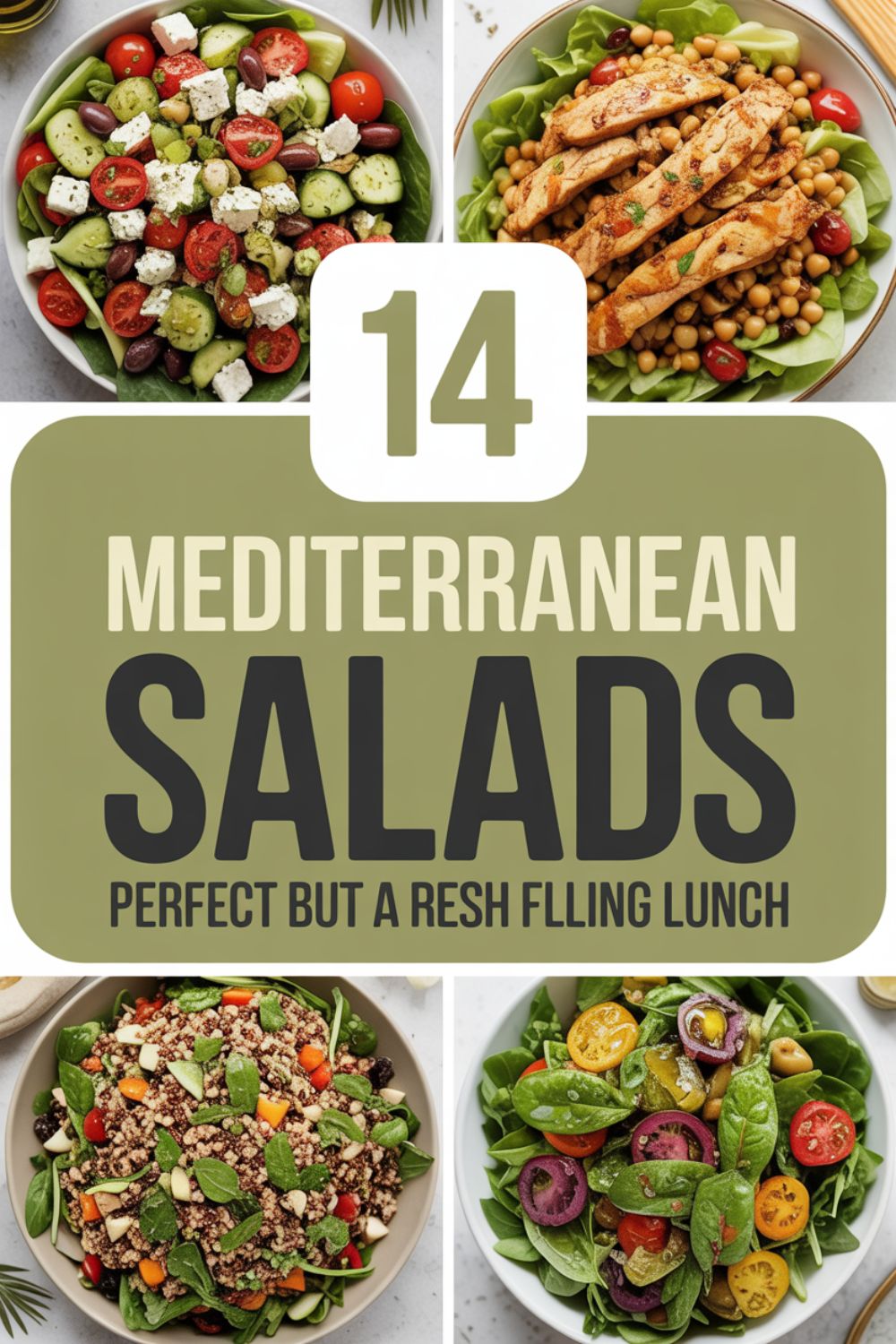
14 Mediterranean Salads That Are Perfect for Lunch
Look, I’m going to be straight with you—most lunch salads are depressing. You know the type: sad desk salads with wilted lettuce, a few cherry tomatoes, and maybe some croutons if you’re lucky. But Mediterranean salads? They’re a completely different story.
These aren’t your typical rabbit-food bowls. We’re talking about real, honest-to-goodness meals that actually keep you full past 2 PM. Think creamy feta, briny olives, sun-dried tomatoes, and enough olive oil to make your taste buds do a little happy dance. The kind of lunch that makes your coworkers lean over and ask, “Wait, where’d you get that?”
What makes Mediterranean salads so genius for lunch is simple: they’re packed with the good stuff your body actually needs. We’re talking healthy fats from olive oil, protein from chickpeas and cheese, and enough fiber to keep you satisfied. Plus, they’re ridiculously versatile—you can prep them Sunday night or throw them together in ten minutes flat.
Why Mediterranean Salads Actually Work for Lunch
Here’s the thing about Mediterranean cuisine—it’s been figured out for literally thousands of years. These aren’t trendy Instagram foods that’ll be gone next month. The combination of unsaturated fats with nutrient-rich vegetables creates meals that genuinely support your health without tasting like cardboard.
Ever wonder why you feel amazing after eating Mediterranean food? The monounsaturated fats found in olive oil support heart health, while the vegetables pack in vitamins and antioxidants your body craves. It’s not rocket science—just good food that happens to be good for you.
The protein content in these salads is no joke either. Whether it’s feta cheese providing calcium and phosphorus together for improved bone density or chickpeas delivering plant-based protein, you’re getting the nutrients that actually keep you full. No more 3 PM vending machine runs.
Pro Tip: Prep your veggies Sunday night and thank yourself all week. Chop cucumbers, tomatoes, and bell peppers, store them in separate containers, and assembling lunch becomes a two-minute job.
The Building Blocks You Need
Before we dive into specific salads, let’s talk about what makes these Mediterranean beauties tick. You don’t need a fancy pantry—just a few solid staples that you’ll use over and over.
The Greens
Forget iceberg lettuce (seriously, just forget it exists). We’re talking romaine for crunch, arugula for that peppery kick, or mixed greens when you can’t decide. Sometimes I’ll throw in some spinach because why not—it wilts down nicely and packs extra iron.
The beauty of Mediterranean salads is they don’t always need greens at all. Some of the best ones are just vegetables, beans, and grains hanging out together in perfect harmony.
The Protein Players
This is where things get interesting. Chickpeas are your best friend—cheap, filling, and they taste like whatever you dress them with. White beans work beautifully too, especially in tuna and white bean combos.
Then there’s feta cheese. Oh man, feta. That tangy, salty, crumbly goodness that makes everything better. Feta offers steady, reliable protein that helps support muscle repair and appetite control throughout the day, plus it’s lower in fat than most cheeses. I crumble it over everything—no shame.
Grilled chicken, tuna, salmon, hard-boiled eggs—they all work. The key is having at least one solid protein source so your salad doesn’t leave you hangry an hour later.
The Flavor Bombs
Kalamata olives, sun-dried tomatoes, roasted red peppers, capers—these are the ingredients that transform boring into brilliant. I keep a jar of quality Kalamata olives in my fridge at all times. They’re salty, meaty, and add instant Mediterranean vibes to anything.
Fresh herbs matter too. Parsley, mint, oregano, basil—whichever you vibe with. They’re not just garnish; they’re bringing serious flavor and nutrients to the party.
The Dressing Situation
Listen, you can absolutely buy bottled dressing. But making your own takes like 30 seconds and tastes infinitely better. The classic ratio? Three parts olive oil to one part acid (lemon juice or vinegar), plus salt, pepper, and maybe a touch of Dijon mustard.
I use a small mason jar with a tight lid for dressing. Throw everything in, shake it up, done. Way easier than whisking, and you can make extra to use throughout the week.
If you’re looking for complete meal inspiration beyond salads, check out these Mediterranean lunchbox recipes or explore some quick meal prep ideas that’ll save you serious time during busy weeks.
14 Mediterranean Salads That’ll Change Your Lunch Game
1. Classic Greek Salad (But Actually Good)
Let’s start with the OG. Cucumbers, tomatoes, red onion, olives, and feta. That’s it. The magic is in the quality of ingredients and that perfect olive oil-lemon dressing.
Here’s my trick: let it sit for 10 minutes before eating. The salt from the feta and olives pulls moisture from the veggies, creating this amazing flavor-packed juice at the bottom. Don’t waste it—use crusty bread to soak it up. Get Full Recipe.
The cucumbers need to be cut chunky—none of those sad thin slices. We want substantial bites here. And please, for the love of everything good, use ripe tomatoes. Winter tomatoes from the supermarket won’t cut it; cherry tomatoes are your friend year-round.
2. Quinoa Tabbouleh
Traditional tabbouleh uses bulgur wheat, but swapping in quinoa ups the protein game significantly. It’s still got all that fresh parsley, mint, lemon, and tomato action, just with an extra nutritional punch.
The key is using way more herbs than you think is reasonable. Like, an obscene amount of parsley. That’s what makes tabbouleh tabbouleh—the herbs are the star, not the grain. Try this quinoa tabbouleh with hummus and pita for a complete lunch spread.
I like making a big batch on Sunday and eating it all week. It actually gets better as it sits because the flavors meld together. Just keep the dressing separate if you’re meal prepping.
Quick Win: Cook quinoa in vegetable broth instead of water for extra flavor. It’s a small change that makes a noticeable difference.
3. Mediterranean Chickpea Bowl
This is my go-to when I’m too lazy to think but still want something delicious. Canned chickpeas (drained and rinsed), cucumber, tomato, red onion, feta, and a simple lemon-tahini dressing.
Sometimes I’ll roast the chickpeas first with some olive oil and paprika—makes them crispy and adds a whole new texture dimension. But honestly? Straight from the can works perfectly fine. For a different take, check out this Mediterranean chickpea bowl recipe.
The tahini dressing is magic: tahini, lemon juice, garlic, water to thin it out, salt. Blend it up and drizzle generously. It’s creamy, tangy, and makes you feel like you’re eating something way fancier than you actually made.
4. Farro with Roasted Vegetables
Farro is one of those grains that sounds intimidating but is actually super forgiving. It’s got a nutty flavor and chewy texture that holds up beautifully in salads—way better than rice, IMO.
Roast whatever vegetables you have: zucchini, eggplant, bell peppers, red onion. Toss the warm farro with the roasted veggies, some arugula, crumbled feta, and a balsamic vinaigrette. The warm grains slightly wilt the arugula, and it’s just… chef’s kiss.
I use a good quality baking sheet for roasting—one of those heavy-duty ones that doesn’t warp in the oven. Makes a real difference in getting those vegetables nicely caramelized instead of steamed.
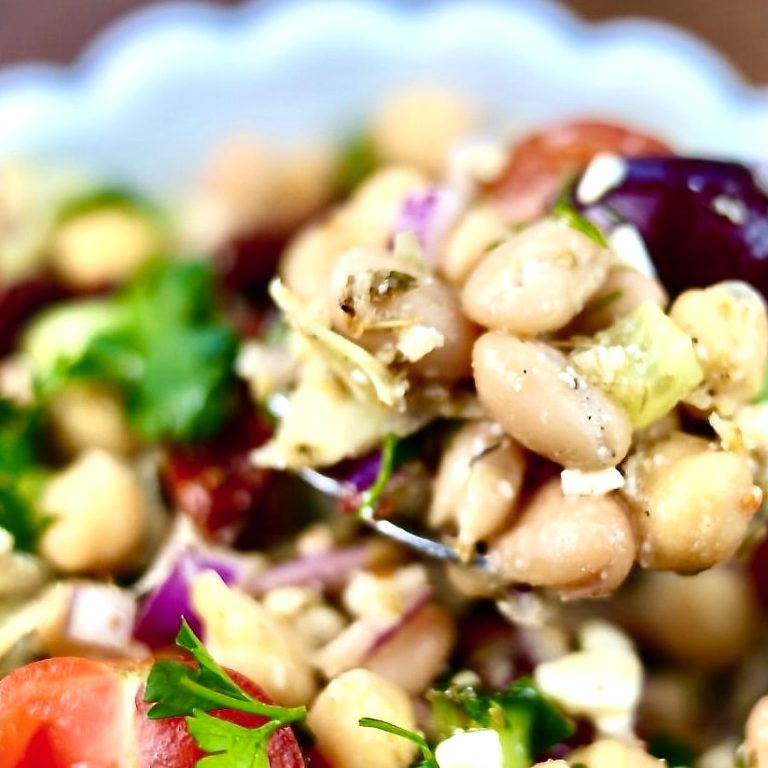
5. Tuna and White Bean Salad
This is poverty-proof lunch at its finest—canned tuna, canned white beans, and whatever vegetables you’ve got kicking around. Sounds basic, but it’s legitimately delicious and costs like three dollars to make.
The white beans add creaminess and bulk without any heavy mayo situation. Dress it with olive oil, lemon, some red onion, parsley, and you’ve got yourself a protein-packed lunch that’ll keep you going. Get Full Recipe.
Pro move: add a handful of arugula right before eating. The peppery bite cuts through the richness of the tuna and makes the whole thing feel more substantial.
6. Grilled Halloumi Salad
Halloumi is the cheese that doesn’t melt—it just gets all golden and squeaky and amazing. Grill it up (or pan-fry if you don’t have a grill), slice it, and serve over mixed greens with cherry tomatoes, cucumber, and a honey-lemon dressing.
The contrast of warm, salty cheese with cool, crisp vegetables is what dreams are made of. Add some watermelon in the summer if you’re feeling wild—trust me on this one.
I use a cast iron grill pan for indoor halloumi grilling. Gets those beautiful char marks without firing up an outdoor grill. Total game changer for year-round Mediterranean cooking.
7. Orzo Pasta Salad
Orzo is basically rice-shaped pasta, and it makes for the most satisfying cold salad. Cook it, cool it down, then toss with sun-dried tomatoes, olives, artichoke hearts, feta, and fresh basil.
The trick with pasta salad is to dress it while the pasta is still slightly warm—it absorbs the dressing better that way. Then let it chill completely before serving. The flavors get so much better after a few hours in the fridge. Looking for more creative grain options? Try this lemony orzo arugula salad.
This one’s perfect for potlucks because it serves a crowd and actually tastes better after sitting for a day. Plus, it looks fancy even though it’s stupid easy to make.
8. Fattoush Salad
Fattoush is basically Middle Eastern panzanella—a salad built on crispy pieces of pita bread. You toast pita until it’s crunchy, then toss it with tomatoes, cucumbers, radishes, and loads of fresh herbs.
The dressing has sumac in it, which gives this incredible tangy, lemony flavor that’s totally unique. If you’ve never used sumac before, get ready to become obsessed. I sprinkle it on everything now.
Timing matters here—add the pita right before serving or it gets soggy. Actually, some people like it a little soggy. You do you. There’s no salad police.
9. Lentil and Roasted Carrot Salad
Lentils are criminally underrated for salads. They’re cheap, packed with protein and fiber, and they have this earthy flavor that pairs perfectly with sweet roasted carrots.
Roast your carrots with cumin and a touch of honey until they’re caramelized. Mix with cooked lentils (I use the pre-cooked pouches because I’m not a saint), some baby spinach, goat cheese, and a tahini dressing. For a complete recipe, check out this lentil and roasted carrot bowl with tahini sauce.
The warm carrots and lentils with cool spinach and creamy tahini—it’s got every temperature and texture working together. Sarah from our community tried this as part of her lunch rotation and mentioned it kept her satisfied for hours without that post-lunch crash.
Pro Tip: Buy pre-cooked lentils in pouches. They’re ready in 90 seconds and taste just as good as the ones you’d cook from scratch. Life’s too short to soak lentils for every meal.
10. Cucumber Tomato Feta Salad (Mediterranean Chop Chop)
This is what I make when I literally cannot handle another complex decision. Everything gets chopped into small pieces—cucumbers, tomatoes, red onion, olives, feta—and tossed together with olive oil and red wine vinegar.
It’s simple to the point of being almost boring, except it’s not boring at all because the ingredients are so good. Sometimes simple is exactly what you need. Get Full Recipe.
The uniform chop size means every bite has a perfect ratio of ingredients. I use a really sharp chef’s knife for this—makes the chopping feel less like a chore and more like therapy.
11. Grilled Vegetable Salad
Grill everything: zucchini, eggplant, bell peppers, red onion, asparagus—whatever vegetables you can find. The charring adds this smoky depth that transforms vegetables from side dish to main event.
Let them cool slightly, then toss with arugula, crumbled feta, toasted pine nuts, and a balsamic reduction. The warm vegetables wilt the greens just enough, and the balsamic reduction adds this sweet-tangy glaze that ties everything together.
I use a grill basket for the smaller vegetables so they don’t fall through the grates. Makes the whole process way less stressful and nothing gets lost to the fire gods.
12. Israeli Couscous Salad
Israeli couscous (also called pearl couscous) has these satisfying little pearl-shaped bits that are bigger than regular couscous. They’ve got great texture and don’t get mushy in dressing.
Cook the couscous, then mix with cherry tomatoes, cucumber, chickpeas, fresh dill, and lemon-tahini dressing. The dill is crucial here—it brings this fresh, almost pickle-y flavor that makes the whole salad super refreshing.
This one holds up incredibly well in the fridge, making it perfect for meal prep. Actually, I’d argue it’s better on day two when everything has had time to get friendly.
13. Caprese White Bean Salad
Take everything you love about a caprese salad—tomatoes, mozzarella, basil—and add white beans for protein and substance. It’s like caprese decided to actually be filling.
Use the best tomatoes you can find. Seriously. This salad lives or dies on tomato quality. Add fresh mozzarella (torn, not sliced—better texture), white beans, fresh basil, and a drizzle of good balsamic and olive oil. Get Full Recipe.
The beans make this substantial enough for lunch without weighing you down. Plus, the combination of creamy beans, juicy tomatoes, and tender mozzarella is just… yeah. Do it.
14. Deconstructed Mezze Plate Salad
This is basically taking everything from a mezze platter and turning it into a salad. Hummus, baba ganoush, tabbouleh, falafel, olives, tomatoes, cucumber, pickled vegetables—all arranged over greens and drizzled with tahini.
It sounds chaotic, but it works beautifully. Every bite is different depending on what you scoop up. It’s fun, it’s filling, and it’s basically an entire Mediterranean restaurant in a bowl. Check out this complete deconstructed Greek mezze plate for the full experience.
I’ll often use store-bought hummus and baba ganoush because making everything from scratch is exhausting. Save your energy for the things that matter—like actually eating and enjoying your lunch.
For more protein-packed Mediterranean options that work beautifully as complete meals, explore these high-protein Mediterranean meals under 400 calories or try some Mediterranean lunchbox recipes perfect for work.
Making These Salads Actually Happen
Look, I can give you 50 amazing salad recipes, but if you don’t have a system, they’re just pretty ideas that never happen. Here’s how I actually get these salads on the table consistently.
The Sunday Prep Strategy
Spend 30 minutes on Sunday prepping vegetables. Wash and chop cucumbers, tomatoes, bell peppers, and onions. Store them separately in containers—they’ll last all week.
Cook your grains and proteins too. Make a big batch of quinoa, farro, or lentils. Grill or bake chicken breasts. Hard-boil a dozen eggs. Having these ready to go means assembling a salad takes five minutes instead of 30.
I use glass meal prep containers with snap-on lids. They don’t stain, they don’t hold smells, and you can see what’s inside without opening them. Total meal prep game changer.
The Jar Method
Mason jar salads aren’t just Instagram fodder—they actually work. Put dressing on the bottom, hard vegetables next (carrots, cucumbers), then proteins, then grains, then delicate greens on top.
When you’re ready to eat, shake it up and dump it into a bowl. Everything stays crisp, the greens don’t get soggy, and you can prep five at once for the whole week.
The trick is getting the layering right. Denser ingredients that can handle getting wet go on the bottom, delicate stuff on top. It’s not complicated, but it makes a huge difference.
The Pantry Staples List
Keep these on hand and you can always throw together a Mediterranean salad:
- Olive oil – Get the good stuff. It’s the base of most dressings.
- Lemons – Fresh lemon juice beats bottled every time.
- Canned chickpeas and white beans – Instant protein, zero effort.
- Kalamata olives – Jarred, already pitted, ready to go.
- Feta cheese – The block kind, not pre-crumbled. It tastes better.
- Tahini – For quick creamy dressings that aren’t mayo-based.
- Grains – Quinoa, farro, orzo. Pick your favorite.
- Dried herbs – Oregano, thyme. Fresh is better but dried works fine.
With this lineup in your pantry and fridge, you’re never more than 10 minutes away from a solid Mediterranean salad.
Quick Win: Keep a stash of small dressing containers for on-the-go lunches. Pack your dressing separately and add it right before eating to avoid soggy salad syndrome.
The Dressing Game
Here’s the truth: the dressing makes or breaks your salad. You can have the most beautiful vegetables and perfect proteins, but if your dressing is off, the whole thing falls flat.
Classic Lemon-Olive Oil Vinaigrette
This is your foundation. Three parts olive oil, one part fresh lemon juice, minced garlic, salt, pepper, and a pinch of oregano. Shake it in a jar and you’re done.
The lemon provides brightness that makes vegetables taste more like themselves. Monounsaturated fats in olive oil help your body absorb nutrients more efficiently, especially fat-soluble vitamins from all those vegetables.
Tahini-Lemon Dressing
Tahini, lemon juice, garlic, water, salt. Blend until smooth. This creamy, nutty dressing works on literally everything and it’s dairy-free, which is nice if you’re already adding feta to your salad.
The tahini provides healthy fats and a subtle nuttiness that complements Mediterranean flavors perfectly. Plus, it’s got calcium and protein, so your dressing is actually contributing nutrients instead of just calories.
Balsamic Reduction
Technically not a dressing, but drizzled over roasted vegetable salads? Chef’s kiss. Just simmer balsamic vinegar until it reduces by half and gets syrupy.
I make a batch and keep it in a squeeze bottle in the fridge. Instant fancy restaurant vibes on your weekday lunch.
Troubleshooting Common Salad Problems
My Salad Gets Soggy
Store wet ingredients (tomatoes, cucumbers) separately from dry ones. Don’t dress your salad until right before eating. And maybe skip adding salt to tomatoes until the last minute—salt pulls out moisture like crazy.
It’s Not Filling Enough
Add more protein and healthy fats. A salad with just vegetables isn’t a meal, it’s a side dish. You need chickpeas, beans, cheese, eggs, or meat. And don’t skimp on the olive oil—those fats keep you satisfied.
It’s Boring
You need acid, salt, fat, and texture variety. Lemon juice or vinegar for acid, olives or cheese for salt, olive oil or nuts for fat, and mix soft (avocado) with crunchy (cucumbers) textures. If your salad is boring, you’re probably missing one of these elements.
The Ingredients Are Expensive
Stick to seasonal vegetables—they’re cheaper and taste better. Buy feta and olives in bulk. Use canned beans instead of fancy grains. Frozen vegetables work great for roasted salads. You can absolutely make these on a budget.
Beyond the Bowl
Here’s what nobody tells you about Mediterranean salads: they’re infinitely adaptable. Turn any of these into wraps using whole wheat pita. Stuff them into bell peppers. Serve them over cauliflower rice for a low-carb version. Use them as sandwich filling.
The flavor combinations work in basically any format. Once you understand the basic principles—good vegetables, quality olive oil, bright acid, salty elements, protein—you can riff forever.
I’ve seen people turn Greek salad into pasta salad, quinoa tabbouleh into stuffed tomatoes, chickpea salad into burger patties. The possibilities are genuinely endless once you start playing around.
And honestly? That’s the beauty of Mediterranean cooking. It’s not precious or complicated. It’s just good ingredients treated well. No weird substitutions, no elaborate techniques, no expensive equipment.
Frequently Asked Questions
Can I make Mediterranean salads ahead of time?
Absolutely, but with some strategy. Prep all your ingredients separately and store them in different containers. Assemble the salad the night before or morning of, but keep the dressing separate until you’re ready to eat. Grain-based salads like quinoa tabbouleh and orzo pasta salad actually taste better after sitting overnight, while delicate greens should be added fresh.
Are Mediterranean salads actually good for weight loss?
They can be, but it depends on portions and what you’re adding. The olive oil and feta provide healthy fats that keep you satisfied, which can prevent snacking and overeating later. The high fiber content from vegetables and beans helps with satiety too. Just watch your olive oil portions—it’s healthy, but it’s also calorie-dense. A tablespoon or two in your dressing is plenty.
What’s the best way to keep feta cheese fresh?
Store it in its original brine if it came in liquid, or make your own brine with water and a little salt. Feta dries out quickly when exposed to air, which makes it crumbly and less flavorful. If you bought a block without brine, wrap it tightly in plastic wrap and use it within a week for best results.
Can I use bottled lemon juice instead of fresh?
You can, but fresh really does taste better—especially in simple dressings where lemon is a main flavor. Bottled lemon juice has a slightly tinny taste and lacks the brightness of fresh. That said, if it’s a choice between bottled lemon juice and no salad at all, use the bottled stuff. Perfect is the enemy of done.
How long do these salads last in the fridge?
It depends on the ingredients. Grain-based salads with sturdy vegetables last 3-4 days easily. Salads with delicate greens will start wilting after day two. Anything with fresh herbs loses flavor after about 3 days. The universal rule: if it smells off or looks slimy, toss it. Trust your gut (literally).
Wrapping This Up
Here’s what I want you to take away from this: Mediterranean salads aren’t special occasion food. They’re not complicated or time-consuming. They’re just real, satisfying meals that happen to taste amazing and make you feel good.
You don’t need fancy ingredients or expensive equipment. A sharp knife, a good cutting board, quality olive oil, and fresh vegetables will get you 90% of the way there. The rest is just showing up and actually making it happen.
Start with one or two salads that sound appealing to you. Make them a few times until they become second nature. Then branch out and try others. Before you know it, you’ll have a rotation of go-to lunches that you actually look forward to eating.
And when your coworkers inevitably lean over and ask where you got that amazing-looking salad? Just smile and tell them you made it. Because you did. And it was easy.
No more sad desk lunches. No more 2 PM hunger crashes. Just good food that keeps you satisfied, energized, and maybe even excited about lunchtime again. That’s the Mediterranean way—and honestly, it’s the only way that makes sense.