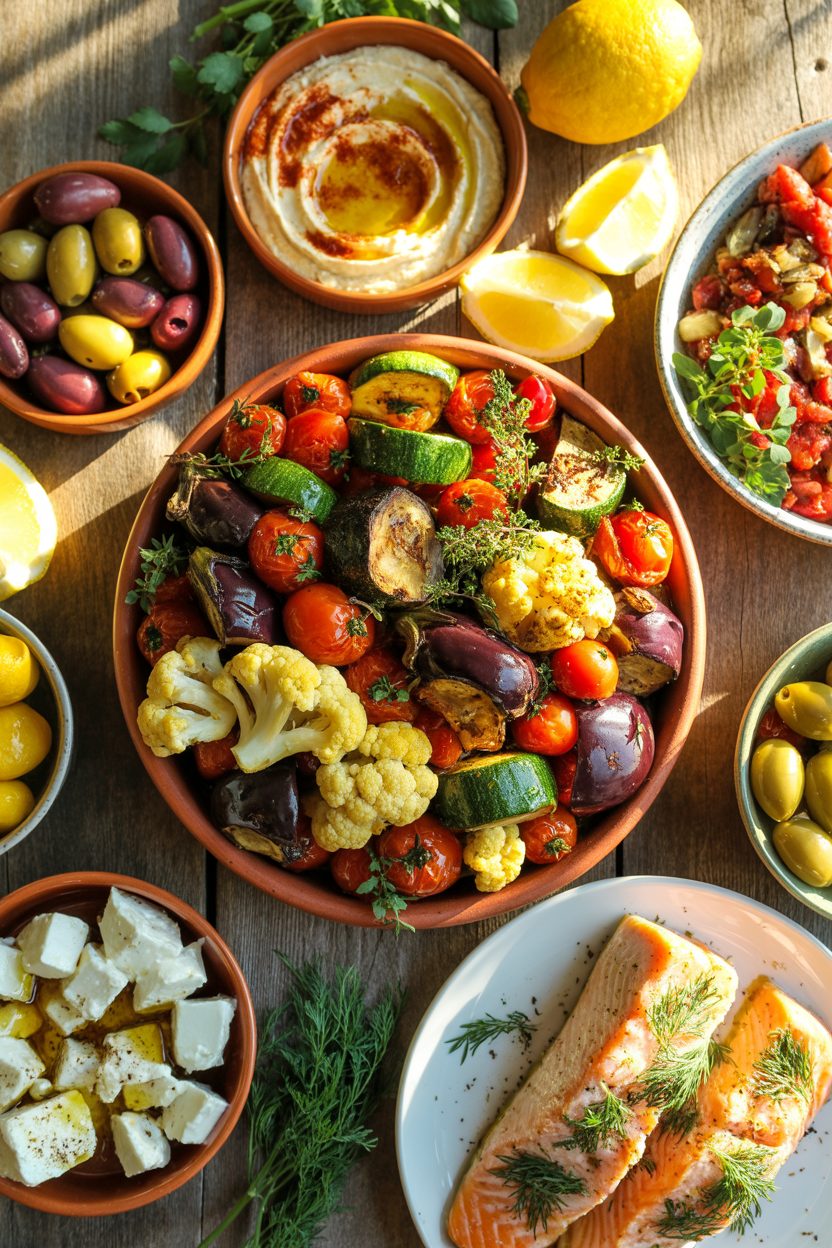
7-Day Mediterranean Anti-Inflammatory Meal Plan
Inflammation gets blamed for everything these days, but honestly? When you’re dealing with constant joint pain, brain fog, or just feeling generally crappy, addressing inflammation through food actually makes a difference. I’ve been eating this way for a while now, and the change is noticeable—not in some magical overnight way, but in that subtle “hey, my knees don’t hurt when I walk upstairs” kind of way.
The Mediterranean diet is basically the poster child for anti-inflammatory eating. It’s loaded with omega-3s, antioxidants, and healthy fats while ditching the processed garbage that tends to make inflammation worse. Best part? The food actually tastes good. No sad chicken breast and steamed broccoli here.
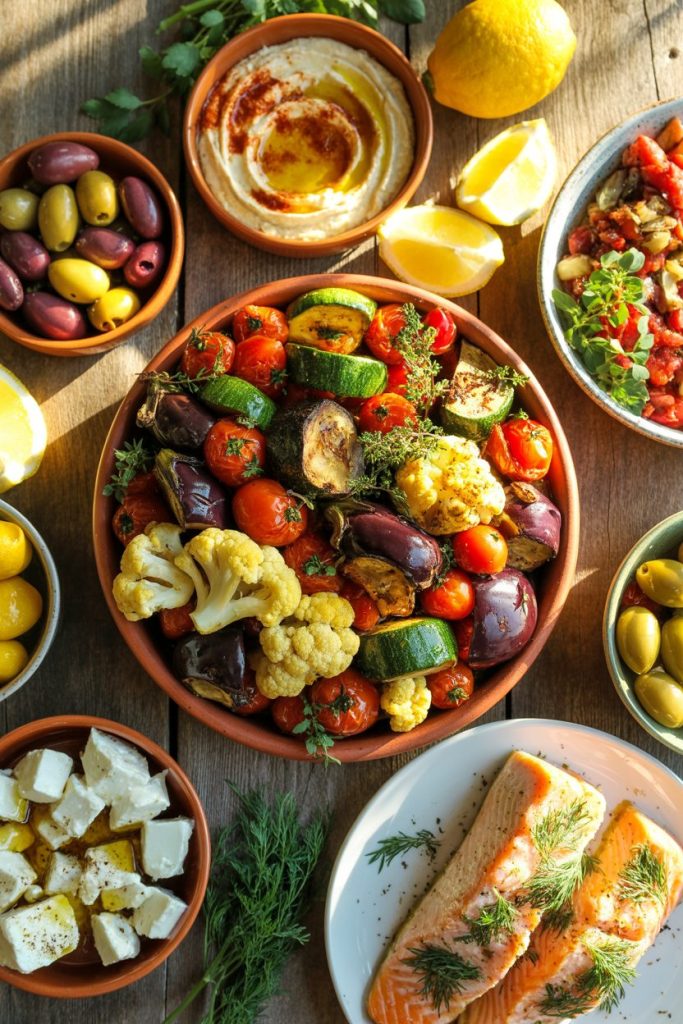
Why Anti-Inflammatory Eating Actually Matters
Chronic inflammation is linked to pretty much every health issue you can think of—heart disease, diabetes, arthritis, even depression. Your body’s inflammatory response is supposed to be temporary, like when you cut your finger or catch a cold. But when it’s constantly triggered by stress, poor sleep, and crappy food choices, things go sideways.
The Mediterranean diet tackles this from multiple angles. Olive oil contains oleocanthal, which works similarly to ibuprofen in reducing inflammation. Fatty fish deliver omega-3s that actively combat inflammatory processes. Colorful fruits and vegetables pack antioxidants that neutralize the free radicals causing cellular damage.
According to research on anti-inflammatory diets, people who follow Mediterranean eating patterns consistently show lower levels of inflammatory markers in their blood. Plus, they tend to have better overall health outcomes and live longer. Not too shabby for food that actually tastes good.
The Core Principles
Before we get into the meal plan, here’s what makes this anti-inflammatory:
Lots of omega-3 fatty acids from fish, walnuts, flaxseeds, and chia seeds. These actively reduce inflammation at the cellular level.
Tons of colorful produce packed with antioxidants and polyphenols. Think berries, leafy greens, tomatoes, peppers, and cruciferous vegetables.
Healthy fats from olive oil, nuts, and avocados instead of inflammatory seed oils and trans fats. I use this high-quality olive oil for pretty much everything—it’s worth the investment.
Minimal processed foods and refined sugars because those are inflammation triggers. Sorry, but your daily soda habit isn’t doing you any favors.
Herbs and spices like turmeric, ginger, garlic, and cinnamon that have powerful anti-inflammatory compounds.
Day 1: Starting Strong
Breakfast: Greek Yogurt Bowl with Berries and Walnuts
This Greek yogurt bowl with berries honey is simple but hits all the right notes. Greek yogurt provides protein and probiotics for gut health, which is crucial for managing inflammation. Berries are loaded with anthocyanins that fight oxidative stress. Walnuts bring omega-3s. Get Full Recipe.
Top it with a drizzle of honey and maybe some chia seeds if you’re feeling extra. I prep these in small mason jars so breakfast is grab-and-go.
Lunch: Mediterranean Grain Bowl
A proper grain bowl with quinoa, roasted vegetables, chickpeas, and tahini dressing. This Mediterranean grain bowl covers your bases—fiber, plant protein, healthy fats, and a rainbow of anti-inflammatory vegetables.
The tahini dressing is where it’s at. Sesame seeds have sesamol and sesamin, both anti-inflammatory compounds. Plus it tastes way better than boring vinaigrette.
Dinner: Grilled Salmon with Tomato Caper Relish
Salmon is the MVP of anti-inflammatory foods. Two servings of fatty fish per week significantly reduces inflammatory markers. This grilled salmon with tomato caper relish is flavorful and ridiculously easy.
Serve it with roasted asparagus and quinoa. The combination of omega-3s from the salmon, lycopene from the tomatoes, and quercetin from the capers creates this anti-inflammatory powerhouse meal.
Snack: Hummus and Veggie Sticks
Carrots, bell peppers, cucumber, and a generous serving of hummus. Simple, crunchy, satisfying. Chickpeas provide fiber and plant protein while the tahini in hummus adds healthy fats.
Day 2: Keep the Momentum
Breakfast: Avocado Toast Mediterranean Style
This isn’t basic millennial avocado toast. This avocado toast Mediterranean style includes tomatoes, olive oil, za’atar, and a poached egg on top. The healthy fats from avocado help you absorb the fat-soluble vitamins from the vegetables.
Whole grain bread provides fiber and keeps you full longer. I use this bread knife to get perfect slices every time without smooshing the loaf.
Lunch: Lentil Spinach Soup
Lentils are packed with fiber and plant-based protein. This lentil spinach soup is hearty, filling, and loaded with iron and folate. Spinach adds even more anti-inflammatory compounds and barely wilts into the soup at the end. Get Full Recipe.
Make a big batch on Sunday and you’ve got lunch sorted for half the week.
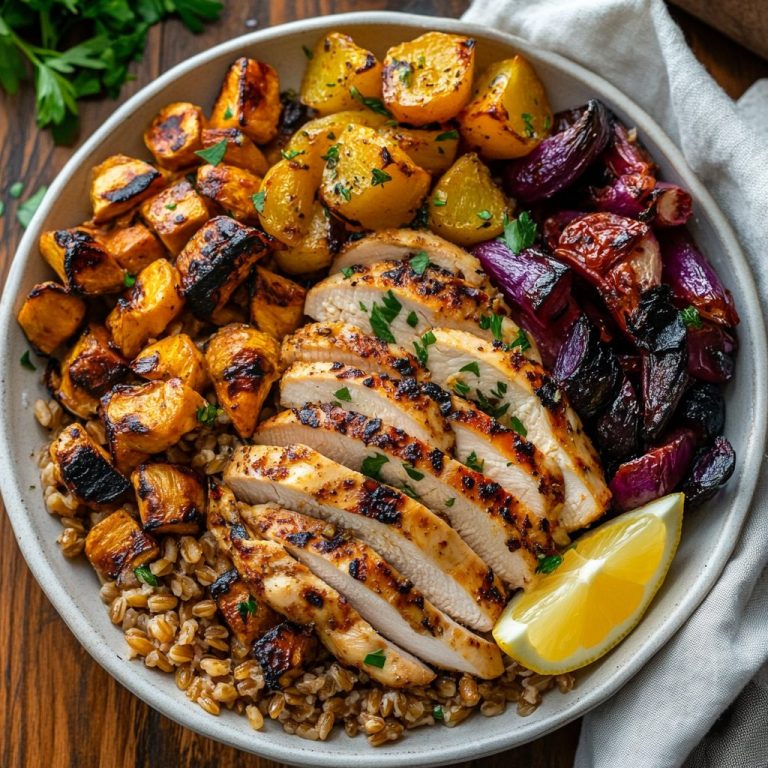
Dinner: Lemon Herb Chicken with Roasted Potatoes
Sometimes you just want chicken and potatoes, you know? This lemon herb chicken with roasted potatoes delivers comfort food that happens to be anti-inflammatory. Fresh herbs like rosemary and thyme contain carnosic acid and rosmarinic acid—both powerful inflammation fighters.
The lemon adds vitamin C and brightens everything up. Roast some broccoli alongside the potatoes for extra points.
For more Mediterranean dinner inspiration, check out these 25 Mediterranean diet dinners or these 10 easy one-pan Mediterranean dinner recipes.
Snack: Handful of Mixed Nuts
Almonds, walnuts, pistachios—whatever you’ve got. Nuts provide healthy fats, vitamin E, and magnesium. Just watch your portions because they’re calorie-dense. A small handful is plenty.
Day 3: Finding Your Rhythm
Breakfast: Mediterranean Smoothie Bowl
This Mediterranean smoothie bowl is basically a smoothie you eat with a spoon, topped with all sorts of good stuff. Blend spinach, banana, berries, Greek yogurt, and a tablespoon of ground flaxseed. Top with granola, more berries, and sliced almonds.
The flaxseeds provide omega-3s and lignans that help reduce inflammation. Plus they add this nice nutty flavor without being overpowering.
Lunch: Mediterranean Chickpea Wrap
This Mediterranean chickpea wrap is portable, filling, and doesn’t need reheating. Mashed chickpeas mixed with tahini, lemon juice, and spices, stuffed into a whole wheat wrap with cucumber, tomatoes, and greens.
It’s basically a deconstructed hummus sandwich, and it works surprisingly well. The whole wheat wrap provides fiber and B vitamins.
Dinner: Baked Cod with Tomato Olive Tapenade
White fish is leaner than salmon but still provides quality protein and some omega-3s. This baked cod with tomato olive tapenade is light but flavorful. Olives contain oleic acid and hydroxytyrosol—both anti-inflammatory compounds.
Serve it over a bed of sautéed spinach or alongside roasted Brussels sprouts. The combination is chef’s kiss.
Snack: Fresh Fruit with a Handful of Walnuts
Whatever fruit is in season—berries, apple slices, orange segments. Pair it with some walnuts for healthy fats. The combination of fiber and fat keeps blood sugar stable and prevents that mid-afternoon crash.
Day 4: Halfway There
Breakfast: Savory Mediterranean Scramble
This savory Mediterranean scramble includes eggs, spinach, tomatoes, feta, and olives. Eggs provide choline and antioxidants like lutein and zeaxanthin. The vegetables add volume and nutrients without many calories.
Cook it in olive oil and serve with whole grain toast. It’s a complete breakfast that actually keeps you satisfied until lunch.
Lunch: Quinoa Tabbouleh with Hummus and Pita
Traditional tabbouleh is mostly parsley with a little bulgur. This version uses quinoa for extra protein. This quinoa tabbouleh with hummus pita is fresh, herbaceous, and perfect for meal prep.
Parsley is criminally underrated. It’s loaded with vitamin K, vitamin C, and apigenin—a flavonoid with anti-inflammatory properties.
Dinner: Stuffed Bell Peppers with Quinoa and Veggies
These stuffed bell peppers with quinoa veggies are colorful, satisfying, and freeze beautifully. Bell peppers provide vitamin C and carotenoids. Quinoa brings complete protein and fiber.
I use this large baking dish for stuffed peppers—they fit perfectly without crowding, and cleanup is easy.
Snack: Cucumber Slices with Whipped Feta
This whipped feta dip with honey thyme is ridiculously good with fresh cucumber slices. The combination of creamy, tangy, slightly sweet, and crunchy hits all the right notes.
Looking for more snack ideas? Try these 21 Mediterranean snacks that aren’t just hummus or these 12 Mediterranean diet snacks.
Day 5: Pushing Through
Breakfast: Oatmeal with Dried Figs, Walnuts, and Cinnamon
This oatmeal with dried figs walnuts cinnamon is warm, comforting, and perfect for cooler mornings. Oats contain beta-glucan, a type of soluble fiber that reduces inflammation. Cinnamon helps regulate blood sugar and has anti-inflammatory properties.
Figs add natural sweetness and provide potassium and fiber. They’re also weirdly underrated compared to other dried fruits.
Lunch: Greek Salad (But Like Actually Good)
Most Greek salads are sad and boring. This Greek salad but like actually good has all the classics—tomatoes, cucumber, olives, feta, red onion—but with the right ratios and a proper dressing. Get Full Recipe.
The key is using really good olive oil and not skimping on the oregano. Fresh oregano if you can get it, but dried works too.
Dinner: One-Pot Mediterranean Pasta
When you need something easy and don’t want a sink full of dishes, this one-pot Mediterranean pasta saves the day. Whole wheat pasta, cherry tomatoes, spinach, garlic, and white beans all cook together in one pot.
It’s ready in 20 minutes and creates this starchy, flavorful sauce as everything cooks. Add some crumbled feta on top and you’re done.
Snack: Roasted Chickpeas
These cinnamon roasted chickpeas are crunchy, satisfying, and way better than chips. Chickpeas provide plant protein and fiber. Roasting them with olive oil and spices creates this addictive snack that’s actually good for you.
I make a big batch and keep them in an airtight container. They stay crispy for about 3 days.
Day 6: Almost Done
Breakfast: Chia Pudding with Almond Milk and Fresh Fruit
This chia pudding with almond milk fresh fruit is prep-ahead breakfast at its finest. Chia seeds provide omega-3 ALA, fiber, and protein. They absorb liquid and create this tapioca-like texture that’s surprisingly satisfying.
Top with whatever fruit you have and maybe some sliced almonds. I prep these in small jars and grab one on my way out the door.
Lunch: Falafel Wrap with Tzatziki
This falafel wrap with tzatziki is filling, flavorful, and doesn’t feel like diet food at all. Falafel provides plant protein from chickpeas and is loaded with herbs like parsley and cilantro.
The tzatziki adds probiotics from the yogurt, and cucumber provides hydration and vitamin K. Wrap it all in a whole wheat pita with some tomatoes and lettuce.
Dinner: Grilled Portobello Mushroom Steaks
For a meatless dinner, these grilled portobello mushroom steaks are meaty, savory, and surprisingly filling. Mushrooms contain ergothioneine, an amino acid with powerful antioxidant properties.
Marinate them in balsamic vinegar, garlic, and herbs, then grill or roast until tender. Serve with roasted sweet potatoes and a big salad.
Snack: Apple Slices with Almond Butter
Classic for a reason. Apples provide quercetin, a flavonoid that reduces inflammation. Almond butter adds healthy fats and vitamin E. The combination keeps you full and prevents blood sugar spikes.
Day 7: Finish Strong
Breakfast: Whole Grain Toast with Nut Butter and Sliced Fruit
This whole grain toast with nut butter sliced fruit is simple but effective. Whole grains provide fiber and B vitamins. Nut butter adds protein and healthy fats. Fresh fruit brings antioxidants and natural sweetness.
I rotate between almond butter, cashew butter, and tahini to keep things interesting. Each one has a slightly different flavor profile and nutrient composition.
Lunch: Mediterranean Lentil Salad
This Mediterranean lentil salad is perfect for meal prep. Lentils, cherry tomatoes, cucumber, red onion, parsley, and a lemon-olive oil dressing. It keeps well in the fridge and actually tastes better the next day as the flavors meld.
Lentils provide resistant starch that feeds beneficial gut bacteria, which plays a huge role in managing inflammation.
Dinner: Shrimp Saganaki (Spicy Tomato Feta)
This shrimp saganaki spicy tomato feta is a Greek taverna classic. Shrimp provides lean protein and selenium. The tomato sauce delivers lycopene, and the feta adds calcium and tang.
It comes together in about 20 minutes and feels way fancier than the effort required. Serve with crusty bread to soak up the sauce or over quinoa if you want something more substantial.
Snack: Olives and Marcona Almonds
Simple, salty, satisfying. Olives provide healthy fats and polyphenols. Marcona almonds are buttery and delicious. Together they make the perfect end-of-day snack that won’t mess with your sleep.
For more Mediterranean recipe ideas, check out this 21-day Mediterranean diet plan or this 30-day Mediterranean diet challenge.
Shopping List Essentials
Proteins: Wild-caught salmon, cod, shrimp, chicken breast, eggs, Greek yogurt, chickpeas, lentils
Produce: Spinach, tomatoes, cucumbers, bell peppers, berries, avocados, lemons, garlic, onions, fresh herbs
Pantry: Olive oil, quinoa, whole wheat pasta, oats, chia seeds, flaxseeds, tahini, canned tomatoes, olives
Nuts and Seeds: Walnuts, almonds, pistachios, nut butter
Dairy: Feta cheese, Greek yogurt
Spices: Turmeric, ginger, cinnamon, oregano, cumin, paprika
I use these glass storage containers for meal prep—they’re microwave-safe, don’t stain, and stack perfectly in the fridge.
Tips for Success
Meal prep on Sunday. Cook grains, chop vegetables, make dressings, and portion out snacks. It makes weekday cooking infinitely easier.
Keep it simple. You don’t need fancy ingredients or complicated recipes. Good olive oil, fresh vegetables, and simple seasonings create amazing food.
Stay consistent. Anti-inflammatory eating isn’t a quick fix. You’ll notice the benefits after a few weeks of consistent eating, not after one perfect day.
Adjust as needed. If you hate fish, focus on plant-based omega-3s from walnuts, flaxseeds, and chia seeds. If you’re sensitive to nightshades, swap out tomatoes and peppers for other colorful vegetables.
Don’t stress about perfection. One meal that doesn’t fit the plan isn’t going to undo everything. Just get back on track with the next meal.
Related Recipes You’ll Love
If you’re ready to explore more anti-inflammatory and Mediterranean-inspired meals, here are some recipes that fit perfectly with this eating style:
More Mediterranean Meals:
- 10 Mediterranean Diet Dinner Recipes to Try This Week
- 15 Mediterranean Lunches to Pack, Prep & Enjoy All Week
Breakfast Options:
- 10 Mediterranean Diet Breakfasts That Are Light & Satisfying
- 25 High-Protein Breakfast Ideas to Keep You Full All Morning
Complete Meal Plans:
The Bottom Line
Anti-inflammatory eating doesn’t have to be complicated or boring. The Mediterranean approach gives you a framework that’s flexible, delicious, and backed by actual science. You’re not eliminating entire food groups or counting every calorie—you’re just prioritizing foods that make you feel better.
After a week of eating this way, pay attention to how you feel. Better energy? Less joint pain? Clearer thinking? That’s the anti-inflammatory effect in action. Keep going, and those benefits compound over time.
So stock your kitchen with the basics, prep what you can in advance, and give this meal plan a shot. Your body will thank you for it.