21 High-Protein Low-Calorie Snacks Under 200 Calories
You know that 3 PM slump when your brain shuts down and you’d sell your soul for literally anything edible? Yeah, that’s when most people grab a bag of chips or demolish a candy bar. Then you’re hungry again in 20 minutes and wondering why you feel like garbage.
High-protein snacks fix that problem. They keep you full, stabilize your blood sugar, and don’t blow your calorie budget. I’m talking real food that actually tastes good—not sad rice cakes or those protein bars that taste like flavored chalk.
Here are 21 snacks that pack serious protein without wrecking your day. Each one clocks in under 200 calories, and none of them require a culinary degree to make.
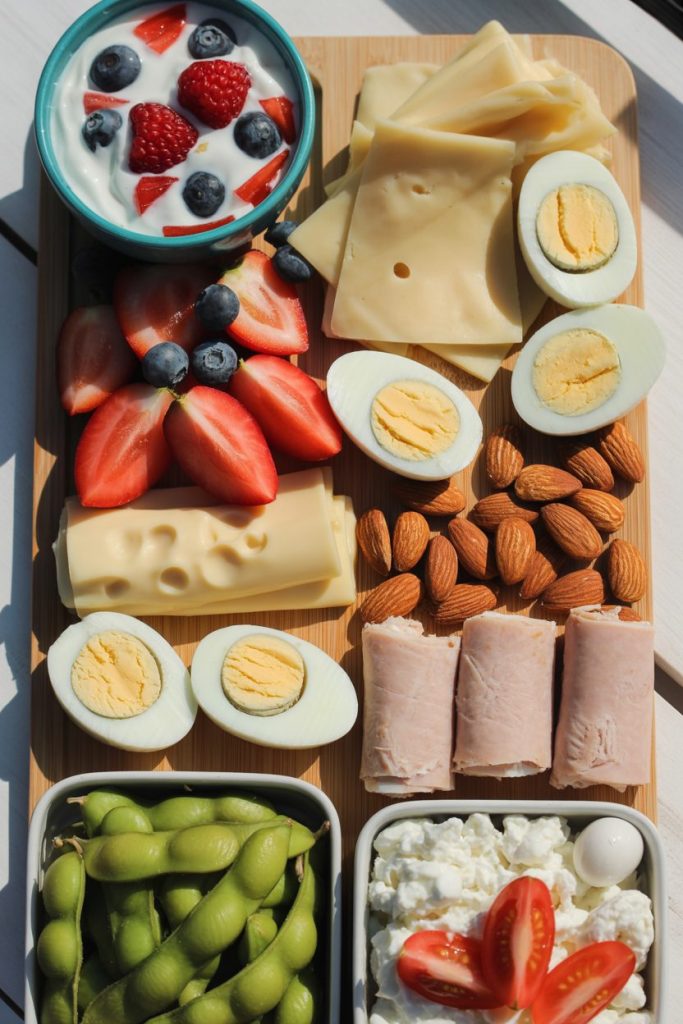
Why Protein Matters for Snacking
Protein does three things that make it snacking gold: it keeps you full longer than carbs alone, it helps maintain muscle mass, and it requires more energy to digest (which means you burn slightly more calories processing it).
When you eat a snack that’s mostly carbs—crackers, pretzels, fruit by itself—your blood sugar spikes and then crashes. You end up hungrier than before. Add protein to that equation and everything stabilizes. Your energy stays consistent, and you’re not raiding the pantry an hour later.
The magic number: Aim for at least 10-15 grams of protein per snack. That’s the amount research suggests actually impacts satiety. Less than that and you’re basically just eating for entertainment.
According to Healthline, adequate protein intake supports everything from bone health to immune function. But for snacking purposes, we care most about that fullness factor and the way protein helps prevent the energy crashes that make you want to nap under your desk.
The Quick-Grab Protein Snacks
1. Greek Yogurt with Berries
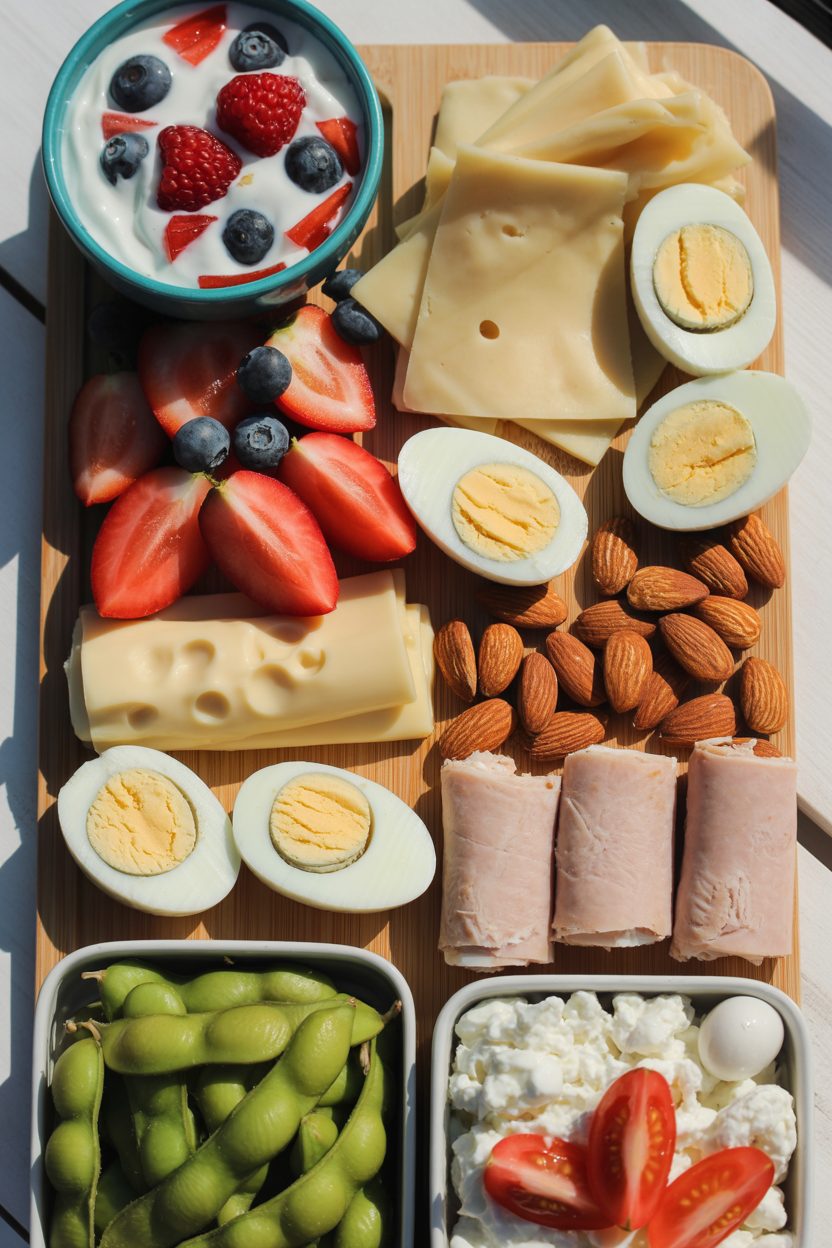
Plain Greek yogurt packs 15-20 grams of protein per serving. Add a handful of berries for fiber and antioxidants, maybe a drizzle of honey if you need sweetness. Done in 30 seconds.
Calories: 150-180
Protein: 15-20g
Skip the flavored versions loaded with sugar. Plain Greek yogurt tastes better once you get used to it anyway. If you want a more substantial version, check out this Greek yogurt bowl with berries and honey that turns it into more of a mini meal.
2. Hard-Boiled Eggs
Two hard-boiled eggs give you 12 grams of protein for about 140 calories. Eggs contain all nine essential amino acids, making them a complete protein source. They’re also loaded with choline, which supports brain function.
Calories: 140
Protein: 12g
Boil a dozen on Sunday and you’ve got grab-and-go snacks all week. Sprinkle with salt, pepper, or everything bagel seasoning. I keep these small egg containers in my fridge so they don’t get that weird sulfur smell situation going on.
3. String Cheese or Cheese Cubes
One serving of string cheese or a few cheese cubes delivers 6-7 grams of protein. Pair with some whole grain crackers or apple slices and you’ve got a balanced snack that hits the spot.
Calories: 80-100 (cheese only)
Protein: 6-7g
Cheese as a snack gets underrated. It’s portable, doesn’t require refrigeration for a few hours, and satisfies that savory craving.
4. Turkey Roll-Ups
Take three slices of deli turkey, smear with a little mustard or hummus, roll them up. Boom—instant snack with 12+ grams of protein.
Calories: 100-120
Protein: 12-15g
You can fancy these up with cheese, pickles, or lettuce if you want. Or just eat them plain like a normal person in a hurry. These turkey roll-ups take it up a notch with different fillings.
5. Cottage Cheese with Tomatoes
Half a cup of cottage cheese provides 12-14 grams of protein. Top with cherry tomatoes, a drizzle of olive oil, and some black pepper for a savory snack that feels more like a mini meal.
Calories: 120-150
Protein: 12-14g
Cottage cheese used to have this weird reputation, but it’s having a moment now. The protein-to-calorie ratio can’t be beaten. Try this savory cottage cheese bowl with veggies for more inspiration.
6. Edamame
One cup of edamame (still in the pods) gives you 17 grams of plant-based protein. Steam them, sprinkle with sea salt, and you’ve got a snack that actually takes time to eat, which helps with portion control.
Calories: 190
Protein: 17g
The act of popping each bean out of the pod slows you down. You can’t mindlessly demolish them like you would chips. Plus, edamame contains fiber and beneficial compounds called isoflavones.
The Slightly More Effort Snacks
7. Tuna Salad in Lettuce Cups
Mix a can of tuna with a little Greek yogurt or avocado instead of mayo. Spoon into romaine lettuce leaves. Crunchy, refreshing, and packed with 20+ grams of protein.
Calories: 150-180
Protein: 20-25g
This tuna white bean salad in lettuce cups adds white beans for extra fiber and substance. The combination keeps you full for hours.
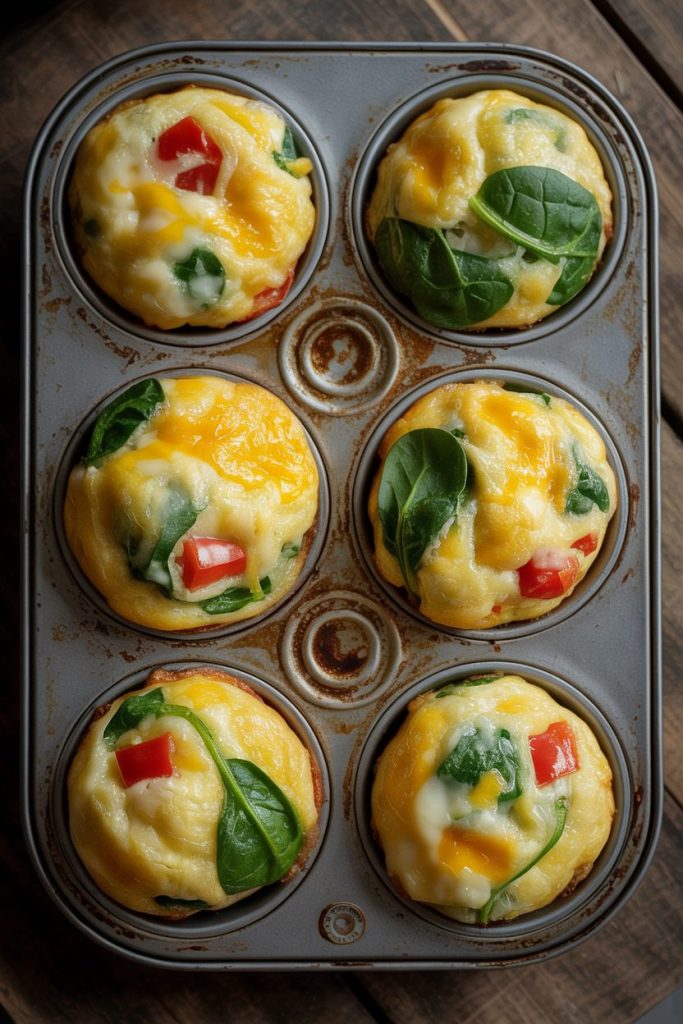
8. Egg Muffins
Whisk eggs with vegetables, pour into a muffin tin, bake. You get portable protein bombs that reheat perfectly. Two muffins typically contain 12-14 grams of protein.
Calories: 140-180 (for two)
Protein: 12-14g
Make a batch on Sunday for the entire week. These mini egg muffins work for breakfast or snacking. You can customize them with whatever vegetables and cheese you have lying around.
9. Protein-Packed Smoothie
Blend protein powder, frozen berries, spinach, and unsweetened almond milk. You get 20+ grams of protein in a drinkable form that doesn’t feel heavy.
Calories: 150-200
Protein: 20-25g
The key is using actual protein powder, not just blending fruit and calling it high-protein. This protein-packed smoothie nails the ratio without tasting like a gym sock.
10. Smoked Salmon on Cucumber Slices
Top cucumber rounds with cream cheese and smoked salmon. Fancy enough to serve guests, easy enough for Tuesday afternoon. About 3-4 pieces give you 10 grams of protein.
Calories: 120-150
Protein: 10-12g
Salmon provides omega-3 fatty acids along with protein, supporting heart and brain health. The cucumber adds crunch and hydration without calories. It’s basically a deconstructed bagel and lox minus the carb bomb.
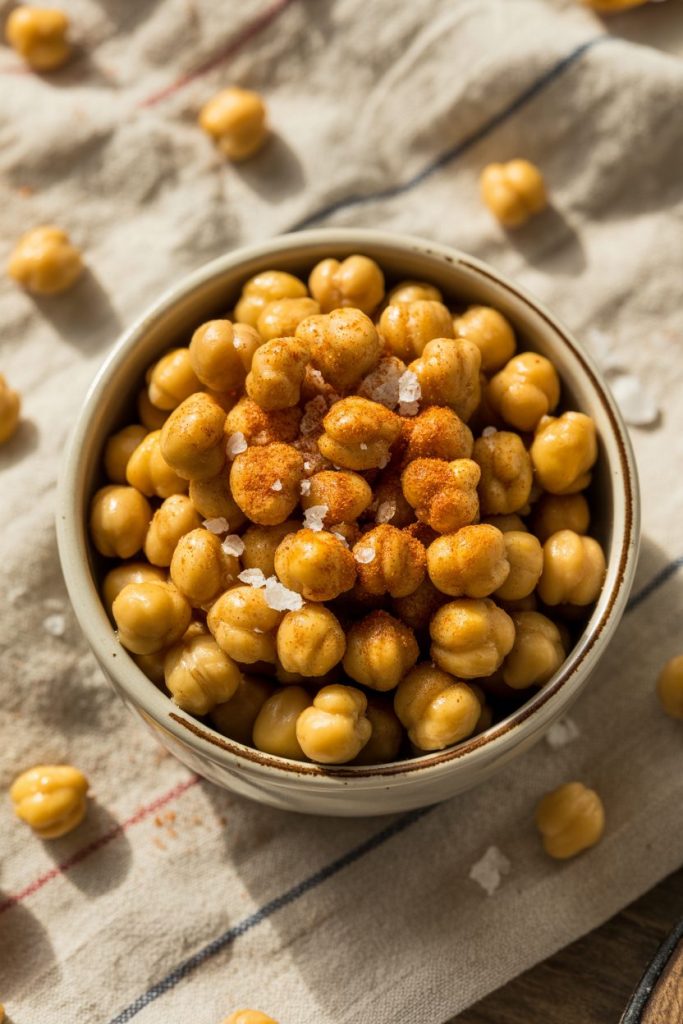
11. Roasted Chickpeas
Drain, rinse, and roast chickpeas with olive oil and spices until crispy. A half-cup serving delivers 7-8 grams of protein plus fiber that keeps you satisfied.
Calories: 140-160
Protein: 7-8g
These cinnamon roasted chickpeas offer a sweet version, or you can go savory with garlic and paprika. Way better than chips and actually good for you.
The Sweet Protein Snacks
12. Greek Yogurt Parfait
Layer Greek yogurt with a small amount of granola and fresh fruit. The yogurt brings protein, the granola adds crunch, and the fruit provides natural sweetness and fiber.
Calories: 180-200
Protein: 15-18g
This Greek yogurt parfait shows you how to build one that looks impressive but takes three minutes. IMO, parfaits are underrated as snacks—people think they’re only for breakfast.
13. Peanut Butter with Apple Slices
One tablespoon of peanut butter plus a medium apple gives you 4 grams of protein from the peanut butter, plus fiber from the apple. The combination of protein, fat, and fiber keeps blood sugar stable.
Calories: 190
Protein: 4-5g
Peanut butter vs almond butter is a constant debate. Peanut butter has slightly more protein, almond butter has more vitamin E. Both work fine. Just measure that tablespoon—it’s easy to accidentally eat three times the amount.
14. Protein Overnight Oats
Mix oats with protein powder, Greek yogurt, and milk. Let it sit overnight. In the morning, you’ve got a ready-to-eat snack with 15-20 grams of protein.
Calories: 180-200
Protein: 15-20g
These mocha protein overnight oats combine coffee flavor with protein for a snack that pulls double duty. You can also try peanut butter banana versions if chocolate isn’t your thing.
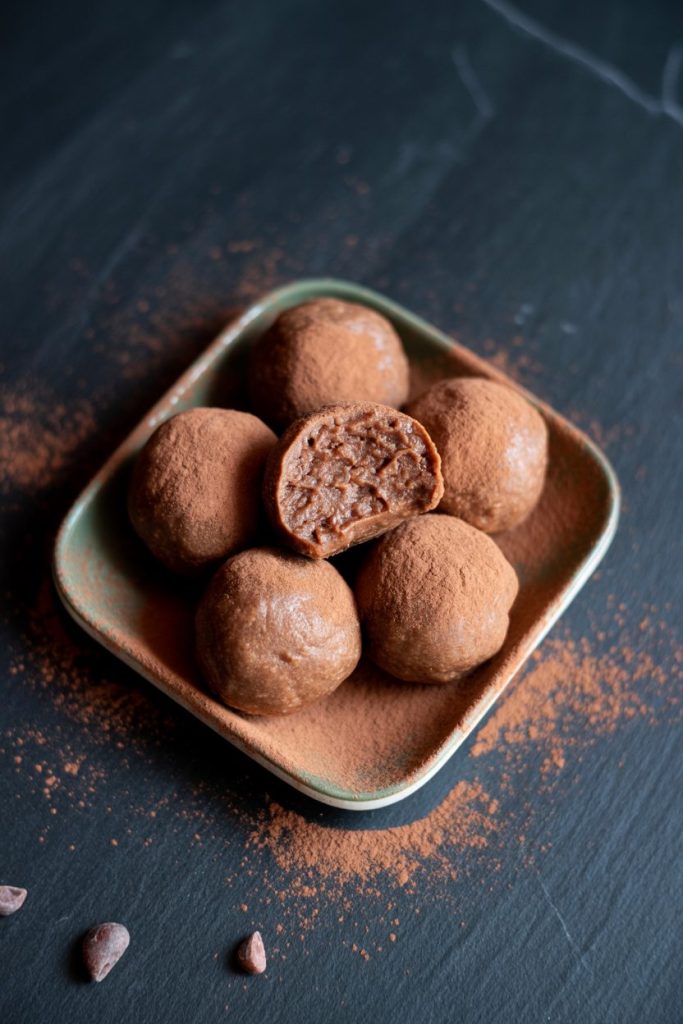
15. Chocolate Protein Balls
Blend dates, protein powder, cocoa powder, and a little nut butter. Roll into balls. Two pieces give you 8-10 grams of protein and taste like dessert.
Calories: 120-150 (for two)
Protein: 8-10g
These require a food processor but take 10 minutes to make a week’s worth. Store in the fridge and grab when you need something sweet that won’t tank your blood sugar.
The Savory Satisfying Snacks
16. Hummus with Veggie Sticks
Three tablespoons of hummus with raw vegetables provides 5-6 grams of plant-based protein plus fiber from both the chickpeas and the veggies.
Calories: 120-150
Protein: 5-6g
The protein might seem lower than other options, but the fiber content makes this incredibly filling. Use this hummus with veggie sticks as a template and switch up the vegetables based on what’s fresh.
17. Mini Bell Pepper Pizzas
Slice mini bell peppers in half, fill with marinara sauce and a sprinkle of mozzarella. Broil for 3-4 minutes. Four halves give you about 8 grams of protein.
Calories: 100-130
Protein: 8-10g
These satisfy pizza cravings without the calorie overload. The bell peppers provide vitamin C and antioxidants. You could use this small toaster oven to broil them perfectly without heating up your whole kitchen.
18. Jerky (but Not the Gas Station Kind)
Quality jerky made from grass-fed beef or turkey provides 10-12 grams of protein per ounce. Look for brands without tons of added sugar or weird preservatives.
Calories: 70-100
Protein: 10-12g
Good jerky makes a difference. It should list meat as the first ingredient and not include high fructose corn syrup. Yes, it’s more expensive. It’s also actually nutritious.
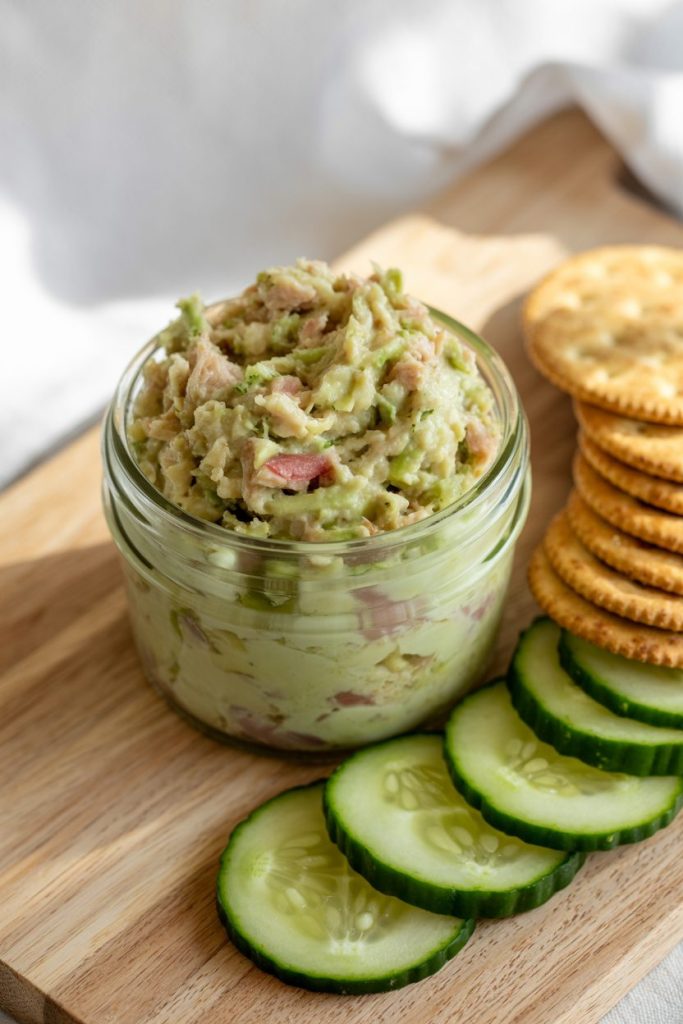
19. Tuna Avocado Packets
Mix canned tuna with mashed avocado and a squeeze of lemon. Eat with whole grain crackers or cucumber slices. One serving delivers 15 grams of protein plus healthy fats.
Calories: 150-180
Protein: 15-18g
These tuna avocado packets work great for desk snacks or post-workout fuel. The avocado replaces mayo with better fats and a creamier texture.
The Almost-a-Meal Snacks
20. Black Bean Lettuce Wraps
Mash seasoned black beans, wrap in lettuce leaves with salsa and a little cheese. Three wraps provide 12-15 grams of protein plus serious fiber.
Calories: 180-200
Protein: 12-15g
These spicy black bean lettuce wraps add enough spice to make things interesting. Black beans offer complete plant-based protein when combined with small amounts of grain or seeds.
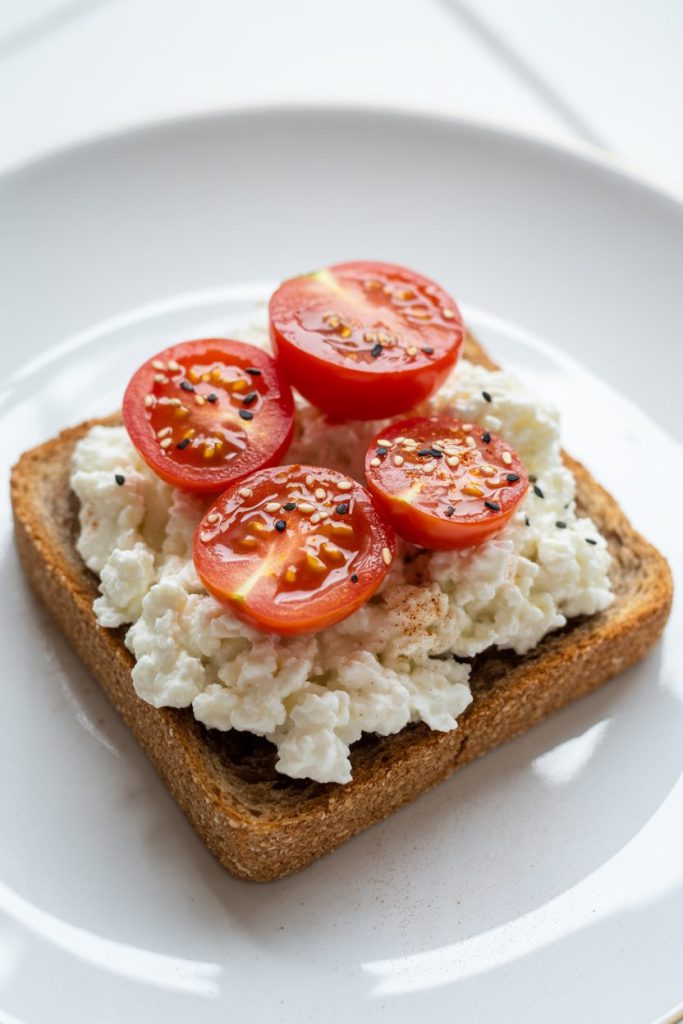
21. Mini Cottage Cheese Toast
Spread cottage cheese on a small piece of whole grain toast, top with cherry tomatoes and everything bagel seasoning. One piece gives you 12 grams of protein.
Calories: 160-180
Protein: 12-14g
This mini cottage cheese toast with tomatoes basically tastes like a miniature meal. The cottage cheese brings serious protein, while the whole grain toast adds complex carbs for sustained energy.
Building Your Protein Snack Strategy
The best protein snack is the one you’ll actually eat. Some people love hard-boiled eggs, others think they taste like Satan’s breakfast. Figure out what works for your taste buds and your schedule.
Prep matters: Spend 20 minutes on Sunday prepping your protein snacks for the week. Boil eggs, portion out nuts, make those egg muffins, cut up vegetables. Future you will appreciate not having to think when hunger strikes.
Variety prevents boredom: Don’t eat Greek yogurt every single day for three months and then wonder why you hate it. Rotate through different options to keep things interesting.
Timing counts: Eat protein snacks between meals—mid-morning or mid-afternoon when energy typically dips. Don’t wait until you’re ravenously hungry and likely to make questionable food decisions.
The Nutrition Science Nobody Talks About
Protein quality matters alongside quantity. Complete proteins contain all nine essential amino acids your body can’t produce. Animal sources (eggs, meat, dairy) are complete proteins. Most plant sources need combining to become complete.
That doesn’t mean you can’t get adequate protein from plants—you absolutely can. Just pair things strategically: beans with whole grains, hummus with whole wheat pita, peanut butter with whole grain bread. The combinations create complete protein profiles.
Leucine specifically triggers muscle protein synthesis. Dairy products, meat, and soy contain high amounts. This matters if you’re active or trying to maintain muscle mass while losing weight. According to research published by the Mayo Clinic, distributing protein intake throughout the day optimizes muscle maintenance better than eating it all at once.
Fiber teams up with protein to maximize satiety. That’s why Greek yogurt with berries beats Greek yogurt alone, and why hummus with vegetables keeps you fuller than cheese by itself. The combination slows digestion and stabilizes blood sugar more effectively than either nutrient alone.
Common Protein Snacking Mistakes
Mistake 1: Not measuring portions
Nuts pack serious protein but also serious calories. A handful should actually mean a small handful, not a cereal bowl full. Measure once so you know what a proper portion looks like.
Mistake 2: Ignoring food quality
Not all protein sources offer equal nutrition. Processed deli meat loaded with sodium and nitrates doesn’t compare to quality grass-fed jerky. Gas station beef sticks aren’t the same as homemade egg muffins. Choose quality when possible.
Mistake 3: Skipping produce
Protein alone doesn’t provide complete nutrition. Pair it with fruits or vegetables for vitamins, minerals, and fiber. That’s why cucumber with salmon beats salmon alone, and why apple slices with peanut butter trumps peanut butter from a spoon (though let’s be real, we’ve all done the spoon thing).
Mistake 4: Relying on protein bars
Most protein bars are glorified candy bars with some protein powder thrown in. They contain tons of added sugars, weird ingredients, and often taste like cardboard. Real food beats processed bars almost every time.
Making It Work for Your Life
Different schedules require different strategies. If you work from home, keeping snacks in the fridge works fine. If you commute or travel, you need portable options that don’t require refrigeration.
Desk job snacks: Hard-boiled eggs (if your coworkers don’t mind), string cheese, nuts, jerky, protein bars from decent brands. Keep a stash in your drawer.
Active job snacks: You need quick energy plus protein. Greek yogurt, trail mix with nuts and dried fruit, peanut butter crackers, turkey roll-ups. Things you can eat in five minutes.
Post-workout: Protein within an hour helps recovery. Smoothies, chocolate milk, Greek yogurt, or a quick egg scramble all work. The window for optimal protein synthesis is real—take advantage of it.
Budget-conscious: Eggs remain the cheapest complete protein available. Canned tuna runs a close second. Greek yogurt costs less than fancy protein bars. Dried beans and lentils beat meat prices by miles and provide excellent protein when properly prepared.
Your Snack Prep Checklist
Stock your kitchen with these basics and you’ll always have high-protein options ready:
- Plain Greek yogurt
- Eggs (so many eggs)
- Quality deli meat (turkey, chicken, roast beef)
- String cheese or cheese cubes
- Canned tuna or salmon
- Raw almonds or mixed nuts
- Hummus (homemade or store-bought)
- Cottage cheese
- Frozen edamame
- Protein powder you actually like the taste of
With these ingredients, you can assemble dozens of different protein snacks without thinking too hard. Mix and match based on what sounds good that day.
The Bottom Line
High-protein snacks under 200 calories aren’t some mythical unicorn food category. They’re real options that taste good, fill you up, and don’t require a nutrition degree to figure out.
Start with three or four options from this list. Master those before trying to rotate through all 21. Once something becomes automatic, add another option. Before you know it, you’ve got a solid rotation of protein snacks that actually work for your life.
The goal isn’t perfection—it’s progress. Choose protein most of the time, but don’t lose your mind if you occasionally eat regular chips or a cookie. Food is fuel, but it’s also meant to be enjoyed. Find the balance that keeps you healthy and happy.
Now go stock your fridge with some decent snacks and stop eating disappointing vending machine garbage.