
30-Day Postpartum Recovery Meal Plan (Printable)
Bringing a baby into the world is nothing short of heroic. But let’s be real—after the confetti settles (and by confetti, I mean baby wipes and half-empty coffee cups), your body needs some serious TLC. That’s where a smart, balanced postpartum meal plan comes in.
Forget the crash diets and the “bounce back” nonsense. What your body really needs right now is nourishment, hydration, and calm stability—the kind that starts on your plate.
This 30-day postpartum recovery meal plan is designed to:
- Support healing after delivery
- Boost milk supply (if you’re breastfeeding)
- Rebuild energy and nutrient stores
- And honestly, make your days a little easier
The best part? You’ll get a free printable plan you can tape to your fridge, so even on those foggy “what day is it?” mornings, you’ll know exactly what’s on the menu.

Why Your Postpartum Diet Matters More Than You Think
When you’ve just had a baby, your body is doing triple duty—healing, producing milk, and surviving sleep deprivation that makes college finals week look like a spa vacation.
The right foods can:
- Speed up recovery from childbirth (especially if you had a C-section or perineal tear)
- Replenish iron and protein stores to fight fatigue
- Balance hormones naturally through healthy fats
- And support mental health (because yes, food affects mood)
Ever noticed how a warm bowl of soup can feel like therapy? That’s not just comfort food talking—it’s actual science. According to Healthline, nutrient-dense meals rich in vitamins B12, omega-3s, and magnesium can help lower postpartum fatigue and anxiety.
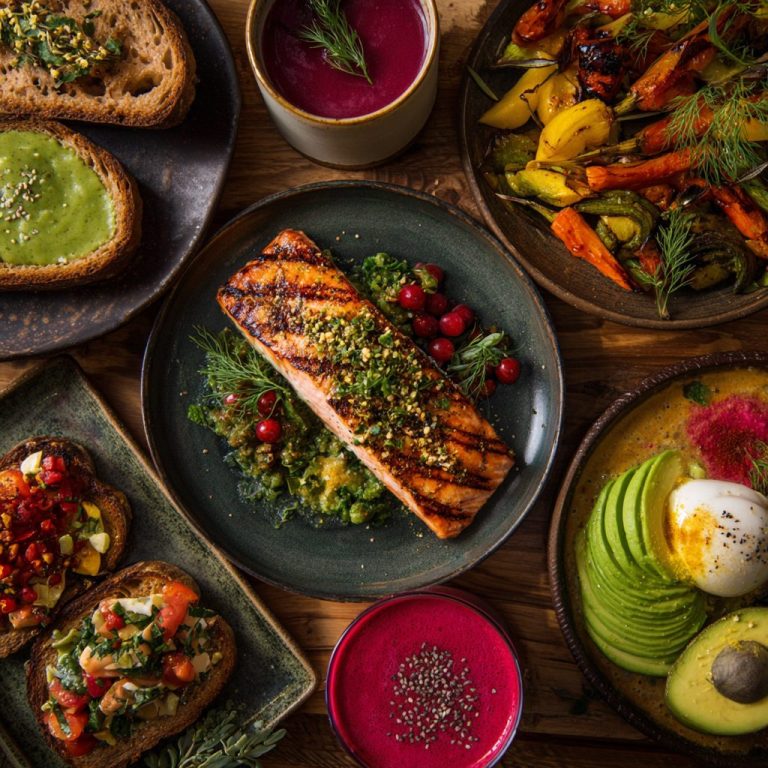
So no, you’re not “indulging” when you reach for that creamy avocado toast—you’re literally feeding your recovery.
What Makes This 30-Day Meal Plan Different
This isn’t some Pinterest-perfect diet that requires an extra pair of hands and a live-in chef. This plan is about real food, minimal prep, and maximum nourishment.
Here’s the quick lowdown:
- Calories: About 1,800–2,200 daily (flexible depending on your activity and breastfeeding needs)
- Focus: High-protein, iron-rich, fiber-filled, and easy to digest
- Structure: Three main meals + two snacks
- Prep Style: Batch-cook-friendly, freezer-safe, and grocery-list simple
And just FYI—no boring repeats here. You’ll cycle through global flavors: think soothing soups from Asia, hearty stews from Europe, and quick salads with that fresh Mediterranean flair.
(Pro tip: If you’re the kind of person who loses track of days, label your meal prep containers with sticky notes. Saves both your sanity and your spinach.)
Essential Nutrients for Postpartum Recovery
Before we dive into the daily plan, let’s break down what your body actually needs—and why.
1. Protein for Tissue Repair
Your muscles, skin, and uterus are literally rebuilding. Protein helps that process and keeps you full longer.
Good sources:
- Eggs, chicken, turkey
- Greek yogurt, cottage cheese
- Lentils, beans, tofu
(If you’re tired of eggs already, try this Savory Mediterranean Scramble — it’s easy, high-protein, and takes 10 minutes flat.)
2. Iron for Energy and Blood Replenishment
Most women lose iron during childbirth, which can trigger fatigue and dizziness. Pair iron-rich foods with vitamin C for better absorption.
Try pairing:
- Spinach + citrus
- Lean beef + bell peppers
- Lentil soup + squeeze of lemon
Or this comforting Lentil Soup with Crusty Bread—a personal favorite for “I can’t even” days.
3. Healthy Fats for Hormones and Brain Health
Your body needs omega-3s for both recovery and mood regulation.
Great picks:
- Avocados, nuts, seeds
- Salmon, sardines, olive oil
If you’re not a fish fan, you can always use a high-quality omega-3 supplement—I personally like this brand’s softgels because they don’t leave that dreaded “fish burp” (you know what I mean).
4. Complex Carbs for Steady Energy
Carbs aren’t the enemy—they’re the energy source that keeps you going through those 2 a.m. feedings.
Best options:
- Quinoa, brown rice, oats
- Sweet potatoes, whole-wheat pasta
5. Hydration (The Unsung Hero)
Water, herbal teas, and hydrating foods like cucumber, melon, and soups all help with milk production and fatigue.
(FYI, coconut water works wonders after a night of zero sleep—it’s like nature’s sports drink.)
The 30-Day Postpartum Recovery Meal Plan
Now for the fun part—your 4-week roadmap to postpartum nourishment. Each week focuses on a different recovery goal, so you’re not just eating well—you’re healing smarter.
Week 1: Gentle Recovery & Rebuilding Energy
Think soft, soothing, and easy to digest. Your system’s still adjusting, so meals should feel comforting, not heavy.
Goal: Replenish iron and protein, boost hydration, and prevent constipation.
Pro Tip: Stock up on frozen chopped veggies and pre-cooked grains to save time. You’ll thank yourself later.
Sample Day 1
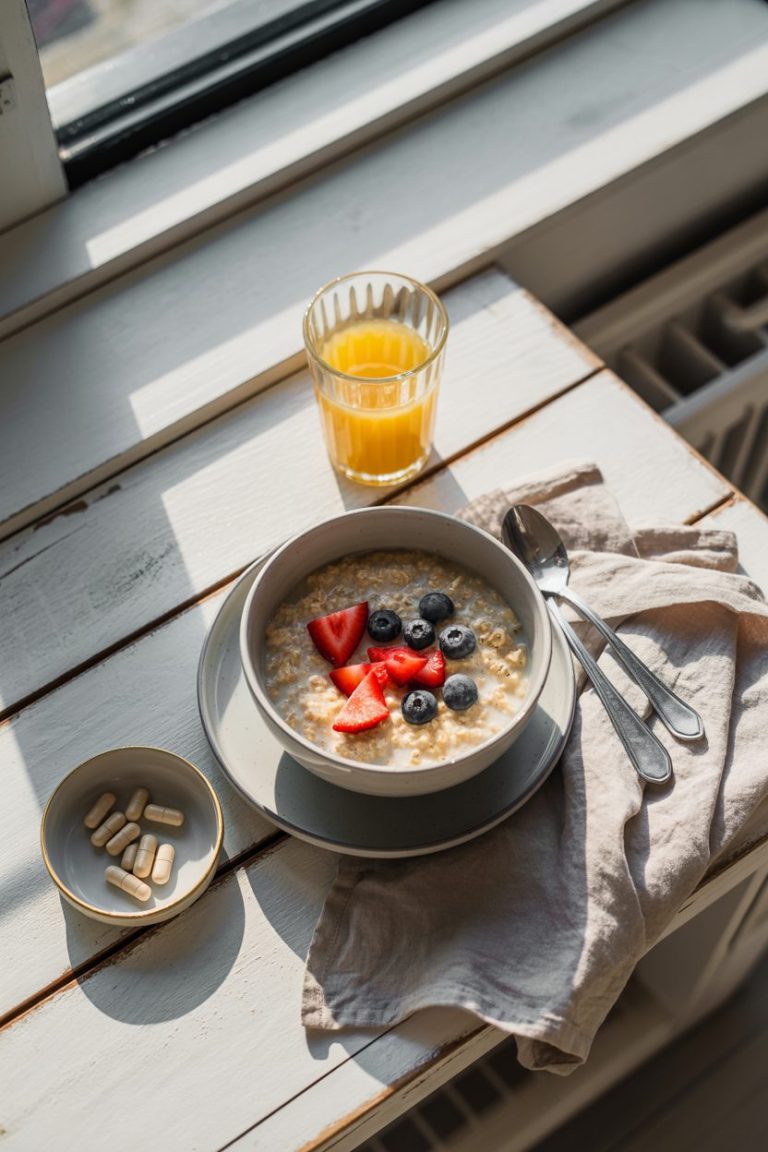
Breakfast: Oatmeal with Fresh Berries and Flaxseed — gentle on digestion, high in fiber, and naturally sweet.
Snack: Greek yogurt with a drizzle of honey and chopped walnuts
Lunch: Lentil Spinach Soup — warm, iron-rich, and freezer-friendly
Snack: Apple slices with almond butter
Dinner: Lemon-Herb Chicken with Roasted Potatoes — comforting and high in protein
Sample Day 2
Breakfast: Classic Vanilla Almond Overnight Oats — because who has time to cook at 7 a.m.?
Snack: Hard-boiled egg and a banana
Lunch: Tuna White Bean Salad — light, protein-packed, and easy to batch-make
Snack: Hummus with carrot sticks
Dinner: Lentil Sweet Potato Stew — rich in fiber and iron, helps combat postpartum fatigue
Sample Day 3
Breakfast: Greek Yogurt Bowl with Berries and Honey
Snack: A handful of almonds
Lunch: Mediterranean Chickpea Bowl
Snack: Cucumber slices with tzatziki
Dinner: Grilled Salmon with Tomato Caper Relish — omega-3s galore for mood and healing
(If you don’t own a good nonstick grill pan yet, grab this one—it makes cooking fish actually pleasant, not panic-inducing.)
Hydration Tips for Week 1:
- Keep a large water bottle near your nursing or resting spot.
- Drink a glass every time you feed your baby.
- Herbal teas like chamomile or fennel can ease bloating and cramps.
Key Nutrients for Postpartum Recovery
Let’s talk about what your body really needs right now. You’ve just done something monumental — and your body’s in rebuild mode. Here’s where your focus should be:
1. Protein for Tissue Repair and Strength
After childbirth, protein is your best friend. It rebuilds muscle tissue, helps repair torn or stretched areas, and supports milk production.
- Great sources: Eggs, chicken, lentils, yogurt, tofu, and salmon.
- Aim for: 20–30 grams of protein per meal.
2. Iron for Energy and Blood Replenishment
You may have lost blood during delivery, so replenishing iron is crucial. Iron fights fatigue and supports your overall recovery.
- Great sources: Lean beef, spinach, beans, and fortified cereals.
- Tip: Pair iron-rich foods with vitamin C (like citrus fruits or bell peppers) to boost absorption.
3. Fiber for Digestive Relief
Constipation is a common postpartum issue (thanks, hormones and pain meds). Fiber helps keep things moving smoothly and reduces discomfort.
- Great sources: Oats, chia seeds, apples, sweet potatoes, and leafy greens.
- Tip: Drink plenty of water — fiber only works well when you’re hydrated.
4. Omega-3s for Brain and Mood
Postpartum emotions can be a roller coaster. Omega-3 fatty acids, especially DHA, can help stabilize mood and support brain health (yours and baby’s if you’re breastfeeding).
- Great sources: Salmon, flaxseed, walnuts, and sardines.
5. Hydration — the Forgotten Hero
Your body needs a lot of fluids to recover and, if nursing, to maintain milk supply. Aim for 8–10 glasses of water daily, plus herbal teas or infused water for flavor.
- Try adding cucumber, mint, or orange slices for natural refreshment.
Postpartum Meal Planning Tips That Make Life Easier
You don’t have to prepare every meal from scratch — smart planning can save your sanity (and energy). Here’s how to simplify your postpartum kitchen routine:
1. Prep Once, Eat Twice
Cook in batches. Roast two trays of veggies instead of one, make extra rice or quinoa, and grill more chicken than you need for one meal. Leftovers become quick lunches or dinner add-ons.
2. Stock Up on Freezer Meals
Before or right after delivery, freeze a few meals that reheat beautifully — soups, stews, casseroles, and muffins. Your future self will thank you when baby’s cluster-feeding and you haven’t slept in two days.
3. Create “Snack Stations”
Keep baskets or containers filled with healthy snacks like trail mix, energy balls, cheese sticks, and cut-up fruit. Easy access is key when one hand’s holding a baby.
4. Keep Hydration Visible
Leave water bottles around the house — one near your nursing spot, another by your bed, one in the kitchen. Visual cues remind you to drink more.
5. Ask for (and Accept) Help
Whether it’s your partner, a friend, or family member — let them handle a meal or two each week. You’re recovering, not auditioning for “Supermom of the Year.
🍽️ Sample 7-Day Postpartum Recovery Meal Plan
Here’s a peek at what your first week could look like. This is designed to be easy, nourishing, and flexible — so feel free to swap ingredients based on preferences or dietary needs.
Day 1: Comfort and Calm
- Breakfast: Oatmeal with banana, chia seeds, and almond butter.
- Lunch: Chicken and veggie quinoa bowl with olive oil drizzle.
- Snack: Greek yogurt with honey and walnuts.
- Dinner: Lentil soup with whole-grain toast.
- Hydration Goal: 9 glasses of water + chamomile tea before bed.
Day 2: Light and Energizing
- Breakfast: Scrambled eggs with spinach and whole-grain toast.
- Lunch: Tuna salad wrap with avocado and leafy greens.
- Snack: Apple slices with peanut butter.
- Dinner: Baked salmon with roasted sweet potatoes and green beans.
- Hydration Goal: 8 glasses water + coconut water mid-day.
Day 3: Gut-Soothing Goodness
- Breakfast: Yogurt parfait with berries, granola, and flaxseed.
- Lunch: Vegetable soup with barley and side salad.
- Snack: Handful of almonds and a small banana.
- Dinner: Turkey stir-fry with broccoli and brown rice.
- Hydration Goal: 10 glasses water + ginger-mint tea.
Day 4: Iron-Boosting Focus
Your energy may dip midweek, so today’s meals are rich in iron, fiber, and protein to support recovery and combat fatigue.
- Breakfast: Spinach and mushroom omelet with whole-grain toast.
- Lunch: Lentil and sweet potato curry served over basmati rice.
- Snack: Dried apricots and pumpkin seeds (both iron-packed).
- Dinner: Grilled chicken breast with sautéed kale and quinoa.
- Hydration Goal: 8–9 glasses water + a cup of lemon-ginger tea.
Day 5: Rebuilding Strength
Protein and healthy fats take the spotlight to help rebuild tissues and support milk production.
- Breakfast: Greek yogurt bowl topped with strawberries, walnuts, and honey.
- Lunch: Turkey and avocado sandwich on whole-grain bread with cucumber slices.
- Snack: Cottage cheese with pineapple chunks.
- Dinner: Baked cod with roasted carrots and mashed potatoes.
- Hydration Goal: 10 glasses water + chamomile tea in the evening.
Day 6: Gut-Healthy Glow
A good digestion day makes everything easier. Today’s meals focus on probiotics and fiber to keep things moving smoothly.
- Breakfast: Overnight oats with chia seeds, raspberries, and almond milk.
- Lunch: Miso soup with tofu, seaweed, and brown rice.
- Snack: Kefir smoothie with banana and spinach.
- Dinner: Veggie-loaded stir-fry with tempeh and sesame oil drizzle.
- Hydration Goal: 9 glasses water + green tea with mint.
Day 7: Sunday Reset
A restful, grounding day to refuel your body and mind — simple meals that feel like comfort.
- Breakfast: Blueberry pancakes made with oat flour and topped with yogurt.
- Lunch: Chickpea salad with olive oil, lemon, and feta.
- Snack: Trail mix with almonds, dark chocolate, and cranberries.
- Dinner: Slow-cooked beef stew with carrots and peas.
- Hydration Goal: 8 glasses water + herbal tea before bed.
30-Day Postpartum Recovery Plan Overview
Now that you’ve seen a sample week, imagine extending these principles over 30 days — mixing and matching flavors, rotating proteins, and adding variety while keeping it practical.
Here’s how to structure your month for steady healing, balanced energy, and emotional ease:
Weeks 1–2: Gentle Nourishment
- Focus on easy-to-digest meals like soups, oatmeal, smoothies, and rice bowls.
- Choose soft proteins — shredded chicken, lentils, tofu — and cooked veggies instead of raw salads.
- Hydrate consistently, even when you don’t feel thirsty.
Weeks 3–4: Energy and Strength Building
- Gradually add heartier meals like whole grains, grilled meats, and fiber-rich sides.
- Include snacks every few hours to stabilize energy and support breastfeeding.
- Try a balance of global flavors — Mediterranean, Asian-inspired, or comfort classics — to keep your palate excited.
🧾 Printable 30-Day Meal Plan
We’ve created a printable version of this 30-day postpartum recovery meal plan — complete with grocery lists, easy prep notes, and a weekly planner format.
➡️ Get the Printable PDF Here
You can print it, hang it on your fridge, or keep it in a binder for easy reference. Each week’s section includes:
- Balanced breakfast, lunch, dinner, and snack ideas.
- Notes for postpartum-friendly ingredients (iron-rich, probiotic, fiber-filled).
- Hydration tracker and self-care reminders.
FAQs: Postpartum Recovery Meal Plan
1. Can I follow this meal plan while breastfeeding?
Yes! These meals are designed to support lactation, recovery, and steady energy. If you’re breastfeeding, aim for slightly larger portions and stay hydrated.
2. What if I had a C-section?
Go easy on your digestion during the first two weeks. Prioritize soft, nutrient-rich foods like soups, stews, yogurt, and mashed vegetables to support healing and reduce inflammation.
3. Can I prep meals ahead of time?
Absolutely. This plan is flexible for batch cooking and freezer-friendly recipes. Focus on one big prep day per week to make postpartum life easier.
4. Are there vegetarian or vegan options?
Yes. Simply replace animal proteins with beans, tofu, tempeh, or lentils. Add iron and B12 sources like fortified cereals or nutritional yeast if you’re plant-based.
5. How soon after delivery can I start this plan?
You can begin as soon as you’re cleared for solid foods and feel ready to eat normally — typically within a day or two postpartum.
Final Thoughts
Recovering from childbirth isn’t just about your physical body — it’s also about finding calm, balance, and nourishment in small, daily rituals.
This 30-day meal plan gives you structure when life feels unpredictable. Whether you follow it closely or just draw inspiration, remember: every wholesome bite supports your healing and your strength.
You deserve care, nourishment, and grace — one comforting meal at a time.