
7-Day Mediterranean Meal Prep Plan for Busy People
You know what’s exhausting? Coming home after a long day, opening the fridge, and realizing you have three random vegetables, some questionable leftovers, and absolutely zero motivation to cook. So you order takeout. Again. And then wonder why your budget and your jeans are both feeling a little tight.
I’ve been there. Actually, I lived there for a solid year before I finally admitted that meal prepping wasn’t just for fitness influencers with perfect kitchens and color-coordinated containers. It’s for regular people who want to eat actual food without spending every evening cooking or every lunch break waiting in line at Chipotle.
This 7-day Mediterranean meal prep plan is designed for people who are busy, tired, and frankly not interested in spending their entire Sunday in the kitchen. We’re talking about prepping breakfasts, lunches, and dinners that taste good, keep you full, and don’t require a culinary degree to pull off.

Why Mediterranean Meal Prep Actually Works
Mediterranean eating is pretty forgiving when it comes to meal prep. Most of the dishes actually taste better after sitting for a day or two because the flavors meld together. Plus, you’re working with whole foods—grains, vegetables, lean proteins, olive oil, herbs—that hold up well in the fridge.
The meals are built around ingredients that multitask. You grill a bunch of chicken on Sunday, and suddenly you have protein for grain bowls, wraps, and salads throughout the week. You cook a big batch of quinoa, and it becomes the base for multiple meals. You chop vegetables once, and they work in everything from breakfast scrambles to dinner sides.
According to research from Healthline, the Mediterranean diet is one of the easiest eating patterns to maintain long-term because it focuses on whole foods and doesn’t eliminate entire food groups. When you meal prep these foods, you’re setting yourself up for success without feeling restricted.
The other thing I love about this approach? You’re not eating the exact same thing every single day. You prep components, not identical meals, so you can mix and match throughout the week based on what you’re actually craving.
What You’ll Need to Get Started
Before we get into the actual plan, let’s talk about tools. You don’t need a lot, but having the right stuff makes this whole process way less annoying.
Glass meal prep containers are worth the investment. I use these stackable glass containers that go from fridge to microwave without any weird plastic smell or warping. Plus, you can actually see what’s in each container, which means you’re more likely to eat what you prepped instead of forgetting about it until it grows mold.
A decent knife and cutting board. You’re going to be chopping a lot of vegetables. Don’t torture yourself with a dull knife. Get something sharp, and your prep time will literally cut in half. This chef’s knife changed my life—sounds dramatic, but it’s true.
Sheet pans and a good skillet. Most of this meal prep involves roasting or sautéing, so you need pans that can handle high heat without warping. I swear by these heavy-duty sheet pans for roasting everything from vegetables to chicken.
Storage for dry ingredients. Keep your quinoa, rice, lentils, and other grains in airtight containers so they stay fresh. These OXO containers are pricey but they seal perfectly and stack nicely, which matters when your pantry is the size of a shoebox.
The Sunday Prep Session (2-3 Hours)
Sunday is your power day. Put on a podcast, pour yourself some coffee (or wine, no judgment), and knock out the bulk of your prep. This isn’t going to take all day—we’re talking 2-3 hours max if you’re efficient about it.
Proteins to Prep
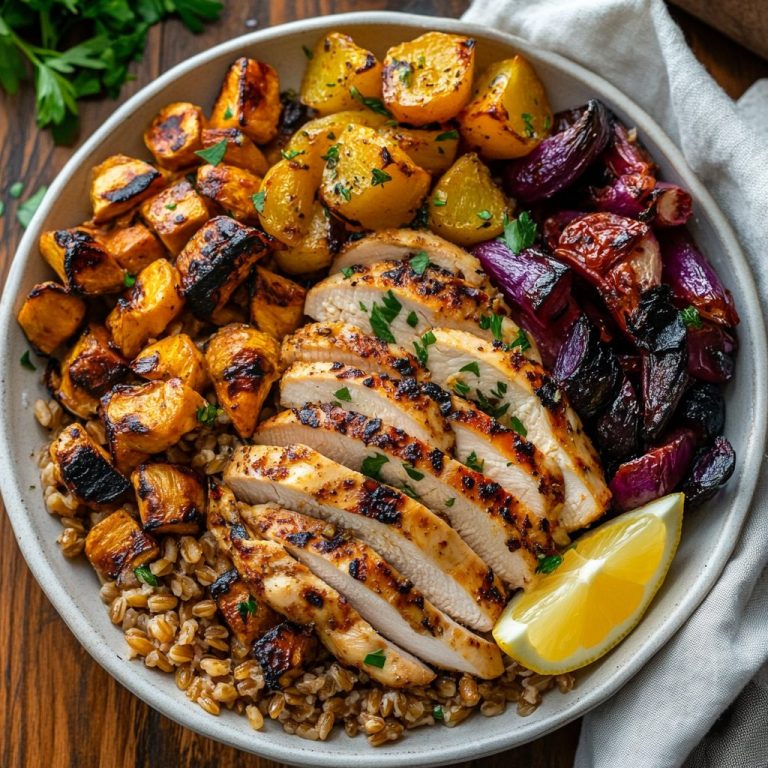
Grilled Chicken Breasts (2-3 pounds): Season with salt, pepper, garlic powder, oregano, and lemon juice. Grill or bake them all at once. Let them cool, then slice some and keep others whole. Get the full recipe.
Baked Salmon Fillets (4-6 fillets): Season with dill, garlic, lemon, salt, and pepper. Bake at 400°F for 12-15 minutes. These reheat surprisingly well and work for both lunch and dinner. Recipe here.
Hard-Boiled Eggs (1 dozen): Boil a bunch. They last all week and work for breakfast, snacks, or adding protein to salads. I use this egg cooker because I always forget about eggs on the stove and end up with either rubber or raw eggs.
Grains and Legumes
Quinoa (3-4 cups dry): Cook according to package directions. Store in a large container and use throughout the week for bowls and sides.
Brown Rice or Farro (2-3 cups dry): Another versatile base. Cook it, cool it, store it.
Chickpeas (2 cans, drained and roasted): Toss with olive oil, cumin, paprika, salt. Roast at 400°F for 20-25 minutes until crispy. These add protein and crunch to salads and bowls.
Vegetables
Roasted Vegetables (big batch): Chop zucchini, bell peppers, red onions, cherry tomatoes, and eggplant. Toss with olive oil, salt, pepper, and oregano. Roast at 425°F for 25-30 minutes. See the method here.
Fresh Vegetable Prep: Wash and chop cucumbers, cherry tomatoes, red onions, and bell peppers. Store in containers so they’re ready to throw into salads, wraps, or grain bowls.
Leafy Greens: Wash and dry your spinach, arugula, or mixed greens. Store with a paper towel in the container to absorb excess moisture and keep them fresh longer.
Sauces and Dressings
Lemon-Tahini Dressing: Blend tahini, lemon juice, garlic, water, salt. Stores for a week.
Simple Vinaigrette: Olive oil, red wine vinegar, Dijon mustard, garlic, oregano. Shake it up in a mason jar.
Tzatziki: Greek yogurt, grated cucumber (squeeze out excess water), garlic, dill, lemon juice, salt. Keeps for 5 days.
Your 7-Day Meal Plan
Day 1: Monday
Breakfast: Greek yogurt parfait with berries, granola, and honey. Get the recipe. Assemble fresh each morning or prep the yogurt and berries in containers, keeping granola separate until you’re ready to eat.
Lunch: Mediterranean grain bowl with quinoa, roasted vegetables, chickpeas, cucumbers, tomatoes, and lemon-tahini dressing. Full recipe here.
Dinner: Grilled chicken with roasted potatoes and a side salad. Recipe. The potatoes can be prepped ahead and reheated, or roasted fresh if you have 30 minutes.
Snack: Hummus with veggie sticks (bell peppers, cucumbers, carrots).
Day 2: Tuesday
Breakfast: Savory Mediterranean scramble with pre-chopped vegetables and feta. Get the recipe. Scramble it fresh in the morning—takes 5 minutes with prepped veggies.
Lunch: Tuna and white bean salad with a side of whole grain crackers. Full recipe. Mix this fresh in the morning or prep the night before.
Dinner: Baked salmon with herbed quinoa and steamed green beans. Recipe here. Reheat the salmon gently to avoid drying it out.
Snack: A handful of roasted chickpeas or a hard-boiled egg.
Day 3: Wednesday
Breakfast: Overnight oats with dried figs, walnuts, and cinnamon. Recipe. Prep these the night before in mason jars for grab-and-go ease.
Lunch: Chicken and veggie wrap with tzatziki in a whole wheat tortilla. Use your prepped chicken, roasted vegetables, and fresh greens.
Dinner: One-pot Mediterranean pasta with cherry tomatoes, spinach, white beans, and fresh basil. Get the recipe. This is a fresh-cook meal but only takes 20 minutes.
Snack: Greek yogurt with a drizzle of honey and walnuts.
Day 4: Thursday
Breakfast: Avocado toast with tomato and olive oil. Recipe here. Toast your bread, mash the avocado fresh, top with pre-chopped tomatoes.
Lunch: Mediterranean chickpea bowl with your prepped quinoa, roasted vegetables, chickpeas, cucumber, tomatoes, and a drizzle of tahini dressing. Full recipe.
Dinner: Grilled salmon with a cucumber-tomato-feta salad. Recipe. Reheat the salmon, toss the salad fresh.
Snack: Sliced vegetables with whipped feta dip. Get the dip recipe.
Day 5: Friday
Breakfast: Mediterranean smoothie bowl topped with granola and fresh fruit. Recipe here. Blend it fresh in the morning—takes 3 minutes.
Lunch: Leftover one-pot pasta from Wednesday or a big Greek salad with grilled chicken. Greek salad recipe.
Dinner: Shakshuka (eggs in spicy tomato sauce) with whole grain bread. Get the recipe. This is a fresh-cook meal but it’s fast and uses pantry staples plus any leftover vegetables.
Snack: A handful of nuts or a hard-boiled egg.
Day 6: Saturday
Breakfast: Scrambled eggs with sautéed spinach and a side of whole grain toast. Use your prepped greens for super quick cooking.
Lunch: Mediterranean tuna stuffed peppers. Recipe. These can be made fresh or prepped ahead and reheated.
Dinner: Lemon garlic grilled chicken with couscous and a side salad. Full recipe. Use your prepped chicken, cook fresh couscous (it takes 5 minutes), toss a salad.
Snack: Fresh fruit or veggie sticks with hummus.
Day 7: Sunday
Breakfast: Greek yogurt bowl with berries and honey. Keep it simple before you start your next round of meal prep.
Lunch: Grain bowl with whatever proteins, grains, and vegetables you have left from the week. Clean out the fridge and use up those containers.
Dinner: Either eat out (you’ve earned it) or make a quick lentil soup. Recipe here. Soups are perfect for using up random vegetables and they freeze well for future lazy nights.
Snack: Whatever sounds good. You made it through the week.
Mix-and-Match Strategy
Here’s the thing about meal prep: you don’t have to follow this plan exactly. The real magic happens when you prep components and then mix them based on what you actually want to eat.
Breakfast options you can rotate:
- Greek yogurt bowls
- Avocado toast variations
- Scrambles with different vegetables
- Overnight oats in different flavors
- Smoothie bowls
Lunch combinations using your prepped ingredients:
- Grain bowls (quinoa or rice + protein + roasted vegetables + fresh vegetables + dressing)
- Wraps (whole wheat tortilla + protein + vegetables + sauce)
- Salads (greens + protein + vegetables + chickpeas + dressing)
- Stuffed pitas (pita + protein + vegetables + tzatziki)
Dinner ideas with minimal fresh cooking:
- Protein + grain + roasted vegetables + side salad
- One-pot pasta dishes (quick to make)
- Grain bowls but bigger
- Soups using prepped ingredients
For more structured Mediterranean meal planning, check out this 14-day meal plan for beginners or this 21-day plan with no fancy ingredients.
Storage and Food Safety Tips
Let’s talk about keeping your food safe and fresh, because nobody wants food poisoning from their carefully prepped meals.
Cool everything completely before storing. Hot food in closed containers creates condensation, which leads to soggy food and bacterial growth. Let everything cool on the counter for 30 minutes, then refrigerate.
Store proteins and vegetables separately when possible. This keeps vegetables crisp and prevents everything from getting soggy. Plus, you can mix and match more easily.
Label everything with dates. Use masking tape and a marker. Most prepped food is good for 3-4 days in the fridge. Cooked grains last up to 5 days. Raw vegetables last about a week if stored properly.
Keep dressings separate until you’re ready to eat. Nobody likes a soggy salad. Store dressings in small containers or mason jars and add them right before eating.
Freeze what you won’t eat in time. Cooked grains, soups, and some cooked proteins freeze well. Portion them into freezer-safe containers and label them. Future you will be grateful.
Reheat properly. Most meals reheat well in the microwave, but proteins can dry out. Add a splash of water or broth when reheating, and don’t overcook. For salmon, reheat gently at 50% power to maintain moisture.
Time-Saving Shortcuts
You don’t have to be a meal prep purist. Use shortcuts when they make sense and don’t sacrifice too much on quality or cost.
Pre-washed greens and pre-chopped vegetables from the grocery store cost more, but if it’s the difference between meal prepping and not meal prepping, it’s worth it. I buy pre-washed spinach because washing and drying greens is my least favorite task.
Rotisserie chicken is a legitimate shortcut. If you’re exhausted and can’t face grilling chicken, grab a rotisserie bird, shred it, and use it throughout the week. Yes, it’s more expensive per pound, but it’s still cheaper than takeout.
Canned beans and lentils are fine. Dried beans are cheaper, but canned are faster. Rinse them well to reduce sodium, and you’re good to go.
Frozen vegetables for some dishes. Fresh is great for salads and sides, but frozen works perfectly fine for soups, stir-fries, and cooked dishes. The nutritional content is often comparable since they’re frozen at peak ripeness.
Pre-made hummus and tzatziki if you’re short on time. Making them from scratch is cheaper, but buying them is still way cheaper than eating out.
What to Do When You’re Sick of Your Meal Prep
Real talk: even the best meal prep gets boring by Thursday. Here’s what I do when I’m over my prepped meals but don’t want to completely derail.
Change the sauce or dressing. Your grain bowl tastes completely different with tahini dressing versus vinaigrette versus tzatziki. Keep multiple sauces on hand and rotate them.
Add fresh herbs. Fresh basil, cilantro, or parsley can transform a boring reheated meal into something that tastes fresh and intentional.
Toast your grains or bread. Reheat your quinoa or rice in a skillet with a little olive oil until it gets crispy. Toast your bread. These small textural changes make food more interesting.
Eat your meal in a different format. Turn your grain bowl into a wrap. Turn your salad ingredients into a pita sandwich. Same components, different experience.
Have one wild card meal per week. Wednesday or Thursday, give yourself permission to make something fresh that’s not part of your meal prep. It breaks up the monotony and keeps you from feeling trapped by your containers.
If you need more variety, these 25 Mediterranean dinner ideas offer tons of options that work with the meal prep approach.
The Grocery List
Here’s what you need to buy for this week. I’ve broken it down by category to make shopping easier.
Proteins:
- 2-3 pounds chicken breasts
- 4-6 salmon fillets
- 1 dozen eggs
- 2-3 cans tuna in water
Grains and Legumes:
- Quinoa (16 oz bag)
- Brown rice or farro (16 oz bag)
- Whole wheat couscous
- Whole wheat pasta
- 2-3 cans chickpeas
- 1-2 cans white beans
- Whole wheat tortillas
- Whole grain bread
- Whole wheat pita
Vegetables:
- 2-3 zucchini
- 3-4 bell peppers (various colors)
- 2 eggplants
- 3 pints cherry tomatoes
- 4-5 regular tomatoes
- 3-4 cucumbers
- 2-3 red onions
- 1 head garlic
- Fresh spinach (large container or bag)
- Mixed greens for salads
- Green beans (1 pound)
- Carrots
- Any other vegetables you like
Fruits:
- Fresh berries (strawberries, blueberries)
- 3-4 lemons
- 2-3 avocados
- Dried figs
Dairy and Alternatives:
- Greek yogurt (32 oz container)
- Feta cheese (8 oz)
- Optional: other cheeses you like
Pantry Staples:
- Olive oil (high quality)
- Tahini
- Honey
- Dijon mustard
- Red wine vinegar
- Canned crushed tomatoes
- Vegetable broth
Herbs and Spices:
- Fresh basil
- Fresh parsley
- Fresh dill
- Oregano (dried)
- Cumin
- Paprika
- Salt and pepper
Other:
- Olives (Kalamata)
- Hummus (or ingredients to make it)
- Granola
- Walnuts or almonds
According to the Mayo Clinic, eating a variety of colorful vegetables and whole grains provides the fiber and nutrients that support both digestive health and sustained energy—which is exactly what you need when you’re juggling a busy schedule.
Common Meal Prep Mistakes to Avoid
I’ve made every meal prep mistake in the book, so let me save you some trouble.
Prepping too much at once. When you’re starting out, don’t prep for two weeks. You’ll burn out, and you’ll end up with food that goes bad before you eat it. Start with one week, see how it goes, then adjust.
Making everything too complicated. Your meal prep should not require 15 ingredients and three cooking techniques per dish. Keep it simple. Roasted vegetables, grilled protein, cooked grains. That’s it.
Not tasting as you go. Season your food properly during prep. Underseasoned meal prep is depressing meal prep. Salt, pepper, lemon, herbs—use them generously.
Storing everything in containers that are too big. Portion your meals into single-serving containers. This makes it easier to grab and go, and it helps with portion control.
Not building in flexibility. Life happens. Some weeks you’ll eat out more than planned. That’s fine. Don’t beat yourself up about it. The food will keep, or you can freeze it, or you can adjust your plan for the following week.
Forgetting about snacks. If you meal prep breakfast, lunch, and dinner but have nothing for snacks, you’re going to end up at the vending machine. Prep some easy snacks—veggie sticks, hummus, hard-boiled eggs, roasted chickpeas, fruit.
Why This Works for Busy People
The Mediterranean approach to meal prep is sustainable because it doesn’t require you to eat bland, boring food or spend hours in the kitchen every day. You’re eating real food that tastes good, and you’re doing it in a way that fits into an actual busy life.
You’re saving time during the week. Instead of spending 30-60 minutes cooking every night, you’re reheating and assembling. Most meals come together in 10 minutes or less.
You’re saving money. When you meal prep, you buy exactly what you need, and you use everything. No more throwing away vegetables that went bad or ordering expensive takeout because you didn’t plan ahead.
You’re eating better. When healthy food is ready to eat, you eat it. When it requires effort, you don’t. It’s that simple. Meal prep removes the friction between you and nutritious food.
You have more mental energy. Decision fatigue is real. When you don’t have to decide what to eat three times a day, you have more brain space for things that actually matter.
For more ideas on making Mediterranean eating work with a busy schedule, check out these 10 easy one-pan dinner recipes or these 10 meal prep bowls that make the whole process even easier.
The Bottom Line
Meal prep doesn’t have to be perfect, Instagrammable, or complicated. It just has to work for your life. This 7-day Mediterranean meal prep plan gives you a framework, but feel free to adjust it based on what you actually like to eat and how much time you realistically have.
Start with one or two days of prep and see how it goes. Maybe you only prep lunches at first, and that’s fine. Maybe you prep everything except Friday dinner because you always eat out on Fridays. Do what works.
The goal isn’t to become a meal prep robot who eats the same thing every week forever. The goal is to make eating well easier, less stressful, and more sustainable. Mediterranean eating happens to be delicious, nutritious, and actually enjoyable—which is exactly what you need when you’re trying to build a habit that lasts.
So grab your containers, block off a few hours this weekend, and give it a shot. Worst case scenario, you have food ready for the week. Best case scenario, you realize that meal prep doesn’t actually suck, and you stick with it long enough to see how much easier it makes your life.