7-Day Mediterranean Diet Plan (Free Printable PDF)
Why I Finally Tried the Mediterranean Diet (and Stuck to It)
If you’re anything like me, you’ve probably scrolled past countless “miracle diet plans” that promise rapid weight loss but leave you hungry, cranky, and eventually back at square one. I’ve been there—counting calories, skipping meals, even trying to swear off bread completely (spoiler: I lasted exactly three days).
Then one day, a friend casually mentioned she’d been following the Mediterranean diet and felt amazing. No food guilt, no rigid restrictions, and she actually enjoyed what she ate. Curious (and admittedly tired of bland chicken and steamed broccoli), I gave it a shot for a week.
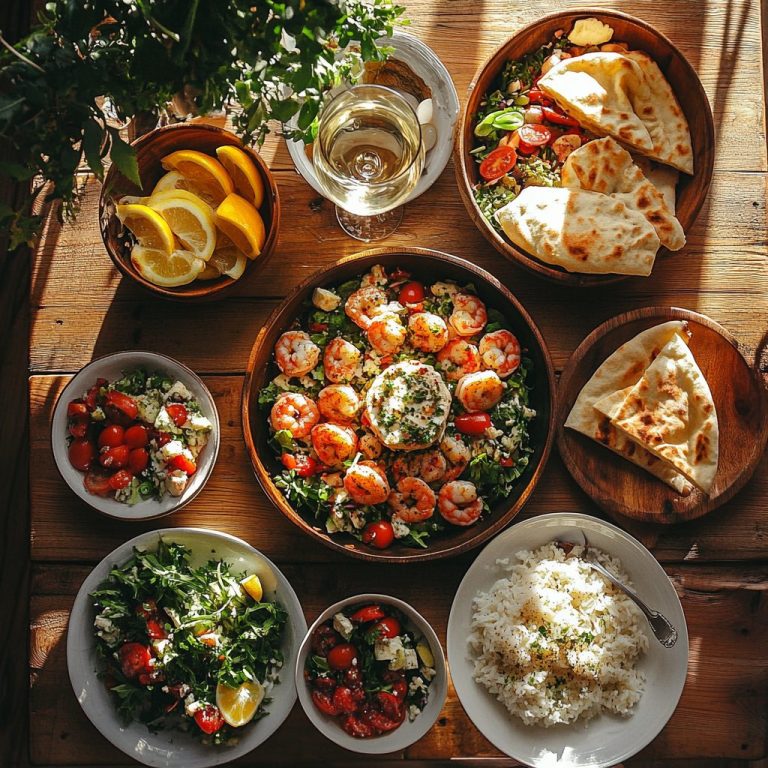
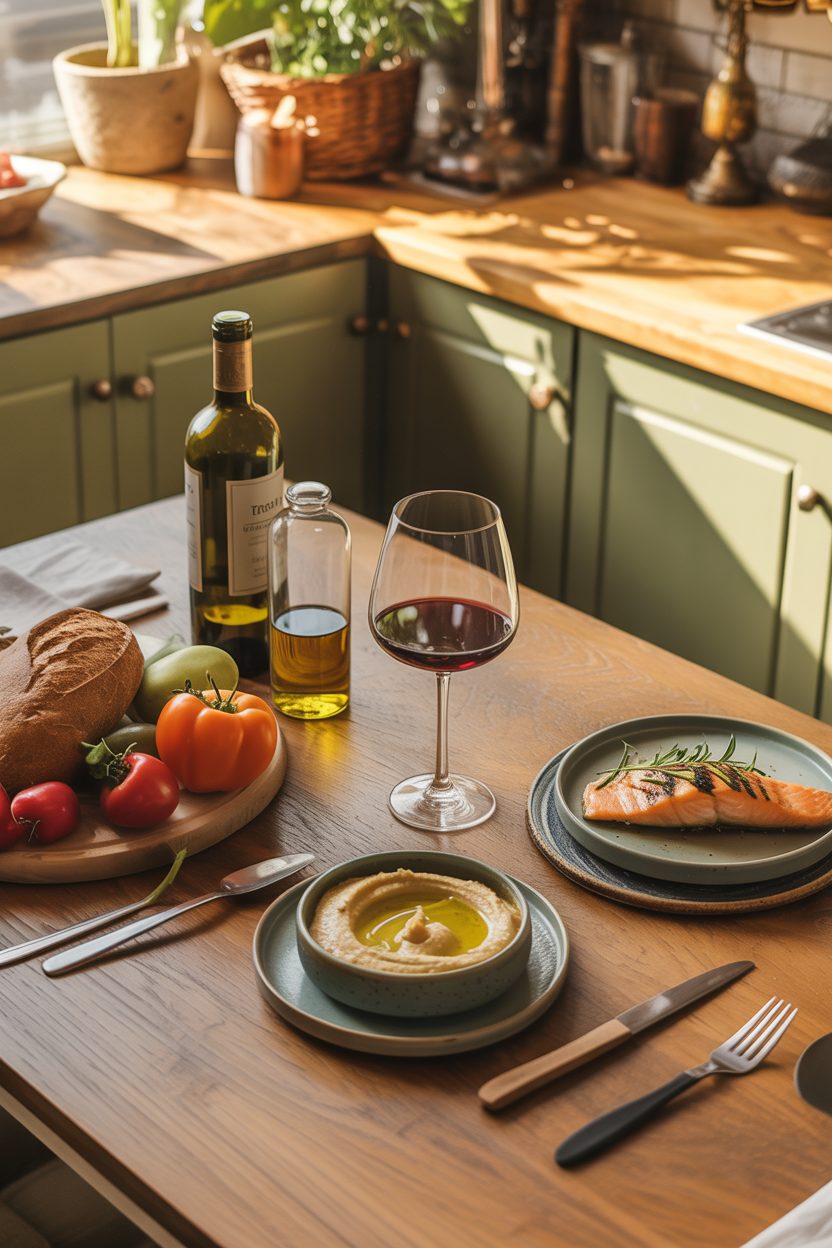
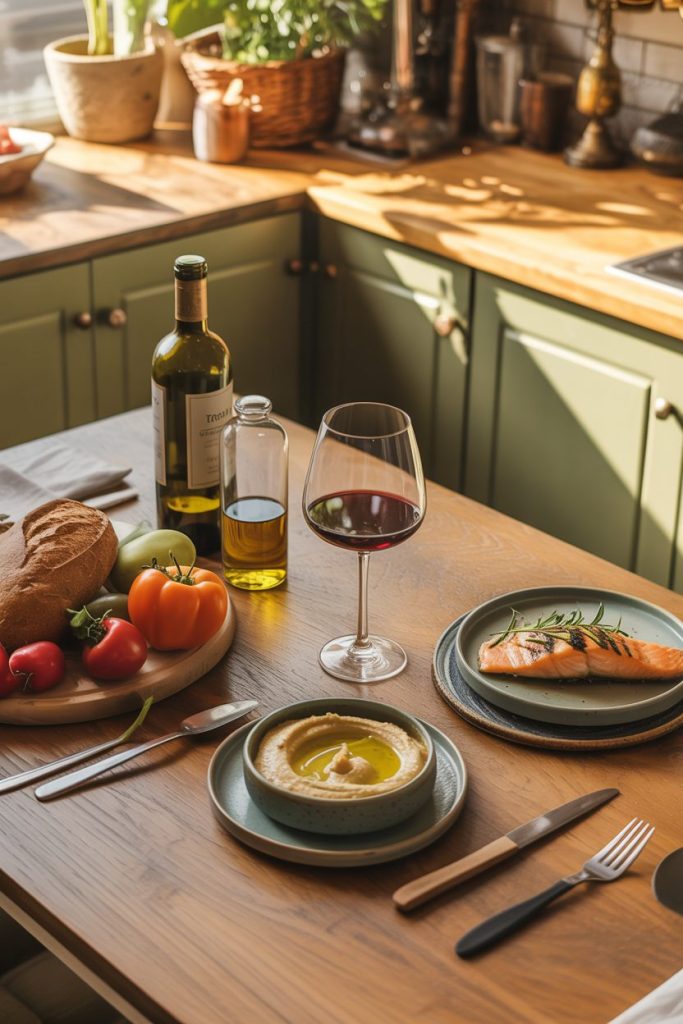
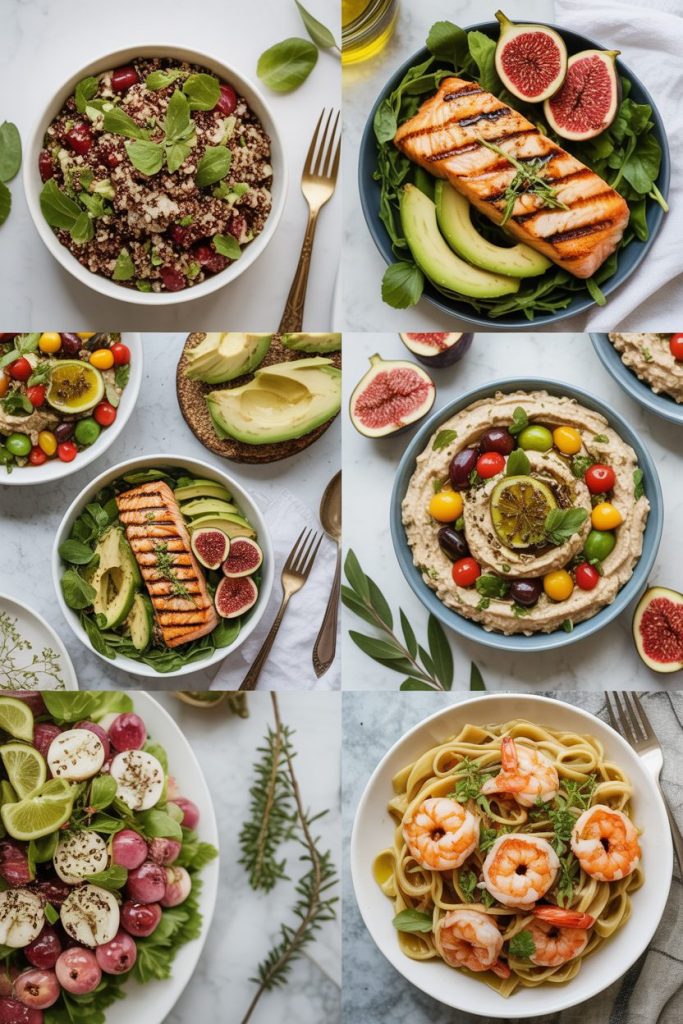
Here’s the thing: it didn’t feel like a diet. I was drizzling golden olive oil over fresh salads, savoring whole grain bread with hummus, enjoying grilled salmon with lemon, and even sipping a little red wine on Friday night. I wasn’t starving. I wasn’t stressed. And for the first time, I thought: This is something I could actually keep up long term.
That’s the beauty of the Mediterranean diet—it’s not about deprivation. It’s about eating real, wholesome food in a way that feels balanced and sustainable. And today, I’m going to share exactly how you can try it yourself with a simple, ready-to-go 7-day Mediterranean diet meal plan (yes, complete with a free printable PDF).
What You’ll Get From This Guide
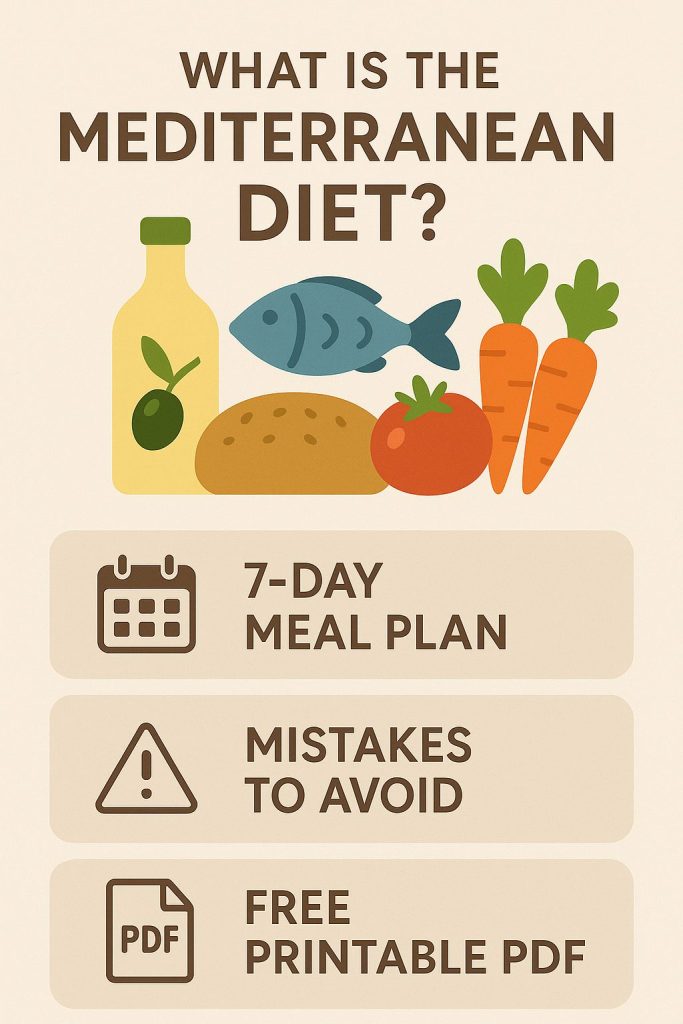
In this blog, I’ll walk you through:
- What the Mediterranean diet actually is (and why doctors rave about it).
- A full 7-day meal plan with delicious breakfast, lunch, dinner, and snack ideas.
- Common mistakes to avoid so you don’t sabotage your progress.
- My own experience following the plan (including the surprising benefits I noticed in just one week).
- And of course—the free printable PDF that makes meal prep and shopping insanely easy.
By the end, you’ll feel confident about starting the Mediterranean diet without overwhelm, confusion, or bland food.
Section 1: What Exactly Is the Mediterranean Diet?
Let’s clear one thing up: the Mediterranean diet isn’t a “fad” diet with complicated rules. It’s a way of eating inspired by the traditional lifestyles of countries bordering the Mediterranean Sea—think Greece, Italy, and Spain.
Instead of obsessing over calories or carbs, it focuses on the quality of your food. Fresh, seasonal, and minimally processed ingredients are the stars here. And it’s not just about what you eat—it’s about how you eat: slowly, with family or friends, and with genuine enjoyment.
Here’s the backbone of the Mediterranean diet:
- Healthy fats: Olive oil, nuts, seeds, and avocado. These are heart-protective and actually help you feel satisfied.
- Lean proteins: Fish and seafood are the stars, with poultry, eggs, and legumes also in the mix. Red meat is limited.
- Whole grains: Brown rice, quinoa, farro, and whole-grain bread are preferred over refined carbs.
- Loads of vegetables & fruits: Think colorful, vibrant plates filled with greens, tomatoes, cucumbers, peppers, citrus, and berries.
- Dairy in moderation: Mostly Greek yogurt and cheese.
- Wine (optional): Red wine in moderation, often enjoyed with meals.
- Herbs and spices: Flavor comes from oregano, basil, garlic, cinnamon, and rosemary—not from heavy salt or processed sauces.
What’s fascinating is that countless studies link this way of eating to better heart health, reduced risk of chronic disease, improved brain function, and even longer lifespan. In fact, the Mediterranean diet has consistently ranked as the #1 best diet overall by U.S. News & World Report for years.
But here’s the kicker—it doesn’t feel like a diet. You’re not stuck eating the same three foods on repeat. You’re not eliminating entire food groups. You’re simply upgrading your choices to healthier, tastier ones. And that’s why it’s so sustainable.

Section 2: Your 7-Day Mediterranean Diet Plan
Now for the fun part—your actual 7-day meal plan. Think of this as your starter guide. You don’t have to follow it perfectly—the goal is to give you structure, ideas, and a sense of how balanced (and delicious) this diet can be.
Here’s a sample breakdown:
Day 1
- Breakfast: Greek yogurt topped with honey, walnuts, and fresh berries
- Lunch: Grilled chicken salad with arugula, cherry tomatoes, cucumbers, feta, and olive oil dressing
- Snack: Sliced apple with almond butter
- Dinner: Baked salmon with roasted vegetables and quinoa
Day 2
- Breakfast: Whole grain toast with avocado, poached egg, and a sprinkle of chili flakes
- Lunch: Lentil soup with a slice of whole-grain bread
- Snack: Handful of mixed nuts and dried fruit
- Dinner: Shrimp sautéed with garlic, olive oil, spinach, and whole wheat pasta
Day 3
- Breakfast: Overnight oats with chia seeds, banana, and cinnamon
- Lunch: Tuna salad with olive oil, chickpeas, cucumbers, and lemon dressing
- Snack: Carrot sticks with hummus
- Dinner: Grilled lamb skewers with tabbouleh and roasted eggplant
Day 4
- Breakfast: Smoothie with spinach, frozen berries, Greek yogurt, and flaxseeds
- Lunch: Mediterranean quinoa bowl with chickpeas, olives, roasted peppers, and tahini drizzle
- Snack: Fresh figs or grapes with a slice of goat cheese
- Dinner: Pan-seared cod with lemon, herbs, and steamed green beans
Day 5
- Breakfast: Whole grain pita with hummus, cucumber, and tomato slices
- Lunch: Grilled veggie wrap with tzatziki
- Snack: Roasted almonds
- Dinner: Baked chicken with roasted sweet potatoes and a Greek side salad
Day 6
- Breakfast: Cottage cheese with peaches and a drizzle of olive oil
- Lunch: Falafel with tabbouleh and tahini sauce
- Snack: Dark chocolate (70% or higher) with a handful of pistachios
- Dinner: Whole wheat spaghetti with tomato, basil, and grilled shrimp
Day 7
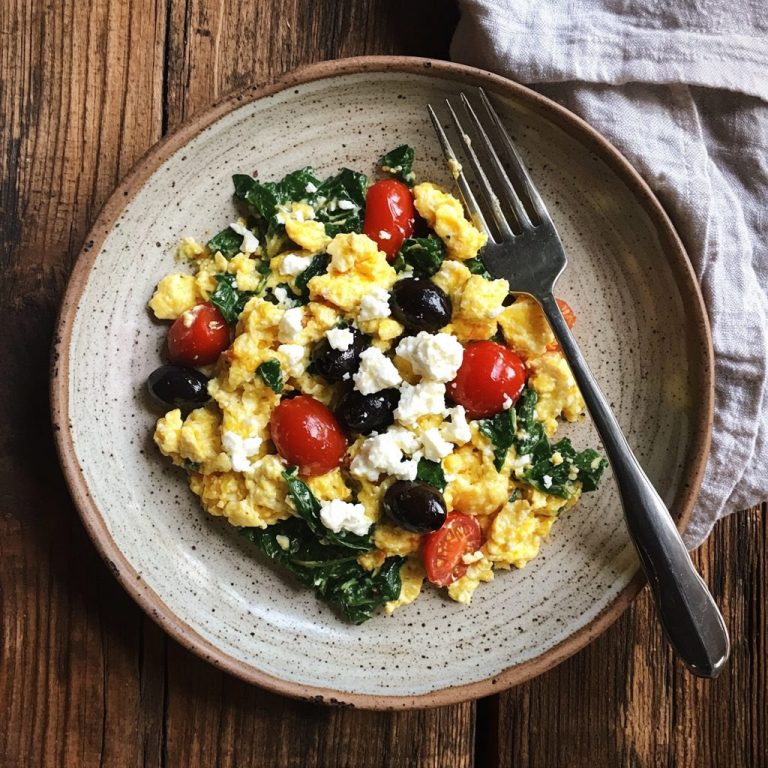
- Breakfast: Omelet with spinach, mushrooms, and feta cheese
- Lunch: Grilled salmon bowl with farro, cucumber, and lemony olive oil dressing
- Snack: Fresh orange slices with a handful of walnuts
- Dinner: Baked eggplant parmesan (lightened-up version with olive oil and whole wheat breadcrumbs)
👉 Pro tip: You don’t have to follow this rigidly. Mix and match meals, adjust portions, and tailor it to your tastes. The point is variety and balance.
Grab Your Free 7-Day Mediterranean Diet PDF
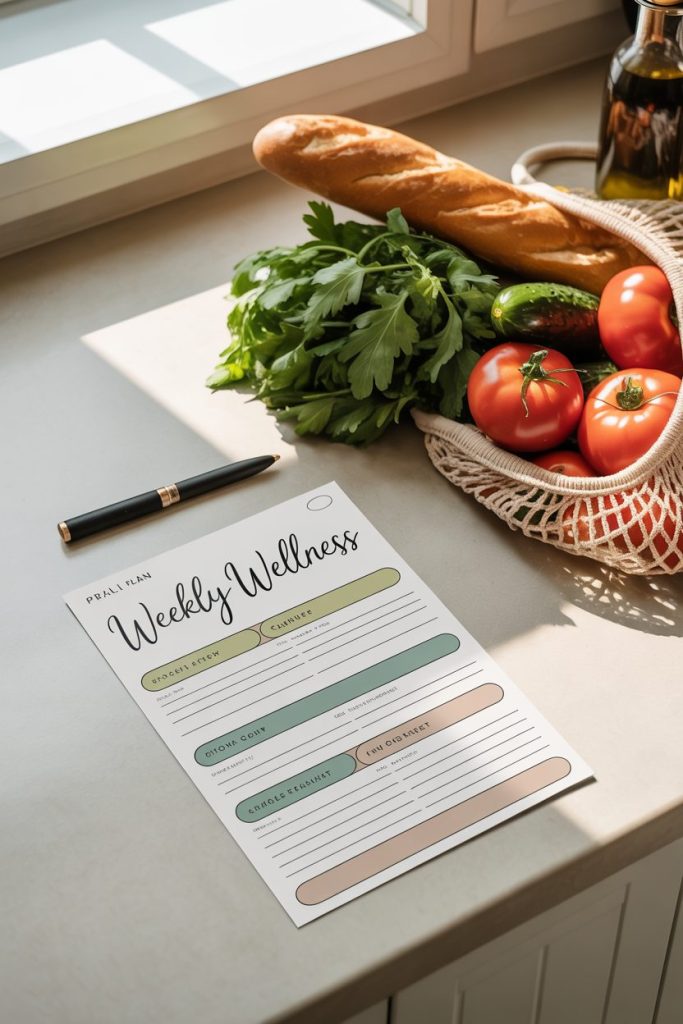
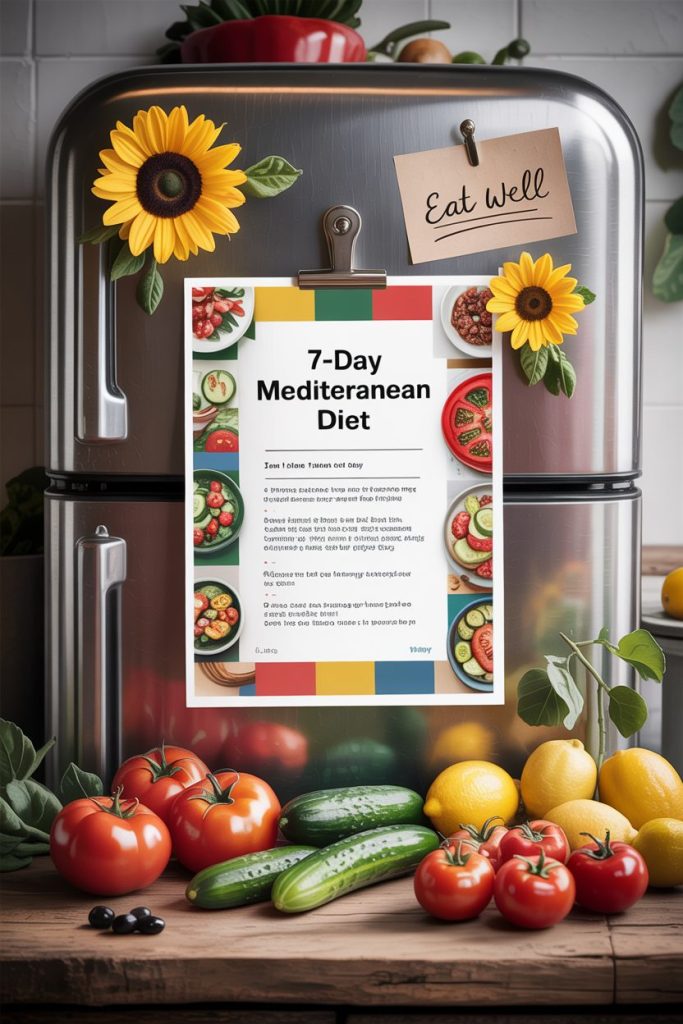
I get it—reading through meal plans online is one thing, but actually using them in real life is another. That’s why I put together a free printable 7-Day Mediterranean Diet PDF that you can download right now.
Inside, you’ll find:
- A neatly organized daily meal schedule (breakfast, lunch, dinner, snacks).
- A complete grocery list so you don’t forget anything.
- Easy portion swaps and alternatives if you’re vegetarian, dairy-free, or just picky.
- Space to add your own notes so you can personalize the plan.
Think of it as your Mediterranean meal-prep cheat sheet—perfect to stick on your fridge or bring along to the grocery store.
👉 [Download the FREE 7-Day Mediterranean Diet PDF here] (insert link).
Trust me, this little guide makes the whole process so much easier. Instead of stressing about what to cook, you’ll have a ready-to-go roadmap that keeps you on track and motivated.
Section 3: Mistakes to Avoid (and Bonus Hacks to Succeed)
Okay, now that you’ve got your shiny new meal plan, let’s talk about the common pitfalls people stumble into when starting the Mediterranean diet. Trust me, I’ve made a few of these myself—and learning from them made all the difference.
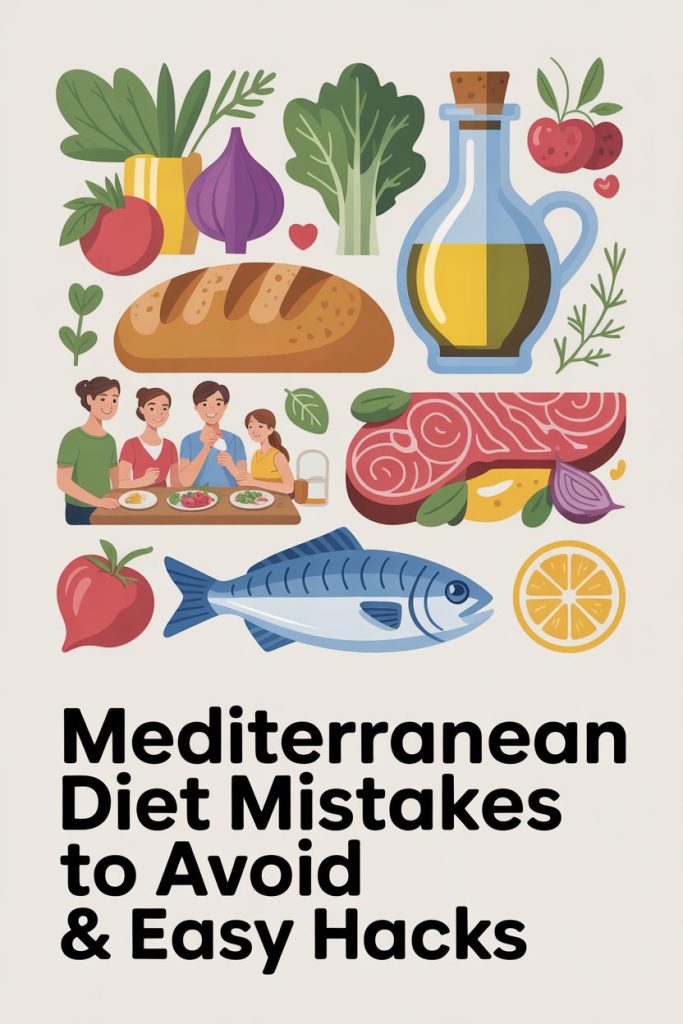
❌ Mistakes to Avoid:
- Overloading on bread and pasta
Just because whole grains are included doesn’t mean the Mediterranean diet is an all-you-can-eat pasta buffet. Balance is key—pair grains with plenty of veggies and protein. - Forgetting about portion sizes
Olive oil, nuts, and cheese are all healthy, but they’re calorie-dense. A drizzle of olive oil? Perfect. Half a bottle? Maybe not. - Relying too much on processed “Mediterranean-style” foods
Pre-packaged hummus, pita chips, or frozen falafel can be convenient, but they often hide excess sodium or preservatives. Make simple versions at home when you can. - Skipping seafood
Fish is the backbone of this eating style, yet many people eat it only once in a while. Aim for 2–3 times a week—grilled salmon, tuna, sardines, or shrimp all count. - Forgetting the lifestyle side of things
The Mediterranean diet isn’t just food—it’s about slowing down, eating with others, and enjoying meals mindfully.
🌟 Bonus Hacks That Make It Easier:
- Stock a “Mediterranean pantry.” Always keep olive oil, canned chickpeas, whole grain pasta, canned tuna, and dried herbs on hand—you can throw together a meal in minutes.
- Batch-prep veggies. Roast a big tray of bell peppers, zucchini, and eggplant on Sunday—you can toss them into wraps, salads, or pasta all week.
- Flavor without guilt. Use herbs, citrus, and spices liberally. They elevate meals without piling on calories.
- Snack smarter. Swap processed snacks for nuts, fruit with cheese, or veggies with tzatziki.
- Pair wine with meals. If you enjoy alcohol, sipping a small glass of red wine with dinner can be part of the lifestyle. Just don’t overdo it.
Section 4: My Experience (One Week on the Plan)
When I committed to trying the Mediterranean diet for a full 7 days, I’ll admit I was skeptical. I’d been burned by “diets” before, and I wasn’t sure this would be any different. But here’s how my week actually went:
- Day 1: Breakfast was Greek yogurt with walnuts and berries. It felt indulgent but healthy. Lunch was a big salad with olive oil and grilled chicken—simple but so satisfying. By dinner (baked salmon and veggies), I already noticed I wasn’t craving sugar like usual.
- Day 3: Normally by midweek, I’d be tired and reaching for coffee all day. But with oatmeal in the morning and a hearty tuna salad for lunch, I felt steady energy all afternoon.
- Day 5: The best part? I didn’t feel deprived. I had dark chocolate with pistachios for a snack, and it felt like a treat, not a cheat.
- Day 7: By the end of the week, I noticed my bloating had gone down, my skin looked clearer, and I actually looked forward to meals instead of stressing about them.
The surprising part wasn’t just the physical changes—it was the mental shift. Instead of obsessing over numbers and rules, I felt like I was finally enjoying food again. That’s why this plan feels so sustainable—it’s not about short-term fixes, but building habits you actually want to keep.

Ready to Start Your Own 7-Day Mediterranean Journey?
Here’s the truth: the Mediterranean diet works best when it’s simple, approachable, and realistic for your lifestyle. That’s why I created the FREE 7-Day Mediterranean Diet Printable PDF—so you don’t have to piece everything together on your own.
Inside, you’ll get:
✅ A done-for-you meal plan (no guesswork).
✅ A full grocery shopping list.
✅ Quick swaps for vegetarian or dairy-free eaters.
✅ Space for personal notes to keep you on track.
👉 Imagine walking into the kitchen each day already knowing what’s for breakfast, lunch, dinner, and snacks. No stress. No last-minute takeout. Just fresh, delicious meals that actually make you feel good.
Click below to grab your free guide and start your Mediterranean journey today:
[Download Your Free 7-Day Mediterranean Diet PDF Now] (insert link)
This is your chance to take the guesswork out of healthy eating and finally try a lifestyle that’s enjoyable, flexible, and proven to support long-term health. Don’t just read about it—live it.
FAQ: Mediterranean Diet Questions Answered
1. Is the Mediterranean diet good for weight loss?
Yes! While it’s not a “quick fix,” many people naturally lose weight because the diet emphasizes whole, filling foods that prevent overeating.
2. Do I have to eat fish to follow the Mediterranean diet?
Fish is recommended 2–3 times a week, but if you’re vegetarian or just don’t like it, you can focus on beans, lentils, and plant-based proteins.
3. Can I drink coffee on the Mediterranean diet?
Absolutely! Coffee and tea are fine—just go easy on sugar and cream. Black or lightly sweetened is best.
4. What kind of bread can I eat?
Stick with whole-grain or sourdough breads made with minimal ingredients. Avoid white, overly processed bread.
5. Do I have to give up meat completely?
Not at all. Red meat is limited, but you can still enjoy it occasionally (think once or twice a month). Poultry, eggs, and lean cuts are included.
6. Is wine required?
Nope! Some people enjoy a small glass of red wine with dinner, but it’s completely optional. You’ll get all the benefits without alcohol too.
7. Can I follow this diet if I’m gluten-free or dairy-free?
Yes! Swap whole grains for gluten-free options like quinoa or brown rice, and use plant-based yogurts or cheeses if you’re dairy-free.
8. Is it expensive to eat Mediterranean-style?
Not necessarily. Buying seasonal produce, dry beans, and canned fish can actually save money. Plus, cooking at home is cheaper than eating out.
9. Do I have to meal prep everything?
Meal prep helps, but it’s not mandatory. Many Mediterranean meals are quick to throw together—like a salad with olive oil, canned tuna, and chickpeas.
10. How quickly will I notice results?
Most people feel improvements in energy and digestion within a week or two. Long-term benefits (like heart health) build over time with consistency.
Conclusion: Your Next Step
Here’s the bottom line: the Mediterranean diet isn’t just another trend—it’s a lifestyle rooted in balance, flavor, and joy. It’s about filling your plate with foods you love while nourishing your body in the process.
If you’ve ever felt frustrated with diets that leave you hungry or guilty, this is your sign to try something different. You don’t have to overhaul your life overnight—just start with one meal, one day, one week.
And remember, I’ve already done the hard part for you. The free 7-Day Mediterranean Diet PDF is your roadmap to make this journey simple and stress-free. Download it, stick it on your fridge, and give yourself the gift of a fresh start.
Here’s to eating well, feeling great, and making healthy living something you actually enjoy.