30 Mediterranean Side Dishes You’ll Want to Make Again and Again
You know that feeling when you nail the main course but the side dishes are just… there? Like sad steamed broccoli or plain rice that nobody gets excited about? Yeah, I’ve been there too many times. But Mediterranean side dishes? They’re a whole different story.
These aren’t your typical boring sides that get pushed around the plate. Mediterranean cooking treats vegetables, grains, and legumes with actual respect—like they deserve to be delicious, not just nutritious afterthoughts. And the best part? Most of these sides are so good they could honestly be the main event.
I’ve been making Mediterranean food for years now, and these 30 side dishes are the ones I keep coming back to. They’re flavorful, easy to make, and actually get people asking for seconds. No wilted vegetables or flavorless starches here—just vibrant, satisfying dishes that make every meal better.
The Fresh and Light Sides
These are your go-to options when you want something bright and refreshing that won’t weigh you down.
1. Greek Salad (But Actually Good)
Listen, I know Greek salad sounds basic. But when you make it right—crisp cucumbers, ripe tomatoes, good feta, kalamata olives, and a proper lemony dressing—it’s legitimately addictive.
The key: Don’t skimp on the olive oil, and make sure your tomatoes are actually ripe. Those pale pink winter tomatoes will ruin everything. Toss everything right before serving so it stays crisp, and use this salad spinner to get your greens properly dry (soggy salad is nobody’s friend).
The antioxidants in tomatoes, especially lycopene, are actually better absorbed when paired with healthy fats like olive oil. So that generous drizzle isn’t just for flavor—it’s for your health too. Get Full Recipe
2. Cucumber Tomato Feta Salad
This is basically Greek salad’s simpler cousin. Just cucumbers, tomatoes, feta, olive oil, lemon juice, and oregano. Takes five minutes, feeds a crowd, and disappears faster than you’d expect.
Pro tip: Let it sit for about 15 minutes before serving. The salt pulls out the tomato juices and creates this amazing natural dressing. Just make sure to use a bowl that won’t stain—tomato juice is sneaky. Here’s my cucumber tomato feta salad with exact measurements.
3. Lemony Orzo Arugula Salad
Orzo salad is criminally underrated. It’s technically pasta, but the tiny shape makes it feel lighter somehow. Toss it with peppery arugula, lemon zest, olive oil, and some pine nuts if you’re feeling fancy.
Around 200 calories per serving, and the arugula adds a nice bite that cuts through richer main dishes. I cook my orzo in this pot with a strainer insert—makes draining pasta about 10 times easier. Check out the full version here.
4. Quinoa Tabbouleh
Traditional tabbouleh uses bulgur wheat, but quinoa works great if you’re looking for extra protein or going gluten-free. Lots of fresh parsley, mint, tomatoes, cucumber, lemon juice, and olive oil.
The secret: Way more herbs than you think you need. The parsley should be the star, not just a garnish. And finely chop everything—this isn’t a chunky salad. The protein in quinoa (about 8 grams per cup) makes this more filling than regular tabbouleh. Get the recipe right here.
5. Mediterranean Lentil Salad
Lentils are basically the perfect side dish ingredient. They’re cheap, filling, packed with protein and fiber, and they soak up dressing like champions.
Cook green or brown lentils (not red—they turn to mush), then toss with diced bell peppers, red onion, cherry tomatoes, feta, and a lemon-herb vinaigrette. Serve it warm or cold. Either way works. Full recipe over here.
The Roasted and Grilled Sides
When you want something with more depth and that slightly charred flavor that makes everything better.
6. Lemon Herb Roasted Potatoes
These potatoes are stupid simple but somehow always impressive. Cut them into chunks, toss with olive oil, lemon juice, garlic, oregano, and rosemary. Roast until crispy.
The technique: Make sure your oven is hot (425°F minimum) and don’t crowd the pan. Crowded potatoes steam instead of roast, and nobody wants steamed potatoes pretending to be roasted. I use this heavy-duty sheet pan because thin pans warp in high heat and your potatoes end up cooking unevenly.
They’re great with my lemon herb chicken with roasted potatoes, obviously.
7. Grilled Eggplant with Yogurt Sauce
Eggplant gets a bad rap because people don’t know how to cook it. But grill it right, and it becomes this smoky, creamy situation that’s borderline magical.
Slice it thick (about half an inch), brush with olive oil, season with salt and pepper, and grill until charred and tender. Top with garlicky yogurt sauce, fresh herbs, and a drizzle of olive oil. The yogurt sauce adds probiotics for gut health, plus it tastes way better than it sounds. Get Full Recipe
8. Roasted Cauliflower Shawarma Style
Cauliflower is having a moment, and this preparation is why. Toss florets with olive oil, cumin, coriander, paprika, turmeric, garlic powder, and a pinch of cinnamon. Roast until golden and crispy.
The spice blend is what makes this special. It’s warming and complex without being spicy-hot. Serve with tahini sauce for drizzling. This pairs perfectly with my roasted cauliflower shawarma bowl if you want to go all in.
9. Grilled Veggie Platter with Hummus
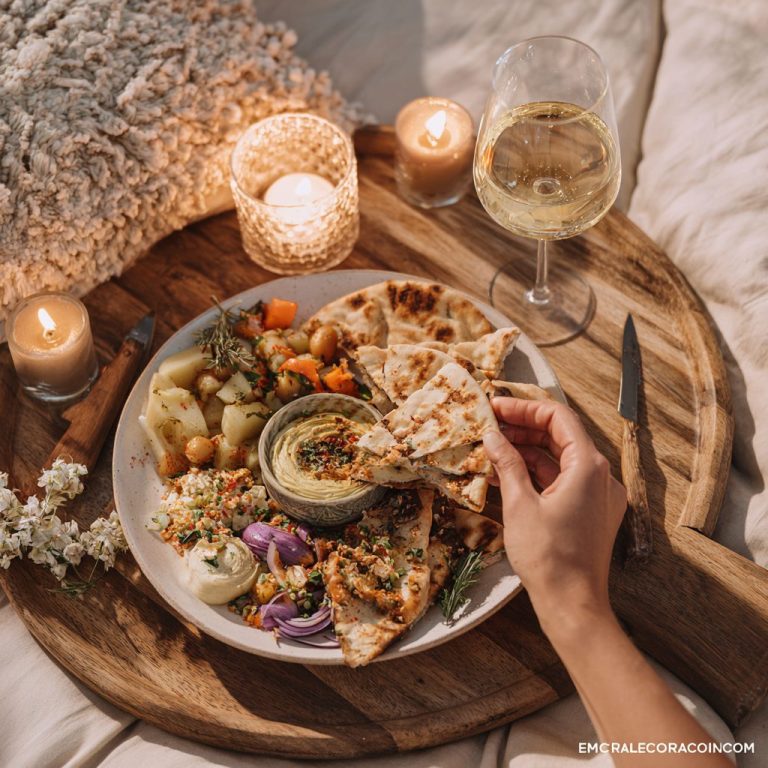
This is your ace in the hole for gatherings. Grill zucchini, bell peppers, eggplant, and red onion. Arrange them on a platter with hummus in the center. Boom—instant Mediterranean spread.
The trick: Cut everything the same thickness so it cooks evenly, and don’t flip too early or the veggies will stick to the grill. This grill basket prevents smaller pieces from falling through the grates. Here’s the full recipe.
10. Blistered Cherry Tomatoes with Garlic
Dead simple but so good. Heat olive oil in a pan, add whole cherry tomatoes and smashed garlic cloves, cook until the tomatoes burst and get slightly charred.
Season with salt, pepper, and fresh basil. The tomatoes create their own sauce that’s perfect for soaking up with bread. According to research from the American Heart Association, cooking tomatoes actually increases the bioavailability of lycopene, making them even more nutritious.
The Grain and Legume Sides
These are your hearty, filling options that can practically be meals on their own.
11. Herbed Couscous
Couscous is the ultimate lazy side dish. It cooks in five minutes—you literally just pour boiling water over it, cover, and wait.
Fluff it with a fork, then stir in olive oil, lemon zest, fresh herbs (parsley, mint, dill—whatever you have), and maybe some toasted pine nuts. It’s fluffy, light, and soaks up any sauce from your main dish. Pairs great with dishes like lemon garlic grilled chicken with couscous.
12. Mediterranean Grain Bowl Base
This isn’t one specific recipe—it’s more of a template. Start with farro, bulgur, or freekeh. Add chickpeas, diced cucumber, tomatoes, red onion, olives, and feta. Dress with olive oil and lemon.
You can customize this endlessly based on what you have. The beauty of grain bowls is they’re basically impossible to mess up. Check out my Mediterranean grain bowl for the full breakdown.
13. Chickpea Salad
Cold chickpea salad is criminally underrated. Drain and rinse canned chickpeas (or cook your own if you’re ambitious), then toss with diced cucumber, tomatoes, red onion, parsley, lemon juice, and olive oil.
The protein and fiber in chickpeas make this surprisingly filling—about 15 grams of protein per cup. Plus, they’re plant-based, making them suitable for pretty much any dietary restriction. I actually have a Mediterranean chickpea bowl version that’s more substantial.
14. Lentil Soup (Served as a Side)
Okay, hear me out. Small portions of lentil soup actually work great as a side dish, especially with grilled meats or fish. It adds warmth and substance without being heavy.
Make it with red lentils, tomatoes, onions, garlic, cumin, and a squeeze of lemon at the end. Ladle out small bowls alongside your main course. My lentil spinach soup is perfect for this.
15. Farro with Roasted Vegetables
Farro has this amazing chewy texture that regular rice just can’t match. Cook it in vegetable broth for extra flavor, then toss with roasted vegetables—zucchini, bell peppers, cherry tomatoes, red onion.
Add fresh herbs and a lemon vinaigrette. The whole grain benefits of farro include fiber, protein, and a lower glycemic index than white rice. Try my tomato feta farro bowl to see what I mean.
The Dips and Spreads
Because sometimes the best side dish is something you scoop with bread.
16. Whipped Feta Dip
This dip is ridiculously easy and always gets demolished. Blend feta cheese with Greek yogurt, olive oil, lemon juice, and garlic until smooth and creamy.
Drizzle with olive oil and honey, sprinkle with thyme or red pepper flakes. Serve with pita chips or vegetables. The tangy-sweet combo is addictive. Get Full Recipe
17. Classic Hummus (Done Right)
Everyone thinks they know hummus, but most people don’t get it quite right. The secret is using tahini that’s not ancient, adding ice water while blending for extra creaminess, and being generous with the lemon juice.
Blend chickpeas, tahini, garlic, lemon juice, cumin, and salt with ice water until impossibly smooth. Drizzle with olive oil and sprinkle with paprika. I use this food processor because it’s powerful enough to make hummus actually smooth, not grainy.
18. Baba Ganoush
If you’ve never made baba ganoush at home, you’re missing out. Roast eggplants until they collapse, scoop out the flesh, and blend with tahini, garlic, lemon juice, and cumin.
The smoky flavor from charring the eggplant is what makes this special. You can roast it in the oven or directly over a gas flame if you’re feeling adventurous. The fiber in eggplant supports digestive health without adding many calories.
19. Tzatziki
Cool, creamy, garlicky tzatziki makes everything better. Grate cucumber, squeeze out the excess water (this is crucial—watery tzatziki is sad), then mix with Greek yogurt, minced garlic, dill, olive oil, lemon juice, and salt.
Let it sit for at least 30 minutes before serving so the flavors can meld. The probiotics in Greek yogurt support gut health, and garlic has anti-inflammatory properties. This goes perfectly with my falafel wrap with tzatziki.
20. Olive Tapenade
Blend kalamata olives, capers, garlic, anchovies (trust me), lemon juice, and olive oil until chunky but spreadable. Serve on toasted bread or with vegetables.
This is one of those things that sounds weird but tastes incredible. The umami from the anchovies makes everything richer without tasting fishy. Get Full Recipe
The Warm and Cozy Sides
For when you want something comforting and substantial.
21. Spanakopita-Style Spinach
You get all the flavors of spanakopita without the hassle of phyllo dough. Sauté spinach with onions and garlic, stir in feta and dill, season with nutmeg, salt, and pepper.
It’s creamy, savory, and packed with iron from the spinach. Serve it warm as a side to grilled chicken or fish. The combination of spinach and feta is classic Greek cooking for a reason—it just works.
22. Braised White Beans
White beans braised in tomato sauce with garlic, olive oil, and herbs are comfort food at its finest. They’re creamy, rich, and surprisingly filling.
Use cannellini or great northern beans. Simmer them gently so they stay intact but absorb all the flavors. The plant-based protein in beans makes them a smart choice for anyone looking to eat less meat. Similar vibes to my tuna white bean salad but warmer.
23. Roasted Red Peppers with Garlic
Roast red bell peppers until the skins char and blister, then peel them and marinate in olive oil with garlic and fresh herbs. They’re sweet, smoky, and ridiculously versatile.
You can serve them warm or at room temperature. The natural sweetness of roasted peppers caramelizes during cooking, creating depth without adding sugar. I store these in glass containers with tight lids so they don’t pick up fridge smells.
24. Stuffed Grape Leaves (Dolmas)
Okay, these take some time to make, but they’re so worth it. Rice, herbs, lemon, and sometimes pine nuts wrapped in grape leaves and simmered in lemon broth.
You can buy jarred grape leaves to make this easier. Roll them tight, pack them in a pot, and simmer until tender. They’re tangy, herbaceous, and oddly satisfying to eat. Get Full Recipe
25. Gigantes Plaki (Greek Baked Beans)
These aren’t your American baked beans. Gigantes plaki uses giant lima beans baked in tomato sauce with dill, parsley, and plenty of olive oil.
The beans get creamy and absorb all the tomato flavor. Serve them warm with crusty bread for soaking up the sauce. The beans provide both protein and fiber, making them incredibly satisfying.
The Quick and Easy Sides
When you need something fast but still delicious.
26. Sautéed Green Beans with Lemon
Fresh green beans, olive oil, garlic, lemon zest, and a squeeze of lemon juice. Sauté until tender-crisp—about 5-7 minutes.
The brightness of the lemon keeps them from being boring, and the garlic adds depth. This is one of those sides that goes with literally everything. The vitamin C in lemon helps your body absorb the iron from the green beans.
27. Simple Tomato Salad
When tomatoes are in season, this is all you need. Slice ripe tomatoes, sprinkle with salt, drizzle with good olive oil, and add fresh basil.
That’s it. No vinegar, no fuss. Just perfect tomatoes being perfect. The salt draws out the juices and creates a natural dressing. Sometimes simple really is best.
28. Garlic Sautéed Spinach
Heat olive oil, add sliced garlic, then dump in a massive pile of spinach. It’ll wilt down to nothing, so use more than you think you need.
Season with salt, pepper, and a squeeze of lemon. Done in under 10 minutes, packed with nutrients, and tastes way better than steamed spinach. The iron in spinach is better absorbed when eaten with vitamin C (hence the lemon).
29. Za’atar Roasted Chickpeas
Drain and dry canned chickpeas really well, toss with olive oil and za’atar spice blend, then roast until crispy. They’re crunchy, addictive, and work as both a side dish and a snack.
The za’atar adds a complex, nutty flavor that’s hard to describe but impossible not to love. These stay crispy for a few days in an airtight container—if they last that long. For more chickpea inspo, check out these cinnamon roasted chickpeas.
30. Mediterranean Slaw
Shred cabbage (green, red, or both), carrots, and red onion. Dress with olive oil, lemon juice, a tiny bit of honey, and fresh herbs like mint or parsley.
It’s crunchy, refreshing, and way more interesting than regular coleslaw. The fiber in cabbage supports digestive health, and unlike mayo-based slaws, this one actually gets better as it sits.
Making Mediterranean Sides Part of Your Routine
The beauty of Mediterranean side dishes is that they’re not complicated. Most of them use simple ingredients you probably already have—olive oil, lemon, garlic, herbs. But the combinations create something way more interesting than the sum of their parts.
Meal prep tip: Most of these sides actually improve after sitting for a few hours or overnight. Make grain salads, bean salads, and roasted vegetables ahead of time. They’ll be ready when you need them, and the flavors will be even better.
Mix and match: Don’t stress about pairing the “right” side with the “right” main dish. Mediterranean cooking is flexible. A Greek salad goes with basically everything. Roasted vegetables work with any protein. Hummus never disappoints.
Keep it seasonal: Use what’s fresh and available. Cherry tomatoes in summer, roasted root vegetables in winter, fresh herbs whenever you can get them. The Mediterranean diet emphasizes eating with the seasons for a reason—it just tastes better.
For more Mediterranean meal ideas, check out these 25 Mediterranean diet dinners or this 21-day Mediterranean diet plan if you want to commit fully.
The Final Word
Side dishes shouldn’t be an afterthought. They shouldn’t be boring vegetables you force yourself to eat because you’re supposed to. Mediterranean side dishes prove that vegetables, grains, and legumes can be just as exciting as the main course—sometimes even more so.
These 30 options give you enough variety to never get bored. Some are light and fresh, others are hearty and filling. Some take five minutes, others need a bit more time. But all of them are delicious, nutritious, and actually worth making again and again.
Start with one or two that sound appealing, then branch out from there. Before you know it, you’ll have a whole repertoire of sides that make every meal better. And who knows—you might even become the person people ask for side dish recipes. Stranger things have happened.