
30 Mediterranean Meals for Weight Management
Look, I’m not here to sell you some miracle diet that promises you’ll lose 20 pounds in a week while eating nothing but lettuce and regret. But if you’ve been curious about how people in Greece seem to eat actual food—like, real food with flavor—and somehow stay relatively healthy, you’re in the right place.
The Mediterranean way of eating isn’t really a “diet” in the annoying, restrictive sense. It’s more like… a lifestyle choice that doesn’t make you want to cry into your sad desk salad. We’re talking olive oil, fresh veggies, lean proteins, whole grains, and yeah, even some wine if that’s your thing. No calorie-counting apps required, no weird shakes, no feeling like you’re punishing yourself for existing.
I’ve been incorporating these meals into my routine for a while now, and honestly? I feel better, I’m not constantly hangry, and I actually enjoy what I’m eating. Wild concept, I know.

Why Mediterranean Eating Works for Weight Management
Here’s the thing about Mediterranean meals: they’re built around foods that actually keep you full. You’re not going to be raiding the pantry an hour after dinner because your body got tricked by some processed nonsense masquerading as nutrition.
The meals focus on whole foods—vegetables, fruits, legumes, whole grains, fish, and healthy fats. These aren’t empty calories that spike your blood sugar and leave you crashing harder than my motivation on a Monday morning. They’re nutrient-dense, fiber-rich options that give your body what it actually needs. According to research from the Mayo Clinic, the Mediterranean diet is consistently linked to better heart health and sustainable weight management.
Plus, when you cook with quality olive oil, fresh herbs, and actual ingredients you can pronounce, food tastes better. And when food tastes better, you’re less likely to feel deprived. Less deprivation means you’re more likely to stick with it. It’s not rocket science, but it’s effective.
Portion control happens naturally when you’re eating foods that satisfy you. A big bowl of lentil soup with crusty bread? You’re done. You’re not mindlessly eating half a bag of chips because your brain never got the “we’re full now” signal.
Breakfast Options That Don’t Suck
Greek Yogurt Bowl with Berries and Honey
This is my go-to when I need something quick but don’t want to feel like garbage by 10 AM. Full-fat Greek yogurt (yes, full-fat—your body needs some fat to function, and it keeps you satisfied longer), fresh berries for natural sweetness and antioxidants, a drizzle of honey, and maybe some walnuts if you’re feeling fancy.
The protein from the yogurt keeps you full, the berries add fiber and vitamins without loading you up with sugar, and the honey gives you just enough sweetness to feel like you’re not eating punishment food. Get the full recipe here. I use these glass breakfast bowls that make everything look more appealing—weird how presentation matters, even when you’re eating alone.
Avocado Toast with Tomato and Olive Oil
Yeah, I know, avocado toast became the poster child for millennial financial irresponsibility or whatever. But hear me out—it’s actually a solid breakfast. Whole grain bread (the real stuff, not the white bread pretending to be healthy), mashed avocado with some lemon juice and sea salt, sliced tomatoes, and a drizzle of good olive oil.
The healthy fats from the avocado and olive oil keep you satisfied, the whole grains provide sustained energy, and the tomatoes add vitamins and that fresh, bright flavor. It takes maybe five minutes to make. Check out this Mediterranean-style version for extra inspiration.
Mediterranean Smoothie Bowl
When I want something cold and refreshing but still filling, I blend frozen berries, a banana (which provides potassium and natural energy), spinach (you can’t taste it, I promise), Greek yogurt, and a splash of almond milk. Pour it into a bowl, top it with granola, seeds, maybe some coconut flakes, and you’ve got yourself a breakfast that looks Instagram-worthy and actually fuels your morning.
The combination of protein from the yogurt, fiber from the fruit and spinach, and healthy fats from any nuts or seeds you add keeps your energy stable. No mid-morning crash, no desperate coffee run because you’re starving. Get the complete recipe and topping ideas here. I swear by this immersion blender for making these—quick cleanup, no giant blender base taking up counter space.
Savory Mediterranean Scramble
Not everyone wants sweet for breakfast, and that’s fine. Scramble some eggs with spinach, tomatoes, a bit of feta cheese, and some fresh herbs. Cook it in olive oil instead of butter. Season with oregano, salt, and pepper.
Eggs are protein powerhouses, and when you load them up with vegetables, you’re getting fiber and nutrients without adding many calories. The feta adds flavor without going overboard on calories, and the olive oil provides those heart-healthy fats. Here’s the full recipe if you want exact measurements. This keeps me full until lunch without that heavy, sluggish feeling.
Oatmeal with Dried Figs, Walnuts, and Cinnamon
Steel-cut oats cooked with water or unsweetened almond milk, topped with chopped dried figs for natural sweetness, crushed walnuts for omega-3s and crunch, and a generous sprinkle of cinnamon. The figs provide fiber and minerals like potassium, while walnuts offer plant-based protein and healthy fats that support brain health.
This isn’t your sad instant oatmeal packet. This is real food that sticks with you. The complex carbs from the oats release energy slowly, and the combination of fiber, protein, and fat means you’re not hungry an hour later. Get the recipe for the perfect texture every time. I use this small food chopper to prep the walnuts—makes the job weirdly satisfying, and no accidentally eating half the bag while chopping.
Lunch Ideas That Travel Well
Lentil Soup with Crusty Bread
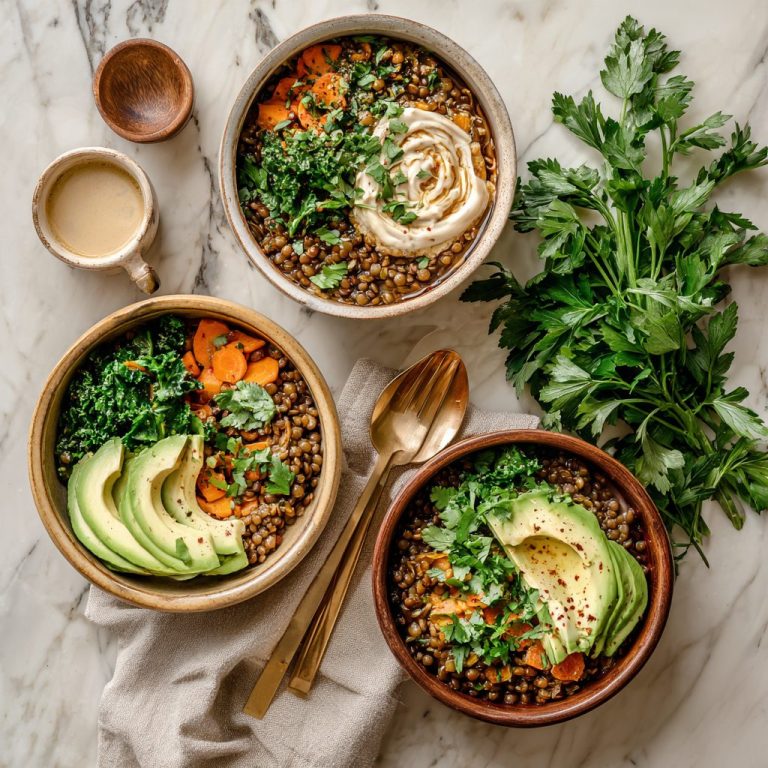
Lentils are basically magic. They’re cheap, they’re packed with protein and fiber, and they’re ridiculously filling. A simple lentil soup with onions, garlic, tomatoes, carrots, and spices like cumin and paprika is comfort food that won’t wreck your goals.
Pair it with a piece of whole grain crusty bread for dipping, and you’ve got a lunch that costs maybe two dollars and keeps you satisfied for hours. Here’s my go-to recipe—I make a big batch on Sunday and eat it throughout the week. Sometimes I throw in some spinach near the end for extra nutrients. These meal prep containers are perfect for portioning it out—they’re microwave-safe and don’t get weird in the dishwasher.
Grilled Veggie Platter with Hummus
When I meal prep, I grill a ton of vegetables—zucchini, bell peppers, eggplant, red onions—with just olive oil, salt, and pepper. Store them in the fridge and pack them with hummus for lunch.
The vegetables are low in calories but high in volume and fiber, so you can eat a lot without overdoing it. The hummus adds protein and healthy fats from the chickpeas and tahini. Full recipe and grilling tips. Bring some whole wheat pita on the side if you need more substance. This setup is versatile, and honestly, cold grilled veggies are surprisingly good.
Tuna and White Bean Salad
Mix canned tuna (in water, not oil—save your fat calories for the good stuff) with white beans, cherry tomatoes, red onion, cucumber, fresh parsley, lemon juice, and olive oil. Season with salt, pepper, and a little dried oregano.
The tuna provides lean protein, the beans add fiber and plant-based protein, and the vegetables bulk it up without adding many calories. Here’s the complete recipe. This is one of those meals that feels light but keeps you full because of the protein-fiber combo. Plus, it’s easy to throw together in the morning before work.
Whole Wheat Spaghetti with Cherry Tomatoes and Basil
Who says pasta can’t be part of weight management? Whole wheat pasta has more fiber and protein than regular pasta, and when you pair it with a simple sauce of sautéed cherry tomatoes, garlic, olive oil, and fresh basil, you’ve got a satisfying meal that won’t leave you feeling heavy.
The key is portion control—measure your pasta, don’t just eyeball it and end up eating half the box. Get the recipe here. Add some grilled chicken or white beans if you want extra protein. The tomatoes provide vitamins and antioxidants, and the olive oil adds healthy fats that help you absorb those nutrients better. I use this pasta measuring tool because my idea of “one serving” was apparently three servings.
Mediterranean Grain Bowl
Start with quinoa or farro as your base. Top with roasted vegetables, chickpeas, cucumber, tomatoes, red onion, a handful of greens, and a tahini-lemon dressing. Maybe add some crumbled feta if you’re feeling it.
This is one of those meals where you can use whatever vegetables you have on hand. Here’s a great base recipe. The whole grains provide complex carbs and fiber, the chickpeas add protein, and the vegetables pack in nutrients and volume. The tahini dressing is rich and satisfying, so you don’t need much to feel like you’re eating real food. If you’re looking for more filling lunch options, check out these 15 Mediterranean lunches that actually keep you satisfied.
Dinner Options That Satisfy
Lemon Herb Chicken with Roasted Potatoes
Marinate chicken breasts in lemon juice, olive oil, garlic, oregano, and rosemary. Roast them alongside baby potatoes tossed in the same marinade. Add some green beans or asparagus to the pan in the last 15 minutes.
Chicken is lean protein that keeps you full, potatoes get a bad rap but they’re actually quite nutritious and filling (especially with the skin on), and the vegetables round out the meal. Get the full recipe. The lemon and herbs make everything taste bright and flavorful without needing heavy sauces or tons of butter.
Grilled Salmon with Tomato-Caper Relish
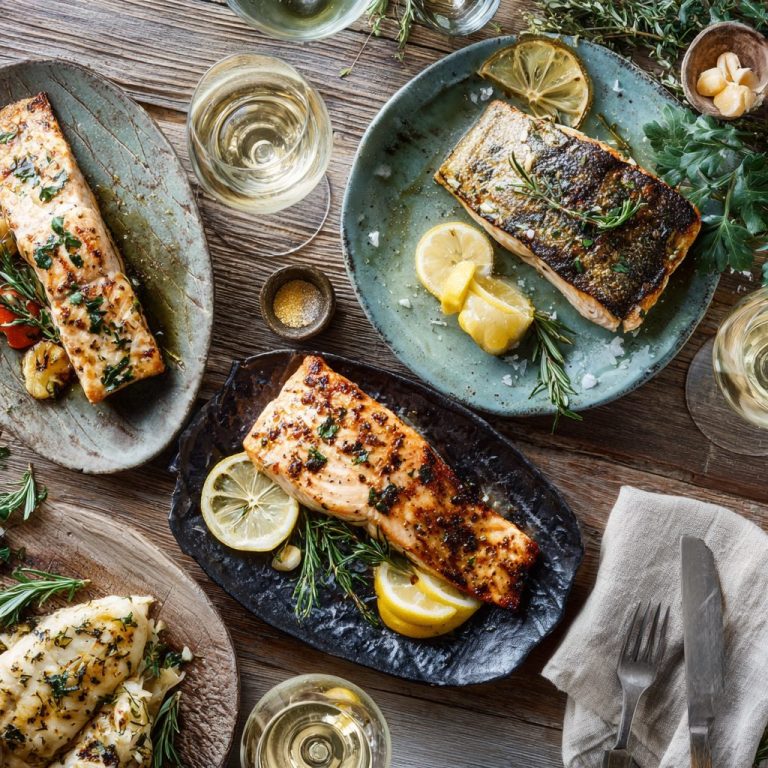
Salmon is rich in omega-3 fatty acids, which according to Healthline support heart health and may help with weight management. Grill a salmon fillet and top it with a simple relish made from diced tomatoes, capers, red onion, parsley, lemon juice, and olive oil.
Serve it with quinoa and steamed broccoli, and you’ve got a complete meal. Here’s the recipe. The salmon provides high-quality protein and healthy fats, the quinoa adds fiber and plant protein, and the broccoli brings vitamins and minerals. The relish adds brightness and flavor without piling on calories. For more salmon ideas, these 10 Mediterranean salmon recipes are legitimately good.
Shrimp Sautéed in Garlic and Olive Oil with Couscous
Shrimp cooks in literally five minutes, which makes this perfect for busy weeknights. Sauté shrimp in olive oil with tons of garlic, a pinch of red pepper flakes, lemon zest, and fresh parsley. Serve over whole wheat couscous with a side of sautéed spinach.
Shrimp is nearly all protein with minimal fat and calories. Full recipe here. The garlic and spices add flavor without adding much to the calorie count, and the couscous is a lighter grain option that still gives you that satisfying carb element. The spinach bulks up the meal and adds iron and other nutrients. This cast iron skillet is my secret weapon for getting shrimp perfectly seared without sticking.
Stuffed Bell Peppers with Quinoa and Veggies
Cut bell peppers in half, remove the seeds, and stuff them with a mixture of cooked quinoa, diced tomatoes, black beans, corn, onions, and spices like cumin and paprika. Top with a little feta or mozzarella if you want, then bake until the peppers are tender.
This is a complete meal in a pepper. Get the recipe. The quinoa and beans provide protein and fiber, the vegetables add nutrients and volume, and the pepper itself is low in calories but adds a sweet, roasted flavor. You can make these ahead and reheat them throughout the week.
Baked Salmon with Herbed Quinoa
Season salmon fillets with salt, pepper, and dill. Bake them while you cook quinoa in vegetable broth with garlic and fresh herbs. Serve the salmon over the quinoa with a side of roasted Brussels sprouts or green beans.
This is simple, elegant, and ridiculously satisfying. Here’s the recipe. The salmon provides omega-3s and protein, the quinoa adds fiber and plant protein, and the vegetables round out the nutritional profile. Sometimes simple is best, especially on weeknights when you just want to eat and relax.
Greek Salad (But Like, Actually Good)
I’m talking a real Greek salad here—not the sad iceberg lettuce version with a few olives thrown in. Chop up cucumbers, tomatoes, red onion, and bell peppers. Add Kalamata olives and chunks of feta. Dress it with olive oil, red wine vinegar, oregano, salt, and pepper.
Serve it with grilled chicken or chickpeas for protein, and maybe some whole grain pita on the side. Get the authentic recipe. The vegetables provide volume and nutrients, the olives and feta add healthy fats and tons of flavor, and the simple dressing lets the ingredients shine. This is the kind of salad that doesn’t leave you hungry an hour later. I use this salad spinner religiously—dry lettuce makes all the difference in how the dressing clings.
Shakshuka (Eggs in Spicy Tomato Sauce)
Sauté onions and bell peppers, add crushed tomatoes, garlic, cumin, paprika, and a little cayenne if you like heat. Let it simmer, then create wells in the sauce and crack eggs into them. Cover and cook until the eggs are set.
Serve with whole grain bread for dipping. Here’s the full recipe. The eggs provide protein, the tomato sauce is low in calories but high in flavor, and the spices add warmth and depth. This is comfort food that happens to be nutritious and filling.
Mediterranean Tuna Stuffed Peppers
Mix canned tuna with diced tomatoes, olives, capers, red onion, and a little olive oil. Stuff this mixture into halved bell peppers and bake until the peppers are tender.
This is quick, easy, and perfect for meal prep. Recipe here. The tuna provides lean protein, the vegetables add fiber and nutrients, and the olives and capers bring that briny, Mediterranean flavor. You can eat these hot or cold, which makes them super versatile.
Lemon Garlic Grilled Chicken with Couscous
Marinate chicken thighs (yes, thighs—they’re more flavorful and stay moist) in lemon juice, garlic, olive oil, and oregano. Grill them and serve over whole wheat couscous with a cucumber-tomato salad on the side.
Chicken thighs have a bit more fat than breasts, but they’re so much more satisfying and flavorful. Get the recipe. The couscous is light and fluffy, and the salad adds freshness and crunch. This feels like a complete meal without being heavy.
One-Pot Mediterranean Pasta
Cook whole wheat pasta in a pot with cherry tomatoes, garlic, olive oil, vegetable broth, spinach, and white beans. Everything cooks together, and the starch from the pasta creates a light sauce. Finish with fresh basil and a squeeze of lemon.
This is one of those meals where cleanup is minimal and the flavor is maximum. Full recipe here. The pasta provides carbs, the beans add protein, the spinach brings nutrients, and the tomatoes create a light, fresh sauce. It’s comforting without being heavy.
Lighter Options and Sides
Olive Tapenade on Toasted Baguette
Blend Kalamata olives, capers, garlic, olive oil, and lemon juice into a chunky paste. Spread it on toasted whole grain baguette slices.
This is more of an appetizer or snack, but it’s intensely flavorful and satisfying in small amounts. Recipe here. The olives provide healthy fats, and a little goes a long way because the flavor is so concentrated. Pair it with raw vegetables if you want to bulk it up.
Easy Baked Falafel
Traditional fried falafel is delicious but calorie-dense. Baked falafel gives you that same chickpea goodness with less oil. Blend chickpeas, onion, garlic, parsley, cumin, coriander, and a little flour. Form into patties and bake until crispy.
Serve in whole wheat pita with tahini sauce, tomatoes, cucumbers, and lettuce. Get the recipe. The chickpeas provide protein and fiber, and baking instead of frying cuts down on fat without sacrificing too much on taste. These silicone baking mats are lifesavers—zero sticking, zero scrubbing, and they last forever.
Grilled Eggplant with Yogurt Sauce
Slice eggplant lengthwise, brush with olive oil, season with salt and pepper, and grill until tender. Top with a yogurt sauce made from Greek yogurt, garlic, lemon juice, and fresh mint.
Eggplant is low in calories and has a meaty texture when grilled. Recipe here. The yogurt sauce adds protein and creaminess without being heavy. This works as a side dish or a light main course if you pair it with some whole grain bread and a salad.
Mediterranean Chickpea Wraps
Mash chickpeas with a little tahini, lemon juice, garlic, and cumin. Spread this on a whole wheat wrap, add cucumbers, tomatoes, lettuce, red onion, and a drizzle of tahini sauce. Roll it up.
This is basically a deconstructed falafel wrap that’s easier to make and less messy to eat. Full recipe. The chickpeas provide protein and fiber, the vegetables add crunch and freshness, and the tahini brings healthy fats and that nutty, creamy flavor.
Cucumber Tomato Feta Salad
Dice cucumbers and tomatoes. Add crumbled feta, red onion, Kalamata olives, olive oil, red wine vinegar, oregano, salt, and pepper. Toss and let it sit for a few minutes so the flavors meld.
This is refreshing, crunchy, and incredibly simple. Get the recipe. The vegetables are mostly water, so they’re low in calories but high in volume. The feta and olives add flavor and healthy fats. This works as a side dish or a light lunch with some grilled chicken or chickpeas.
Homemade Baked Falafel
Similar to the easy version but with a few more herbs and spices. Soak dried chickpeas overnight, then blend them with onion, garlic, parsley, cilantro, cumin, coriander, and a touch of flour. Form into balls, brush with olive oil, and bake.
These are crispy on the outside and tender on the inside. Recipe here. Serve them in pita with all the fixings or over a salad. The protein and fiber from the chickpeas keep you full, and the herbs make them taste vibrant and fresh.
Whipped Feta Dip with Honey and Thyme
Blend feta cheese with Greek yogurt, a little olive oil, lemon juice, and fresh thyme until smooth and creamy. Drizzle with honey and serve with whole grain pita chips or raw vegetables.
This dip is tangy, creamy, and slightly sweet from the honey. Get the recipe. A little goes a long way because the flavor is so concentrated. Pair it with cucumber slices, bell pepper strips, or carrot sticks for a satisfying snack. This small food processor is perfect for whipping dips—just the right size, and it doesn’t take up half your counter.
Lentil Sweet Potato Stew
Cook lentils with diced sweet potatoes, onions, garlic, tomatoes, and spices like cumin, turmeric, and smoked paprika. Add vegetable broth and let it simmer until everything is tender.
This is hearty, warming, and incredibly filling. Recipe here. The lentils provide protein and fiber, the sweet potatoes add natural sweetness and vitamins, and the spices make it taste complex and satisfying. This is the kind of meal that makes you forget you’re eating “healthy.”
Mediterranean Chickpea Skillet
Sauté chickpeas with bell peppers, onions, tomatoes, garlic, and Mediterranean spices until everything is tender and the flavors meld together. Finish with fresh herbs and a squeeze of lemon.
This is a quick, one-pan meal that’s perfect for busy weeknights. Get the recipe. The chickpeas provide plant-based protein, the vegetables add fiber and nutrients, and the spices make it taste bold and satisfying.
Spaghetti Squash with Tomato Basil Sauce
Roast spaghetti squash until tender, then scrape out the strands. Top with a simple tomato sauce made from crushed tomatoes, garlic, olive oil, and fresh basil.
This is a lower-calorie alternative to pasta that still gives you that comforting, noodle-like experience. Recipe here. The squash is mild and slightly sweet, and the tomato sauce adds flavor without loading on calories. Add some grilled chicken or chickpeas for protein.
Why This Approach Actually Works Long-Term
Here’s the truth: most diets fail because they’re miserable. You can white-knuckle your way through restrictive eating for a while, but eventually, you crack and end up face-first in a pizza.
Mediterranean eating works because it’s not about restriction—it’s about eating real, whole foods that taste good and keep you satisfied. You’re not counting every calorie or measuring everything to the gram. You’re just eating reasonable portions of nutritious food and enjoying the process.
The emphasis on vegetables, whole grains, and lean proteins means you’re getting plenty of fiber and protein, which are the two things that actually keep you full. The healthy fats from olive oil, nuts, and fish help with satiety and nutrient absorption. And the focus on fresh herbs and spices means everything tastes good without needing heavy sauces or excessive salt.
You’re also eating a variety of foods, which means you’re less likely to get bored and bail on the whole thing. Some days you want eggs, some days you want lentils, some days you want fish. There’s enough variety that you don’t feel like you’re eating the same thing every day.
For more structured meal planning ideas, check out this 21-day Mediterranean diet plan or this 30-day challenge with grocery lists.
Practical Tips for Making This Work
Prep your ingredients on the weekend. Chop vegetables, cook grains, grill some chicken or fish. Store everything in containers so you can throw meals together quickly during the week. I keep a set of glass meal prep containers that makes everything so much easier—everything stays fresh, and you can see what you have. No more mystery containers in the back of the fridge.
Keep your pantry stocked with basics. Canned tomatoes, chickpeas, lentils, olive oil, whole wheat pasta, quinoa, spices. When you have these on hand, you can make a decent meal even when your fridge is looking sad. I use these airtight storage containers for keeping grains and legumes fresh—they stack nicely and keep everything organized.
Don’t be afraid of fat. Olive oil is not your enemy. Neither are avocados or nuts. These foods provide healthy fats that your body needs, and they help you feel satisfied so you’re not constantly hungry. Just be reasonable about portions—a drizzle of olive oil, not half the bottle. I finally invested in this olive oil dispenser that actually controls how much comes out, which has been a game-changer.
Eat slowly and actually taste your food. This sounds obvious, but how often do you scarf down a meal while staring at your phone or computer? When you eat slowly and pay attention, you notice when you’re full and you enjoy the food more.
Don’t try to be perfect. Some days you’ll eat a Mediterranean-style meal, and some days you’ll eat pizza. That’s fine. The goal is to make healthier choices most of the time, not to be perfect all the time. If you aim for perfection, you’ll just stress yourself out and give up.
If you want more structured guidance, these 10 Mediterranean meal prep recipes take a lot of the guesswork out of the process.
The Bottom Line
Look, I’m not going to promise that eating Mediterranean meals will magically transform your life or make you lose 50 pounds overnight. Weight management is complicated, and food is just one piece of the puzzle.
But what I can tell you is that these meals are satisfying, nutritious, and actually enjoyable to eat. You’re not going to feel deprived or hungry all the time. You’re not going to be choking down bland chicken breast and steamed broccoli while dreaming of real food.
These are real meals that taste good, keep you full, and happen to be good for you. They’re based on a way of eating that’s been around for centuries and has a solid track record of supporting health and longevity.
You can start with just one or two meals from this list and build from there. You don’t have to overhaul your entire life overnight. Pick a breakfast you think sounds good, try it for a week, and see how you feel. Then add a lunch option. Then a dinner. Before you know it, you’ve developed new habits that don’t feel like a chore.
The Mediterranean approach to eating isn’t about deprivation or punishment. It’s about enjoying food that’s both delicious and nourishing. And honestly, that’s a pretty good deal.