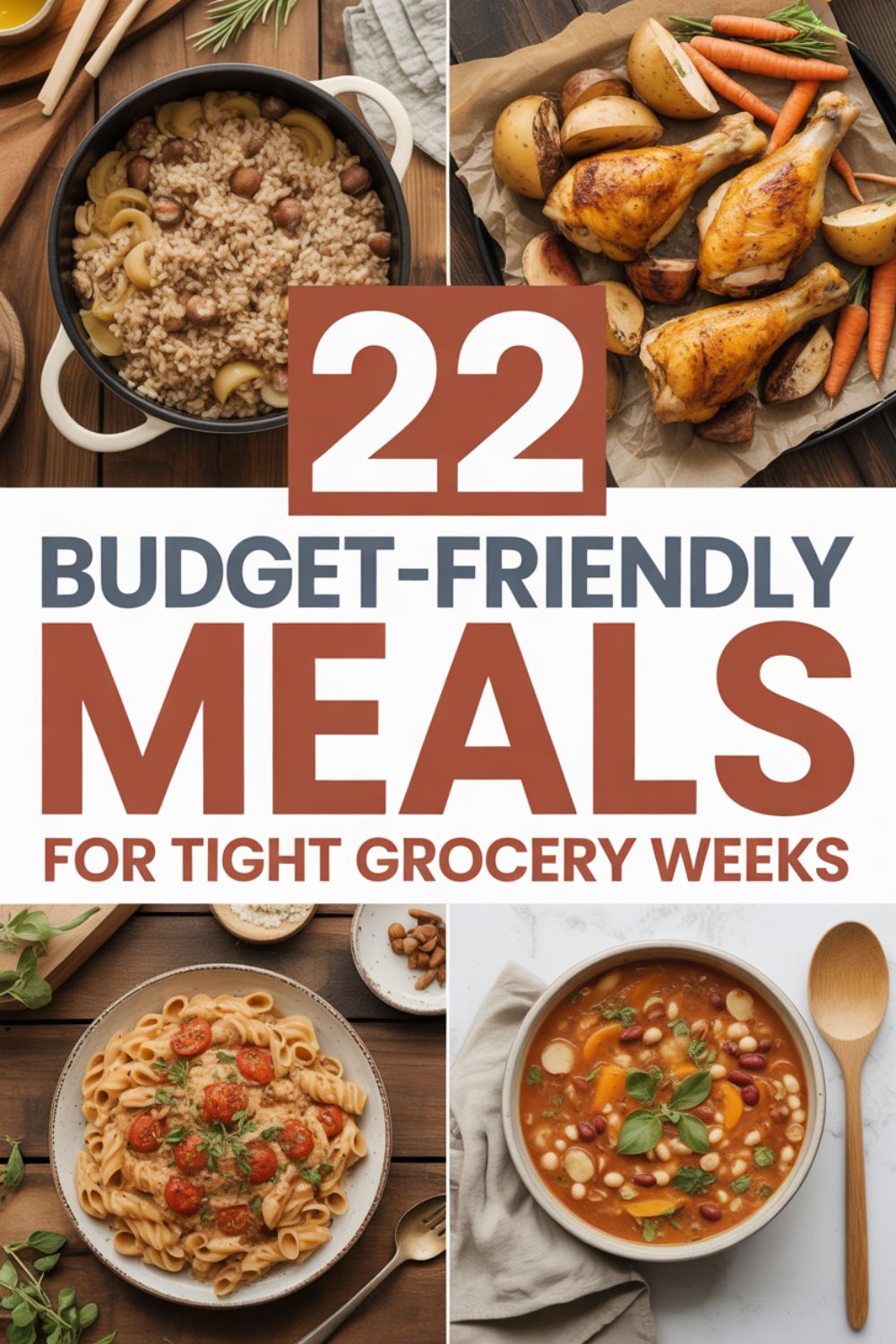
22 Budget-Friendly Meals for Tight Grocery Weeks
So your bank account is giving you that look. You know the one—where it’s basically whispering, “Maybe ramen for the third night in a row?” But here’s the thing: eating well on a shoestring budget doesn’t mean you’re sentenced to sad desk lunches or flavorless mystery meals. I’ve been there, staring at a $30 grocery budget for the week, wondering if I could make it work without sacrificing my sanity or my taste buds.
Turns out, you absolutely can. With a little creativity and some strategic planning, tight grocery weeks can still deliver meals that actually taste good and keep you full. No fancy ingredients, no complicated techniques—just honest food that won’t break the bank.
Why Budget Meals Don’t Have to Suck
Let’s get real for a second. Budget cooking has this weird reputation for being all about deprivation and bland food. That’s complete nonsense. Some of the world’s best dishes came from people working with limited resources—think Italian cucina povera or Southern soul food. The secret isn’t expensive ingredients; it’s knowing how to make basic stuff shine.
When you’re working with a tight budget, pantry staples become your best friends. We’re talking dried beans, lentils, rice, pasta, canned tomatoes—the unglamorous heroes sitting in the back of your cupboard. Research shows that planning meals around affordable base ingredients can dramatically reduce food costs while maintaining solid nutrition.
The trick is learning to look at these basics differently. That bag of lentils isn’t just soup material—it’s burgers, tacos, pasta sauce, and curry. Those canned beans? They’re hummus, salad protein, taco filling, and the base for about seventeen different bowls.
The Budget Meal Planning Strategy That Actually Works
Before we get into the recipes, let’s talk strategy. I learned this the hard way after too many weeks of buying random stuff that never came together into actual meals. Smart meal planning starts with taking inventory of what you already have.
Walk through your pantry, fridge, and freezer. Write down what’s there. That random can of chickpeas, those frozen veggies you forgot about, that half-bag of rice—they’re not just taking up space, they’re the foundation of this week’s meals. According to nutrition experts, using what you already own before shopping can slash your grocery bill significantly.
Next, plan meals that share ingredients. If you’re buying a bunch of spinach, use it in three different ways throughout the week. Spinach shows up in your breakfast scramble, your lunchtime salad, and gets wilted into pasta for dinner. This overlap strategy means less waste and more bang for your buck.
I swear by this meal planning notepad that lives on my fridge—makes it stupidly easy to map out the week and spot ingredient overlaps before I shop.
Building Your Budget-Friendly Pantry
You can’t cook budget meals without the right foundation. These are the items I always keep stocked because they’re versatile, cheap, and have serious staying power. We’re not talking about filling your entire pantry in one trip—that’s expensive and overwhelming. Build it gradually, one shopping trip at a time.
The essential dried goods: Rice (brown or white), pasta (get a few shapes), dried lentils (red and brown), dried beans (black, pinto, chickpeas), oats, and flour if you bake. These items last months, sometimes years, and form the backbone of countless meals.
According to USDA guidelines, planning meals around whole grains and legumes provides excellent nutrition at minimal cost. A half-cup of cooked beans delivers 7-8 grams of protein and 7 grams of fiber for literal pennies.
The canned and jarred heroes: Canned tomatoes (crushed, diced, whole—whatever’s on sale), tomato paste, canned beans (for when you don’t have time to cook dried), tuna, vegetable or chicken broth, and some kind of salsa or pasta sauce. These ingredients let you throw together meals on nights when cooking from scratch feels impossible.
Pro tip with canned stuff: store brands taste virtually identical to name brands but cost way less. I use these stackable can organizers to keep track of what I have—nothing worse than buying duplicates because you couldn’t see what’s buried in the back.
The flavor makers: This is where budget cooking goes from “meh” to “wait, this is actually good.” Olive oil, soy sauce, vinegar (any kind), garlic (fresh or powder), onions, salt, pepper, and whatever spices you actually use. Don’t go crazy buying every spice—start with basics like cumin, paprika, and Italian seasoning, then add more as you figure out what you cook most.
For those building up a spice collection, these magnetic spice tins saved my sanity—they stick to the side of my fridge and I can actually see what I have.
The 22 Budget Meals That’ll Save Your Grocery Week
1. Lentil Soup with Crusty Bread
Lentils are criminally underrated. For under two bucks, you can make a pot of soup that feeds you for days. Sauté some onions and garlic, throw in dried lentils, canned tomatoes, and broth. Season it up and let it simmer. The result? Thick, hearty, ridiculously satisfying soup. Get Full Recipe.
Serve it with any bread you have—doesn’t need to be fancy. Day-old bread from the discount rack works perfectly. This meal probably costs $1.50 per serving, and it’s packed with protein and fiber.
2. Chickpea Cauliflower Coconut Curry
This one sounds fancy but it’s stupid simple. Canned chickpeas and frozen cauliflower are your base ingredients. Add coconut milk (the cheap kind in the can works fine), curry powder, and whatever veggies need using up. Serve over rice. Get Full Recipe.
The coconut milk makes it feel indulgent, but you’re spending maybe $2 per serving. It’s also one of those meals that tastes even better the next day, which is clutch when you’re meal prepping.
3. Black Bean Tacos
Taco night doesn’t require meat. Seriously. Mash up some seasoned black beans, warm your tortillas, and load them with whatever toppings you’ve got—lettuce, tomatoes, cheese if you have it, salsa, sour cream. Even with minimal toppings, these tacos slap.
A can of black beans costs like 80 cents and makes enough filling for 6-8 tacos. If you’re feeling fancy (and want to save even more), make your own taco seasoning with spices you already have instead of buying those packets.
4. Spaghetti with Cherry Tomatoes and Basil
Sometimes the simplest meals hit different. Cook pasta, sauté cherry tomatoes until they burst, add garlic, toss everything together with some pasta water and fresh or dried basil. That’s it. Get Full Recipe.
If cherry tomatoes aren’t on sale, use canned diced tomatoes instead. The whole dish costs under $3 and tastes like you actually tried. I keep this simple pasta strainer around because it makes draining so much faster and I’m lazy.
5. Oatmeal with Dried Figs, Walnuts, and Cinnamon
Breakfast for pennies. Steel-cut or rolled oats are insanely cheap and filling. Cook them with water or milk, then top with whatever you have—in this case, chopped dried figs, walnuts, and cinnamon. Get Full Recipe.
If figs and walnuts aren’t in your budget, use raisins and any nuts, or skip the nuts entirely and add a spoonful of peanut butter. Oatmeal is one of those blank canvases that works with whatever you throw at it.
Speaking of breakfast ideas, if you’re looking for more morning options that won’t murder your budget, check out these Mediterranean breakfast recipes or try these overnight oats variations that you can prep the night before.
6. Tuna and White Bean Salad
Two cans—one tuna, one white beans—plus whatever veggies you have, and you’ve got a protein-packed lunch. Add lemon juice, olive oil, salt, and pepper. Eat it straight, on crackers, or stuffed into a pita. Get Full Recipe.
This is one of those meals that benefits from sitting for a bit, so it’s perfect for meal prep. The beans soak up all the flavors and everything melds together nicely. Costs about $2 per serving and keeps you full for hours.
7. Veggie Packed Black Bean Tacos
Similar to regular black bean tacos but loaded with more vegetables to bulk them up. Sauté bell peppers, onions, zucchini—whatever’s cheap or needs using—then mix with seasoned black beans. Get Full Recipe.
This strategy of stretching your beans with vegetables makes the meal more filling while keeping costs low. Plus, it’s a sneaky way to eat more vegetables without feeling like you’re eating rabbit food.
8. Stir-Fried Tofu with Broccoli and Brown Rice
Tofu gets a bad rap, but it’s cheap and takes on whatever flavors you give it. Press it, cube it, fry it in a little oil until crispy, then toss with frozen broccoli and soy sauce. Serve over rice. Get Full Recipe.
A block of tofu costs around $2 and feeds two people easily. If you’re skeptical about tofu, this is the recipe that’ll convert you. The key is getting it crispy—nobody likes mushy tofu.
I use this tofu press to get the water out faster. Game changer if you cook tofu regularly, but you can also just wrap it in paper towels and stick something heavy on top.
9. Three Bean Chili
The ultimate budget meal. Three types of canned beans (kidney, black, pinto—whatever’s on sale), canned tomatoes, chili powder, cumin, and onions. Let it simmer. That’s your week sorted. Get Full Recipe.
This chili costs maybe $6 to make a huge pot that’ll give you 6-8 servings. Freeze half for later or eat it five different ways—straight up, over rice, on nachos, stuffed in a baked potato, mixed with pasta.
10. Mediterranean Chickpea Skillet
This one-pan wonder combines chickpeas, tomatoes, spinach, and Mediterranean spices. It comes together in about 20 minutes and tastes way more expensive than it is. Get Full Recipe.
Serve it over rice, quinoa, or with pita bread. The chickpeas provide protein, the spinach adds nutrition, and the whole thing feels like a meal you’d order at a restaurant. Except it costs about $1.50 per serving.
11. Lentil Sweet Potato Stew
Sweet potatoes are usually dirt cheap, especially if you buy the weird-looking ones. Combine them with red lentils, canned tomatoes, and curry spices for a thick, warming stew. Get Full Recipe.
Red lentils cook faster than other varieties, so this meal comes together quickly. The sweet potatoes add natural sweetness and make the stew incredibly filling. Total cost: around $5 for 4-6 servings.
12. Whole Wheat Spaghetti with Spinach Pesto
Pesto doesn’t have to be expensive. Blend whatever greens you have (spinach works great), add garlic, nuts (even peanuts work), parmesan if you have it, and olive oil. Toss with pasta. Get Full Recipe.
This meal feels fancy but costs next to nothing. The pesto keeps in the fridge for about a week, so you can use it on sandwiches, as a pizza sauce, or mixed into scrambled eggs.
If you’re digging pasta-based budget meals, you might also want to check out this one-pot Mediterranean pasta that uses similar affordable ingredients.
13. Savory Mediterranean Scramble
Eggs are budget gold. Scramble them with tomatoes, spinach, feta if you’ve got it, and Mediterranean spices. Serve with toast or stuff into a wrap. Get Full Recipe.
A dozen eggs costs maybe $3-4 and gives you multiple meals. This scramble works for breakfast, lunch, or dinner. FYI, eggs for dinner is totally acceptable when you’re budgeting.
14. Stuffed Bell Peppers with Quinoa and Veggies
Bell peppers on sale? Stuff them. Mix cooked quinoa (or rice if quinoa’s too pricey) with whatever vegetables you have, add some seasonings, stuff into halved peppers, and bake. Get Full Recipe.
These look impressive enough for company but cost about $2 per pepper. They also reheat beautifully, making them perfect for meal prep.
15. Barley Mushroom Soup
Barley is one of those underused grains that’s incredibly cheap and filling. Simmer it with mushrooms, onions, and broth for a hearty soup that costs maybe $4 for a big pot. Get Full Recipe.
Buy whatever mushrooms are cheapest—even the basic button mushrooms work great here. The barley gets plump and chewy, making this soup seriously satisfying.
16. Avocado Toast Mediterranean Style
Okay, hear me out. Avocados aren’t always budget-friendly, but if you catch them on sale or buy them when they’re still rock hard and let them ripen at home, you can make this work. Smashed avocado on toast with tomatoes, olive oil, and za’atar. Get Full Recipe.
Skip it if avocados are expensive that week and make hummus toast instead—chickpeas are way cheaper and just as delicious.
17. Moroccan Spiced Quinoa Bowl
Quinoa can be pricey, so buy it in bulk or substitute with brown rice. Cook it with Moroccan spices (cumin, cinnamon, paprika), then top with roasted chickpeas and whatever vegetables you have. Get Full Recipe.
These grain bowls are infinitely customizable based on what’s in your fridge. The spices do most of the heavy lifting, making cheap ingredients taste exotic.
18. Lentil Shepherd’s Pie
Take the concept of shepherd’s pie but swap expensive meat for lentils. Cook lentils with vegetables and gravy, top with mashed potatoes, and bake until golden. Get Full Recipe.
This is serious comfort food that happens to be incredibly budget-friendly. Potatoes are cheap, lentils are cheap, and somehow it all comes together into something that feels like a hug.
For more filling meal ideas that won’t wreck your wallet, check out these budget-friendly Mediterranean meals.
19. Cucumber Hummus Sandwich
The simplest lunch ever. Make hummus from a can of chickpeas (literally just blend chickpeas, tahini or peanut butter, lemon juice, garlic, and olive oil), spread on bread, add sliced cucumbers. Get Full Recipe.
One can of chickpeas makes enough hummus for sandwiches all week. Way cheaper than buying pre-made hummus, and it tastes fresher.
20. Grilled Veggie Platter with Hummus
Whatever vegetables are on sale, slice them, toss with oil and seasonings, and roast until caramelized. Serve with hummus. Get Full Recipe.
This is less a recipe and more a strategy. Roasted vegetables taste good. Hummus is delicious. Put them together and suddenly you have a meal that feels healthy and satisfying without costing much.
21. Spaghetti Squash with Tomato Basil Sauce
Spaghetti squash is usually affordable and one squash makes multiple servings. Roast it, scrape out the strands, and top with a simple tomato sauce made from canned tomatoes, garlic, and basil. Get Full Recipe.
This feels like pasta but costs less and fills you up more. If you can find spaghetti squash for under $2, it’s an absolute steal.
22. Sweet Potato Tacos
Roasted sweet potato cubes seasoned with chili powder and cumin, stuffed into tortillas with black beans and any toppings you have. Get Full Recipe.
Sweet potatoes are filling, cheap, and surprisingly good in tacos. The natural sweetness plays nicely against spicy seasonings. These cost about $1.50 per serving and are way more interesting than basic bean tacos.
Making Budget Meals Less Boring
The biggest complaint about budget cooking is that it gets repetitive. You’re eating beans and rice for the third night in a row and suddenly questioning all your life choices. I get it. The trick is changing how you serve the same ingredients.
Those chickpeas you bought? Monday they’re curry, Wednesday they’re hummus, Friday they’re roasted for snacking, Sunday they’re tossed into a salad. Same ingredient, completely different meals. This is why having a decent spice collection matters—spices transform the same base ingredients into totally different dishes.
Also, don’t underestimate the power of texture. Crispy chickpeas hit different than soft chickpeas. Mashed beans feel different than whole beans. Changing up textures keeps meals interesting even when you’re working with limited ingredients.
IMO, one of the best investments for budget cooking is a good sheet pan. Roasting transforms cheap vegetables into something you actually want to eat. Everything gets caramelized and delicious with minimal effort.
The Reality of Budget Shopping
Let’s talk about actually shopping on a budget because it’s not as straightforward as “just buy cheap food.” You need a strategy. Shop with a list and stick to it. Impulse purchases kill tight budgets faster than anything else.
Check what’s on sale before you plan your meals, not after. If chicken thighs are on sale, plan meals around chicken thighs. If rice is cheap but quinoa isn’t, guess what you’re eating that week? Flexibility is your friend here.
Store brands are your secret weapon. The generic pasta tastes the same as the fancy brand. Same with canned tomatoes, beans, rice, flour—almost everything, really. The packaging is less pretty, but the contents are virtually identical.
Frozen vegetables are often cheaper than fresh and they’re already prepped. No chopping, no waste from things going bad. Frozen spinach, broccoli, mixed vegetables, and peas are all solid choices. They’re flash-frozen at peak ripeness, so the nutrition is solid too.
Buy in bulk when it makes sense. Rice, pasta, oats, and dried beans are perfect for bulk buying. They last forever and the per-unit cost drops significantly. Just make sure you’ll actually use it—buying a 10-pound bag of something you hate isn’t saving money.
One thing that really helps with organizing bulk purchases is these airtight storage containers. Keeps everything fresh way longer and you can actually see what you have.
Meal Prep Without Losing Your Mind
Meal prep sounds great in theory but in practice, it can feel overwhelming. You don’t need to spend five hours every Sunday cooking 21 perfectly portioned meals. That’s exhausting and unrealistic, especially when you’re already stressed about money.
Start smaller. Pick two or three recipes, make double batches, and you’ve got lunches sorted for most of the week. Or do “component prep” instead—cook a big pot of rice, roast a tray of vegetables, prepare some beans. Then mix and match throughout the week to create different meals.
Some meals actually improve with age. Soups, stews, chilis, and curries all taste better the next day after flavors have melded. Make them Sunday, eat them through Wednesday. Then switch to something fresh for the second half of the week.
For meal ideas that work brilliantly for prep, check out these high-protein meal prep ideas or these Mediterranean meal prep recipes that scale easily.
Invest in decent storage containers. Doesn’t need to be fancy, but get ones that seal properly and won’t leak in your bag. I learned this lesson after bean soup destroyed the inside of my backpack. Not fun.
When You’re Too Tired to Cook
Real talk: some nights you’re exhausted, broke, and the last thing you want to do is stand over a stove. This is where having backup plans matters. Keep a few “emergency meals” in your rotation—things that take 10 minutes or less.
Scrambled eggs with whatever vegetables are in the fridge is a complete meal. Toast with peanut butter and banana is dinner when necessary. Canned soup exists for a reason. There’s no shame in taking shortcuts on hard days.
This is also why batch cooking matters. If you made a big pot of chili on Sunday, Thursday night you just heat and eat. No decisions, no cooking, no cleanup beyond rinsing a bowl. Future you will be grateful.
Sometimes the best budget meal is the one you’ll actually eat instead of ordering takeout because you’re too tired to cook. A $3 frozen pizza beats a $15 delivery order, even if it’s not Instagram-worthy.
Making Peace With Budget Eating
Here’s the thing nobody tells you about eating on a tight budget: it can actually make you a better cook. When you can’t throw money at problems, you learn technique. You figure out how to make cheap ingredients taste good. You discover that seasoning matters more than fancy cuts of meat.
Yeah, it’s annoying when you can’t just grab whatever you want at the store. But learning to work within constraints builds skills that stick around even when your budget loosens up. You’ll still find yourself reaching for simple, flavorful meals because you know how satisfying they are.
Budget cooking doesn’t have to feel like punishment. It’s just a different way of approaching food—one that prioritizes creativity, resourcefulness, and making the most of what you have. And honestly? Some of my favorite meals came from those tight weeks when I had to get inventive.
Frequently Asked Questions
How much should I budget for groceries per week?
It depends on where you live and how many people you’re feeding, but a realistic target is $30-50 per person per week for basic meals. Focus on buying whole ingredients rather than pre-made foods, and plan meals around what’s on sale. You can absolutely eat well on $40 a week if you’re strategic about shopping and cooking.
What are the cheapest proteins for budget meals?
Dried beans, lentils, and eggs are your best bets. A pound of dried lentils costs around $1.99 and provides multiple meals worth of protein. Eggs usually run $3-4 per dozen and are incredibly versatile. Canned tuna, chicken thighs (when on sale), and tofu are also solid budget-friendly protein sources that won’t destroy your wallet.
How do I meal prep without getting bored?
Don’t make identical meals for every day. Instead, prep components that you can mix and match—cook a big batch of rice, roast different vegetables, prepare a couple of proteins. Then combine them differently throughout the week. Also, change up your seasonings. The same base ingredients taste completely different with Mediterranean spices versus Mexican or Asian flavors.
Are frozen vegetables as nutritious as fresh?
Yes, and sometimes even more so. Frozen vegetables are flash-frozen at peak ripeness, which locks in nutrients. Fresh vegetables that have been sitting on shelves or in your fridge for days lose nutritional value over time. Plus, frozen options eliminate waste since you only use what you need, and they’re usually cheaper than fresh.
What’s the best way to stretch a tight grocery budget?
Shop with a detailed list and stick to it religiously. Buy store brands instead of name brands—they’re almost always identical. Plan meals around what’s on sale that week rather than what you’re craving. Build meals around cheap staples like rice, beans, pasta, and oats. And seriously consider buying in bulk for items you use constantly—the upfront cost is higher but the per-serving price drops dramatically.
Your Turn to Cook
Budget weeks don’t have to mean sad, boring meals. With a little planning and the right strategies, you can eat well without spending a fortune. These 22 meals prove that cheap food can actually taste good and keep you satisfied.
The key is shifting your mindset from “what can I afford?” to “what can I create with what I have?” Stock your pantry with versatile staples, learn a few reliable techniques, and don’t be afraid to get creative. Some of the world’s best cuisines were born from making the most of limited resources.
Start with one or two recipes from this list, see what works for you, and build from there. Your wallet—and your taste buds—will thank you. Now get cooking, because those beans aren’t going to season themselves.