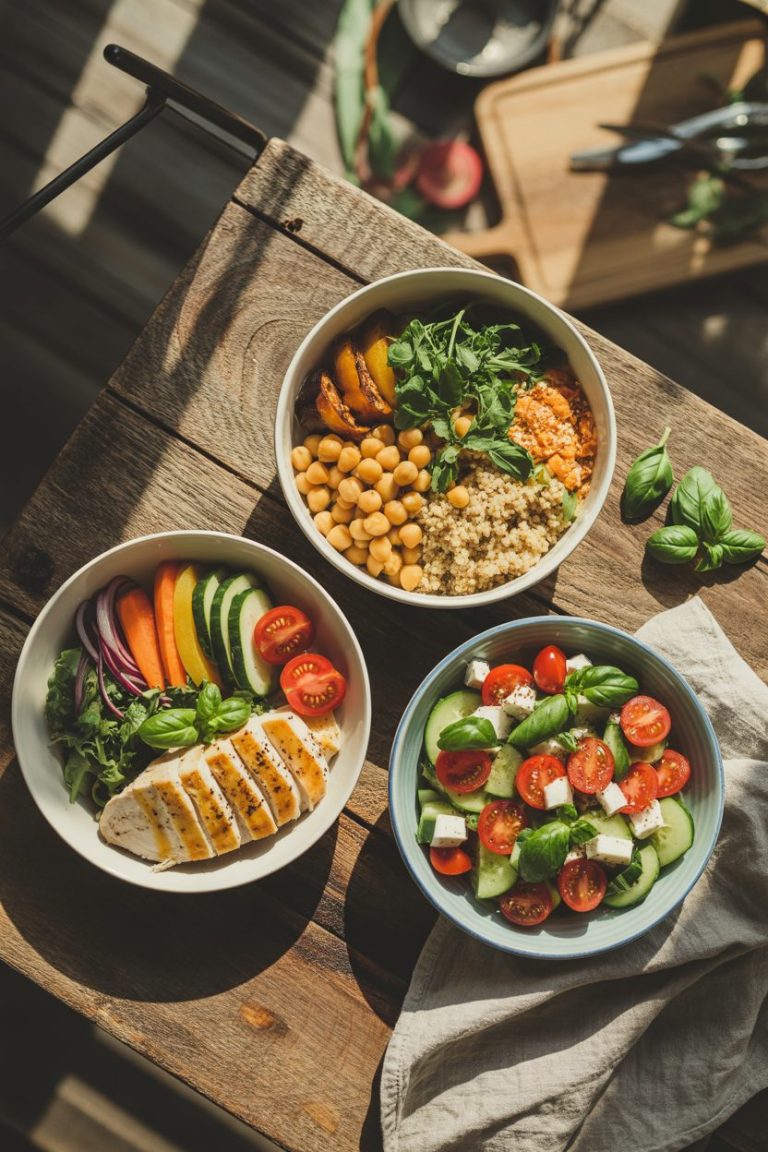
21 Low-Calorie Meals Without Chicken
You know what I’m tired of? Opening yet another meal prep blog and seeing the same tired rotation of grilled chicken breast, baked chicken thighs, and—wait for it—shredded chicken. Don’t get me wrong, chicken’s great and all, but sometimes you just need a break from the poultry parade, right?
Here’s the thing about low-calorie eating that nobody really talks about: it doesn’t have to be boring, and it definitely doesn’t require you to live off chicken and broccoli like some kind of fitness influencer in 2015. There’s a whole world of satisfying, flavorful meals out there that’ll keep your calories in check without making you feel like you’re punishing yourself.
I’ve been meal prepping for years now, and honestly, some of my best discoveries happened when I decided to give chicken a rest. Turns out, there are dozens of protein sources and meal combinations that are just as filling, way more interesting, and surprisingly easy to throw together. Whether you’re tracking macros, trying to lose a few pounds, or just looking to mix things up, these 21 meals are going to save your taste buds from monotony.

Why Skip the Chicken Anyway?
Look, I get it. Chicken is convenient, relatively cheap, and packs a decent protein punch. But variety matters more than most people realize. Eating the same protein source day after day can lead to nutrient gaps that you might not even notice until you’re feeling weirdly tired or your skin starts acting up.
Different proteins bring different nutritional profiles to the table. Fish gives you those omega-3s everyone keeps talking about. Legumes deliver fiber that chicken just can’t match. Even vegetables, when combined smartly, can create surprisingly complete meals that keep you satisfied without the usual suspects.
Plus—and this is just my two cents—your taste buds deserve better than the same rotation week after week. Food should be something you actually look forward to, not just fuel you grudgingly consume because some app told you to hit your protein target.
What Actually Makes a Meal “Low-Calorie”?
Before we jump into the recipes, let’s clear something up. When I say “low-calorie,” I’m not talking about those depressing 200-calorie salads that leave you raiding the pantry two hours later. According to Harvard Health, meals are considered low-calorie when they contain around 120 calories or less per 100 grams, but that doesn’t mean they can’t be substantial.
The secret sauce? Nutrient density. You want foods that pack maximum nutrition into minimal calories—think vegetables loaded with fiber, lean proteins that actually fill you up, and smart carbs that give you energy without the crash. It’s about working smarter, not just eating less.
And here’s something most diet culture won’t tell you: low-calorie doesn’t automatically mean healthy. A rice cake is low-calorie. So is celery. Neither one is keeping you full through your afternoon meeting. You need meals with enough protein, fiber, and healthy fats to actually sustain you, not just fit into some arbitrary calorie limit.
The Building Blocks of Great Low-Calorie Meals
Every good meal—chicken-free or otherwise—needs a few key components. First up: protein. Without chicken, you’re looking at fish, seafood, eggs, legumes, tofu, tempeh, and even creative uses of dairy. Each brings its own flavor profile and texture, which is honestly half the fun.
Next, you need volume. This is where vegetables really shine. Load up on leafy greens, cruciferous veggies, and water-rich options like cucumbers and tomatoes. They take up space in your stomach without adding many calories, and honestly, the fiber keeps everything moving smoothly, if you know what I mean.
Don’t sleep on healthy fats either. A little olive oil, some avocado, or a handful of nuts can make the difference between a meal that satisfies and one that leaves you hunting for snacks an hour later. Plus, fat helps you absorb certain vitamins, so it’s not just about taste—it’s functional.
For more ideas on building balanced plates, check out these high-protein low-calorie meals that follow the same principles.
21 Low-Calorie Meals That’ll Make You Forget About Chicken
1. Mediterranean Lentil Salad
Let’s start with a classic that never gets old. Lentils bring serious protein (about 18g per cup) and enough fiber to keep you full for hours. Toss them with cherry tomatoes, cucumber, red onion, and a simple lemon-olive oil dressing. The best part? This actually tastes better the next day, so it’s perfect for meal prep.
I like using a fine-mesh strainer for rinsing my lentils—makes the whole process way less annoying. Get Full Recipe.
2. Grilled Salmon with Tomato Caper Relish
If you’re sleeping on salmon because you think it’s complicated, wake up. A good piece of salmon needs maybe 10 minutes in a pan or under the broiler. The tomato-caper relish adds this bright, briny punch that makes the whole thing feel restaurant-worthy.
Salmon’s loaded with omega-3 fatty acids, which your brain and heart will thank you for. Plus, at around 350 calories for a generous portion, it fits perfectly into most calorie goals. Get Full Recipe.
3. Shakshuka (Eggs in Spicy Tomato Sauce)
This North African dish is basically eggs poached in a spiced tomato sauce, and it’s criminally underrated. The eggs give you protein, the tomato sauce adds flavor and volume, and the spices—cumin, paprika, a little cayenne—make it interesting enough that you won’t miss meat at all.
Serve it with some crusty whole grain bread for dipping, and you’ve got a meal that works for breakfast, lunch, or dinner. The versatility alone makes this one a winner. Get Full Recipe.
4. Stuffed Bell Peppers with Quinoa and Veggies
Bell peppers are basically nature’s edible bowls, and quinoa is one of the few plant proteins that’s actually complete (meaning it has all nine essential amino acids). Fill those peppers with quinoa, black beans, corn, and whatever vegetables you’ve got hanging around, and you’re looking at a meal that’s colorful, filling, and somewhere around 250-300 calories per pepper.
These freeze beautifully too, which is clutch for those nights when cooking feels impossible. Get Full Recipe.
5. Tuna and White Bean Salad
Canned tuna gets a bad rap for being boring, but paired with creamy white beans, fresh herbs, and a punchy vinaigrette? Game changer. The beans add fiber and texture while keeping the whole thing hearty enough to actually call it a meal.
I always keep a few cans of quality tuna packed in olive oil in the pantry for exactly this reason—emergency lunches that don’t taste like you gave up on life. Get Full Recipe.
Speaking of quick protein-packed options, these high-protein vegetarian recipes offer even more variety for your rotation.
6. Spaghetti Squash with Tomato Basil Sauce
Okay, hear me out on this one. Spaghetti squash isn’t going to fool anyone into thinking it’s actual pasta, but it doesn’t have to. It’s its own thing—sweet, slightly nutty, and way more interesting than zucchini noodles, IMO.
Roast it until tender, scrape out those strands with a fork (oddly satisfying, not gonna lie), and top with a simple tomato-basil sauce. You’re looking at maybe 150 calories for a huge, filling bowl. Get Full Recipe.
7. Mediterranean Chickpea Bowl
Chickpeas are the MVP of plant-based eating. They’re cheap, shelf-stable, and packed with both protein and fiber. Build a bowl with roasted chickpeas, cucumber, tomatoes, olives, feta (just a sprinkle), and a lemon-tahini dressing.
The whole thing comes together in under 20 minutes if you use canned chickpeas, but if you’re feeling ambitious, cooking them from scratch in an Instant Pot gives you better texture. Get Full Recipe.
8. Grilled Portobello Mushroom Steaks
Portobello mushrooms have this meaty texture that’s honestly kind of wild for a vegetable. Marinate them in balsamic vinegar, garlic, and olive oil, then grill or roast until they’re tender and slightly charred. Pair with roasted vegetables or a simple salad.
At around 100 calories for two big mushrooms, this is one of those meals where you can load up your plate and still stay well within your calorie budget. Get Full Recipe.
9. Shrimp Saganaki (Shrimp in Spicy Tomato Feta Sauce)
Shrimp is one of the most protein-dense foods you can eat—about 24g of protein per 100g and barely any fat. This Greek dish bathes them in a spicy tomato sauce with crumbled feta on top. It’s rich, it’s satisfying, and it clocks in around 300 calories for a generous portion.
The key is not overcooking the shrimp. They’re done when they turn pink and start to curl—any longer and you’ve got rubbery little sea bugs. Get Full Recipe.
10. Lentil and Sweet Potato Stew
This is comfort food territory, but the good kind that doesn’t leave you in a food coma. Red lentils break down into this creamy texture, sweet potatoes add natural sweetness and loads of beta-carotene, and warming spices like cumin and coriander tie it all together.
Make a big pot on Sunday and portion it out for the week. Each bowl is maybe 250 calories but feels like you’re eating something way more indulgent. Get Full Recipe.
11. Baked Cod with Dill and Garlic
Cod is often overlooked because it’s so mild, but that’s exactly what makes it versatile. It picks up whatever flavors you throw at it. Fresh dill, minced garlic, a squeeze of lemon, and about 12 minutes in the oven gives you a protein-packed meal that tastes way fancier than the effort required.
Pair it with steamed green beans or asparagus for a complete meal under 350 calories. Get Full Recipe.
For more ideas on keeping things interesting, these Mediterranean seafood dinners offer plenty of inspiration.
12. Three Bean Chili
Chili without meat might sound sad, but trust me on this—beans bring enough substance that you won’t miss it. Mix kidney beans, black beans, and pinto beans with tomatoes, peppers, and a solid spice blend (chili powder, cumin, smoked paprika).
The fiber content here is off the charts, which means you stay full for hours. Plus, chili freezes beautifully, so you can make a huge batch and have ready-made dinners for weeks. Get Full Recipe.
13. Cucumber Tomato Feta Salad (Mediterranean Chop Chop)
Sometimes simple is better. Crisp cucumbers, juicy tomatoes, briny feta, red onion, and a drizzle of olive oil and red wine vinegar. That’s it. No complicated technique, no fancy equipment—just fresh ingredients doing their thing.
This works as a side dish or a light lunch, and at around 150 calories per serving, you can afford to be generous with portions. Get Full Recipe.
14. Stir-Fried Tofu with Broccoli and Brown Rice
Tofu skeptics, stay with me. When you press it properly and get a good sear on it, tofu develops this crispy exterior that’s legitimately addictive. Toss it with broccoli florets and a simple soy-ginger sauce, serve over brown rice.
The combo of tofu’s protein and broccoli’s fiber means you’re getting a complete meal that’ll actually keep you satisfied. A tofu press makes the whole process way easier, FYI. Get Full Recipe.
15. Greek Salad (But Like, Actually Good)
Most Greek salads are disappointing—wilted lettuce, rubbery olives, cheese that tastes like sadness. Do it right: crisp romaine, ripe tomatoes, actual Kalamata olives, good feta, pepperoncini for a kick, and a proper olive oil and lemon dressing.
This isn’t just rabbit food—it’s a legitimate meal that happens to be light on calories but heavy on flavor. Get Full Recipe.
16. Whole Wheat Spaghetti with Spinach Pesto
Regular pesto is basically a vehicle for oil and cheese, but spinach pesto flips the script. Blend fresh spinach with basil, garlic, pine nuts (or walnuts if you’re budget-conscious), and just enough olive oil to bring it together. Toss with whole wheat pasta.
You get the satisfaction of pasta night without the calorie bomb. The spinach sneaks in extra nutrients, and the whole wheat pasta actually keeps you full. Get Full Recipe.
17. Moroccan Spiced Quinoa Bowl
Quinoa gets boring fast if you don’t season it properly, but Moroccan spices—cinnamon, cumin, coriander, a touch of turmeric—transform it into something actually exciting. Add roasted vegetables, chickpeas, and a dollop of Greek yogurt.
This is the kind of meal that makes you feel like you put in effort even though it’s mostly just dumping spices on things. Get Full Recipe.
18. Lentil Shepherd’s Pie
Traditional shepherd’s pie is a calorie nightmare, but the lentil version keeps all the comfort with a fraction of the damage. Green or brown lentils stand in for the ground meat, vegetables add bulk, and a layer of mashed potatoes (or mashed cauliflower if you’re being really strict) tops it off.
One serving is around 300 calories but feels way more indulgent than that. Get Full Recipe.
If you’re into hearty, warming dishes, these Mediterranean soups under 300 calories hit the same comfort food notes.
19. Baked Falafel Bowl
Fried falafel is delicious but also a calorie bomb. Baking them instead gives you most of the flavor with way less oil. Serve over greens with cucumber, tomatoes, pickled onions, and a generous drizzle of tahini sauce.
The chickpeas in the falafel bring protein and fiber, making this way more substantial than it looks. I use a small cookie scoop to portion them evenly—total game changer for consistency. Get Full Recipe.
20. Veggie-Packed Black Bean Tacos
Black beans are underrated as a taco filling. Mash half of them to create a creamy base, leave the rest whole for texture, season aggressively with cumin, chili powder, and garlic. Load up soft corn tortillas with the beans plus peppers, onions, salsa, and a squeeze of lime.
Two tacos clock in around 350 calories but feel indulgent enough that you don’t feel deprived. Get Full Recipe.
21. Mediterranean Grain Bowl
When in doubt, build a bowl. Start with farro or brown rice, add roasted vegetables (whatever you’ve got), throw in some chickpeas or white beans, top with crumbled feta and a lemon-herb dressing. This formula works with basically any combination of ingredients you have on hand.
The beauty of grain bowls is they’re endlessly customizable and perfect for using up odds and ends in your fridge. Get Full Recipe.
Making These Meals Work in Real Life
Here’s what nobody tells you about low-calorie meal plans: consistency matters way more than perfection. You don’t need to make all 21 of these meals this week. Pick three or four that sound good, make them in larger batches, and rotate through them.
Meal prep doesn’t have to mean spending your entire Sunday in the kitchen either. Sometimes it’s as simple as washing and chopping vegetables so they’re ready to go, cooking a big batch of quinoa or lentils, or portioning out ingredients into divided glass containers so assembly takes five minutes.
The other thing that makes this sustainable? Flexibility. If you’re supposed to make the lentil salad but you’re out of cucumbers, use bell peppers. No fresh herbs? Dried works fine. Cooking shouldn’t feel like following a strict laboratory protocol—it’s supposed to be enjoyable.
The Protein Question Everyone Asks
Let’s address the elephant in the room: “But where do you get your protein without chicken?” It’s a fair question, and the answer is simpler than diet culture wants you to believe.
Fish and seafood are obvious choices—salmon, cod, shrimp, and tuna all pack serious protein. Eggs are incredibly versatile and complete proteins. Legumes like lentils, chickpeas, and black beans combine protein with fiber that chicken just can’t match. Tofu and tempeh, when prepared properly, are legitimate protein powerhouses.
Even dairy like Greek yogurt and cottage cheese can play supporting roles in meals. The point isn’t to replace chicken with a single substitute—it’s to understand that protein comes from dozens of sources, and eating a variety of them is actually better for you than relying on one.
For more guidance on hitting your protein targets, check out these high-protein breakfast recipes that prove you don’t need chicken to start your day strong.
Why Variety Actually Matters
Different proteins bring different micronutrients to the table. Salmon delivers omega-3s and vitamin D. Lentils pack iron and folate. Eggs give you choline for brain health. When you eat the same protein source constantly, you miss out on this nutritional diversity.
Plus, there’s evidence that gut health benefits from dietary variety. Your microbiome thrives on different types of fiber, and rotating your protein sources means you’re naturally eating a wider range of foods. It’s not just about avoiding boredom—it’s about genuinely better nutrition.
And honestly? Food should be interesting. Life’s too short to eat grilled chicken breast seven nights a week when there are literally thousands of other options that taste better and offer comparable or superior nutrition.
Common Pitfalls to Avoid
The biggest mistake people make with low-calorie eating is going too low. Your body needs fuel to function, and consistently under-eating leads to burnout, muscle loss, and usually a spectacular binge that undoes weeks of effort. Sustainable beats perfect every single time.
Another trap: assuming low-calorie means low-fat. Your body needs fat for hormone production, nutrient absorption, and satiety. A meal with a reasonable amount of healthy fats will keep you satisfied way longer than a fat-free version that leaves you hunting for snacks an hour later.
And please, for the love of everything, don’t fall into the “calorie is a calorie” mindset. 300 calories of nutrient-dense lentil stew is not the same as 300 calories of gummy bears. Quality matters. Nutrient density matters. Your body knows the difference even if the numbers look the same.
Frequently Asked Questions
Can I really get enough protein without eating chicken?
Absolutely. Fish, seafood, eggs, legumes, tofu, and tempeh all provide substantial protein. The key is eating a variety of sources throughout the day. A cup of lentils has about 18g of protein, a serving of salmon has 22-25g, and tofu provides around 20g per cup—all comparable to chicken breast.
How many calories should I aim for per meal?
It depends on your total daily calorie goal, but most people do well with meals in the 300-500 calorie range. These 21 meals generally fall between 250-400 calories, leaving room for snacks and flexibility. Focus more on how satisfied you feel than hitting exact numbers.
Are these meals good for meal prep?
Most of them are excellent for meal prep. Grain bowls, soups, stews, and salads (with dressing stored separately) all hold up well for 4-5 days. Fish dishes are best eaten within 2-3 days, but that still gives you several meals worth of prep.
Will I feel hungry eating low-calorie meals?
Not if you’re doing it right. These meals prioritize protein, fiber, and volume—the three things that actually create satiety. If you’re feeling hungry, you might need to increase portions slightly or add more fiber-rich vegetables. Low-calorie shouldn’t mean hungry.
What if I don’t like fish or seafood?
No problem—focus on the plant-based options like lentils, chickpeas, black beans, tofu, and tempeh. Eggs also work if you eat them. You can absolutely build a varied, protein-rich meal plan without any seafood at all.
Final Thoughts
Breaking up with chicken—or at least taking a break—might be one of the best things you do for your meal rotation. These 21 meals prove you don’t need to rely on the same protein source day after day to hit your calorie or nutrition goals.
The real win here isn’t just the variety, though that’s huge. It’s the realization that eating well doesn’t have to be boring, restrictive, or monotonous. You can enjoy food, try new flavors, experiment with different ingredients, and still make progress toward whatever health goals you’ve set for yourself.
Start with one or two of these meals this week. See how they fit into your routine. Adjust portions based on your needs. And remember: sustainable eating habits are built on flexibility and enjoyment, not rigid rules and bland chicken breasts.
Your taste buds will thank you. Your body will thank you. And honestly, future you—the one who’s not eating grilled chicken for the seventh night in a row—will definitely thank you.