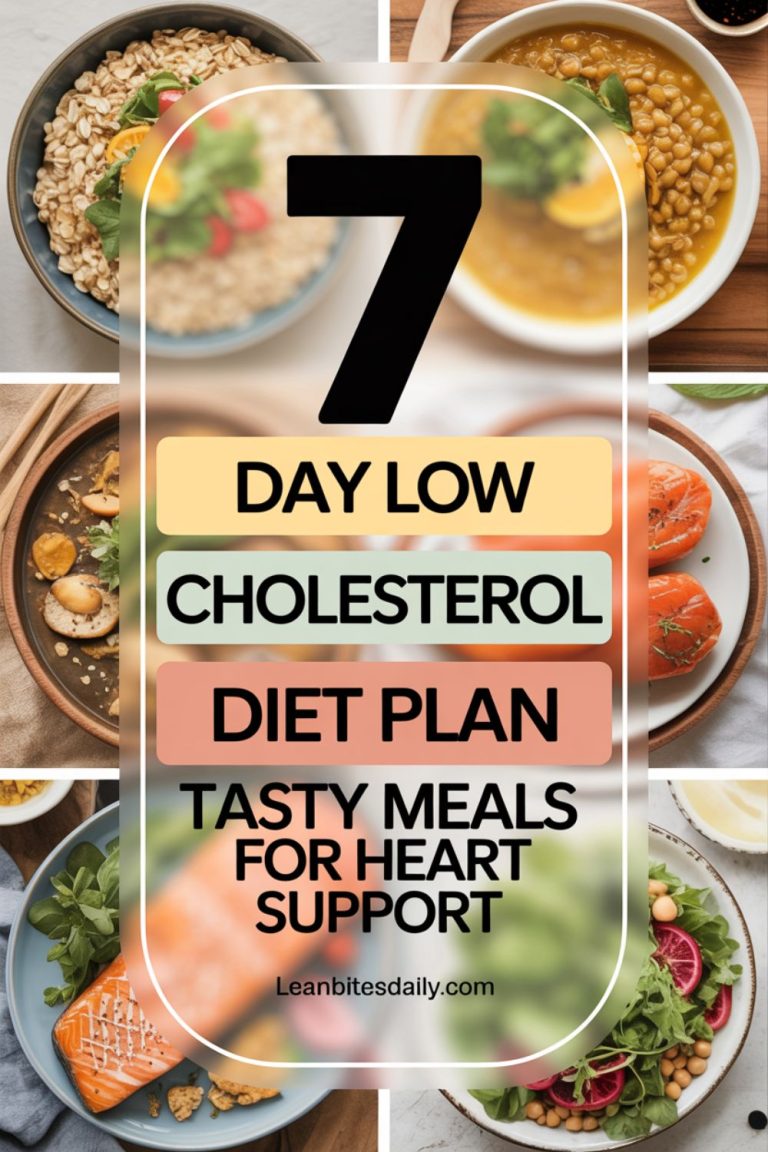

21-Day Vegetarian Low-Cholesterol Challenge (PDF)
Why This Challenge Matters
So, here’s the deal: if you’ve been trying to lower your cholesterol without swearing off actual flavor, you’re in the right place. A vegetarian diet already has a reputation for being lighter on the arteries, but when you pair that with a low-cholesterol focus? You’re basically giving your heart a spa retreat for three straight weeks.
Now, before you picture 21 days of sad lettuce and bland tofu, let me stop you right there. I’ve tested this kind of eating myself—plenty of colorful veggies, hearty grains, creamy plant-based proteins, and yes, even desserts that won’t spike your cholesterol levels. It’s doable, satisfying, and dare I say… kinda fun.
Think of this as a reset button for your body. And by the end of this challenge, you’ll not only feel lighter, but you’ll also have a whole arsenal of recipes you can rotate forever (without even missing the cheese-loaded pizzas).
PDF Bonus: I’ve pulled everything into a simple printable PDF so you don’t have to scroll your phone while sautéing onions with one hand and holding a spoon in the other.

What Makes This Challenge Different?
Ever googled “low-cholesterol recipes” and landed on a list of dishes that taste like cardboard? Same. That’s why I built this plan differently.
Here’s what makes this challenge stand out:
- Vegetarian-Only Focus – No meat, no poultry. Plant-powered all the way.
- Balanced Meals – You won’t just be eating salads. Expect lentil soups, whole-grain bowls, hearty pasta, and even low-cholesterol comfort foods.
- Easy Swaps – Think oat milk instead of whole milk, hummus instead of mayo, avocado instead of butter.
- Flavor First – Spices, herbs, roasted garlic, zesty dressings—flavor isn’t optional here.
And don’t worry, we’re not cutting out all fats. We’re talking healthy fats from nuts, seeds, avocado, and olive oil—the kind that actually help balance your cholesterol levels rather than mess them up.

Why Lowering Cholesterol With Food Works
Here’s a fun fact: your body actually makes all the cholesterol it needs. So when you eat foods loaded with saturated fats and cholesterol, your body basically goes, “Oh cool, more junk I didn’t need.” That’s when levels climb, and your arteries aren’t exactly thrilled.
But here’s the good news: you can flip that script. A plant-based, low-cholesterol diet has been proven to:
- Lower LDL (bad cholesterol) – Fiber-rich foods like oats, beans, and barley help sweep cholesterol out of your system.
- Raise HDL (good cholesterol) – Foods with healthy fats (walnuts, olive oil, flaxseeds) support your heart.
- Improve Weight & Energy – Eating lighter, plant-forward meals tends to make you feel less sluggish.
Honestly, the science backs this up in a big way (Mayo Clinic and Healthline have some solid reads on this if you’re into deep dives). But from personal experience? The biggest thing I noticed when I shifted to this style of eating was not crashing mid-afternoon. You know that post-lunch slump? Gone.

How This 21-Day Vegetarian Low-Cholesterol Challenge Works
Let’s break this down so you’re not overwhelmed:
- Three Weeks, One Goal – Stick to the meal plan for 21 days. Each day has a vegetarian, low-cholesterol breakfast, lunch, dinner, and optional snack.
- Simple Recipes – No weird ingredients you have to special order online. We’re keeping it real with lentils, quinoa, oats, veggies, and everyday pantry staples.
- Built-In Variety – You’ll rotate through different meal styles so you don’t get bored. Think soups, grain bowls, wraps, and hearty one-pan dishes.
- The PDF Plan – The printable guide includes recipes, shopping lists, and daily menus so you can literally check them off as you go.
Think of it like a friendly meal prep buddy that doesn’t text you at 7am to ask if you’ve eaten your chia pudding yet.

Key Foods You’ll Be Eating a Lot Of
Now, let’s talk staples. These are the MVPs of a vegetarian low-cholesterol diet.
1. Legumes
Lentils, chickpeas, black beans—you name it. These pack in fiber and protein while keeping things low in fat.
2. Whole Grains
Brown rice, quinoa, oats, barley. Not only do they fill you up, but the soluble fiber also helps lower LDL cholesterol.
3. Vegetables (Especially Leafy Greens)
Spinach, kale, broccoli, carrots, peppers—basically a rainbow. The more colors, the more nutrients.
4. Fruits
Berries, apples, bananas, citrus fruits—high in fiber and antioxidants. Bonus: bananas give you potassium, which is gold for heart health.
5. Nuts & Seeds
Walnuts, chia seeds, flaxseeds, almonds. Just a handful can help regulate cholesterol levels.
6. Healthy Fats
Avocados and olive oil. Not the enemy here—just keep portions reasonable.

Week 2: Building Flavor and Variety
By the time you hit Week 2, your body has likely adjusted to the lighter meals and higher fiber intake. This is where you get to play with flavor while keeping your meals heart-healthy.
Sample Week 2 Meal Plan
- Breakfasts:
- Overnight oats with chia seeds, almond butter, and berries
- Veggie scramble with tofu, turmeric, and spinach
- Whole grain toast topped with avocado and sliced tomato
- Lunches:
- Lentil and sweet potato stew with a side of steamed greens
- Quinoa tabbouleh salad with chickpeas and lemon-tahini dressing
- Grilled veggie wrap with hummus and cucumber
- Dinners:
- Baked eggplant with marinara and a sprinkle of nutritional yeast
- Zucchini noodles tossed with pesto (made from basil, walnuts, and olive oil)
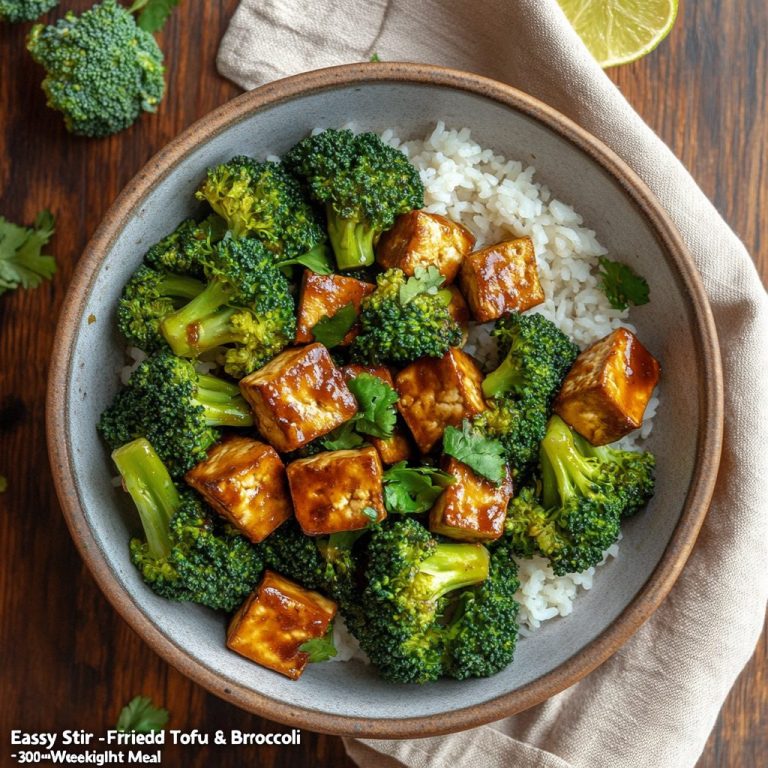
- Stir-fry with bok choy, broccoli, and edamame over brown rice
👉 Tip: Spice up meals with anti-inflammatory seasonings like turmeric, garlic, cumin, and paprika. They not only taste amazing but also support heart health.
Week 3: Long-Term Sustainability
The final week is all about refining your routine so you can maintain this lifestyle beyond the challenge. You’ll focus on meal prepping smarter, rotating your favorite recipes, and experimenting with new plant proteins.
Sample Week 3 Meal Plan
- Breakfasts:
- Smoothie with spinach, frozen mango, flaxseeds, and oat milk
- Whole grain waffles topped with almond butter and sliced strawberries
- Savory oatmeal with mushrooms, onions, and herbs
- Lunches:
- Mediterranean chickpea salad with olives, cucumbers, and cherry tomatoes
- Lentil-stuffed bell peppers with a drizzle of tahini sauce
- Miso soup with tofu cubes and brown rice on the side
- Dinners:
- Cauliflower curry with basmati rice
- Black bean tacos topped with fresh salsa and avocado
- Roasted veggie Buddha bowl with quinoa and a lemon-tahini drizzle
👉 Pro Hack: Prep big batch basics—like a pot of lentils, roasted veggies, or cooked grains—once or twice a week. Then mix and match them into new meals so you never get bored.
Low-Cholesterol Snacks & Desserts
Let’s be honest—snacking can make or break a challenge. Instead of reaching for chips or pastries, keep these cholesterol-friendly options handy:
Smart Snack Ideas
- Carrot sticks with hummus
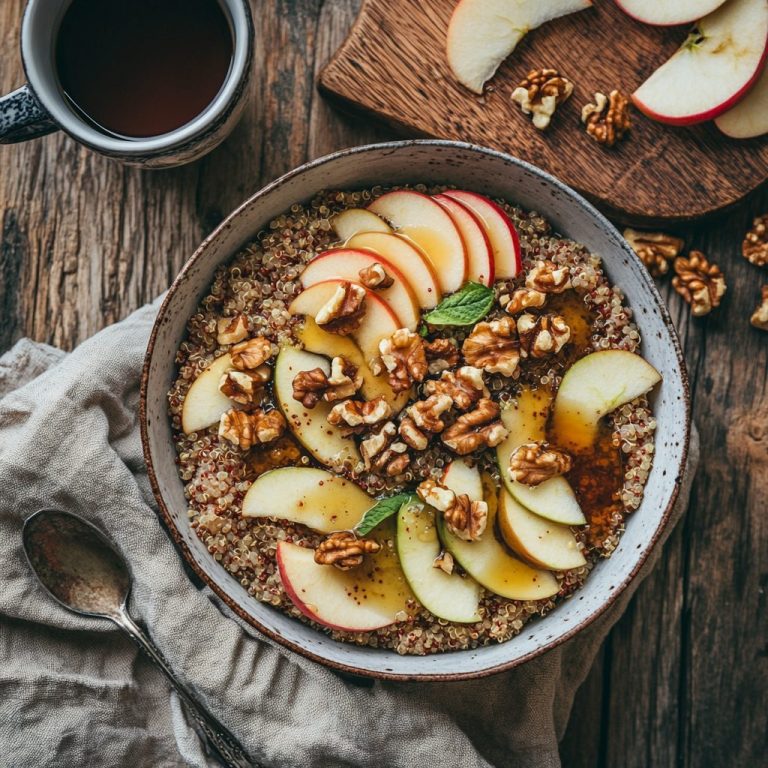
- Apple slices with almond butter
- Roasted chickpeas (crispy and protein-packed)
- Air-popped popcorn with nutritional yeast
Guilt-Free Dessert Ideas
- Frozen banana “ice cream” blended with cocoa powder
- Chia pudding with almond milk and vanilla
- Baked apples stuffed with oats and cinnamon
- Dark chocolate squares (70% or higher) with berries
The Vegetarian Low-Cholesterol Grocery List
Having the right foods in your kitchen is half the battle. Here’s a starter shopping list to keep you stocked and motivated:
- Proteins: Lentils, chickpeas, black beans, edamame, tofu, tempeh, quinoa
- Grains: Brown rice, oats, barley, whole grain pasta, bulgur
- Vegetables: Spinach, kale, broccoli, zucchini, bell peppers, eggplant, carrots
- Fruits: Apples, bananas, berries, oranges, mangoes, dates
- Healthy Fats: Olive oil, avocado, walnuts, chia seeds, flaxseeds, almonds
- Pantry Staples: Nutritional yeast, tahini, low-sodium soy sauce, garlic, spices
👉 Print this list, keep it on your fridge, and rotate items weekly depending on seasonal produce.
Lifestyle Habits That Boost Your Results
Food is the foundation, but your daily habits will accelerate (or stall) your cholesterol-lowering progress. Alongside your 21-day plan, focus on these heart-healthy practices:
- Move Daily: Aim for at least 30 minutes of walking, yoga, or light cardio.
- Stay Hydrated: Water, green tea, and infused water with lemon/cucumber keep your body flushing toxins.
- Manage Stress: Meditation, deep breathing, or journaling help keep cortisol (stress hormone) levels in check.
- Sleep Well: 7–9 hours of sleep helps regulate metabolism and cravings.
- Limit Processed Foods: Even vegetarian diets can be high in cholesterol if they rely too heavily on fried or processed foods.
Real-Life Success Story: How One Woman Lowered Her Cholesterol in 3 Weeks
Meet Sara, a 42-year-old teacher who had been struggling with borderline high cholesterol for over a year. Despite being vegetarian, she often leaned on cheese-heavy meals, fried foods, and white carbs to get through her busy workdays.
When she decided to commit to the 21-Day Vegetarian Low-Cholesterol Challenge, she wasn’t sure if plant-based swaps could make a real difference.
Here’s what happened:
- Week 1: She felt a little sluggish at first, but loved experimenting with new breakfasts like overnight oats and smoothie bowls.
- Week 2: She noticed her digestion improving (thanks to all that fiber!) and her energy levels stabilizing throughout the day.
- Week 3: Sara’s cravings for greasy takeout had faded, and she was enjoying quick stir-fries and lentil bowls.
At the end of the 21 days, her cholesterol dropped by 25 points, her energy was up, and she said she finally felt “light and nourished, not restricted.”
👉 Sara’s story proves that with the right plan, small, consistent changes can add up to big results.
Troubleshooting Common Challenges
Even with the best intentions, sticking to a 21-day plan isn’t always smooth sailing. Here’s how to navigate the bumps:
- “I miss cheese.”
- Try nutritional yeast for a cheesy flavor, or make a creamy cashew-based sauce.
- “I don’t have time to cook every day.”
- Batch-cook grains, beans, and roasted veggies twice a week. Mix and match for quick meals.
- “My family doesn’t want to eat vegetarian.”
- Keep it flexible—serve plant-based mains and add a side option for them (like chicken or fish).
- “I get hungry between meals.”
- Add high-protein snacks like hummus with veggies, roasted chickpeas, or a protein smoothie.
👉 Remember: this plan isn’t about perfection. It’s about progress and consistency.
Beyond the 21 Days: Making It a Lifestyle
The challenge is just the beginning. If you want to maintain your results and keep your cholesterol in check, here’s how to transition smoothly into everyday life:
- Keep the staples: Continue stocking beans, greens, whole grains, and healthy fats.
- Meal prep once a week: Sunday is a great day to chop veggies, cook a pot of lentils, and make dressings.
- Experiment with cuisines: Mediterranean, Asian, and Middle Eastern vegetarian dishes are naturally heart-healthy and full of flavor.
- Stay flexible: This isn’t an all-or-nothing diet—if you slip up, just get back on track at the next meal.
Think of the 21-day challenge as a launchpad toward a longer, healthier, plant-powered lifestyle.
Ready to Start Your 21-Day Vegetarian Low-Cholesterol Journey?
You’ve seen how this challenge works—week by week meal plans, snack ideas, grocery lists, and simple lifestyle tips that actually deliver results. Now it’s your turn.
To make it even easier, I’ve put everything together in a printable PDF guide you can download right now. Inside, you’ll get:
- A complete 21-day meal plan
- A done-for-you grocery list
- Snack & dessert recipes
- Weekly tips to stay motivated
👉 Click below to grab your FREE 21-Day Vegetarian Low-Cholesterol Challenge PDF and start transforming your health today.
[Download the PDF Now]