18 Mediterranean Snacks to Keep You Full Between Meals
You know that 3 p.m. slump when your stomach starts rumbling and the vending machine suddenly looks way too appealing? Yeah, I’ve been there more times than I’d like to admit. The thing is, reaching for whatever’s convenient usually means you’re loading up on empty calories that leave you hungry again an hour later.
Mediterranean snacking isn’t about deprivation or boring celery sticks. It’s about eating foods that actually work with your body instead of against it. Research consistently shows that Mediterranean eating patterns support heart health and reduce the risk of chronic diseases. But here’s what really matters for your afternoon hunger: these snacks pack serious staying power.
When you combine protein and fiber, something pretty cool happens. Studies indicate that these two nutrients work together to promote feelings of fullness and reduce hunger between meals. Your stomach empties more slowly, your blood sugar stays stable, and those snack cravings actually back off.
I’m going to walk you through 18 Mediterranean snacks that nail this combination. No fancy ingredients you can’t pronounce, no recipes that take an hour to make. Just real food that keeps you satisfied until your next meal.

Why Mediterranean Snacks Actually Keep You Full
Let’s talk about why these snacks work when so many others fail. It’s not magic, but it might feel like it once you understand the science.
Protein is your satiety superstar. When you eat protein, your body releases hormones that signal fullness to your brain. We’re talking about actual biochemical messages telling you “hey, we’re good here.” Greek yogurt, nuts, and chickpeas deliver this protein punch without the processed junk.
Then there’s fiber, which is like the bodyguard for your blood sugar. Fiber slows down digestion, keeping you fuller for longer and preventing that rollercoaster of energy spikes and crashes. Vegetables, fruits, and whole grains bring the fiber game strong in Mediterranean eating.
But here’s where it gets interesting. When you pair protein with fiber, research shows they create a synergistic effect. You’re not just adding their benefits together—you’re multiplying them. That’s why a handful of almonds with an apple crushes a granola bar every single time.
Pro Tip: Prep your snacks on Sunday night and portion them into small containers. Future you will thank present you when you’re frantically searching for something to grab at 2 p.m.
The Building Blocks of Mediterranean Snacking
Before we get into specific snacks, you need to know the foundational ingredients. These are the MVPs that show up again and again because they work.
Greek Yogurt: The Protein Powerhouse
Greek yogurt isn’t just regular yogurt that went to finishing school. It’s strained to remove excess liquid, which concentrates the protein content. You’re looking at around 15-20 grams of protein per cup, which is wild compared to regular yogurt’s 8-10 grams.
Plus, it comes with probiotics that support gut health and calcium for your bones. I keep individual portions in my fridge because they’re grab-and-go ready. Add some berries or a drizzle of honey, and you’ve got yourself a legit snack. Speaking of yogurt-based options, these Greek yogurt bowls with berries and honey are perfection when you want something a bit more substantial.
If you’re making yogurt bowls regularly, I swear by these glass meal prep containers with separate compartments for toppings. Keeps everything fresh and prevents soggy disasters.
Nuts and Seeds: Healthy Fat Central
Almonds, walnuts, pistachios—these aren’t just crunchy snacks. They’re loaded with monounsaturated fats that your heart loves and protein that keeps hunger at bay. A small handful (about an ounce) delivers around 6 grams of protein and 3-4 grams of fiber.
The key word here is “small handful.” Nuts are calorie-dense, which means they pack a lot of energy into a small space. That’s great for satiety, but portion control matters. I portion mine out using these tiny snack containers so I’m not mindlessly eating from a giant bag.
Walnuts deserve a special shout-out for their omega-3 fatty acids, which support brain health. Almonds bring vitamin E to the party. Mix them up throughout the week for different nutrient profiles.
Hummus: The Versatile Dip
Chickpeas blended with tahini, olive oil, and lemon juice create this creamy spread that’s become a Mediterranean staple for good reason. Hummus delivers both protein and fiber in a package that pairs with basically anything.
Two tablespoons give you about 2-3 grams of protein and 2 grams of fiber. Not huge on their own, but pair hummus with vegetables or whole grain crackers, and you’ve got a snack that’ll hold you over.
Making hummus is dead simple with a food processor, but let’s be real—sometimes you just want to buy it. Look for brands with olive oil as the main fat source, not soybean or canola oil. If you’re curious about more chickpea-based options, check out these Mediterranean chickpea wraps that make a fantastic light lunch too.
18 Mediterranean Snacks That Actually Work
Alright, let’s get into the good stuff. These are the snacks I actually eat, not just the ones that look pretty on Instagram.
1. Greek Yogurt with Berries and Walnuts
This is my go-to morning snack. Plain Greek yogurt topped with whatever berries are in season and a small handful of chopped walnuts. The yogurt brings protein, berries add antioxidants and natural sweetness, and walnuts deliver those omega-3s.
Nutritional win: About 20 grams of protein, 6 grams of fiber, and it takes 2 minutes to throw together. You can also try this variation with Greek yogurt parfait for something slightly fancier.
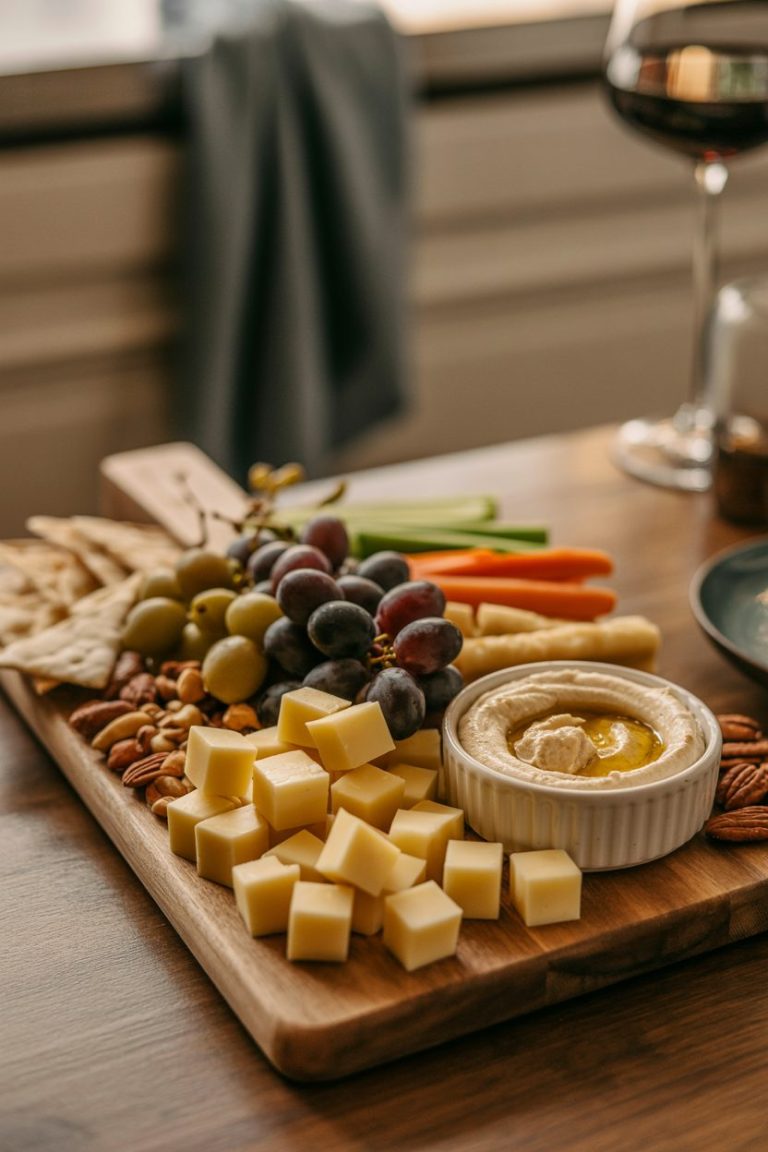
2. Hummus with Raw Vegetables
Bell peppers, carrots, cucumbers, cherry tomatoes—slice them up, dump some hummus in a bowl, and you’re set. The vegetables are basically just crunchy water with vitamins, so you can eat a ton of them without racking up calories.
I use this veggie chopper on Sundays to prep a week’s worth of vegetables. Game changer for consistency. For a complete meal version, these grilled veggie platters with hummus are incredible.
3. Handful of Mixed Nuts and Dried Figs
Raw almonds, walnuts, and a couple of dried figs create this sweet-and-savory combo that hits different. Figs add natural sweetness and extra fiber, while nuts bring the protein and healthy fats.
Portion alert: Stick to about 1 ounce of nuts (roughly 23 almonds) and 2-3 dried figs. It’s easy to go overboard here. If you like figs in other dishes, try this oatmeal with dried figs, walnuts, and cinnamon for breakfast.
4. Whole Grain Crackers with Olive Tapenade
Olive tapenade is just fancy talk for chopped olives mixed with capers, garlic, and olive oil. Spread it on whole grain crackers for a snack that feels indulgent but delivers healthy fats and whole grain fiber.
You can buy tapenade or make it in 5 minutes with a food processor. IMO, homemade tastes better and lets you control the salt content. For a more complete version, these olive tapenade toasted baguettes are fantastic.
Quick Win: Keep a jar of tapenade in your fridge and a box of whole grain crackers in your pantry. Instant snack that guests think you planned ahead for.
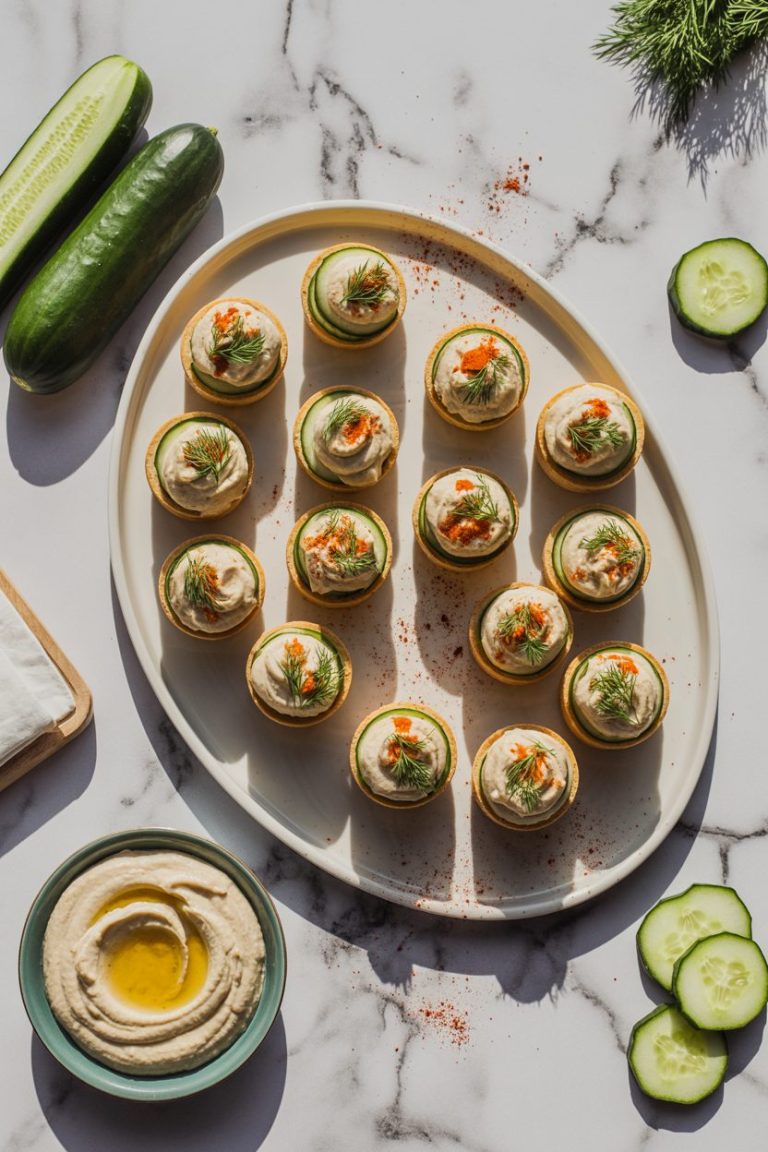
5. Cucumber Rounds with Feta and Tomatoes
Slice a cucumber into thick rounds, top each one with crumbled feta cheese and a cherry tomato half. It’s like a deconstructed salad that you can eat with your hands.
The cucumber provides crunch and hydration, feta adds protein and tang, and tomatoes bring vitamin C and antioxidants. Total prep time: 3 minutes. For a wrapped version, try these cucumber hummus sandwiches.
6. Roasted Chickpeas
Toss chickpeas with olive oil and your favorite spices, roast them at 400°F until crispy, and you’ve got a crunchy snack that beats chips every time. They pack 6 grams of protein and 5 grams of fiber per half cup.
I make a big batch and store them in an airtight container. They stay crispy for about a week. If you want to skip the roasting, pre-roasted chickpea snacks from stores work fine too. You might also love these cinnamon-roasted chickpeas for a sweeter version.
7. Apple Slices with Almond Butter
This is kindergarten snack territory, but it works. Slice an apple, spread some almond butter on each slice, and boom—you’ve got fiber from the apple and protein plus healthy fats from the almond butter.
One thing though: check your almond butter ingredients. You want almonds and maybe salt. That’s it. None of that added sugar or palm oil nonsense. I use this apple slicer because I’m lazy and it makes perfectly uniform slices.
For more inspiration with plant-based proteins, check out these high-protein vegetarian recipes that might surprise you.
8. Stuffed Grape Leaves (Dolmas)
You can buy these pre-made from most grocery stores. Grape leaves stuffed with rice, herbs, and sometimes pine nuts deliver a unique flavor profile that’s both tangy and savory.
They’re portion-controlled by nature—each one is about 50-60 calories. Three or four make a solid snack. If you’re feeling ambitious, these homemade stuffed grape leaves are actually easier to make than you’d think.
9. Tomato and Mozzarella Skewers
Thread cherry tomatoes and small mozzarella balls onto skewers, drizzle with balsamic glaze, and add fresh basil if you’re feeling fancy. It’s a Caprese salad in finger food form.
The protein from mozzarella combined with the vitamins from tomatoes makes this a surprisingly filling snack. Pro tip: Make a bunch of these on Sunday and keep them in the fridge for grab-and-go convenience throughout the week.
For a more substantial version, try this Caprese white bean salad that adds extra protein and fiber.
10. Edamame with Sea Salt
These are just young soybeans, and they’re ridiculously easy to prepare. Boil them for 5 minutes, toss with sea salt, and eat them straight from the pod.
One cup of edamame delivers 17 grams of protein and 8 grams of fiber. That’s more protein than most snacks on this list. Plus, shelling them slows you down, which helps with mindful eating.
11. Whole Grain Pita with Baba Ghanoush
Baba ghanoush is like hummus’s smoky cousin. Made from roasted eggplant, tahini, and lemon juice, it’s creamy and rich without being heavy.
Cut a whole grain pita into triangles and dip away. The whole grain pita adds complex carbs that digest slowly, while the baba ghanoush brings healthy fats and a touch of protein. You can find baba ghanoush at most stores, or roast an eggplant yourself if you’re feeling ambitious.
Speaking of Mediterranean spreads, these whipped feta dips with honey and thyme are also incredible with pita.
12. Fresh Figs with Ricotta
When figs are in season, slice them in half and top with a dollop of ricotta cheese. Add a tiny drizzle of honey if you want, but honestly, ripe figs are already sweet enough.
Ricotta provides protein, figs bring fiber and natural sweetness, and the combination feels way more decadent than the actual calorie count suggests. It’s the kind of snack that makes you feel like you’re treating yourself.
13. Tzatziki with Bell Pepper Strips
Tzatziki is a Greek yogurt-based dip mixed with cucumber, garlic, and dill. It’s refreshing, tangy, and pairs perfectly with bell pepper strips.
The Greek yogurt base means you’re getting protein, while bell peppers add crunch and vitamin C. I make a big batch of tzatziki on Sundays—it lasts all week and goes with pretty much any vegetable. If you want something more substantial, try this falafel wrap with tzatziki.
For storing your tzatziki and keeping it fresh, these airtight glass containers work perfectly.
14. Trail Mix with Nuts, Seeds, and Dark Chocolate
Make your own trail mix by combining raw almonds, walnuts, pumpkin seeds, sunflower seeds, and a few dark chocolate chips. Store-bought versions usually have way too much sugar.
Dark chocolate (70% cacao or higher) adds antioxidants and satisfies sweet cravings without the sugar crash of milk chocolate. Keep portions to about 1/4 cup—this stuff is calorie-dense.
Pro Tip: Pre-portion your trail mix into small bags or containers. Makes it way easier to grab the right amount instead of eating half the jar while watching TV.
15. Sardines on Whole Grain Crackers
Hear me out on this one. I know sardines aren’t for everyone, but if you’re open to them, they’re a nutritional powerhouse. High in omega-3 fatty acids, protein, and vitamin D.
Mash them up with a little lemon juice and spread on whole grain crackers. The whole grains add fiber, sardines bring protein and healthy fats, and it’s legitimately filling. Start with these mild, boneless sardines if you’re new to the sardine game.
For other protein-packed options, check out this tuna white bean salad that works great as a snack too.
16. Marinated Artichoke Hearts
You can buy these in jars, already marinated in olive oil with herbs. They’re tangy, slightly briny, and super satisfying.
Eat them straight from the jar or pair them with a few slices of cheese. Low in calories, high in fiber, and they feel fancy even though they’re basically zero effort. I keep a jar in my fridge at all times.
17. Orange Slices with Pistachios
This might sound weird, but trust me. Peel an orange, separate it into segments, and eat alongside a small handful of shelled pistachios.
The sweetness of the orange contrasts perfectly with the savory, slightly salty pistachios. Oranges bring vitamin C and fiber, pistachios add protein and healthy fats. It’s refreshing and filling at the same time.
18. Mini Falafel Balls
You can make these ahead or buy them frozen. Falafel is made from chickpeas (or sometimes fava beans), herbs, and spices, then formed into balls and baked or fried.
Three or four mini falafel balls make a solid snack. They pack protein and fiber, and you can dip them in tzatziki or hummus for extra staying power. Get the full recipe for homemade falafel that you can make in batches and freeze.
If you’re looking for more chickpea-based meals, these easy baked falafel are fantastic for meal prep, and this Mediterranean chickpea skillet makes a complete dinner.
For making perfectly shaped falafel every time, I use this small cookie scoop. Consistent size means they all cook evenly.
Building Your Mediterranean Snack Strategy
Having a list of snacks is great, but you need a system to actually use them. Here’s what works for me.
Prep once, snack all week. Sunday afternoon, spend 30 minutes chopping vegetables, portioning nuts, and making a big batch of hummus or tzatziki. Store everything in clear containers so you can see what you’ve got.
Keep a snack drawer or shelf in your fridge at eye level. If healthy snacks are visible and accessible, you’ll reach for them. If they’re hidden behind last week’s leftovers, you’ll grab whatever’s easiest.
Mix up your protein sources throughout the week. Greek yogurt some days, nuts other days, chickpea-based snacks when you want something different. Variety keeps it interesting and ensures you’re getting different nutrients.
For those busy mornings when you need something more substantial than a snack, these Mediterranean breakfast recipes are lifesavers. And if you’re planning a full week of eating, check out this 14-day Mediterranean meal plan for beginners.
Common Mistakes to Avoid
Let’s talk about where people usually mess this up, because I’ve made these mistakes too.
Going too low-fat. Mediterranean eating includes healthy fats from olive oil, nuts, and fish. These fats are crucial for satiety. If you’re buying fat-free Greek yogurt or skipping the olive oil, you’re missing the point and probably ending up hungry.
Eating mindlessly. Even healthy snacks add up calorie-wise. Put your snack in a bowl or on a plate instead of eating from the container. This simple trick helps you be more aware of how much you’re actually eating.
Choosing convenience over quality. Those 100-calorie packs of crackers? Usually made with refined grains and not much else. A few whole grain crackers with hummus will keep you fuller longer, even if it takes 30 seconds more to prepare.
Ignoring portion sizes on calorie-dense foods. Nuts and dried fruit are nutritious, but they pack a lot of calories into a small volume. Measure them out, at least at first, until you develop an eye for appropriate portions.
If you’re serious about portion control for meal prep, these high-protein meal prep ideas include built-in portion guidelines that help a lot.
Making Mediterranean Snacking Work Long-Term
The snacks on this list aren’t some temporary diet thing. They’re foods that people around the Mediterranean have been eating for generations because they work.
Start with two or three snacks from this list that sound good to you. Master those before trying to incorporate everything at once. Maybe it’s Greek yogurt with berries for morning snacks and hummus with vegetables for afternoons. Cool. Nail those first.
As you get comfortable, branch out. Try the sardines even if they seem weird. Experiment with making your own tzatziki. Buy fresh figs when they’re in season and see what the hype is about.
The goal isn’t perfection—it’s consistency. Eating Mediterranean-style snacks 80% of the time will serve you way better than trying to be perfect and giving up after a week.
FYI, if you’re looking at Mediterranean eating as a bigger lifestyle change, these Mediterranean snacks that keep you full expand on even more options. And this 7-day Mediterranean meal plan shows you how to structure complete days of eating.
For tracking your progress and planning meals, a simple meal planning journal can be surprisingly helpful. Nothing fancy, just somewhere to jot down what worked and what didn’t.
Frequently Asked Questions
How many snacks should I eat per day on a Mediterranean diet?
Most people do well with 1-2 snacks per day, depending on meal timing and hunger levels. Listen to your body—snack when you’re genuinely hungry, not just out of habit or boredom. If your meals are well-balanced with protein and fiber, you might find you need fewer snacks than you think.
Are Mediterranean snacks good for weight loss?
They can be, yes. Mediterranean snacks emphasize protein, fiber, and healthy fats that promote satiety, which can help you consume fewer calories overall without feeling deprived. The key is portion control—even healthy snacks contribute to your daily calorie intake. Focus on whole foods and pay attention to hunger cues rather than mindlessly snacking.
Can I meal prep Mediterranean snacks for the whole week?
Absolutely. Many Mediterranean snacks keep well for 3-5 days when stored properly. Chop vegetables on Sunday and store in airtight containers with a damp paper towel to maintain freshness. Portion out nuts and dried fruit into individual containers. Make hummus, tzatziki, and baba ghanoush in batches—they last about a week in the fridge. Just avoid prepping items that brown quickly (like cut apples) more than a day in advance.
What’s the best Mediterranean snack for post-workout recovery?
Greek yogurt with berries and nuts is tough to beat for post-workout. You get fast-digesting carbs from the berries, protein from the yogurt to support muscle recovery, and healthy fats from the nuts. Aim for this snack within 30-60 minutes after your workout for optimal recovery. If you need something more substantial, edamame or a small falafel serving also works great.
Are these snacks suitable for people with diabetes?
Many of these snacks work well for blood sugar management because they combine protein, fiber, and healthy fats, which slow glucose absorption. That said, everyone’s blood sugar responds differently to foods, so monitor your levels and work with your healthcare provider. Generally, snacks like vegetables with hummus, nuts, Greek yogurt, and cheese-based options tend to have minimal blood sugar impact compared to refined carbohydrate snacks.
The Bottom Line
Mediterranean snacking isn’t complicated. It’s about choosing whole foods that combine protein, fiber, and healthy fats to actually keep you satisfied between meals.
You don’t need all 18 of these snacks in your rotation. Start with three or four that sound good, get comfortable with those, and expand from there. The point is having options that work for your taste preferences and lifestyle.
Will these snacks magically solve all your hunger issues? No, because nutrition isn’t magic. But they’ll give you steady energy, reduce those desperate hunger pangs, and help you avoid the vending machine or drive-through when 3 p.m. rolls around.
The best snack is the one you’ll actually eat consistently. So pick your favorites from this list, prep them ahead of time, and keep them visible and accessible. Your future self—the one who’s not hangry at 4 p.m.—will thank you.
Now go forth and snack like you mean it.