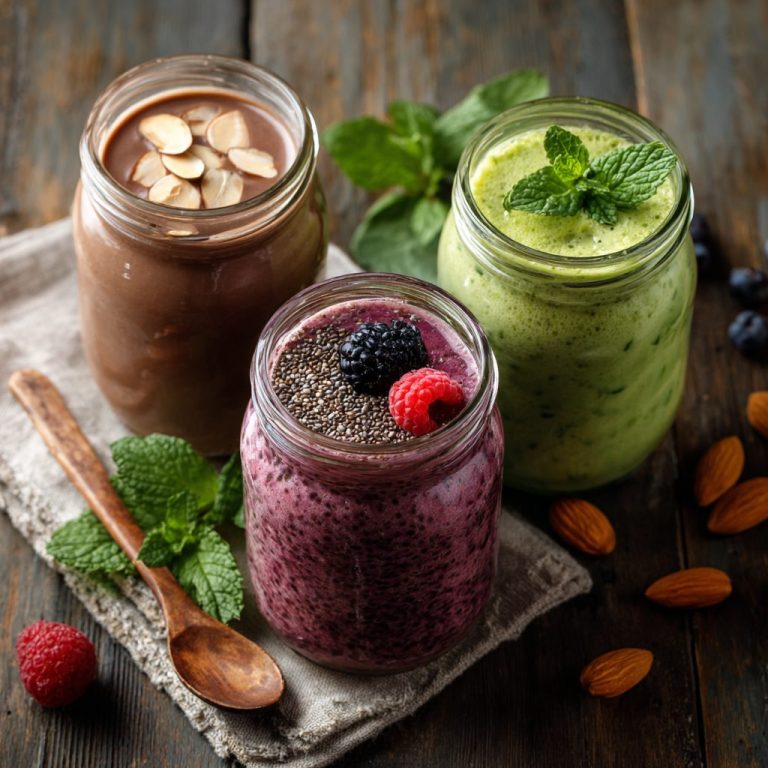
15 Low Calorie Smoothies That Still Keep You Full
Let’s be real—most low calorie smoothies taste like disappointment blended with ice and false promises. You drink one, feel virtuous for about 20 minutes, and then you’re raiding the pantry like a raccoon at 10 AM because you’re starving.
But here’s the thing: it doesn’t have to be that way.
I’ve spent way too much time perfecting smoothies that actually keep me satisfied without turning into a 600-calorie dessert masquerading as health food. And I’m talking about smoothies that clock in under 300 calories but still have enough protein, fiber, and healthy fats to keep your stomach from staging a revolt an hour later.
So if you’re tired of those watery, sad excuses for smoothies that leave you hungrier than before, stick around. These 15 recipes actually work.
Why Most Low Calorie Smoothies Fail (And How to Fix It)
The problem with most “diet” smoothies is they’re basically fruit juice with extra steps. Sure, they’re low in calories, but they’re also low in everything that actually keeps you full—protein, fat, and fiber.
Your body burns through simple carbs faster than you can say “hungry again,” which is why that all-fruit smoothie leaves you digging through the fridge 45 minutes later.
The solution? Build your smoothies like you’re constructing something that needs to last. Start with a solid protein base, add some healthy fats, throw in fiber-rich ingredients, and then add fruit for flavor—not as the main event.
According to research on protein and satiety, getting adequate protein at breakfast significantly reduces hunger throughout the day and helps maintain stable blood sugar levels.
Always add at least 15-20 grams of protein to your smoothie. It’s the difference between a snack that lasts 30 minutes and a meal that actually holds you over until lunch.
The Formula for a Filling Low Calorie Smoothie
Before we get into the recipes, let’s talk about the formula. Every good low calorie smoothie needs five key components that work together to keep you satisfied.
Protein source: Greek yogurt, protein powder, cottage cheese, or silken tofu. This is your foundation—don’t skip it.
Healthy fats: A tablespoon of nut butter, quarter of an avocado, chia seeds, or ground flax. Fat slows digestion and keeps you fuller longer.
Fiber: Spinach, frozen cauliflower, oats, or berries. Fiber adds bulk without adding many calories, and your gut will thank you.
Liquid base: Unsweetened almond milk, water, or coconut water. Skip the juice—it’s just sugar water pretending to be healthy.
Flavor enhancers: Vanilla extract, cinnamon, cocoa powder, or frozen fruit. This is where the magic happens and your smoothie stops tasting like punishment.
Get this ratio right, and you’ve got a smoothie that tastes good and actually does its job. I keep a high-powered blender on my counter because it makes the whole process stupidly easy—no chunks, no fuss, just smooth results every time.
1. Berry Protein Power Smoothie
This is my go-to when I need something quick that won’t let me down. Mixed berries bring the antioxidants and natural sweetness, while Greek yogurt and protein powder tag-team to keep hunger at bay.
Calories: 245 | Protein: 28g
Blend 1 cup unsweetened almond milk, half cup Greek yogurt, one scoop vanilla protein powder, one cup frozen mixed berries, and a handful of spinach. The spinach disappears completely—I promise you won’t taste it.
I use frozen berry mix because it’s cheaper than fresh and keeps forever in the freezer. Plus, frozen fruit makes your smoothie thick and frosty without needing ice that waters everything down.
My Go-To Blender for Daily Smoothies
After burning through three cheap blenders in two years, I finally invested in a quality blender that actually handles frozen ingredients without sounding like it’s dying. Best decision I’ve made for my morning routine.
Why I recommend it:
- Crushes frozen fruit and ice without leaving chunks
- Blends leafy greens completely smooth—no bits of spinach in your teeth
- Easy to clean with self-cleaning function
- Powerful enough for daily use without overheating
- Doesn’t sound like a jet engine taking off
It’s not the cheapest option, but if you’re making smoothies more than twice a week, it pays for itself by not breaking down every six months. I’ve had mine for three years and it still works like new.
If you’re into meal prepping your mornings, check out these high-protein breakfasts under 350 calories for more filling options.
2. Chocolate Peanut Butter Banana
This tastes like a milkshake but clocks in at under 300 calories. The combination of banana, peanut butter, and cocoa powder hits that dessert craving while actually being nutritious.
Calories: 285 | Protein: 22g
Combine one cup unsweetened almond milk, half a frozen banana, one tablespoon natural peanut butter, one tablespoon unsweetened cocoa powder, one scoop chocolate protein powder, and a few ice cubes.
The frozen banana makes this thick and creamy without any added sugar. And before you ask—yes, you can substitute almond butter if peanuts aren’t your thing. The flavor changes slightly but it’s still delicious.
The Protein Powder That Actually Tastes Good
After trying 15+ brands, this is the one I keep buying
I’m picky about protein powder. Most of them taste like chalk mixed with artificial sweetener, and some leave this weird film in your mouth. This one is different—it blends smooth, doesn’t clump, and actually tastes like what it says on the label.
No artificial sweeteners, no mystery chemicals. Just whey protein, natural flavors, and stevia.
No clumps, no grittiness. Blends smooth every single time without needing a shaker ball.
25g protein per scoop keeps you satisfied. Not those weak 15g scoops that do nothing.
Vanilla and chocolate that taste real, not like fake chemical vanilla essence.
I’ve used this daily for over a year and haven’t gotten sick of it, which says a lot. The vanilla works in any smoothie recipe, and the chocolate is perfect for those dessert-craving mornings.
3. Green Goddess Detox Smoothie
Don’t let the name fool you—this isn’t some trendy juice cleanse nonsense. It’s packed with greens, but the pineapple and mango keep it sweet enough that you’ll actually want to drink it.
Calories: 220 | Protein: 18g
Blend two cups spinach, one cup unsweetened almond milk, half cup frozen mango, quarter cup frozen pineapple, half a banana, one scoop vanilla protein powder, and a squeeze of lime juice.
The lime juice is the secret ingredient here—it brightens everything up and makes the whole thing taste fresh instead of swampy. I keep a citrus juicer specifically for this because bottled lime juice tastes like regret.
For more nutrient-dense meal ideas, you might want to explore this Mediterranean anti-inflammatory meal plan.
4. Tropical Protein Paradise
This smoothie transports you to a beach somewhere even if you’re actually standing in your kitchen in pajamas at 6 AM. Coconut, pineapple, and mango create that vacation vibe.
Calories: 265 | Protein: 24g
Mix one cup coconut water, half cup plain Greek yogurt, half cup frozen pineapple, half cup frozen mango, one scoop vanilla protein powder, and one tablespoon unsweetened shredded coconut.
The coconut water adds electrolytes without the calories of coconut milk. Speaking of tropical flavors, if you want something you can eat with a spoon, try this Mediterranean smoothie bowl—it’s basically the fancy cousin of regular smoothies.
Prep smoothie bags on Sunday—portion out all your frozen ingredients into freezer bags, then just dump and blend each morning. Takes 30 seconds instead of 10 minutes.
5. Coffee Protein Shake
For those mornings when you need both caffeine and nutrition but don’t have time for both. This kills two birds with one blender.
Calories: 240 | Protein: 26g
Blend one cup cold brew coffee, half cup unsweetened almond milk, half a frozen banana, one scoop chocolate protein powder, one tablespoon almond butter, and a handful of ice.
The cold brew prevents that weird warm smoothie situation that happens with regular coffee. I make a batch of cold brew every week in a cold brew pitcher—it’s cheaper than buying it and tastes better too.
6. Strawberry Cheesecake Smoothie
This tastes way more indulgent than 255 calories has any right to taste. The cottage cheese might sound weird, but it creates that creamy, cheesecake-like texture perfectly.
Calories: 255 | Protein: 25g
Combine one cup unsweetened almond milk, half cup low-fat cottage cheese, one cup frozen strawberries, one scoop vanilla protein powder, and half teaspoon vanilla extract.
The cottage cheese blends completely smooth—you won’t have any chunks, FYI. If you’re skeptical about cottage cheese in smoothies, you’re not alone, but trust me on this one. The casein protein in cottage cheese digests slowly, keeping you fuller for longer.
Looking for more strawberry-based breakfast ideas? These strawberry cheesecake overnight oats have the same flavor profile but you can prep them the night before.
7. Blueberry Muffin Smoothie
All the comfort of a fresh blueberry muffin without the butter, sugar, and regret. The oats add that baked-good heartiness while keeping everything thick and satisfying.
Calories: 270 | Protein: 21g
Blend one cup unsweetened almond milk, half cup Greek yogurt, one cup frozen blueberries, quarter cup rolled oats, one scoop vanilla protein powder, half teaspoon cinnamon, and quarter teaspoon vanilla extract.
The oats need a good 30 seconds of blending to break down completely. I use old-fashioned rolled oats because they blend smoother than steel-cut and are easier to find than oat flour.
8. Peaches and Cream Protein Smoothie
This is summer in a glass. Frozen peaches are underrated in smoothies—they’re naturally sweet and create an amazing creamy texture when blended.
Calories: 235 | Protein: 24g
Mix one cup unsweetened almond milk, half cup Greek yogurt, one cup frozen peaches, one scoop vanilla protein powder, quarter teaspoon almond extract, and a pinch of cinnamon.
The almond extract is optional but it adds that extra something that makes this taste like a fancy dessert. Just don’t overdo it—a little goes a long way, and too much tastes like you’re drinking hand soap.
If you’re enjoying these fruity breakfast ideas, you’ll probably love this collection of fruit-based overnight oats that’ll make mornings less painful.
9. Mint Chocolate Chip Smoothie
This tastes like ice cream but won’t derail your entire day. The spinach adds that natural green color and sneaks in some vitamins, while the mint and cacao nibs create that classic combo.
Calories: 260 | Protein: 23g
Blend one cup unsweetened almond milk, one cup spinach, half a frozen banana, one scoop chocolate protein powder, quarter teaspoon peppermint extract, and one tablespoon cacao nibs.
Go easy on the peppermint extract—a quarter teaspoon is plenty. I learned this the hard way when I basically made toothpaste in a blender. Not my finest moment.
10. Pumpkin Spice Protein Smoothie
Yes, I’m that person who drinks pumpkin stuff year-round. Fight me. This tastes like fall, keeps you full for hours, and doesn’t require a second mortgage like those coffee shop versions.
Calories: 250 | Protein: 22g
Combine one cup unsweetened almond milk, half cup pure pumpkin puree, half a frozen banana, one scoop vanilla protein powder, one teaspoon pumpkin pie spice, and a pinch of cinnamon.
Make sure you’re using pure pumpkin puree, not pumpkin pie filling. The pie filling has added sugar and will wreck your calorie count. I keep cans of organic pumpkin puree in my pantry year-round because apparently I have no chill.
Freeze leftover pumpkin puree in ice cube trays. Pop out 2-3 cubes per smoothie and you’re good to go without dealing with half-used cans taking up fridge space.
11. Cherry Almond Smoothie
Cherries are criminally underused in smoothies. They’re packed with antioxidants, naturally sweet, and pair perfectly with almond butter for that marzipan vibe.
Calories: 275 | Protein: 23g
Blend one cup unsweetened almond milk, one cup frozen cherries, one tablespoon almond butter, one scoop vanilla protein powder, quarter teaspoon almond extract, and a handful of ice.
Frozen cherries are way easier than dealing with fresh ones—no pitting required, and they’re available year-round. The combination of almond butter and extract creates this ridiculously good bakery-like flavor that makes you forget you’re drinking something healthy.
12. Mango Turmeric Anti-Inflammatory Smoothie
This one’s for when you want something that tastes tropical but also makes you feel like you’re doing something good for your body. The turmeric adds a subtle warmth and has some serious anti-inflammatory benefits.
Calories: 240 | Protein: 20g
Mix one cup unsweetened almond milk, half cup Greek yogurt, one cup frozen mango, half teaspoon turmeric powder, quarter teaspoon black pepper, one teaspoon fresh ginger, and one scoop vanilla protein powder.
The black pepper isn’t random—it actually helps your body absorb the turmeric better. Science is weird but useful. According to studies on curcumin absorption, black pepper can increase bioavailability by up to 2000%.
For more anti-inflammatory meal ideas throughout the day, check out this 7-day Mediterranean anti-inflammatory meal plan that covers breakfast through dinner.
13. Avocado Lime Smoothie
This might sound weird, but avocado makes smoothies unbelievably creamy without any dairy. The lime keeps it from tasting too rich, and the result is something refreshing and filling.
Calories: 265 | Protein: 21g
Blend one cup unsweetened almond milk, quarter of a ripe avocado, juice of one lime, one cup spinach, half a frozen banana, one scoop vanilla protein powder, and a handful of ice.
The avocado adds healthy fats that keep you satisfied for hours. I use one of those avocado storage containers for the leftover three-quarters so it doesn’t turn brown in the fridge overnight.
14. Apple Cinnamon Protein Smoothie
This tastes like apple pie but won’t make you feel like you need a nap afterward. The combination of apple, cinnamon, and oats creates that cozy, comfort-food feeling.
Calories: 255 | Protein: 22g
Combine one cup unsweetened almond milk, half cup Greek yogurt, one small apple (chopped and frozen), quarter cup rolled oats, one scoop vanilla protein powder, one teaspoon cinnamon, and a pinch of nutmeg.
Freezing the chopped apple ahead of time keeps your smoothie cold without diluting it with ice. I chop up apples and freeze them in portions using silicone freezer trays—makes the whole process brainless on busy mornings.
Speaking of apple-cinnamon flavors, these apple pie overnight oats hit the same cozy notes if you want something you can grab straight from the fridge.
15. Vanilla Cauliflower Smoothie
Okay, hear me out before you run away screaming. Frozen cauliflower in smoothies is a total game-changer. It adds volume and creaminess without adding flavor, calories, or making your smoothie taste like vegetables.
Calories: 230 | Protein: 25g
Blend one cup unsweetened almond milk, half cup frozen cauliflower, half a frozen banana, one scoop vanilla protein powder, one tablespoon almond butter, one teaspoon vanilla extract, and a pinch of cinnamon.
I promise the cauliflower is completely undetectable. It just makes everything thicker and adds fiber to keep you full. I buy big bags of frozen cauliflower rice specifically for smoothies because it’s already chopped into small pieces.
If you’re looking for more creative ways to sneak vegetables into your diet without sacrificing flavor, these high-protein smoothies for fat loss have some clever tricks too.
Keep a “smoothie station” in your freezer with pre-portioned bags. Label them with the recipe name and you’ll never waste time deciding what to make at 6 AM when your brain isn’t working yet.
Making Low Calorie Smoothies Work for Your Schedule
The best smoothie is the one you’ll actually make. If it takes 20 minutes of prep every morning, you’ll quit after three days and go back to grabbing whatever’s convenient.
That’s why I’m big on batch prep. Every Sunday, I spend about 30 minutes portioning out smoothie ingredients into individual bags. Each bag gets everything except the liquid and protein powder. In the morning, I dump the bag contents into the blender, add my liquid and protein, blend, and I’m out the door.
The Freezer Bags That Changed My Meal Prep Game
I used to use regular plastic bags for smoothie prep until I discovered reusable silicone bags. They’re easier to fill, don’t leak, and I’m not constantly buying new bags because the cheap ones develop holes.
What makes them worth it:
- Stand up on their own for easy filling
- Freezer-safe and microwave-safe
- No weird plastic smell or taste
- Dishwasher safe—just toss them in after use
- Pay for themselves after about 20 uses
I have a set of eight bags, which is perfect for prepping smoothies for the work week plus a few extras. They’ve lasted me over a year without any issues, and I feel slightly less guilty about my environmental impact.
I use reusable silicone bags because they’re easier to fill than regular freezer bags and don’t develop mysterious holes after two uses. Plus, I feel slightly less guilty about not singlehandedly destroying the environment.
For more meal prep strategies that actually work in real life, these high-protein meal prep ideas cover breakfast, lunch, and dinner with minimal Sunday suffering.
Common Smoothie Mistakes That Sabotage Satiety
Even with great recipes, it’s easy to accidentally turn a filling smoothie into one that leaves you hungry. Here are the mistakes I see people make constantly.
Using too much fruit: More than one cup of fruit per smoothie and you’re basically drinking sugar. Fruit is healthy, but it’s still carbs, and too many carbs without enough protein and fat equals hunger within an hour.
Skipping the fat: Fat isn’t the enemy. A tablespoon of nut butter or quarter of an avocado slows digestion and keeps you satisfied. Without it, your smoothie is just flavored protein water.
Not measuring portions: Eyeballing nut butter is how a 300-calorie smoothie becomes 500 calories. Get a kitchen scale or use measuring spoons—future you will appreciate it.
Adding juice: If your smoothie needs juice to taste good, your recipe isn’t good enough. Juice adds calories and sugar without adding satiety. Use unsweetened almond milk, coconut water, or just water instead.
Drinking it too fast: Your brain needs about 20 minutes to register fullness. Chugging your smoothie in three minutes means you’ll still feel hungry even though you just consumed a full meal’s worth of nutrition.
Customizing These Recipes for Your Needs
These recipes aren’t set in stone. Once you understand the formula—protein, healthy fats, fiber, minimal sugar—you can start experimenting with your own combinations.
Allergic to nuts? Swap almond butter for sunflower seed butter or use coconut cream for healthy fats instead. Don’t like bananas? Use frozen cauliflower or zucchini for creaminess without the banana flavor. Hate spinach? Try frozen riced cauliflower, which truly has zero flavor when blended.
The protein powder you use matters too. Whey protein digests quickly and is great post-workout, but casein protein (like in cottage cheese) digests slowly and keeps you fuller longer. Plant-based proteins work fine too—just check that they’re not loaded with added sugars and fillers.
IMO, having a variety of protein sources throughout the week is better than sticking to just one type. Your gut microbiome will appreciate the diversity, and you’ll be less likely to get bored.
For a complete protein strategy that goes beyond smoothies, check out this 7-day high-protein Mediterranean meal plan that keeps things interesting without being complicated.
What to Eat Alongside Your Smoothie
Sometimes a smoothie alone isn’t quite enough, especially if you’re used to eating solid food for breakfast. Your brain registers chewing as part of the eating experience, so drinking all your calories can leave you feeling psychologically unsatisfied even if you’re technically full.
When I need something extra, I’ll add a slice of whole grain toast with a thin spread of nut butter, or a high-protein granola bar that’s actually made with real ingredients instead of mystery chemicals.
A handful of nuts works too—about 15 almonds or 10 cashews adds another 80-100 calories and gives you something to chew. The combination of liquid smoothie plus something solid to munch on hits that satisfaction button in your brain way better than just the smoothie alone.
If you want complete breakfast ideas that pair well with smoothies, these Mediterranean breakfast recipes include options that complement a smoothie perfectly without overdoing calories.
The Equipment You Actually Need
You don’t need a $500 blender to make good smoothies, but you do need something with decent power. Those little personal blenders are cute but struggle with frozen ingredients and leafy greens.
The Kitchen Scale That Keeps My Calories in Check
I thought measuring spoons were good enough until I realized I was adding way more nut butter than I thought. A digital kitchen scale changed everything—now I actually know what a tablespoon looks like instead of guessing and adding 50% more.
Why this one’s my favorite:
- Accurate to the gram for precise calorie counting
- Tare function lets you zero out bowl weight
- Compact design doesn’t take up counter space
- Easy to clean surface—just wipe it down
- Battery lasts forever (seriously, I’ve changed mine once in two years)
It’s one of those purchases that seems unnecessary until you have it, then you wonder how you lived without it. Especially helpful if you’re tracking macros or trying to stay in a calorie deficit without constantly being hungry because your portions are off.
I use a mid-range blender that cost around $100 and has handled daily smoothie duty for three years without complaining. It’s powerful enough to pulverize frozen fruit and greens but won’t require a small loan.
Other useful tools: a set of measuring spoons, a kitchen scale for accuracy, and some decent glass mason jars if you want to take your smoothie to go. The wide-mouth ones are easier to drink from and clean.
Skip the fancy smoothie cups with built-in straws unless you enjoy spending 10 minutes trying to clean trapped residue out of those straws. Regular mason jars work fine and you can actually see if they’re clean.
Frequently Asked Questions
Can I meal prep smoothies for the entire week?
Yes, but blend them fresh each day rather than pre-blending. Prep your ingredients in individual freezer bags with everything except the liquid and protein powder. Pre-blended smoothies separate and get weird textures after a day or two. Trust me, I’ve tried, and it’s not worth the convenience.
Will these smoothies help me lose weight?
They can help if they’re replacing higher-calorie breakfast options and keeping you full enough to avoid snacking before lunch. But smoothies alone won’t cause weight loss—you need an overall calorie deficit. These recipes just make it easier to stay in that deficit without feeling miserable and hungry all morning.
What’s the best protein powder for smoothies?
It depends on your dietary needs and taste preferences. Whey protein blends smoothest and tastes best, but it’s not vegan. Pea protein and brown rice protein work well for plant-based diets. Avoid anything with a ton of added sugars or artificial sweeteners that give you a chemical aftertaste. Read the labels and pick one with minimal ingredients.
Can I use fresh fruit instead of frozen?
You can, but you’ll need to add ice to get that thick, cold consistency. Frozen fruit is usually cheaper, available year-round, and creates a better texture without watering down your smoothie. Plus, frozen fruit is often picked at peak ripeness, so the nutritional value is comparable to fresh.
How long will a smoothie keep me full?
With adequate protein (20+ grams), healthy fats, and fiber, these smoothies should keep you satisfied for 3-4 hours. If you’re hungry an hour later, you probably didn’t include enough protein or fat. Check your portions and make sure you’re hitting those macros. Also, drink it slowly—chugging a smoothie in two minutes doesn’t give your body time to register fullness.
Final Thoughts
Low calorie smoothies don’t have to be disappointing. When you build them with the right balance of protein, healthy fats, and fiber, they become legit meals that keep you satisfied without derailing your nutrition goals.
The key is treating them like actual food instead of glorified juice. Your smoothie should have substance—ingredients that take time to digest and provide sustained energy. That’s how you go from being hungry 30 minutes later to actually making it to lunch without raiding the snack drawer.
Start with one or two recipes from this list that sound appealing, then experiment once you get comfortable with the formula. Keep your freezer stocked with the basics—frozen fruit, spinach, and maybe some cauliflower rice—and you’ll always be one blend away from a filling, low calorie breakfast.
And remember: the best smoothie is the one you’ll actually make and drink consistently. Don’t stress about making it perfect. Just make it good enough that you’ll want it again tomorrow.