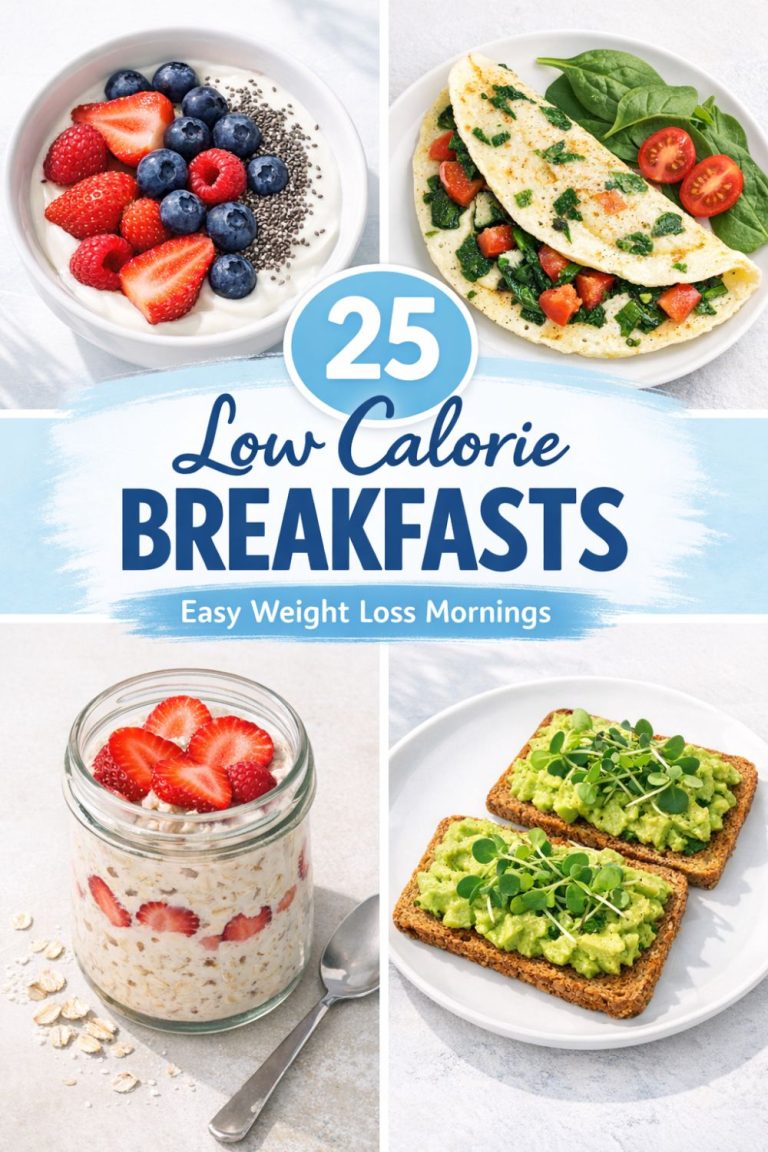
15 Easy Breakfast Recipes You Can Make in 10 Minutes
Look, we both know mornings are chaos. You’re trying to remember if you brushed your teeth, where you put your phone, and whether you fed the cat—all while your stomach’s screaming for food. The last thing you need is a breakfast recipe that requires a culinary degree and an hour of your precious morning time.
Here’s the truth: breakfast doesn’t have to be complicated to be good. Actually, some of the best breakfasts I’ve made took less time than my morning shower. We’re talking real food, real flavor, and zero stress. No overnight marinating, no complicated techniques, just solid meals you can throw together before your coffee kicks in.

According to Johns Hopkins Medicine, eating breakfast supports stable blood sugar levels and provides fiber that keeps your gut happy. But who’s got time for elaborate meal prep when you’re half-asleep?
Why 10-Minute Breakfasts Actually Work
I used to skip breakfast entirely. Thought I was saving time. Turns out, I was just setting myself up for a mid-morning energy crash and questionable vending machine decisions. The game-changer wasn’t finding more time—it was finding smarter recipes.
Research shows that combining protein and fiber at breakfast keeps you fuller longer and helps regulate blood sugar throughout the day. We’re not talking about grabbing a granola bar and calling it breakfast. We’re talking actual meals that fuel you properly without the morning time commitment.
The secret? Keep it simple. Most of these recipes use five ingredients or less. Some you can make with one hand while scrolling through your phone with the other. That’s the kind of efficiency we need on a Tuesday morning.
The Complete High-Protein Breakfast Blueprint eBook
Hitting 30+ grams of protein at breakfast shouldn’t require a PhD in nutrition. This high-protein breakfast guide gives you 75+ recipes specifically designed to maximize protein without sacrificing taste or adding hours to your morning routine.
- 75+ recipes with 25-40g protein each – all under 15 minutes
- Plant-based & animal-based options for every preference
- Macro calculations done for you – no math required
- Budget-friendly ingredient swaps to save money
- Meal prep guides for batch-cooking protein sources
Stop guessing if you’re getting enough protein. Get the blueprint and start every day properly fueled.
The Mediterranean Morning Advantage
Before we jump into the recipes, let’s talk about why Mediterranean-style breakfasts are having a moment. These aren’t your typical American breakfast foods—we’re ditching the sugar-loaded cereals and processed pastries for ingredients that actually do something for you.
Mediterranean breakfasts focus on whole grains, healthy fats, and quality proteins. Think Greek yogurt instead of sweetened yogurt cups. Olive oil instead of butter. Fresh vegetables instead of, well, no vegetables at all.
The best part? These ingredients are ridiculously versatile. That container of Greek yogurt can become five different breakfasts this week. Same with eggs, avocados, and whole grain bread. You’re not meal prepping—you’re just being smart about what you stock.
Recipe 1: Greek Yogurt Power Bowl
This one’s so simple it barely counts as cooking, but it’s become my go-to when I’m running late. Greek yogurt packs about 15-20 grams of protein per cup, which means you’re not reaching for snacks by 10 AM.
Grab a bowl, dump in a cup of plain Greek yogurt, drizzle with honey, toss on some berries and a handful of walnuts. Done. If you want to get fancy, add a sprinkle of cinnamon. The whole thing takes maybe three minutes, and that includes getting the ingredients out of the fridge.
This Get Full Recipe is perfect when you need something that travels well too. Throw it in a mason jar with a lid and you’ve got breakfast for your commute.
Why This Works
The combination of protein from yogurt, healthy fats from walnuts, and natural sugars from honey and berries gives you sustained energy without the crash. Plus, studies show that high-protein breakfasts significantly reduce hunger throughout the morning compared to cereal-based meals.
Recipe 2: Avocado Toast That’s Actually Filling
Yeah, I know—avocado toast is everywhere. But there’s a reason it stuck around. The problem is most people make it wrong. They slap some avocado on bread and wonder why they’re hungry an hour later.
Here’s how to do it right: toast your bread (whole grain, obviously), mash half an avocado with a fork, add a pinch of salt and red pepper flakes, then—and this is key—top it with a fried or poached egg. That egg adds about 6 grams of protein and transforms this from a snack into a real meal.
For the bread, I use a small countertop toaster that doesn’t take up half my kitchen. Perfectly crispy every time, and it doesn’t heat up the whole house like the oven does.
If you’re into Mediterranean-style breakfasts, you’ll absolutely love this Avocado Toast with Tomato & Olive Oil variation. It’s basically the same concept but with cherry tomatoes and a drizzle of good olive oil. Game changer.
Recipe 3: Overnight Oats (The Smart Person’s Breakfast)
IMO, overnight oats are the most underrated breakfast hack. You literally make it the night before while you’re cleaning up from dinner, stick it in the fridge, and grab it in the morning. Zero morning effort required.
Basic ratio: half a cup of oats, half a cup of milk (dairy or whatever you prefer), tablespoon of chia seeds, and your toppings. I usually go with peanut butter and sliced banana, but berries work great too. Mix it all in a glass jar, refrigerate, done.
The chia seeds add about 3 grams of fiber per tablespoon, and they help thicken everything up so it’s not soupy. Plus, oats are ridiculously cheap. We’re talking less than a dollar per serving.
Want more flavor variations? Check out these 25 Overnight Oats for Weight Loss recipes—there’s literally something for everyone, from chocolate lovers to fruit fanatics.
Recipe 4: The Mediterranean Scramble
This is what happens when you take regular scrambled eggs and actually make them interesting. Crack three eggs into a bowl, whisk with a fork, pour into a hot pan with a little olive oil. While they’re cooking, throw in some cherry tomatoes, spinach, and crumbled feta.
The whole thing cooks in about five minutes. The tomatoes get soft and slightly sweet, the spinach wilts down, and the feta adds this salty, creamy element that makes you forget you’re eating vegetables for breakfast.
For the pan, I swear by a non-stick ceramic skillet. Nothing sticks, cleanup takes ten seconds, and you can use less oil which means fewer calories if that’s your thing.
Recipe 5: Smoothie Bowl (But Make It Fast)
Smoothie bowls can get ridiculous with their fifteen toppings and perfect Instagram arrangements. Forget all that. Blend frozen berries, a banana, protein powder, and some almond milk. Pour it in a bowl, add granola and maybe some sliced fruit. Six minutes, tops.
The frozen fruit thing is crucial—it makes the smoothie thick enough to eat with a spoon, and frozen berries are picked at peak ripeness, which means better nutrients and flavor than fresh berries that traveled across the country.
I use a personal blender that’s small enough to not dominate my counter. Blend, pour, rinse the cup, done. No giant blender to disassemble and scrub.
Speaking of morning inspiration, this Mediterranean Smoothie Bowl takes the concept up a notch with dates and tahini. Sounds weird, tastes amazing.
Recipe 6: Cottage Cheese Toast Revolution
Alright, hear me out on this one. Cottage cheese has made a comeback, and for good reason—it’s loaded with protein and actually tastes good now. Brands have figured out how to make it less, well, lumpy and weird.
Toast your bread, spread cottage cheese on top, add cherry tomatoes and everything bagel seasoning. That’s it. The cottage cheese gets slightly warm from the toast, the tomatoes add freshness, and the seasoning brings all the flavor you need.
Each serving gives you about 15 grams of protein for under 200 calories. If you’re tracking macros, this one’s a winner. If you’re not, it’s still delicious and keeps you full until lunch.
Recipe 7: Quick Shakshuka (Yes, Really)
Traditional shakshuka takes forever because you’re simmering the sauce and waiting for everything to come together. This version? Not even close. Heat up some jarred marinara sauce in a pan, crack eggs directly into it, cover and cook for about four minutes until the eggs set.
Is it authentic? Absolutely not. Does it taste good and get protein and vegetables into your morning? Yep. Sometimes shortcuts are the right answer, especially on a Wednesday morning when you’re running on five hours of sleep.
Serve it with crusty bread for dipping—I keep a loaf in the freezer and toast slices as needed using my toaster oven. Frozen bread toasts perfectly fine, and nothing goes to waste.
For the real deal that’s still weeknight-friendly, try this Shakshuka with Spicy Tomato Sauce. It takes a bit longer but it’s worth it on weekends.
Looking for more egg-based breakfast ideas? These Egg Muffins are perfect for meal prep—make a batch on Sunday, grab two for breakfast all week. Also, this Classic Veggie Omelet is another solid option when you want something hot and filling.
Recipe 8: Peanut Butter Banana Toast
This one’s almost too simple to include, but it works. Toast bread, spread peanut butter (the real stuff, not the sugar-added kind), slice banana on top. Optional: drizzle of honey and a sprinkle of cinnamon.
The key is using natural peanut butter that’s just peanuts and maybe salt. The hydrogenated oil versions are loaded with added sugar and weird ingredients. Real peanut butter gives you healthy fats and about 8 grams of protein per serving.
Bananas are cheap, available year-round, and provide potassium which helps with muscle function and preventing cramps. They’re also sweet enough that you don’t need to add much honey, if any.
Recipe 9: Hummus and Veggie Wrap
Who says breakfast has to be sweet or egg-based? This savory wrap takes about five minutes and uses ingredients you probably already have. Spread hummus on a whole wheat tortilla, add cucumber slices, tomatoes, spinach, maybe some feta if you’re feeling fancy. Roll it up, eat it.
Hummus provides plant-based protein and fiber, the vegetables add crunch and nutrients, and the whole thing is ridiculously portable. Wrap it in foil and eat it on your way to work, at your desk, wherever.
I make these wraps easier by keeping a veggie chopper in my kitchen. Dice everything in seconds, no knife skills required, and cleanup is minimal.
Calorie Deficit Breakfast Tracker & Meal Planner
Eating in a calorie deficit while staying full at breakfast is an art. This specialized tracker and planner combo is designed specifically for low-calorie, high-volume breakfast meals that keep you satisfied without blowing your daily budget.
- Pre-loaded breakfast database with 200+ low-cal recipes under 350 calories
- Volume eating calculator showing how to maximize food on your plate
- Hunger satisfaction ratings to identify what actually keeps you full
- Weekly deficit tracking with visual progress charts
- Smart swap suggestions to cut calories without cutting satisfaction
Stop feeling hungry by 10 AM. Try the tracker and learn what actually keeps you full in a deficit.
This Cucumber Hummus Sandwich follows the same concept but between bread instead of in a wrap. Sometimes you just need that sandwich feeling, you know?
Recipe 10: Quick Breakfast Burrito
Scramble two eggs with a handful of black beans (canned is fine, just rinse them), wrap in a tortilla with salsa and a bit of cheese. Microwave for 20 seconds if you want it warm, or eat it as-is. The beans add fiber and plant-based protein, making this way more filling than just eggs alone.
FYI, I keep cooked black beans in my fridge pretty much always. They last about a week and can go in burritos, salads, or just eaten with a spoon when you need quick protein. Game changer for busy mornings.
If you want to level up your burrito game, these Low-Cal Breakfast Burrito Wraps have some seriously creative filling combinations I never would have thought of.
Recipe 11: Chia Pudding (The Night Before Magic)
Mix three tablespoons of chia seeds with a cup of almond milk, add vanilla extract and a sweetener of choice, refrigerate overnight. In the morning, top with berries or nuts. That’s it. The chia seeds expand and create this pudding texture that’s weirdly satisfying.
Each serving gives you about 10 grams of fiber and 6 grams of protein, plus omega-3 fatty acids. It’s basically a nutritional powerhouse that requires zero cooking skills. Just stirring.
I portion these out in small glass containers with lids—make four at once and you’ve got breakfast sorted for half the week.
Recipe 12: Smoked Salmon on Crackers
This sounds fancy, but it’s literally crackers, cream cheese, smoked salmon, and maybe some capers if you have them. Smoked salmon is pre-cooked, so there’s zero cooking involved. Just assembly.
Each serving packs about 20 grams of protein and healthy omega-3 fats that are good for your brain and heart. Plus, it feels like you’re eating at a nice brunch spot instead of standing in your kitchen half-dressed.
Use whole grain crackers for extra fiber, and if you want to save money, check out the frozen salmon sections—quality is the same, price is way better. Store it in a freezer-safe container and thaw what you need.
This Smoked Salmon Avocado Toast combines two breakfast favorites into one ridiculously good meal. The avocado and salmon pairing is chef’s kiss.
Recipe 13: Instant Oatmeal (Done Right)
Regular instant oatmeal from packets is basically sugar with oat flavoring. Making your own takes the same amount of time and actually tastes like food. Microwave half a cup of quick oats with a cup of water for 90 seconds. Stir in peanut butter, banana slices, and cinnamon.
The peanut butter transforms it from bland to creamy and delicious, plus it adds protein. Banana adds natural sweetness so you don’t need to dump sugar in. And cinnamon has been shown to help regulate blood sugar, which means no mid-morning crash.
Keep your oats in an airtight cereal container so they stay fresh and you can quickly scoop what you need. Small organizational wins make breakfast easier.
Recipe 14: Turkey and Cheese Roll-Ups
This is what I eat when I literally cannot deal with cooking anything. Take a slice of deli turkey, put a slice of cheese on it, roll it up, eat it. Repeat until satisfied. Usually takes three or four roll-ups to feel full.
Is it weird to eat cold meat for breakfast? Maybe. Does it give you 15-20 grams of protein with zero prep time? Absolutely. Sometimes pragmatism wins over convention.
Add some cherry tomatoes or cucumber slices on the side if you want vegetables involved. I’m not your mom—do what works for you.
Recipe 15: Quick Breakfast Salad
Stay with me on this one. Salad for breakfast sounds absurd until you try it. Mixed greens, hard-boiled eggs (make them in advance), cherry tomatoes, cucumber, olive oil, and lemon juice. Takes five minutes to assemble, and it’s incredibly refreshing.
The eggs provide protein, the vegetables give you fiber and nutrients, and starting your day with vegetables means you’ve already hit some of your daily intake before 9 AM. That’s a win in my book.
Hard-boil a batch of eggs on Sunday using an egg cooker—perfect eggs every time with zero effort or watching the pot. Keep them in the fridge all week.
For more salad inspiration that actually fills you up, check out these 21 Mediterranean Salads That Are Actually Filling. Yes, salads can be breakfast. Yes, they can keep you full. I was skeptical too.
If you want to expand your quick breakfast repertoire beyond these 15, these 15 Easy High-Protein Breakfasts offer even more options, and this 30 Mediterranean Breakfast Recipes for Busy Mornings collection will keep you covered for an entire month.
Making It Work in Real Life
Here’s the thing about 10-minute breakfasts—they only stay 10 minutes if you’re organized. I’m not talking about becoming some meal prep influencer with matching containers and color-coded labels. Just basic smart planning.
Keep your breakfast ingredients in one section of the fridge. Put your go-to spices in a small spice rack near the stove instead of digging through a cabinet. Store your breakfast tools together—that whisk, that spatula, that cutting board.
Buy pre-washed, pre-cut vegetables when possible. Yes, it costs more. But if it’s the difference between eating vegetables for breakfast or grabbing a granola bar, it’s worth every penny. Your health matters more than saving a dollar.
The Protein and Fiber Connection
Every single one of these recipes includes either protein, fiber, or ideally both. That’s not an accident. Protein keeps you full by slowing digestion, while fiber adds bulk and helps regulate blood sugar. Together, they’re the dream team of satiety.
According to nutritionists, aiming for about 25-35 grams of protein and 10-15 grams of fiber at breakfast sets you up for stable energy throughout the morning. Most of these recipes hit those targets or get you pretty close.
What About Cost?
Look, I’m not going to pretend eating healthy is always cheaper than grabbing fast food. But these breakfasts? They’re surprisingly affordable, especially compared to buying breakfast out every day.
A container of Greek yogurt costs about four bucks and gives you four breakfasts. A dozen eggs is maybe three dollars and covers breakfast for a week. Oats, peanut butter, and bread are dirt cheap. We’re talking under two dollars per breakfast for most of these recipes.
The expensive part is the initial stock-up. But once you have the basics—olive oil, spices, honey, nut butter—you’re just replenishing one or two items each week. It evens out fast.
When You’re Really Not a Morning Person
Some people wake up hungry and energized. I am not those people. If the thought of eating solid food first thing makes you nauseous, start with the smoothie or the chia pudding. Liquid breakfast is still breakfast, and it counts.
Give yourself 30 minutes after waking up before you eat. Let your body actually wake up. Drink some water, make your coffee, then ease into food. There’s no rule that says breakfast has to happen the second you open your eyes.
And if you’re really struggling, make it the night before. Overnight oats, chia pudding, and even some wraps can be prepped and refrigerated. Morning you will thank evening you.
30-Day Mediterranean Breakfast Reset Program
Going Mediterranean isn’t about following random recipes—it’s a lifestyle. This complete 30-day program walks you through authentic Mediterranean breakfast habits with daily recipes, shopping guides, and the cultural context that makes this way of eating sustainable long-term.
- 30 daily Mediterranean breakfast plans with authentic recipes
- Mediterranean pantry setup guide – what to buy and why
- Olive oil quality guide to stop wasting money on garbage oils
- Cultural eating practices that support longevity and health
- Budget Mediterranean shopping – eat well without going broke
- Weekly meal prep schedules designed for real kitchens
Stop half-assing the Mediterranean diet. Get the full program and learn to eat like people who actually live in the Mediterranean.
Frequently Asked Questions
Can I really make a nutritious breakfast in just 10 minutes?
Absolutely. The key is keeping ingredients simple and prep minimal. Most of these recipes use five ingredients or less and require basic techniques like scrambling, mixing, or assembling. With some smart organization—keeping breakfast ingredients grouped in your fridge and pantry—you’ll find 10 minutes is plenty of time for a satisfying meal.
What if I’m not hungry first thing in the morning?
Start with liquid options like smoothies or chia pudding, which are easier to consume when you’re not fully awake. You can also wait 30-60 minutes after waking before eating—there’s no rule that breakfast must happen immediately. Many of these recipes are portable too, so you can make them and eat them later when your appetite kicks in.
How much protein should I aim for at breakfast?
Most nutritionists recommend 25-35 grams of protein at breakfast, especially if you’re active or trying to maintain muscle mass. This amount helps keep you full until lunch and prevents mid-morning energy crashes. All the recipes in this article either hit this target or get you close when combined with a piece of fruit or small handful of nuts.
Are these recipes actually budget-friendly?
Yes. Most ingredients like eggs, oats, peanut butter, and Greek yogurt are inexpensive staples that last for multiple meals. You’re looking at under two dollars per breakfast for most of these recipes, which is significantly cheaper than buying breakfast out or even grabbing convenience items at the store. The initial pantry stock-up costs more, but it pays off quickly.
Can I meal prep any of these breakfasts?
Definitely. Overnight oats, chia pudding, egg muffins, and hard-boiled eggs all keep well for 3-5 days in the fridge. Make a batch on Sunday and you’ve got breakfast sorted for half the week. Even some wraps and burritos can be assembled the night before, though ingredients with high water content like tomatoes are better added fresh in the morning.
Final Thoughts
Breakfast doesn’t need to be complicated or time-consuming to be good. These 15 recipes prove you can make real, nutritious meals in the same amount of time it takes to scroll through social media while eating a sad granola bar.
The best breakfast is the one you’ll actually make. If that means cottage cheese toast four days a week, great. If it’s switching between three favorites on rotation, perfect. The goal isn’t variety for variety’s sake—it’s finding what works for your mornings and sticking with it.
Start with one or two recipes that sound appealing. Master those. Then add more as you get comfortable. Before you know it, you’ll have a solid rotation of quick breakfasts that actually fuel you properly. And who knows, you might even start looking forward to mornings. Or at least not dreading them quite so much.
Your mornings are about to get a whole lot easier. You’re welcome.