
15 Dairy-Free Breakfast Recipes for Sensitive Stomachs
Look, I’m not going to sugarcoat it—starting your day with a bloated stomach, cramping, or that lovely rumbling sound that announces itself to everyone in the room is nobody’s idea of fun. If you’ve been dealing with a sensitive stomach, you already know that dairy can be the villain in your morning routine.
Whether you’re dealing with lactose intolerance, IBS, or just a gut that throws tantrums when you so much as look at milk, going dairy-free at breakfast doesn’t mean you’re stuck with sad, boring meals. Actually, some of the best breakfast options don’t need dairy at all.
I’ve spent years figuring out which breakfasts keep my stomach happy without sacrificing flavor or leaving me starving by 10 AM. These 15 recipes are the ones I actually make—not the ones that sound good in theory but require 47 ingredients you don’t have.

Why Dairy Causes So Much Drama in the Morning
Your stomach in the morning is basically like that friend who needs coffee before they can handle human interaction—it’s sensitive, easily irritated, and not ready for complicated situations. When you throw dairy at it first thing, you’re asking for trouble.
According to Mayo Clinic, lactose intolerance happens when your small intestine doesn’t produce enough lactase—the enzyme needed to break down milk sugar. Without enough lactase, that lactose heads straight to your colon where bacteria ferment it, producing gas and causing all those uncomfortable symptoms.
What makes it worse? Most of us have lower enzyme activity in the morning. Your digestive system is basically still waking up, which is why that morning latte might hit different than an afternoon one. FYI, around 65% of the global population has some degree of lactose malabsorption, so you’re definitely not alone in this.
The Non-Negotiables for Gut-Friendly Breakfasts
Before we get into the recipes, let’s talk about what actually makes a breakfast easy on your stomach. It’s not just about avoiding dairy—though that’s obviously step one.
Fiber That Doesn’t Fight Back
Soluble fiber is your friend here. Think oats, chia seeds, and cooked fruits. They’re gentle on your system and help keep things moving without the aggressive approach that insoluble fiber sometimes takes. I’m looking at you, bran cereal that promises to “cleanse” your system.
Protein Without the Drama
You need protein to stay full, but some sources are easier to digest than others. Eggs, tofu, and smooth nut butters tend to be gentler than tough, chewy meats first thing in the morning. Your stomach will thank you for not making it work overtime before 9 AM.
Good Fats That Keep You Satisfied
Avocado, nuts, seeds, and coconut products provide healthy fats that slow digestion in a good way—keeping you full without overwhelming your system. Plus, they help you absorb fat-soluble vitamins, which is just a fancy way of saying they make your breakfast work better.
When talking about oatmeal with fresh berries and flaxseed, it’s worth mentioning that flaxseed provides both fiber and omega-3 fatty acids, making it particularly beneficial for gut health. Get Full Recipe.
15 Dairy-Free Breakfast Recipes That Won’t Betray Your Stomach
1. Classic Overnight Oats with Almond Milk
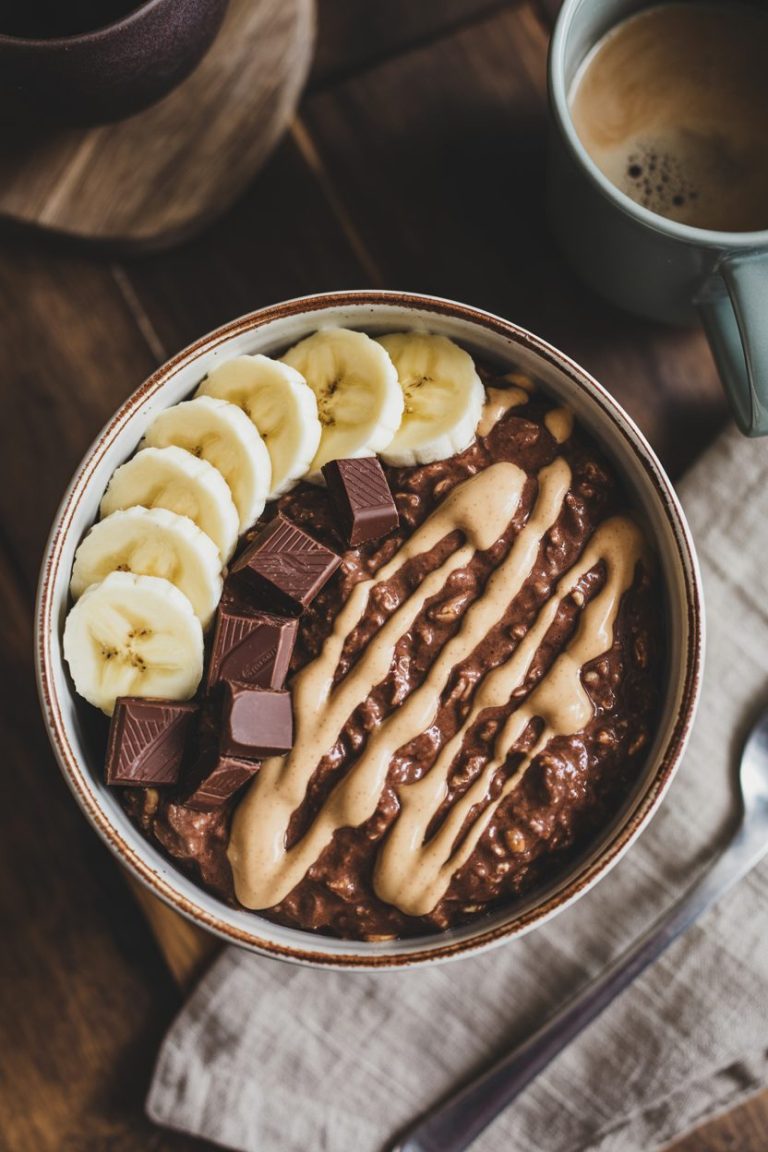
Overnight oats are basically the MVP of sensitive stomach breakfasts. You prep them the night before, they’re easy to digest, and you can customize them endlessly. Use rolled oats (not steel-cut—those are tougher to digest), almond milk, and a bit of maple syrup.
Mix it all in a mason jar, throw in some chia seeds if you’re feeling fancy, and let it sit overnight. In the morning, top with sliced banana and a sprinkle of cinnamon. Done. No cooking, no thinking, no stomach drama.
2. Berry Smoothie Bowl Without the Dairy
Smoothie bowls get a bad rap for being Instagram bait, but hear me out—blending your food partially digests it for you, which is exactly what you want with a sensitive stomach. Use frozen berries, a frozen banana, and coconut milk. Throw in some plant-based protein powder if you need the extra protein.
Blend until smooth, pour into a bowl, and top with granola and fresh fruit. The key is not making it too cold—brain freeze is bad enough without adding stomach freeze to the mix.
If you’re craving something different, check out this Mediterranean smoothie bowl that combines familiar flavors with gut-friendly ingredients.
3. Avocado Toast on Sourdough
Yes, it’s basic. Yes, it’s everywhere. And yes, there’s a reason for that—it works. Avocado toast with tomato and olive oil is simple, satisfying, and easy on your digestive system.
Use sourdough bread (the fermentation process makes it easier to digest), mash up half an avocado, add a pinch of salt, and you’re golden. I like to use this avocado masher because it’s weirdly satisfying and gets the job done without turning the avocado into baby food. Get Full Recipe.
4. Chia Seed Pudding
Chia pudding is what happens when you want dessert for breakfast but also want to feel virtuous about it. Mix 3 tablespoons of chia seeds with a cup of coconut milk, add vanilla extract and a touch of maple syrup, and let it sit overnight.
The seeds absorb the liquid and create this pudding-like texture that’s surprisingly filling. Top with fresh berries and you’ve got yourself a breakfast that looks way more complicated than it actually is.
Speaking of morning inspiration, you might enjoy these high-protein breakfast recipes that offer similar prep-ahead convenience.
5. Quinoa Breakfast Bowl
Quinoa for breakfast might sound weird if you’re used to thinking of it as a lunch or dinner thing, but it’s actually perfect for sensitive stomachs. It’s a complete protein, easy to digest, and has a mild flavor that plays well with both sweet and savory additions.
Cook it in almond milk instead of water, add cinnamon and vanilla while it’s cooking, then top with sliced almonds, berries, and a drizzle of honey. IMO, this is way better than traditional hot cereal.
6. Tofu Scramble with Vegetables
If you miss scrambled eggs but eggs don’t miss you back, tofu scramble is your answer. Crumble firm tofu in a pan with a bit of olive oil, add turmeric for color (and its anti-inflammatory properties), and season with garlic powder, salt, and pepper.
Throw in whatever vegetables you have—spinach, tomatoes, bell peppers—and you’ve got a protein-packed breakfast that doesn’t require dairy. I use this non-stick skillet for this because cleanup is already hard enough before coffee.
For more plant-based breakfast ideas, this tofu scramble with spinach and bell peppers offers a tried-and-true approach with detailed tips.
7. Banana Oat Pancakes
These are basically two ingredients: mashed banana and oats. Blend them together, cook like regular pancakes, and boom—you’ve got a naturally sweet, dairy-free breakfast that won’t upset your stomach. They’re not going to taste exactly like fluffy buttermilk pancakes, but they’re surprisingly good.
Use a small blender to mix them smooth, or leave them chunky if that’s your vibe. Cook them in a bit of coconut oil for the best flavor.
8. Rice Porridge with Ginger
This one’s inspired by congee, and it’s incredibly gentle on upset stomachs. Cook rice in a lot of water (or vegetable broth) until it breaks down into a creamy porridge. Add fresh grated ginger, which is excellent for digestion and adds a nice warmth.
Top with green onions, a soft-boiled egg if you can handle eggs, or keep it simple with just a drizzle of sesame oil and a sprinkle of salt. It’s comfort food that your stomach will actually appreciate.
9. Apple Cinnamon Oatmeal
Take your basic oatmeal game up a notch by cooking diced apples right into the oats. The apples break down and create natural sweetness, plus the pectin in apples is great for gut health. Add cinnamon, a pinch of nutmeg, and cook it all in water or almond milk.
Top with walnuts for some crunch and healthy fats. I prep the apples the night before using this apple corer because mornings are chaotic enough without fighting with produce.
🌟 Must-Have Kitchen Tool: High-Speed Blender
Listen, I resisted buying a good blender for years. “How different can it be?” I thought. Turns out, very different. A quality high-speed blender is honestly a game-changer for dairy-free breakfasts.
- Makes nut milks in under 2 minutes (way cheaper than store-bought)
- Creates silky-smooth smoothies without chunks (looking at you, cheap blenders)
- Blends frozen fruit without that awful grinding sound
- Powers through chia seeds and flax without leaving gritty bits
- Actually cleans easily (the pitcher comes apart completely)
I use mine literally every morning for smoothies, and it’s paid for itself in saved money from not buying overpriced smoothie shop drinks. Plus, it’s one of those rare kitchen gadgets that doesn’t end up collecting dust in the back of your cabinet.
Check Current Price →For a twist on this classic, try the oatmeal with dried figs, walnuts, and cinnamon which adds Mediterranean flavors to your morning routine. Get Full Recipe.
10. Sweet Potato Hash
Sweet potatoes are loaded with fiber and easier to digest than regular potatoes. Dice them small, cook in olive oil until crispy, then add whatever vegetables you like. I usually go with bell peppers and onions.
Season with paprika, garlic powder, and a bit of cumin. Top with a fried egg or keep it vegan with some avocado slices. It’s hearty enough to keep you full without feeling heavy. The sweet potato hash with black beans and avocado takes this concept even further with added protein.
11. Coconut Yogurt Parfait
Coconut yogurt has come a long way from the weird, separated mess it used to be. Now you can find versions that actually taste good and have a decent texture. Layer it with homemade granola, fresh berries, and a drizzle of honey.
The probiotics in yogurt (even dairy-free versions) are great for gut health. Just check the label—some brands sneak in way too much sugar, which can cause its own stomach issues.
12. Buckwheat Crepes
Despite the name, buckwheat is actually gluten-free and easier to digest than regular wheat. Mix buckwheat flour with water, a pinch of salt, and let it rest for 30 minutes. Cook thin crepes in a non-stick crepe pan.
Fill them with mashed banana and almond butter for sweet, or sautéed mushrooms and spinach for savory. They freeze well, so make a batch on Sunday and you’re set for the week.
📊 Sensitive Stomach Food Tracker & Symptom Journal
Here’s the thing nobody tells you about digestive issues: what triggers your symptoms might be completely different from what triggers someone else’s. This digital tracker helps you figure out YOUR specific patterns.
- Daily food logs with time stamps and portion tracking
- Symptom severity scales (because “bad” means different things on different days)
- Mood and stress trackers (your gut and brain are connected, trust me)
- Sleep quality logs that reveal patterns you’d never notice otherwise
- Pre-filled common triggers to check off quickly
- Monthly analysis sheets to spot trends over time
I used a basic notebook for months before creating this, and let me tell you—having everything organized and easy to reference makes such a difference when you’re trying to explain patterns to your doctor. Plus, you can use it digitally on your tablet or print it out if you’re old school like that.
13. Green Smoothie That Doesn’t Taste Like Grass
The trick to a good green smoothie is balancing the greens with enough fruit that you don’t feel like you’re drinking a lawn. Use spinach (milder than kale), a frozen banana, frozen mango, coconut water, and a handful of fresh mint.
Blend it all in a high-speed blender until it’s completely smooth. The mint makes it taste fresh instead of vegetal, and the frozen fruit keeps it cold without watering it down with ice.
For more green smoothie inspiration, check out the berry green smoothie which combines berries with leafy greens for a nutrient-packed start to your day. Get Full Recipe.
14. Savory Oats with Eggs
Sweet oats are fine, but savory oats are underrated. Cook your oats in vegetable broth instead of water or milk. Season with garlic powder, a bit of soy sauce or tamari, and top with a soft-boiled egg, sliced avocado, and some Everything Bagel seasoning.
It sounds weird until you try it, and then you’ll wonder why you wasted so many years eating sweet oatmeal when this exists.
15. Baked Oatmeal Cups
These are perfect for meal prep. Mix oats, mashed banana, almond milk, cinnamon, and baking powder. Portion into a muffin tin and bake. You can add different mix-ins to each cup—blueberries in some, chocolate chips in others, chopped nuts in the rest.
They keep in the fridge for up to five days, or freeze them for longer storage. Pop one in the microwave for 30 seconds and you’ve got a hot breakfast in less time than it takes to make coffee.
🌟 Game Changer: Glass Meal Prep Containers
Okay, I know what you’re thinking—containers are containers, right? Wrong. Once I switched to glass, I never looked back. These aren’t just for meal prep; they’re for actually making your dairy-free breakfast routine sustainable.
- No weird plastic taste transferring to your overnight oats
- Goes from fridge to microwave to dishwasher without melting or warping
- Stain-resistant (turmeric in your tofu scramble won’t haunt you forever)
- Airtight lids that actually seal (no sad, soggy breakfasts)
- You can see what’s inside without playing fridge Jenga
I prep five breakfasts every Sunday using these, and it’s honestly the only reason I’m not a disaster every weekday morning. The rectangular ones stack perfectly, and the portion control helps when you tend to overeat (guilty).
Get Your Set Here →Making the Transition Easier
Going dairy-free isn’t about deprivation—it’s about finding what works for your body. Some people can handle a bit of butter or hard cheese but not milk. Others need to avoid all of it. There’s no one-size-fits-all approach here.
Start Small and Pay Attention
You don’t have to overhaul your entire breakfast routine overnight. Try one or two dairy-free breakfasts a week and see how you feel. Keep track of your symptoms in a food diary app or just jot notes in your phone.
Most people notice a difference within a few days to a week. If you’re not seeing improvement, you might need to look at other potential triggers—gluten, high-FODMAP foods, or just eating too much, too fast in the morning.
Stock Your Kitchen Right
Having the right ingredients on hand makes dairy-free breakfasts way easier. Keep these staples around:
- Plant-based milks: Almond, oat, coconut—find what you like best
- Rolled oats: The most versatile breakfast grain you’ll own
- Nut butters: Almond, peanut, or sunflower seed for allergies
- Chia and flax seeds: Great for texture and omega-3s
- Frozen fruits: Cheaper than fresh, last forever, perfect for smoothies
- Canned coconut milk: The full-fat kind for creamy additions
🌟 Pantry Essential: Premium Rolled Oats
Not all oats are created equal, and once you try good-quality rolled oats, you’ll understand why people get weirdly passionate about them. The difference in texture and how your stomach handles them is honestly night and day.
- Certified gluten-free processing (no cross-contamination for sensitive stomachs)
- Thicker flakes that actually have texture instead of turning to mush
- Creamier when cooked without getting slimy
- More filling per serving (you’re not hungry again by 10 AM)
- Actually tastes nutty and good, not like cardboard
I go through a huge canister of these every two weeks because they’re the base for at least half my breakfasts. They’re my insurance policy against bad morning decisions like hitting the drive-through because I “don’t have time” to eat at home.
Stock Up Now →Don’t Fall for Marketing Hype
Not all dairy-free products are created equal. Some are loaded with additives, gums, and sugars that can be just as problematic for sensitive stomachs as dairy itself. Read ingredient lists—if you can’t pronounce half the ingredients, your stomach probably can’t process them well either.
🍳 Ultimate Dairy-Free Kitchen Conversion Guide
So you want to make your favorite recipes dairy-free but have no idea what to substitute? Yeah, I’ve been there. Spent way too much money on failed experiments before figuring out what actually works.
- 100+ substitution ratios for every dairy product you can think of
- Baking conversion charts (because dairy-free baking is its own beast)
- Brand recommendations that don’t taste like sadness
- Texture comparison guides so you know what to expect
- Recipe rescue tips for when substitutions go wrong
- Cost-saving strategies (dairy alternatives can get pricey)
This guide covers everything from replacing heavy cream in pasta sauce to making dairy-free “buttermilk” for pancakes. It’s saved me from so many kitchen disasters, and now every recipe in my old cookbooks is fair game again.
Coconut milk, almond milk, and oat milk are generally safe bets. Rice milk is fine but has basically no nutrition. Soy milk can be great if you tolerate soy, but some people with sensitive stomachs don’t.
When It’s Not Just About Dairy
Sometimes dairy is just one piece of the puzzle. If you’ve gone dairy-free and you’re still having issues, it might be worth looking into other common triggers.
High-FODMAP Foods
FODMAPs are types of carbohydrates that some people have trouble digesting. They ferment in your gut and create gas, bloating, and all the fun stuff you’re trying to avoid. Common breakfast FODMAP offenders include wheat, honey, certain fruits like apples and pears, and even some nuts.
If you suspect FODMAPs might be an issue, there are apps and resources to help you figure out which ones bother you. It’s not about eliminating them forever—just identifying your personal triggers.
Portion Sizes Matter
Even gentle foods can cause problems if you eat too much at once. Your stomach has limited capacity, and when you’re already dealing with sensitivity, overloading it isn’t going to help. Start with smaller portions and eat slowly.
Yeah, I know, “eat slowly” is advice that sounds like it came from a wellness influencer, but it genuinely helps. Your brain needs about 20 minutes to register that you’re full. Eating too fast means you might overstuff yourself before you realize it.
FAQ Section
Can I still get enough calcium without dairy in my breakfast?
Absolutely. Many plant-based milks are fortified with calcium—often just as much or more than cow’s milk. Other good sources include fortified orange juice, tahini, almonds, and leafy greens. If you’re concerned, talk to your doctor about whether you need a supplement, but most people can meet their calcium needs through fortified non-dairy alternatives.
How do I know if it’s lactose intolerance or a dairy allergy?
Lactose intolerance is a digestive issue, while a dairy allergy involves your immune system. Lactose intolerance causes bloating, gas, and stomach discomfort. A dairy allergy can cause these symptoms plus skin reactions, breathing problems, or even anaphylaxis. If you’re not sure, see your doctor—they can test you to figure out which one you’re dealing with.
Why do I feel fine with cheese but not milk?
Hard cheeses like cheddar and parmesan have very little lactose left after the aging process. The longer a cheese is aged, the less lactose it contains. Fresh cheeses like ricotta and cottage cheese have more lactose. If you can handle hard cheese but not milk, you probably have mild lactose intolerance rather than a full dairy allergy.
Are dairy-free alternatives actually healthier?
It depends on the product and your individual needs. Some dairy alternatives are nutritionally comparable to dairy, especially fortified options. Others are basically flavored water with gums and stabilizers. Read labels and choose unsweetened versions when possible. The “healthiest” option is whatever your body tolerates best—there’s no universal answer here.
Can I develop lactose intolerance suddenly?
Yes, and it’s actually pretty common. Primary lactose intolerance develops as you age when your body naturally produces less lactase. You can also develop secondary lactose intolerance after an illness, injury, or surgery affecting your digestive system. If you suddenly start having issues with dairy, see your doctor to rule out other conditions like IBS or celiac disease.
The Bottom Line on Dairy-Free Breakfasts
Living with a sensitive stomach doesn’t mean resigning yourself to bland, boring breakfasts. It means getting creative and finding what actually works for your body instead of forcing yourself to eat what everyone else does.
These 15 recipes are just starting points. You’ll probably find that some work better for you than others. That’s completely normal. Maybe savory breakfasts are your jam, or maybe you’re ride-or-die for overnight oats. The key is having enough options that you don’t feel deprived or stuck in a rut.
Give your body a couple weeks of consistent dairy-free mornings before deciding if it’s helping. Rome wasn’t built in a day, and your gut microbiome isn’t going to reset overnight. But most people notice at least some improvement pretty quickly—less bloating, more energy, fewer emergency bathroom situations.
And if someone gives you grief about your dietary choices? Well, they’re not the ones dealing with your stomach issues, are they? You do what works for you, eat what makes you feel good, and ignore anyone who thinks they know your body better than you do.
Your mornings should start on your terms, not your stomach’s.