14-Day Thyroid-Friendly Mediterranean Plan (Download PDF)
You know those mornings when you’ve had plenty of sleep but still wake up feeling like you wrestled a bear in your dreams? Yeah, that’s often how an unhappy thyroid shows up. Fatigue, foggy brain, stubborn weight — it’s like your body’s quietly saying, “Hey, we need to talk.”
If you’ve been wondering how to eat in a way that actually helps your thyroid feel heard, the 14-Day Thyroid-Friendly Mediterranean Plan might just become your new favorite blueprint.
These are the basics that make healthy cooking fast and actually enjoyable: less mess, less time, and meals your whole family will happily eat.
- digital food scaleCheck today’s price →
- glass meal prep containersCheck today’s price →
- chef knifeCheck today’s price →
- nonstick skilletCheck today’s price →
Amazon prices and deals change often, so it’s worth checking today’s price.
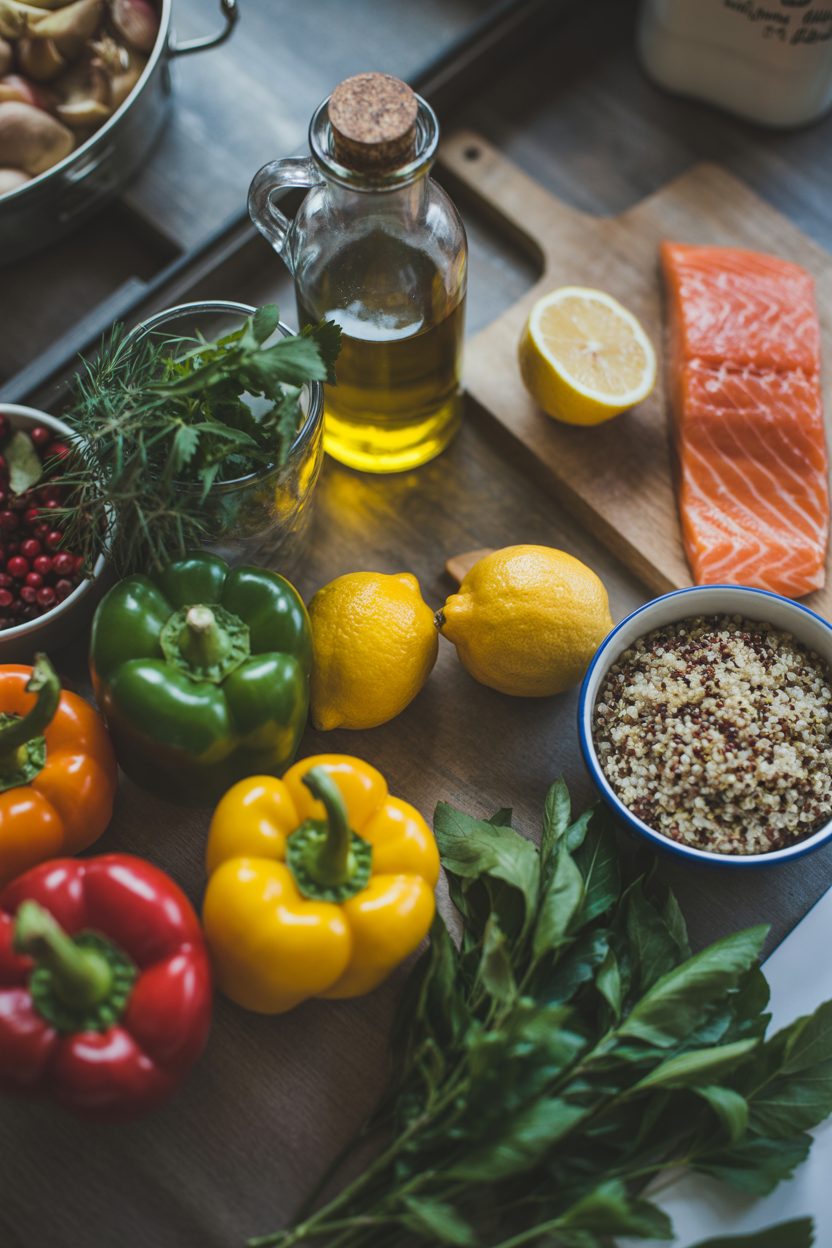
The best part? You don’t need to drown in green juices or expensive powders. You’ll use real, delicious food — think olive oil, salmon, veggies, nuts, and cozy soups — to gently reset your system and give your thyroid some love.
And yes, I’ve made this plan completely gluten-free, because research (and lived experience) shows it can really help reduce inflammation for people dealing with thyroid issues like Hashimoto’s.
Oh, and for the planners among us — there’s a printable PDF meal plan waiting for you at the end of this guide. Because let’s be real, no one wants to scroll through recipes while sautéing onions.

What Makes This Plan “Thyroid-Friendly”?
A “thyroid-friendly” diet isn’t a buzzword — it’s a way of eating that supports your thyroid gland’s ability to produce hormones efficiently and helps reduce autoimmune flare-ups.
The Mediterranean framework already hits many of the right notes, but this plan goes a step further by eliminating gluten, minimizing goitrogens, and boosting selenium, zinc, and healthy fats — all of which your thyroid absolutely thrives on.
Here’s what sets it apart:
- Gluten-Free: No wheat, barley, or rye. Instead, you’ll find fiber-packed alternatives like quinoa, buckwheat, and lentils.
- Anti-Inflammatory Focus: Olive oil, fatty fish, and leafy greens help calm your immune system.
- Rich in Selenium: Foods like tuna, eggs, and sunflower seeds help your thyroid convert T4 into the active T3 hormone.
- Steady Energy: Balanced proteins, slow carbs, and healthy fats prevent those mid-afternoon crashes that make you question your life choices.
- Low in Goitrogens: You’ll still get cruciferous veggies like broccoli and kale — but they’re lightly cooked to neutralize their thyroid-interfering compounds.
You’re not “dieting” here — you’re restoring balance with foods your thyroid actually likes.

Why the Mediterranean Diet Works Wonders for Thyroid Health
The Mediterranean diet’s charm is that it doesn’t feel like a diet at all. It’s just real food done right — olive oil drizzles, colorful salads, grilled seafood, and meals that feel as satisfying as they are nourishing.
But what makes it a superstar for thyroid health? Two big reasons: anti-inflammatory power and nutrient density.
Chronic inflammation often messes with thyroid hormones. By leaning on Mediterranean staples like olive oil, fish, nuts, and greens, you’re giving your body the tools to cool that inflammation naturally.
Plus, these foods deliver nutrients your thyroid actually needs:
- Iodine from seafood supports hormone production.
- Zinc (found in lentils, nuts, and eggs) helps the conversion from T4 to T3.
- Selenium aids hormone regulation.
- Iron keeps your metabolism humming along.
One of the lesser-known perks? It’s incredibly gut-friendly. Since around 70% of your immune system lives in your gut, a healthy microbiome can dramatically reduce thyroid-triggering inflammation. Think probiotic-rich yogurt, fermented veggies, and high-fiber plant foods — all classic Mediterranean favorites.
If you’ve ever felt like your metabolism is on a permanent vacation, this approach might just wake it up.

Key Foods to Focus On
Here’s your go-to grocery list of thyroid-loving Mediterranean staples — no guesswork required.
1. Healthy Fats:
- Olive oil (extra virgin, always)
- Avocados
- Nuts and seeds (almonds, walnuts, sunflower seeds)
- Fatty fish (salmon, sardines, mackerel)
2. Lean Proteins:
- Eggs (excellent source of iodine and selenium)
- Chicken, turkey, and lean beef
- Fish and shellfish
- Lentils and chickpeas (for plant-based days)
3. Smart Carbs (Gluten-Free):
- Quinoa, brown rice, buckwheat, and oats (certified GF)
- Sweet potatoes and root veggies
- Fresh fruits — especially berries, apples, and citrus
4. Veggies (Cooked & Raw Mix):
- Zucchini, spinach, bell peppers, carrots, and tomatoes
- Cooked kale, broccoli, and cauliflower (lightly steamed to reduce goitrogens)
- Fresh herbs like parsley, basil, and dill
5. Gut-Friendly Additions:
- Greek yogurt (if tolerated)
- Sauerkraut or kimchi (small portions)
- Garlic and onions (natural prebiotics)
Want an easy way to start the day right? Try a Greek Yogurt Bowl with Berries and Honey — it’s creamy, satisfying, and full of thyroid-friendly protein. ➡️ Get the Full Recipe

Foods to Avoid (or at Least Tame)
You don’t need to exile every “bad” food from your life forever — just get strategic. Some foods can interfere with thyroid function or ramp up inflammation, so keeping them minimal helps your body rebalance faster.
Here’s the hit list:
- Gluten: Even small amounts can trigger autoimmune flare-ups in sensitive people.
- Excess Dairy: If you’re lactose intolerant, it can increase bloating and fatigue. Try small portions or go lactose-free.
- Soy: Can interfere with thyroid hormone absorption. If you love tofu, make sure it’s fermented (like tempeh) and eaten occasionally.
- Processed Foods: Refined sugars, seed oils, and packaged snacks are inflammation bombs.
- Raw Cruciferous Veggies: Steam or sauté them instead. Raw kale smoothies? Let’s skip those for now.
And yes, caffeine and alcohol aren’t exactly thyroid’s best friends — moderation is your golden ticket here.

How to Follow the 14-Day Thyroid-Friendly Mediterranean Plan
Now that you know what foods to focus on (and which ones to avoid), it’s time to put it all together into a plan that supports your thyroid and makes eating enjoyable again. The goal here isn’t perfection — it’s consistency. Over two weeks, you’ll train your body to thrive on clean proteins, healthy fats, and nutrient-rich produce.
This Mediterranean meal plan emphasizes balance. You’ll start each morning with protein and healthy fat to stabilize hormones, enjoy colorful veggies and lean proteins throughout the day, and finish dinner early enough to give your metabolism a rest before bedtime.
💡 Pro tip: Drink at least 8–10 glasses of water daily, and add a pinch of sea salt if you’re prone to fatigue — it helps support adrenal and thyroid balance naturally.
How Each Day Works
- Breakfast → Light but nourishing (protein + healthy fats + antioxidants).
- Lunch → Filling salad, grain bowl, or lean protein with veggies and olive oil.
- Dinner → Warm, cooked meals that are easy to digest — think soups, grilled fish, or roasted vegetables.
- Snacks → Optional, but thyroid-friendly options like nuts, fruit, or yogurt are encouraged.

7-Day Sample Plan (Week 1)
Here’s a sample layout for your first week on the Thyroid-Friendly Mediterranean Diet. You can repeat the same pattern with small variations for the second week — that’s where the downloadable 14-Day PDF meal plan will help you stay on track.
Day 1
Breakfast: Greek yogurt with chia seeds, walnuts, and a drizzle of honey.
Lunch: Grilled chicken salad with olive oil, cucumber, and cherry tomatoes.
Dinner: Baked salmon with steamed spinach and quinoa.
Snack: A handful of almonds.
Day 2
Breakfast: Smoothie made with spinach, avocado, banana, and almond milk.
Lunch: Mediterranean lentil soup with herbs and lemon.
Dinner: Grilled shrimp skewers with roasted zucchini and bell peppers.
Snack: Sliced apple with almond butter.
Day 3
Breakfast: Scrambled eggs with olive oil, spinach, and feta.
Lunch: Brown rice bowl with chickpeas, roasted carrots, and tahini dressing.
Dinner: Herb-roasted chicken thighs with sautéed kale and sweet potato mash.
Snack: Handful of mixed nuts.
Day 4
Breakfast: Overnight oats made with gluten-free oats, coconut milk, and blueberries.
Lunch: Tuna and white bean salad with lemon dressing.
Dinner: Grilled cod with Mediterranean tomato relish and steamed broccoli.
Snack: Greek yogurt with a few pumpkin seeds.
Day 5
Breakfast: Omelet with mushrooms, herbs, and olive oil.
Lunch: Quinoa salad with cucumbers, parsley, and olive oil-lemon dressing.
Dinner: Mediterranean turkey meatballs with roasted eggplant.
Snack: A small handful of walnuts.
Day 6
Breakfast: Chia pudding with almond milk, cinnamon, and fresh berries.
Lunch: Roasted vegetable and chickpea bowl with tahini sauce.
Dinner: Pan-seared trout with sautéed spinach and brown rice.
Snack: Sliced pear with goat cheese.
Day 7
Breakfast: Greek yogurt parfait with gluten-free granola and sliced strawberries.
Lunch: Lentil salad with roasted peppers and a drizzle of olive oil.
Dinner: Lemon chicken with roasted sweet potatoes and green beans.
Snack: A few dates with almonds.
Week 1 Summary
By the end of the first week, most people report:
- More consistent energy (no afternoon crashes)
- Better digestion and less bloating
- A calmer, more balanced mood
- Reduced cravings for processed sugar or bread
You’re essentially giving your thyroid what it needs — steady nourishment, not stress.
Transition Tips for Week 2
As you enter week two of your thyroid-friendly Mediterranean plan, your body will already be adjusting to this clean, anti-inflammatory way of eating. But here’s how to make the transition even smoother:
- Repeat, but Rotate:
Keep the same breakfast/lunch/dinner structure, but swap out key proteins or vegetables for variety. For instance, trade chicken for turkey or salmon for sardines. - Prep Smart:
Cook grains and proteins in batches. Store in glass containers so you can quickly build meals without much effort. - Keep Cooked Foods Warm (Not Raw):
For thyroid health, lightly cooked veggies digest better than raw ones. Avoid large raw salads at dinner. - Add Selenium and Zinc Sources:
Try including 1–2 Brazil nuts daily for selenium and pumpkin seeds or oysters once a week for zinc — both essential for thyroid hormone conversion. - Watch Your Energy:
If you’re still feeling sluggish by midweek, slightly increase your healthy fat intake (extra olive oil, avocado, or nuts). - Prioritize Rest:
Remember — healing your thyroid is as much about rest as it is about food. Aim for 7–9 hours of sleep and avoid caffeine late in the day.
Thyroid-Friendly Snack & Breakfast Ideas
You don’t have to overcomplicate your meals to support thyroid health. The goal is simple: feed your metabolism steady, clean fuel — nothing too heavy, nothing that spikes your blood sugar.
Here are a few snack and breakfast ideas that are quick, satisfying, and perfectly in line with the thyroid-friendly Mediterranean approach.
Smart Breakfasts
- Avocado Toast (Gluten-Free):
Smashed avocado on gluten-free toast with olive oil, salt, and a sprinkle of sesame seeds. Add a boiled egg for extra protein. - Vegetable Frittata:
A simple olive oil–based frittata made with spinach, onions, and mushrooms. Add a little feta for flavor. - Greek Yogurt Bowl:
Top plain Greek yogurt with berries, chia seeds, and a drizzle of raw honey — a perfect balance of protein and antioxidants. - Warm Quinoa Porridge:
Cook quinoa in almond milk with cinnamon and a touch of maple syrup. Serve warm with crushed walnuts.
Smart Snacks
- Roasted Chickpeas with Olive Oil & Paprika
Crunchy, flavorful, and a great fiber boost.
➡️ Get Full Recipe: - Cucumber Slices with Hummus
A quick, refreshing snack rich in minerals and good fats.
➡️ Get Full Recipe: - Mixed Nuts & Brazil Nuts
Include 1–2 Brazil nuts daily to support thyroid hormone conversion (rich in selenium).
➡️ Get Full Recipe: - Apple with Almond Butter
Balances protein, fat, and fiber — ideal for mid-afternoon hunger.
➡️ Get Full Recipe:
Smart Cooking & Storage Tips for Thyroid Support
A successful 14-day thyroid-friendly plan isn’t just about what you eat — it’s about how you prep, store, and enjoy your food.
Here are a few key strategies to make your meals more efficient and thyroid-supportive:
1. Cook Once, Eat Twice
Batch cook proteins like chicken, lentils, or fish. Store half in glass containers for quick lunches. This reduces cooking stress — something your thyroid appreciates!
2. Use Olive Oil Wisely
Olive oil is central to the Mediterranean diet, but it’s sensitive to heat. Use extra virgin olive oil for drizzling or light sautéing, and avocado oil for higher heat cooking.
3. Keep Iodine in Check
While iodine is essential for thyroid health, too much can do harm. Get it naturally from seafood (like salmon or sardines) rather than iodized salt supplements unless prescribed.
4. Focus on Gut Health
A happy gut means better hormone balance. Include fermented foods like yogurt or kefir a few times a week.
5. Avoid Plastics
Store your food in glass or stainless-steel containers — BPA in plastics can interfere with hormone balance.
6. Don’t Skip Hydration
Add lemon slices or cucumber to your water for gentle detoxification. Staying hydrated helps maintain thyroid metabolism.
FAQs About the Thyroid-Friendly Mediterranean Diet
1. Can I follow this plan if I have hypothyroidism?
Absolutely. This plan is designed to be hypothyroid-friendly, supporting your metabolism with clean proteins, complex carbs, and healthy fats — all while avoiding inflammatory and goitrogenic foods.
2. Is this plan safe if I’m taking thyroid medication?
Yes — just make sure you take your medication on an empty stomach, 30–60 minutes before breakfast. Avoid consuming high-fiber or calcium-rich foods immediately afterward, as they can interfere with absorption.
3. Can I drink coffee or tea?
Yes, but moderation is key. Stick to one cup of coffee or green tea in the morning, ideally an hour after taking your thyroid medication. Herbal teas like chamomile or peppermint are great alternatives.
4. How quickly will I notice results?
Most people notice improved energy, digestion, and mood within 1–2 weeks. Weight balance, skin clarity, and hormone stability often follow with consistency over 4–6 weeks.
5. Is this plan suitable for Hashimoto’s?
Yes — it’s naturally anti-inflammatory and gluten-free, which makes it gentle on the immune system. Just monitor how you feel with dairy or eggs, as sensitivities vary from person to person.
6. What if I’m vegetarian?
You can easily adapt it! Replace fish and poultry with lentils, beans, tofu (in moderation), and nuts. The core Mediterranean principles remain the same.
Final Thoughts — Heal Your Thyroid the Mediterranean Way
If you’ve ever felt frustrated trying to manage thyroid symptoms with strict, joyless diets, this plan is your reset button. The Mediterranean approach isn’t about deprivation — it’s about balance, color, and consistency.
Over these 14 days, you’ll nourish your body with omega-rich fish, whole grains, vegetables, nuts, and olive oil — all proven to support thyroid health and reduce inflammation.
It’s not just about what’s on your plate; it’s about slowing down, enjoying your food, and rebuilding trust in your body.
To make things even easier, I’ve created a ready-to-print version of the full plan — complete with a grocery list, prep tips, and quick meal swaps for busy days.
📄 ➡️ Download Your 14-Day Thyroid-Friendly Mediterranean PDF Plan Here
Your thyroid will thank you — and so will your energy, focus, and mood.