Printable Low Calorie Food Guide – Eat, Limit, Avoid Chart
Your Shortcut to Smarter Eating
Ever found yourself staring at a grocery shelf, wondering if that snack is “good” or “guilty pleasure”? Yeah… we’ve all been there. Trying to stick to low-calorie meals can feel like navigating a minefield of hidden sugars and sneaky fats. But what if you had a simple printable food guide that told you exactly what to eat, what to limit, and what to avoid—without the headache?
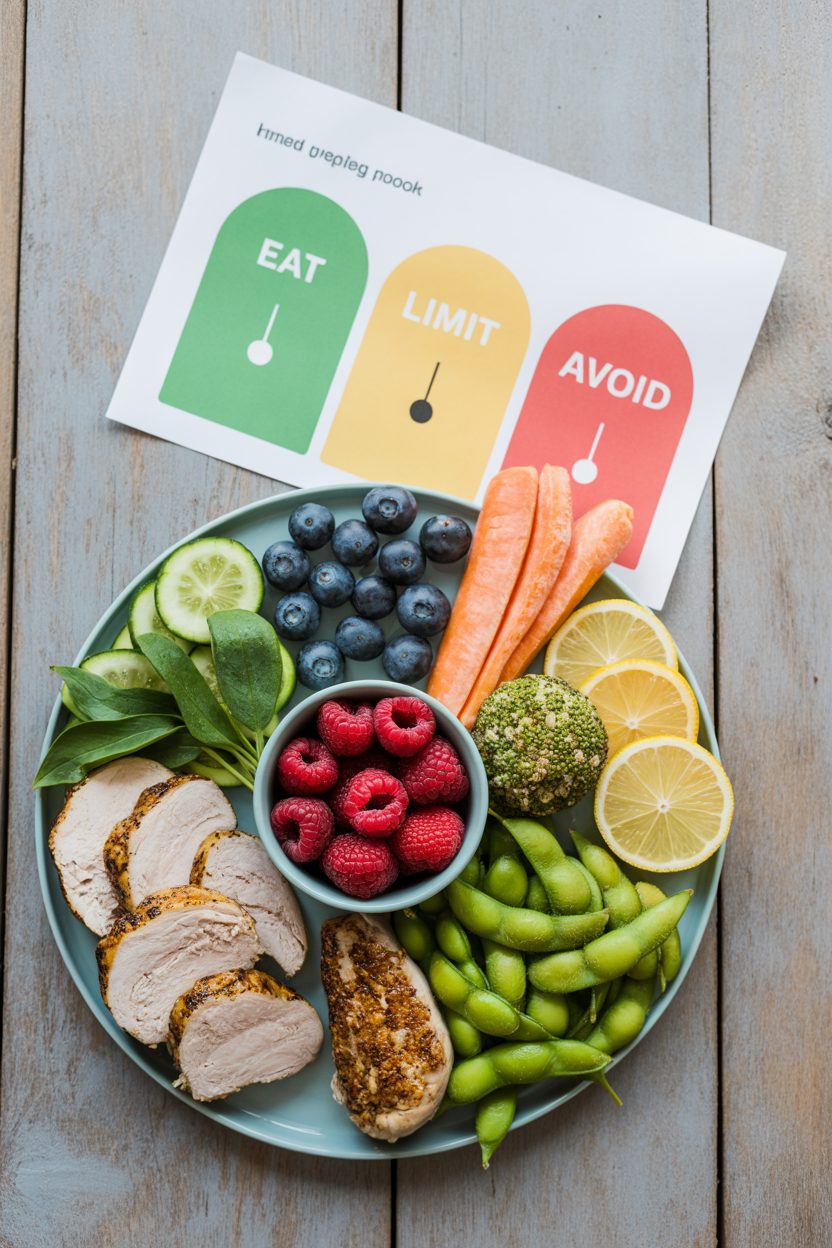
In this guide, I’m sharing a super easy-to-follow Eat, Limit, Avoid chart that helps you make smarter choices instantly. Plus, I’ll link some of my favorite recipes and meal ideas that fit perfectly into this low-calorie lifestyle, so you can eat well without feeling deprived.

✅ Eat: Low-Calorie Staples You’ll Love
Let’s start with the good stuff—the foods you can eat freely without guilt. Think of these as your low-calorie superheroes. They’re nutrient-packed, filling, and surprisingly satisfying.
Vegetables:
- Leafy greens: spinach, kale, romaine, arugula (Greek Salad But Like, Actually Good)
- Cruciferous: broccoli, cauliflower, Brussels sprouts, cabbage (Broccoli Cashew Stir-Fry)
- Others: zucchini, cucumber, bell peppers, asparagus, celery
Fruits (in moderation for sweetness and fiber):
- Berries (strawberries, blueberries, raspberries) (Oatmeal With Fresh Berries & Flaxseed)
- Citrus: oranges, grapefruit, lemons
- Apples, pears
Lean Proteins:
- Chicken, turkey, fish (Grilled Lemon Herb Chicken With Quinoa)
- Tofu, tempeh (Stir-Fried Tofu With Broccoli & Brown Rice)
- Eggs (Shakshuka – Eggs in Spicy Tomato Sauce)
Whole Grains:
- Quinoa, brown rice, barley (Moroccan Spiced Quinoa Bowl)
- Whole-grain oats and breads (Avocado Toast With Tomato & Olive Oil)
Extras & Flavor Boosters:
- Herbs & spices (garlic, thyme, basil)
- Low-calorie condiments (mustard, vinegar, salsa)
Pro Tip: Keep a few prepped veggies and cooked grains in the fridge. When hunger strikes, you can whip up a meal faster than a drive-thru line.
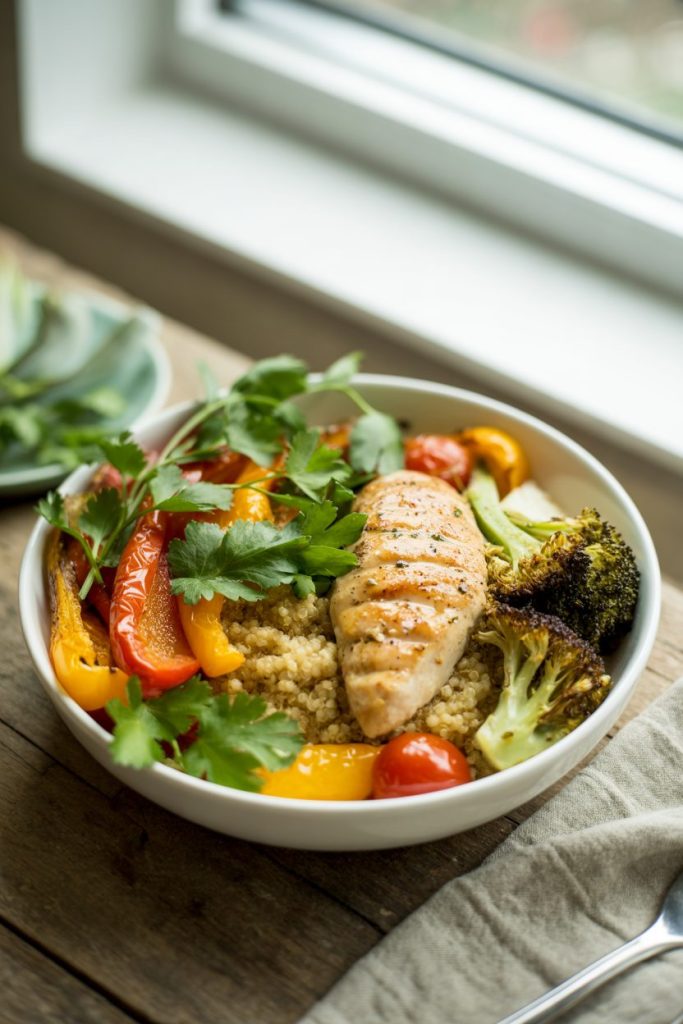
⚠️ Limit: Treat These Sparingly
These foods aren’t “off-limits,” but they can sneak extra calories in faster than you realize. Keep portions small and occasional.
- Starchy vegetables: potatoes, sweet potatoes, corn (Sweet Potato Hash With Black Beans & Avocado)
- Fruits high in sugar: bananas, mango, grapes (Quinoa Breakfast Bowl With Apples & Walnuts)
- Healthy fats in moderation: olive oil, avocado, nuts (Mediterranean Grain Bowl)
- Cheese & full-fat dairy (Whipped Feta Dip With Honey & Thyme)
- Whole-grain pasta & bread (Whole Wheat Spaghetti With Cherry Tomatoes & Basil)
Pro Tip: Measure oils and nuts when cooking. It’s easy to underestimate portions, which can turn a “light meal” into a calorie bomb.
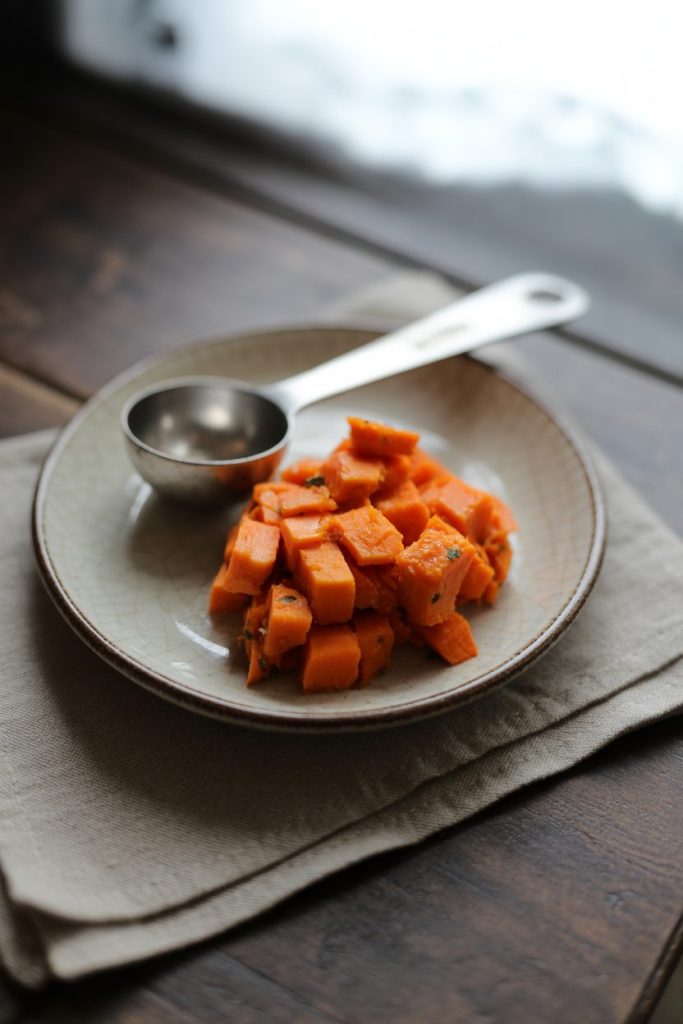
🚫 Avoid: Hidden Calorie Traps
These foods are the real culprits for sneaky calorie overload. Best to skip or save for rare indulgences.
- Sugary drinks: soda, energy drinks, sweetened coffee/tea (Berry Green Smoothie)
- Packaged snacks: chips, candy bars
- Baked goods: pastries, cakes, muffins (12 Fluffy Low-Calorie Pancakes That Feel Like a Treat)
- Deep-fried foods: fried chicken, fries, tempura
- Processed meats: hot dogs, bacon, sausage (Lemon Garlic Grilled Chicken With Couscous)
Pro Tip: Swap soda for sparkling water with lemon or a splash of 100% juice. Craving sweets? Fresh fruit or a low-calorie smoothie does the trick.
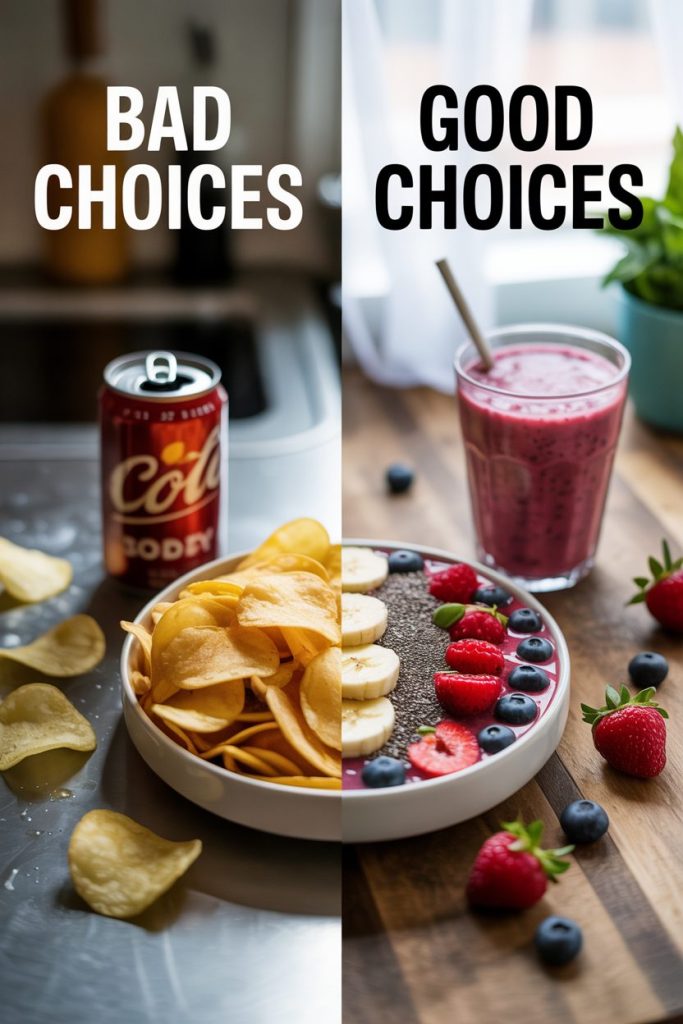
📄 How to Use Your Printable Low Calorie Food Chart
Alright, now that you know what to eat, limit, and avoid, let’s talk about making it actionable. A printable chart turns this guide from “nice idea” to “kitchen lifesaver.”
Step 1: Print & Hang
- Print your chart in full color for easy reference.
- Stick it on your fridge, pantry door, or even inside your meal prep binder. Constant visibility = healthier choices without thinking twice.
Step 2: Plan Your Meals Around It
- Base your daily meals on the Eat column. For example:
Step 3: Reference the Limit Column
- Treat these as “moderation reminders.”
- Example: sprinkle nuts on a salad or add avocado to toast—but measure portions. (Avocado Toast Mediterranean Style)
Step 4: Avoid Column = Your Safety Net
- Keep this in mind when shopping.
- If it’s on this list, it’s a “sometimes” food or occasional treat. Avoid buying large quantities.
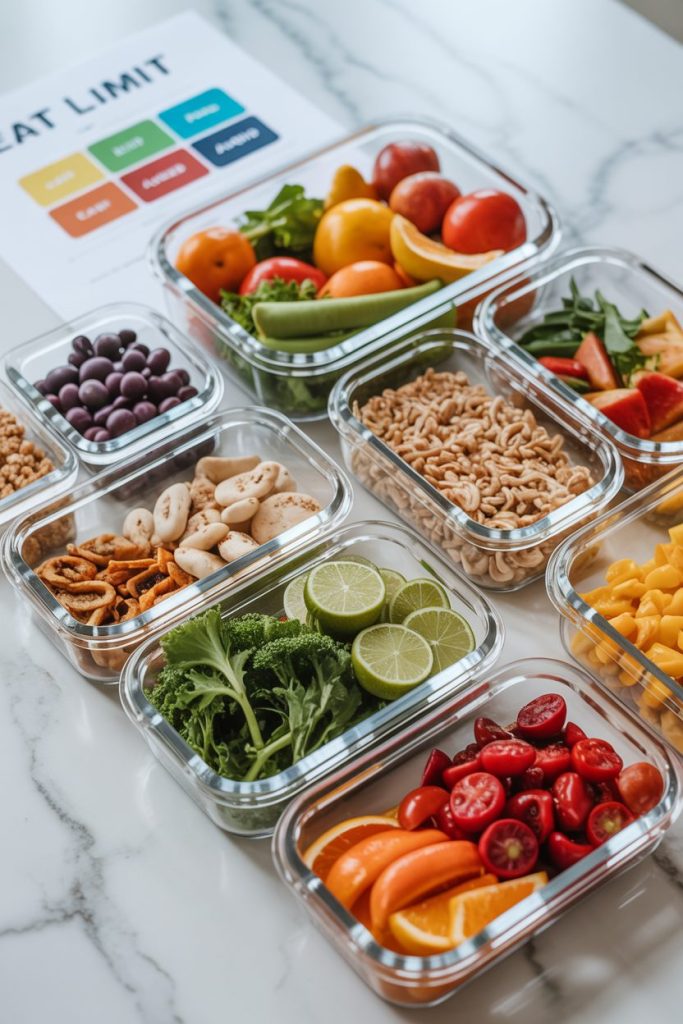
Pro Tip: Meal prep for a few days at a time. Use containers with compartments to portion out your proteins, grains, and veggies. This reduces the temptation to snack on high-calorie foods.
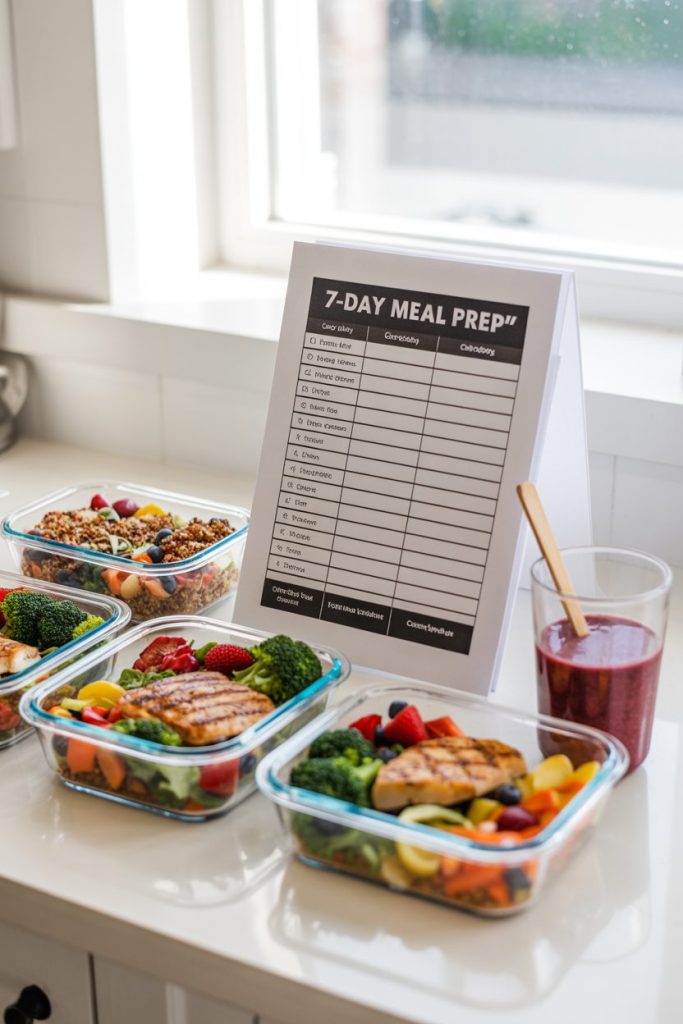
Portion Control: The Secret Weapon
Even low-calorie foods can add up if portions run wild. Here’s a simple method to eyeball servings without a scale:
- Proteins: palm-sized portion
- Vegetables: 2 fists
- Carbs/Grains: cupped hand
- Fats: thumb-sized portion
Combine this with your printable chart and you’re golden. Portion control + smart food choices = calorie control without stress.
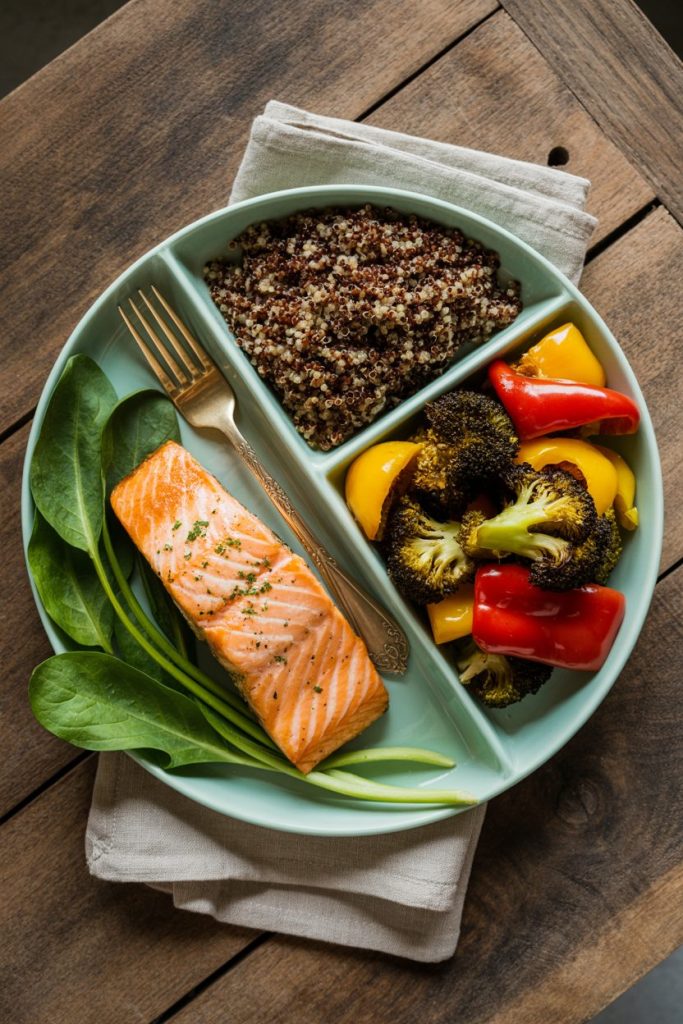
Recipe Inspiration:
Meal Planning Made Easy
Want to make life even simpler? Here’s a low-calorie weekly plan template using the Eat/Limit/Avoid chart:
Breakfast:
- Greek yogurt parfait with oats & berries (Greek Yogurt Parfait)
- Avocado toast variations (Avocado Toast With Cherry Tomatoes & Hemp Seeds)
Lunch:
- Tuna-white bean salad (Tuna & White Bean Salad)
- Mediterranean grain bowl (Mediterranean Grain Bowl)
Dinner:
- Lemon-herb grilled chicken with roasted veggies (Lemon Oregano Grilled Chicken)
- Grilled salmon with herbed quinoa (Baked Salmon with Herbed Quinoa)
Snacks:
- Fresh fruit
- Veggies with hummus (Cucumber Hummus Sandwich)
- Protein-packed options (High-Protein Low-Calorie Meals)
Pro Tip: Prep ingredients ahead. Chop veggies, cook grains, and store proteins so assembling meals is quick and painless.
Not only does linking make your blog more helpful, but it also improves SEO. Here’s a smart mix:
- Internal: Link all recipes mentioned above and add related guides like 30 Low-Calorie High-Volume Meals or 15 Low-Calorie Dinners That Feel Like Comfort Food
- External authority: Consider referencing nutrition facts or portion tips from Harvard T.H. Chan School of Public Health or Mayo Clinic
Conclusion: Your Low-Calorie Game Plan
With this Printable Low Calorie Food Guide – Eat, Limit, Avoid Chart, staying on track is no longer a guessing game. You’ve got:
- A clear blueprint for what to eat, limit, and avoid
- Portion control tips to prevent accidental overeating
- Recipes and meal plans that actually taste good
- A printable chart that fits right in your kitchen
So, print it, hang it, and start eating smarter today. Your future self (and your taste buds) will thank you!