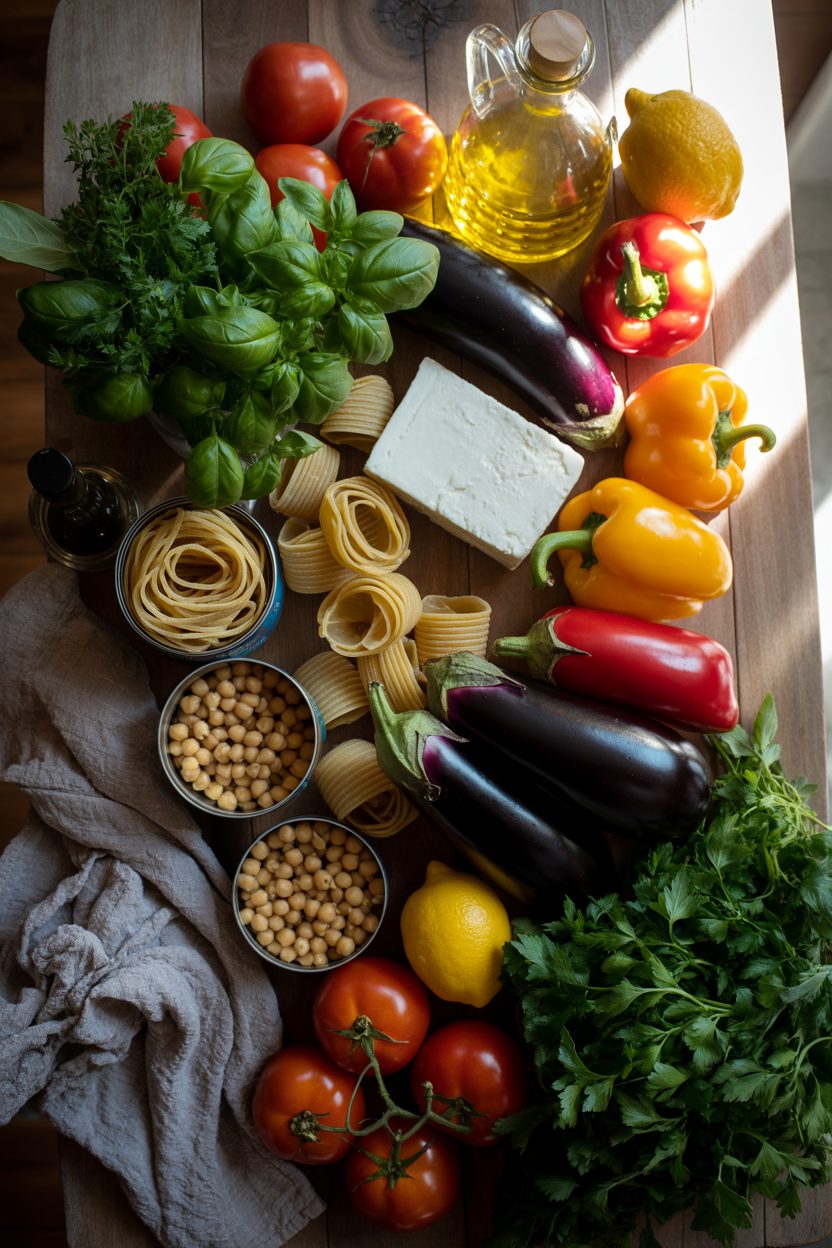
Mediterranean Grocery List for a 30-Day Meal Plan
You know what’s hilarious? People think eating Mediterranean means you need to speak Greek and own a villa in Santorini. Spoiler alert: you just need a solid grocery list and maybe some curiosity about foods that don’t come in a drive-thru bag.
I’ve been eating Mediterranean-style for a few years now, and honestly, the hardest part isn’t the cooking or even giving up ranch dressing on everything. It’s walking into the grocery store without a plan and ending up with random jars of artichokes you’ll never open. So let me save you the trouble and walk you through exactly what you need for a full month of Mediterranean meals—no fancy ingredients, no mystery items, just real food that actually tastes good.

Why a 30-Day Mediterranean Meal Plan Actually Makes Sense
Look, I’m not here to preach about longevity studies or heart health statistics—though yeah, those exist and they’re pretty convincing. The real reason this eating style works for a full month is simple: you won’t get bored.
Mediterranean cooking gives you enough variety that you’re not eating the same grilled chicken and broccoli situation every night. One day you’re making shakshuka for breakfast, the next you’re tossing together a lemon-herb chicken with roasted potatoes. Plus, the ingredients overlap so much that you’re not buying 47 different spices that expire before you use them twice.
The fiber content alone keeps you full longer, which means fewer trips to the vending machine at 3 PM. And if you’re someone who gets hangry easily—guilty—having meals that actually satisfy you is kind of life-changing.
Your Mediterranean Pantry Staples (The Non-Negotiables)
These are the ingredients you’ll reach for constantly. Stock up on these first, and you’re already halfway to meal success.
Oils, Vinegars, and Flavor Bases
Extra virgin olive oil is your best friend here. I go through a bottle every two weeks, no joke. Use it for cooking, drizzling, and basically everything except maybe your coffee. Get a decent mid-range bottle—you don’t need the fancy stuff for cooking, but save the good stuff for finishing dishes.
Balsamic vinegar and red wine vinegar are your acidity MVPs. They brighten up salads, roasted veggies, and even quick marinades when you’re feeling lazy.
Tahini might seem random, but you’ll use it more than you think. It goes in hummus obviously, but also makes killer salad dressings and works as a sauce base for grain bowls.
Grains and Legumes
Whole wheat pasta is a pantry hero. I keep at least three boxes on hand because it’s versatile and doesn’t require you to think too hard. Pair it with basically any vegetable and olive oil situation, and you’ve got dinner.
Quinoa, farro, and couscous give you grain variety without getting weird. Quinoa cooks faster than you’d think, farro has this chewy texture that’s oddly satisfying, and couscous is ready in like five minutes when you’re desperate.
Canned chickpeas, white beans, and lentils are your protein shortcuts. Rinse them, toss them in literally anything, and suddenly your meal has staying power. I always keep at least six cans in the pantry—they’re that important.
Canned and Jarred Goods
Crushed tomatoes, diced tomatoes, and tomato paste form the base of so many sauces and stews. Get the no-salt-added versions so you can control seasoning yourself.
Olives and capers add that briny, salty punch that makes Mediterranean food taste, well, Mediterranean. Kalamata olives are my go-to, but green olives work too.
Artichoke hearts (the ones in water, not oil) are surprisingly handy for salads and pasta dishes. Don’t sleep on these.
Spices and Dried Herbs
You don’t need a spice cabinet that looks like a Whole Foods exploded. Just grab these essentials:
- Dried oregano (the most Mediterranean herb ever)
- Dried basil (for when fresh isn’t an option)
- Cumin (adds warmth without being spicy)
- Paprika (regular or smoked, both work)
- Red pepper flakes (for when you want a little heat)
- Cinnamon (trust me on this one—it goes in savory dishes too)
- Za’atar if you can find it (a Middle Eastern spice blend that’s basically magic)
I use this compact spice organizer to keep everything visible—no more buying duplicate cumin because you forgot you already had it buried in the back.
Nuts and Seeds
Almonds, walnuts, pine nuts, and sunflower seeds add crunch and healthy fats. Toast them in a dry pan for a few minutes, and they become exponentially better. I keep mine in the freezer so they don’t go rancid, which is a lesson I learned the expensive way.
Your Weekly Fresh Produce Haul
This is where you’ll need to shop more frequently, but don’t stress—Mediterranean cooking uses a lot of the same vegetables repeatedly, so you’re not buying exotic produce that rots before you can use it.
Vegetables You’ll Use Constantly
Tomatoes in every form: cherry tomatoes for snacking and salads, Roma tomatoes for sauces, beefsteak for sandwiches. During summer, buy them fresh. In winter, canned is honestly better and no one will judge you.
Cucumbers are your hydration and crunch heroes. I go through at least three per week between salads, snacks, and these cucumber hummus sandwiches that I’m mildly obsessed with.
Bell peppers—red, yellow, orange, whatever’s on sale. They roast beautifully, work raw in salads, and stuff nicely when you’re feeling ambitious enough to make these stuffed bell peppers.
Zucchini and eggplant are the vegetables that absorb flavor like sponges. Grill them, roast them, spiralize them—they’re down for whatever.
Leafy greens like spinach, arugula, and romaine give you salad bases and can be wilted into basically any warm dish. Baby spinach is my lazy go-to because there’s zero prep work.
Onions and garlic go without saying. I keep red onions for raw applications and yellow onions for cooking. As for garlic, I use this garlic press because mincing is annoying and life is short.
Fresh Herbs That Make Everything Better
Parsley and basil are the dynamic duo. Parsley is underrated—it’s not just a garnish, it’s got actual flavor and brightens up everything from soups to grain bowls.
Fresh mint might sound fancy, but it’s fantastic in salads, yogurt sauces, and even some fruit situations. Plus it grows like a weed if you pot it, so you can have a constant supply.
Dill is essential if you’re making any kind of yogurt sauce or want to elevate your salmon game.
Citrus Is Non-Negotiable
Lemons are the secret ingredient in approximately 80% of Mediterranean cooking. Keep at least four on hand at all times. You’ll use them for dressing, marinades, finishing dishes, and honestly just squeezing over everything to make it taste fresher.
Protein That Won’t Break the Bank
Mediterranean eating isn’t super meat-heavy, which is great for your wallet and your digestive system, but you still need protein.
Fish and Seafood
Salmon is the easiest fish to not screw up. I buy the frozen fillets and they’re completely fine—sometimes better than the “fresh” fish that’s been sitting out for who knows how long. Try this baked salmon with herbed quinoa when you want something that looks fancy but takes minimal effort.
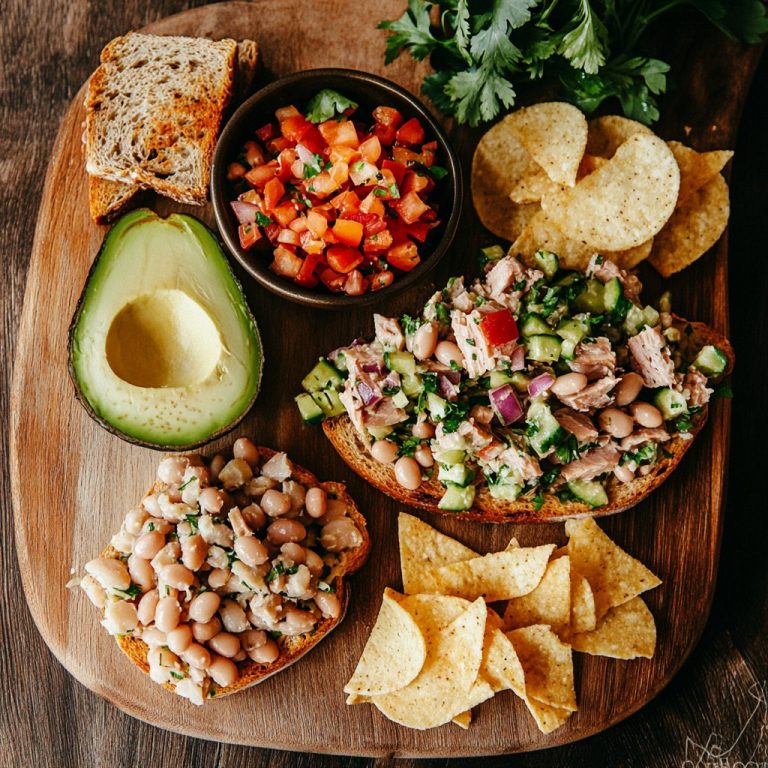
Canned tuna is your budget-friendly protein that doesn’t require cooking. Mix it with white beans, lemon, and olive oil, and you’ve got this tuna white bean salad that’s actually filling.
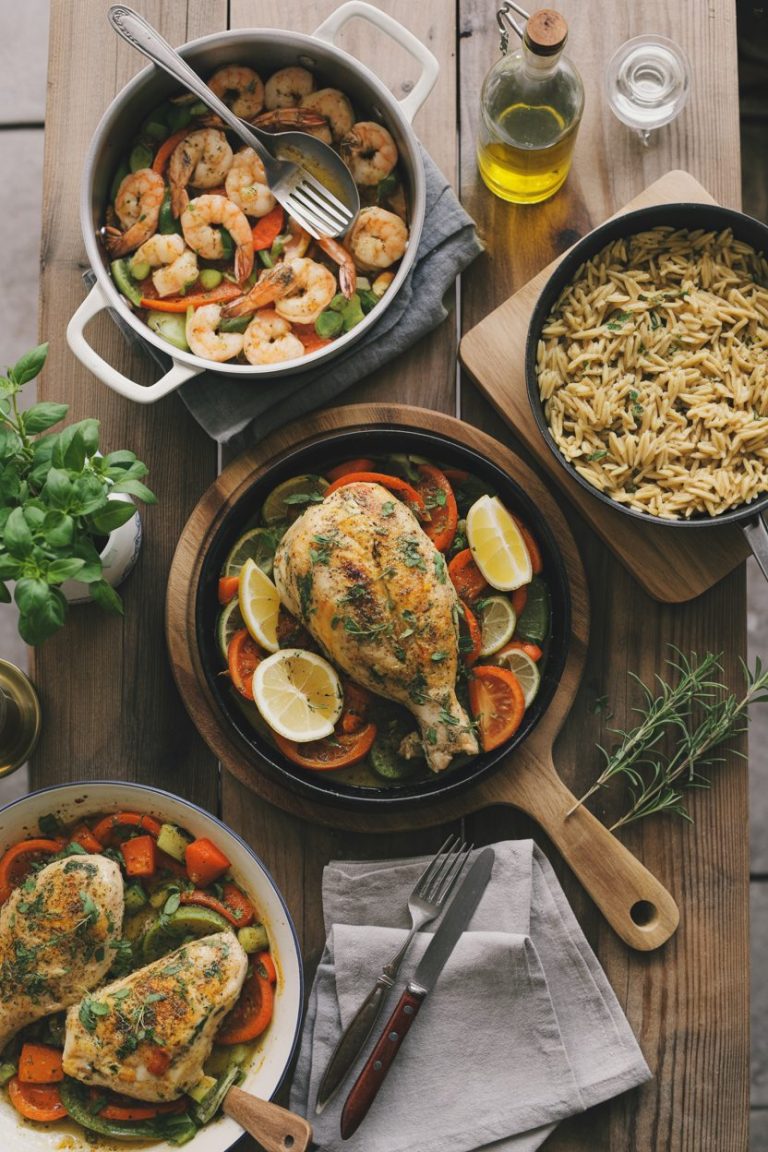
Shrimp cooks in literally minutes and feels luxurious even though it’s not expensive. Get the frozen peeled and deveined kind to save yourself the hassle.
Poultry and Occasional Red Meat
Chicken thighs over chicken breasts every time. They’re juicier, more flavorful, and harder to overcook. Plus they’re cheaper, which is the trifecta of meat buying.
Ground turkey works for Mediterranean-spiced meatballs and these easy baked falafel that are way less work than traditional fried versions.
You don’t need red meat often, but when you do, lamb or grass-fed beef in small amounts goes a long way. Use it for kebabs or as a flavor addition rather than the main event.
Eggs and Dairy
Eggs are your breakfast MVP and work in so many Mediterranean dishes. Shakshuka, frittatas, these savory scrambles—you’ll use at least a dozen per week.
Greek yogurt is basically dessert that’s also protein. Get the full-fat version because the fat-free stuff tastes like disappointment. Use it for breakfast bowls, tzatziki, and smoothies like this Mediterranean smoothie bowl.
Feta cheese crumbles over everything and makes salads actually exciting. The block kind lasts longer than the pre-crumbled stuff, and you can adjust the size of your crumbles like a cheese artist.
Building Your 30-Day Grocery Shopping Strategy
Here’s where people usually spiral. They think they need to buy everything at once and then panic when the grocery bill hits $300. Don’t do that.
Week One: Foundation Building
Your first shop is the biggest because you’re stocking the pantry. Focus on getting all those dried goods, canned items, spices, and oils. This is your investment week, but everything you buy will last beyond these 30 days.
For produce, just get what you need for week one recipes. You’re probably doing simpler dishes as you adjust anyway.
Weeks Two Through Four: Maintenance Mode
Once your pantry is set, you’re mainly restocking fresh produce, proteins, and the occasional pantry item you ran through. Your grocery trips get faster and cheaper.
I do a big produce shop on Sundays and a mid-week protein restock on Wednesdays. It keeps everything fresh without requiring daily grocery store visits like you’re a 1950s housewife.
Sample Week of Mediterranean Meals (So You See How This Actually Works)
IMO, seeing actual meals helps more than just a random list of ingredients. Here’s what one week might look like:
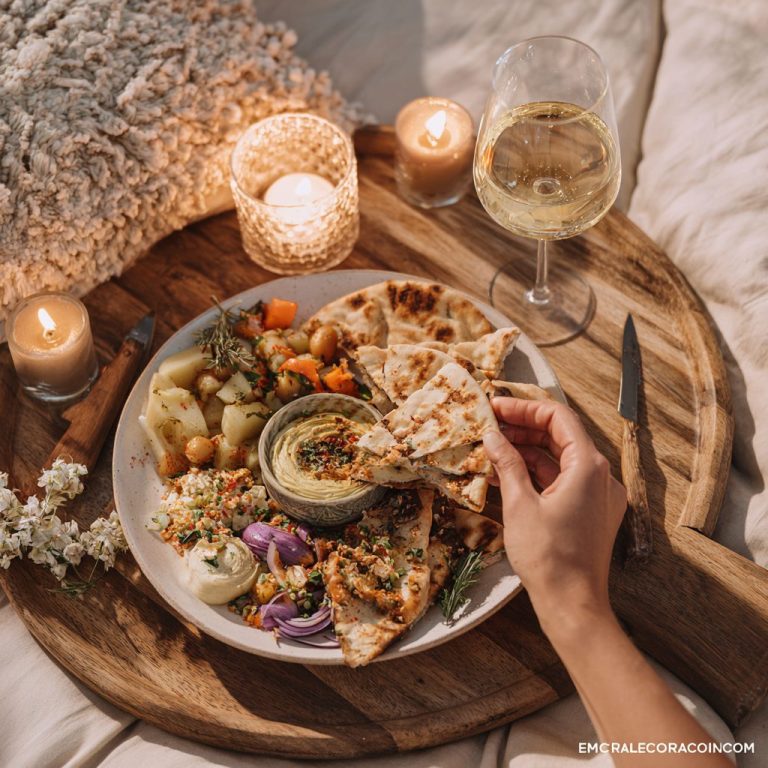
Monday: Greek yogurt bowl with berries and honey for breakfast, grilled veggie platter with hummus for lunch, and lemon-herb chicken with roasted potatoes for dinner.
Tuesday: Oatmeal with dried figs and walnuts to start, a simple tuna white bean salad for lunch, whole wheat spaghetti with cherry tomatoes and basil for dinner.
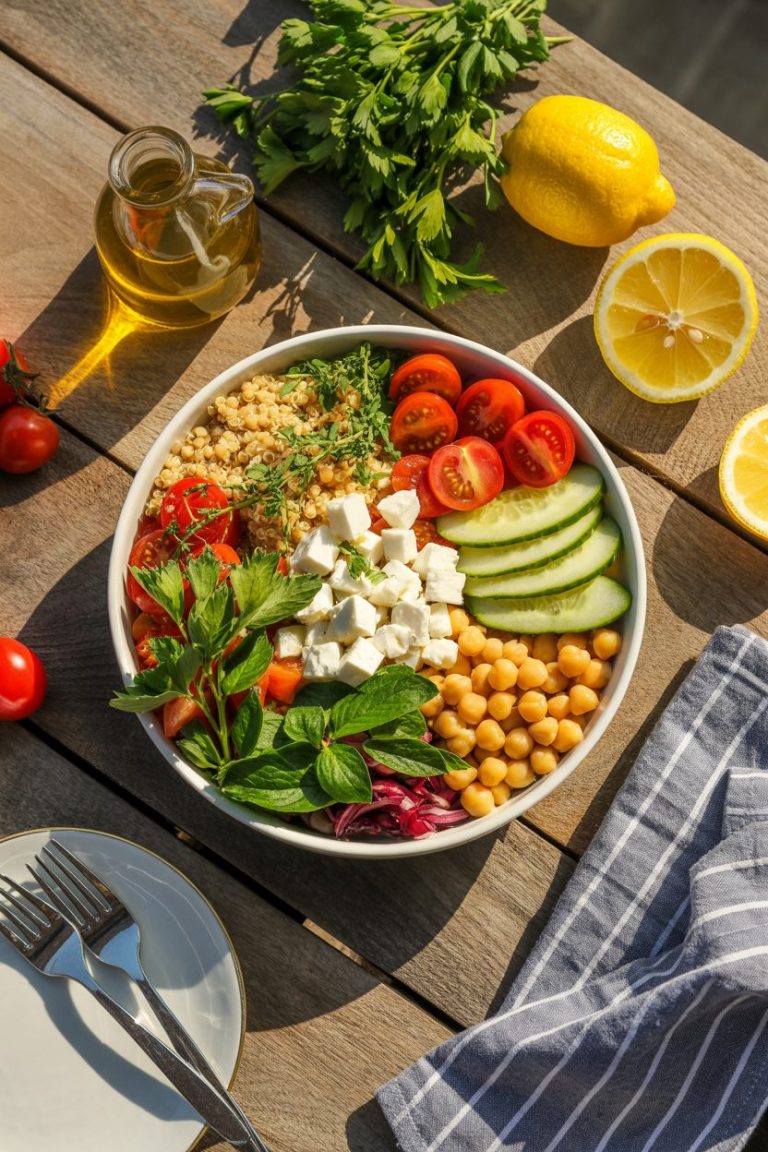
Wednesday: Avocado toast with tomato and olive oil (because some cliches are actually good), a Mediterranean grain bowl for lunch, then grilled salmon with tomato caper relish when you want something that impresses without the stress.
Thursday: Smoothie bowl situation for breakfast, leftover salmon turned into a salad for lunch, and shakshuka for dinner because eggs aren’t just for morning.
Friday: Quick oatmeal again, hummus and veggie wraps for lunch, and these Mediterranean flatbreads that are basically a cheat meal that isn’t actually cheating.
Saturday: Leisurely Greek yogurt parfait, maybe some snacking on olives and cheese, and then one-pot Mediterranean pasta because you don’t want to wash a million dishes.
Sunday: Meal prep day—make some lentil soup, roast a bunch of vegetables, cook a big batch of quinoa, and you’re set for easier weekday lunches.
Money-Saving Hacks for Mediterranean Eating
This eating style doesn’t have to cost a fortune, despite what Instagram might tell you.
Buy in bulk: Nuts, dried legumes, and grains are way cheaper in bulk bins. I use these airtight containers to store everything and prevent the pantry moths that haunted my old apartment.
Frozen is your friend: Frozen spinach, frozen shrimp, frozen fish fillets—they’re all perfectly fine and often more nutritious than “fresh” produce that’s been traveling for weeks.
Learn to love leftovers: Mediterranean food often tastes better the next day after flavors have melded. Make double batches and embrace the lunch situation.
Grow your own herbs: Seriously, even if you kill every plant you touch, basil and parsley are hard to murder. A small pot on your windowsill saves you $3-4 every week.
Shop seasonally: Tomatoes in January cost three times what they do in summer. Plan your meals around what’s actually in season and your grocery bill will thank you.
Common Grocery List Mistakes (That I Definitely Made)
Buying too much fresh fish at once—it goes bad fast and then you’ve wasted money and your kitchen smells weird.
Getting every single spice the recipe blog mentioned—you don’t need sumac, za’atar, AND dukkah unless you’re opening a restaurant.
Skipping the basics thinking you’ll get creative—you still need salt, pepper, and basic dried herbs. Don’t get so focused on the “exotic” stuff that you forget the foundation.
Buying pre-cut vegetables—look, I get the convenience factor, but you’re paying double for someone to chop an onion. Save your money for better olive oil.
Not reading labels on “Mediterranean” products—some of that pre-made hummus has more oil than chickpeas. Make your own or at least check ingredients.
Making Your List Actually Work for 30 Days
The trick to sticking with this for a month is rotation and flexibility. You’re not eating the exact same thing every day, but you’re using the same base ingredients in different combinations.
Monday’s roasted vegetables become Tuesday’s grain bowl toppings. Wednesday’s extra quinoa turns into Friday’s stuffed peppers. Thursday’s lemon-herb marinade works on both chicken and fish.
Keep a running list on your phone of what you’re low on. I use my notes app, but you could use an actual grocery list app if you’re more organized than me.
FYI, meal planning doesn’t mean you can’t be spontaneous. If you’re not feeling the chicken you planned, swap it for fish. Mediterranean cooking is forgiving like that.
The Actual 30-Day Grocery List Breakdown
Alright, here’s the master list. Copy it, screenshot it, tattoo it on your forearm—whatever helps you actually use it.
Pantry Staples (Month-Long Supply):
- Extra virgin olive oil (2 large bottles)
- Balsamic vinegar (1 bottle)
- Red wine vinegar (1 bottle)
- Tahini (1 jar)
- Honey (1 jar)
- Whole wheat pasta (4 boxes)
- Quinoa (2 lb bag)
- Farro (1 lb)
- Couscous (1 box)
- Canned chickpeas (8-10 cans)
- Canned white beans (6 cans)
- Dried lentils (2 lb bag)
- Crushed tomatoes (6 cans)
- Diced tomatoes (4 cans)
- Tomato paste (3 small cans)
- Kalamata olives (2 jars)
- Green olives (1 jar)
- Capers (1 jar)
- Artichoke hearts (3 cans)
- Dried oregano, basil, cumin, paprika, red pepper flakes, cinnamon
- Almonds, walnuts, pine nuts (1 lb each)
- Sunflower seeds (1 bag)
Weekly Fresh Items (Buy Every 5-7 Days):
- Tomatoes (mix of varieties, 2-3 lbs)
- Cucumbers (3-4)
- Bell peppers (4-5)
- Zucchini (2-3)
- Eggplant (1-2)
- Baby spinach (2 containers)
- Mixed salad greens (2 containers)
- Red onions (3)
- Yellow onions (3)
- Garlic (2 bulbs)
- Fresh parsley (2 bunches)
- Fresh basil (2 bunches)
- Fresh mint (1 bunch)
- Fresh dill (1 bunch)
- Lemons (8-10)
Protein (Weekly Rotation):
- Salmon fillets (1-2 lbs)
- Chicken thighs (2-3 lbs)
- Ground turkey (1 lb)
- Shrimp (1 lb)
- Eggs (2 dozen)
- Canned tuna (4 cans)
Dairy (Weekly):
- Greek yogurt (32 oz container)
- Feta cheese (8 oz block)
Wrapping This Up Without Getting Preachy
Look, a 30-day Mediterranean meal plan isn’t about perfection. Some days you’ll nail it with a gorgeous grilled veggie platter situation. Other days you’ll eat hummus straight from the container while standing at the fridge. Both are valid.
The beauty of this grocery list is that it’s flexible enough to handle your actual life while still keeping you on track. You’re not buying weird ingredients you’ll never use again. You’re not spending a fortune. You’re just eating real food that happens to be good for you and actually tastes like something you’d want to eat.
Stock your pantry with the staples, rotate through fresh produce weekly, and don’t overthink the protein situation. Before you know it, you’ll be a month in and wondering why you didn’t start this sooner. Plus, you’ll have developed enough go-to recipes that meal planning becomes less of a chore and more of a “what do I feel like making” situation.
And if you’re looking for more specific meal ideas to use with all these groceries, check out this 30-day Mediterranean diet challenge that walks you through recipes day by day, or these Mediterranean meal prep bowls that make the whole process even easier.
Now go make your list and maybe grab one of these silicone baking mats while you’re at it—they’re weirdly useful for roasting everything without the cleanup drama. Your 30 days start whenever you’re ready.