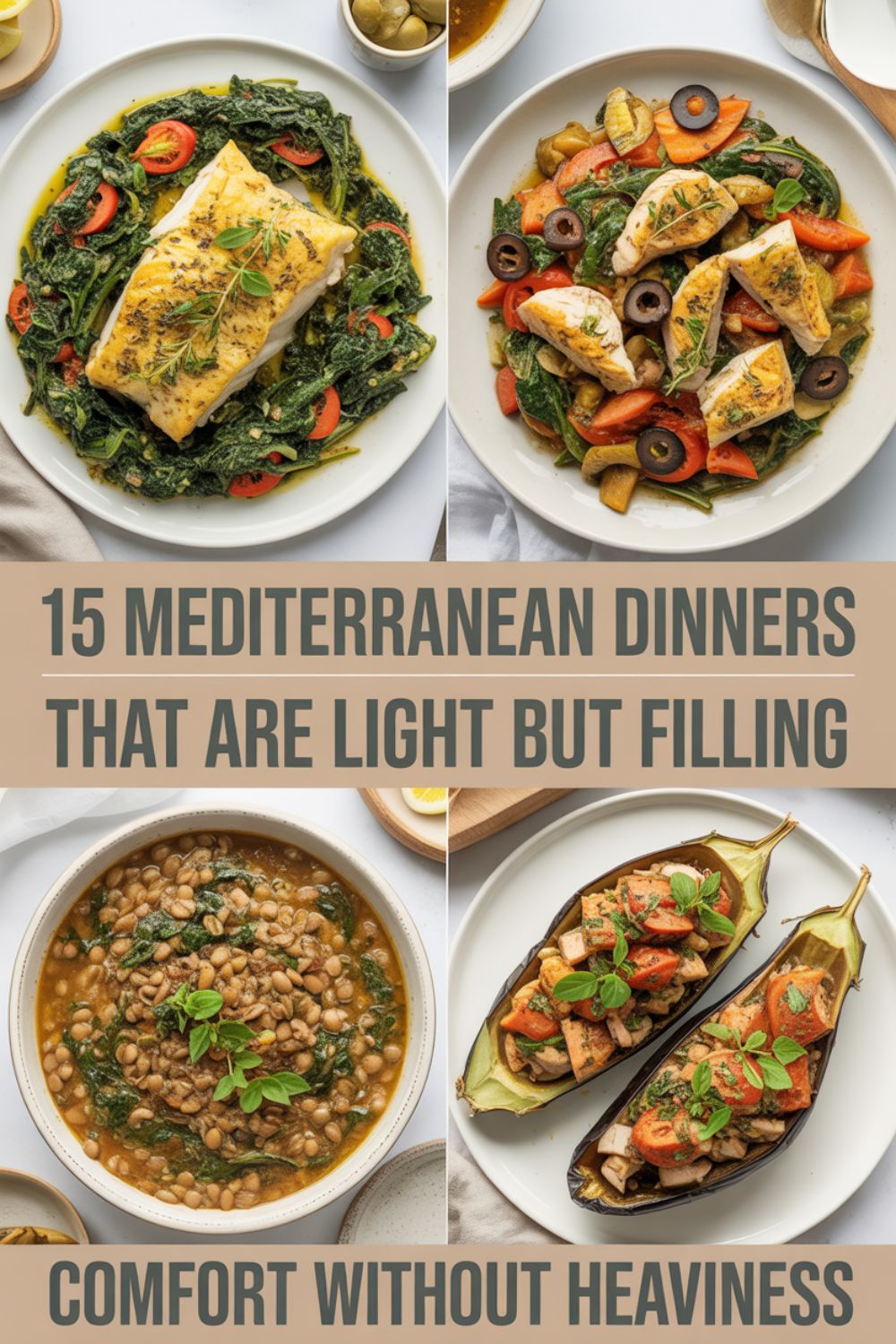
15 Mediterranean Dinners That Are Light but Filling
Look, I get it. You want dinner that doesn’t leave you feeling like you swallowed a brick, but you also don’t want to be raiding the fridge at 9 PM because a handful of lettuce didn’t cut it. That’s the sweet spot we’re aiming for here, and honestly? Mediterranean food is basically designed for this exact situation.
I’ve spent way too many evenings testing these recipes, and what I’ve learned is that the secret isn’t about eating less—it’s about eating smarter. We’re talking dishes that pack in fiber, lean proteins, and healthy fats without the food coma afterward. No weird ingredients, no complicated techniques, just real food that actually tastes good.
These are the basics that make healthy cooking fast and actually enjoyable: less mess, less time, and meals your whole family will happily eat.
- sheet panCheck today’s price →
- large soup potCheck today’s price →
- glass containersCheck today’s price →
- garlic pressCheck today’s price →
Amazon prices and deals change often, so it’s worth checking today’s price.
Why Mediterranean Dinners Just Hit Different
There’s actual science behind why Mediterranean meals keep you satisfied longer. Research from Harvard’s School of Public Health shows that this eating pattern effectively reduces cardiovascular disease risk while supporting healthy weight management. It’s not magic—it’s the combination of fiber-rich vegetables, lean proteins, and those good fats from olive oil and nuts.
The Mediterranean approach doesn’t rely on calorie restriction or feeling deprived. Instead, it focuses on nutrient-dense foods that naturally fill you up. We’re talking legumes, whole grains, fresh vegetables, and fish—ingredients that have kept people healthy in Greece, Italy, and Spain for centuries. The beauty is that these foods work together to keep your blood sugar stable and your stomach happy.
What really sets these dinners apart is the balance. You’re getting protein to keep you full, fiber to slow digestion, and healthy fats that signal satiety. Plus, the flavors are so good that you actually enjoy eating, which matters more than most diet plans want to admit.
1. Grilled Fish with Herb-Roasted Vegetables
This is my go-to when I want something that feels fancy but takes zero effort. You can use any white fish here—I usually grab whatever’s on sale—and the vegetables do their thing in the oven while you handle the fish. Season your fish with lemon, garlic, and oregano, then Get Full Recipe.
The key is not overcooking the fish. Nobody wants rubber, and Mediterranean cooking is all about letting ingredients shine without drowning them in heavy sauces. A drizzle of good olive oil and some fresh herbs at the end, and you’re done.
I use this fish spatula because flipping delicate fish without it falling apart is an actual skill I don’t have. Worth every penny.
2. Chickpea and Vegetable Skillet
Here’s where plant-based protein really shows up. One can of chickpeas plus whatever vegetables are lurking in your fridge equals dinner. I’m talking tomatoes, spinach, bell peppers, onions—throw it all in. The chickpeas soak up whatever spices you’re using, and they’re ridiculously filling for something that weighs basically nothing calorie-wise.
This Mediterranean chickpea skillet has saved me on countless nights when I needed food fast. It’s one pan, maybe 20 minutes, and you feel virtuous while eating it.
The texture thing is important though. You want your chickpeas slightly crispy on the outside, which means letting them sit undisturbed in the pan for a few minutes. Resist the urge to constantly stir. I learned this the hard way after making mushy chickpea soup-skillet hybrid too many times.
3. Lemon Herb Chicken with Roasted Potatoes
Chicken thighs over breasts—fight me on this. They stay juicy, they have more flavor, and they’re harder to overcook. Marinate them in lemon juice, olive oil, garlic, and whatever herbs you’ve got (rosemary and thyme work great), then roast alongside baby potatoes. Get Full Recipe.
The potatoes crisp up in the chicken drippings, which sounds fancy but really means you’re being lazy with cleanup. Everything goes on one sheet pan and you walk away for 35 minutes. That’s my kind of cooking.
One thing I’ll say—don’t skimp on the lemon. Fresh lemon juice makes a difference here, and while I’m usually fine with shortcuts, the bottled stuff just tastes weird on chicken.
Looking for more ways to keep chicken interesting? These high-protein chicken recipes never get boring, or try this lemon oregano grilled chicken when you’re firing up the grill.
4. White Bean and Vegetable Soup
Soup for dinner gets a bad rap, but this one’s different. It’s thick, it’s hearty, and the white beans give it enough substance that you’re not hungry an hour later. Plus, it’s basically a vehicle for crushing bread, which is half the point of Mediterranean eating anyway.
I start with onions, carrots, and celery (the holy trinity of soup base), add canned white beans because I’m not soaking dried beans overnight, then finish with spinach or kale. Season aggressively—this needs salt, pepper, and a generous hit of garlic. If you want the complete recipe with all the details, check out this tuna white bean salad for another take on these ingredients.
The best part about soup is that it gets better as it sits, so make a big batch and eat it all week. I use this large soup pot and it’s perfect for doubling recipes without overflow drama.
5. Baked Salmon with Quinoa
Salmon is one of those proteins that sounds impressive but is actually hard to mess up. Bake it with herbs and a little olive oil, serve it over quinoa, and suddenly you’re eating like an adult who has their life together.
Quinoa works here because it’s fluffy, slightly nutty, and soaks up whatever flavors you throw at it. I usually mix in some lemon zest and fresh parsley after cooking because plain quinoa is, let’s be honest, pretty boring. Get Full Recipe.
The omega-3s in salmon are legitimately good for you—like, Mayo Clinic specifically recommends fatty fish as part of a heart-healthy diet. So you get to feel virtuous while eating something that tastes good. Win-win.
6. Stuffed Bell Peppers with Quinoa and Veggies
These look way more complicated than they are. Cut the tops off bell peppers, scoop out the seeds, stuff them with a quinoa-vegetable mixture, and bake. That’s it. The peppers get tender, the filling stays moist, and you have built-in portion control because one pepper is one serving.
I like mixing the quinoa with diced tomatoes, onions, zucchini, and whatever herbs I’m feeling that day. Sometimes feta if I’m being fancy. The stuffed bell peppers recipe I rely on has become a weekly rotation meal.
These also reheat beautifully, which means lunch sorted for tomorrow. I store them in these glass containers because they don’t get weird and plasticky in the microwave.
7. Mediterranean Grain Bowl
Bowl meals are having a moment, and for good reason. They’re customizable, they look pretty in photos if you’re into that, and you can clean out your fridge in one go. Start with a base of farro or bulgur, add roasted vegetables, chickpeas, a protein if you want, and top with tahini or tzatziki.
The beauty of Mediterranean grain bowls is that there’s no wrong answer. Too much cucumber? Great. Random leftover roasted eggplant? Throw it in. That sad half tomato in the back of the fridge? Perfect.
I meal prep the grains and roasted vegetables on Sunday, then assemble bowls throughout the week. Keeps things interesting without having to actually cook every night. The meal prep containers with dividers are clutch for keeping ingredients separate until you’re ready to eat.
For more bowl inspiration, these high-protein bowls never disappoint, and this Moroccan spiced quinoa bowl brings serious flavor.
8. Grilled Eggplant with Yogurt Sauce
Eggplant is divisive, I know. But hear me out—when you grill it properly, it’s smoky, tender, and actually delicious. The key is salting it first to draw out the moisture and bitterness. Then brush with olive oil and grill until it has those nice char marks.
The yogurt sauce is just Greek yogurt mixed with garlic, lemon juice, and dill. It cuts through the richness of the eggplant and adds protein. The full grilled eggplant with yogurt sauce method makes this actually work.
If you don’t have a grill, a grill pan works fine. You still get those marks and the slightly smoky flavor without having to go outside.
9. Shrimp with Garlic and Couscous
Shrimp cooks in literally three minutes, which makes it perfect for nights when you’re too tired to function. Sauté them in olive oil with tons of garlic (more than you think you need), serve over fluffy couscous, and dinner’s done before your food delivery app even loads.
Couscous is technically pasta, not a grain, but it acts like a grain and takes five minutes to prepare, so I’m counting it. Just pour boiling water over it, cover, and let it steam. Fluff with a fork, and you’re good. Get Full Recipe.
The garlic situation is important here. You want it fragrant but not burned, which happens fast. Keep the heat medium and watch it closely. I use this garlic press to speed things up because mincing garlic when you’re hungry is torture.
10. Lentil and Spinach Soup
Lentils are criminally underrated. They’re cheap, they’re packed with protein and fiber, and they cook faster than dried beans. This soup is basically lentils, spinach, tomatoes, and spices simmered together until everything’s tender and flavorful.
The lentil spinach soup I make most often uses red lentils because they break down and make the soup creamy without any cream. It’s filling enough to be a meal on its own, especially if you dunk some crusty bread in it.
Lentils don’t need soaking, which is why I actually make them. Just rinse and cook. If you’re meal prepping soups regularly, this immersion blender is a game-changer for making things creamy without transferring hot liquid to a regular blender.
Speaking of soups that fill you up, these Mediterranean soups under 300 calories are all winners, and this lentil sweet potato stew is basically a hug in a bowl.
11. Greek Salad with Grilled Chicken
This is salad that doesn’t suck. Crunchy cucumbers, juicy tomatoes, briny olives, creamy feta, and actual protein from grilled chicken. It’s substantial enough to be dinner, not just a sad side dish you eat before the real food arrives.
The dressing is simple—olive oil, lemon juice, oregano, salt, and pepper. That’s it. You don’t need some complicated vinaigrette with twelve ingredients. The vegetables are flavorful enough on their own. Check out this actually good Greek salad for the proper ratios.
I prep the vegetables and chicken separately, then assemble when I’m ready to eat. Dressed salad gets soggy and sad if it sits too long. The chicken stays good in the fridge for 3-4 days, so you can make salads all week without repetitive cooking.
12. Baked Falafel with Vegetables
Fried falafel is amazing but also kind of a pain. Baked falafel is almost as good and way less messy. You’re basically making chickpea patties with herbs and spices, then baking them until crispy on the outside and tender inside.
Serve them with roasted vegetables, some tahini sauce, and maybe a small amount of rice or pita. The homemade baked falafel recipe I use actually works, which is rare for baked versions of traditionally fried food.
You’ll need a food processor for this one. Trying to mash chickpeas by hand is theoretically possible but practically miserable. Trust me, I tried once and gave up halfway through.
13. Mediterranean Tuna Salad
Tuna salad doesn’t have to be mayo-heavy sadness on white bread. Mix canned tuna with white beans, cherry tomatoes, red onion, olives, and a lemon-olive oil dressing. Suddenly it’s a actual meal that tastes fresh and bright.
The beans add bulk and fiber, the vegetables add crunch and vitamins, and the tuna brings protein without the heaviness of meat. I eat this over greens or scooped up with whole grain crackers. Get Full Recipe.
This keeps in the fridge for 2-3 days, which makes it perfect for lunch prep. I use wide-mouth mason jars for storage because they’re easy to scoop from and you can see what’s inside without opening everything.
14. Shakshuka
Eggs poached in spicy tomato sauce—it’s North African but it’s absolutely Mediterranean in spirit. You make the sauce with tomatoes, peppers, onions, and spices, then crack eggs directly into it and let them cook in the sauce.
It’s traditionally breakfast, but honestly it works for any meal. Serve it with bread for dipping and you have a complete dinner that cost maybe five dollars to make. The Mediterranean shakshuka version I make has become a weekly staple.
You need a skillet with a lid for this—the eggs need to steam to cook through without overcooking the bottom. I use this cast iron skillet for basically everything, including shakshuka.
If shakshuka’s your thing, you’ll also want to try these savory Mediterranean scrambles and this spicy tomato sauce version.
15. One-Pot Mediterranean Pasta
Everything goes in one pot—pasta, tomatoes, spinach, olives, garlic, olive oil. You add liquid and let it cook together so the pasta absorbs all the flavors while it cooks. It’s borderline magical and saves so much cleanup time.
The pasta comes out perfectly cooked and saucy without any draining or separate sauce-making. Just stir occasionally to prevent sticking and adjust the liquid as needed. Get Full Recipe.
This works best with shorter pasta shapes like penne or fusilli. Long pasta tends to clump together in the pot. Use this Dutch oven if you have one—it distributes heat evenly and nothing sticks.
The Real Secret to Light but Filling Dinners
After making these dinners on repeat, here’s what actually matters: fiber, protein, and not being hungry afterward. Mediterranean cooking nails this because it’s built on vegetables, legumes, whole grains, and lean proteins. You’re getting volume without excessive calories, which is the whole point.
The fiber from vegetables and beans slows digestion, keeping you full longer. The protein—whether from fish, chicken, eggs, or legumes—helps build and maintain muscle while keeping hunger at bay. And the healthy fats from olive oil and nuts? They taste good and signal your body that you’ve eaten enough.
But honestly, the biggest factor is that this food actually tastes good. You’re not choking down bland chicken breast and steamed broccoli while dreaming of pizza. You’re eating food with flavor, texture, and satisfaction. That’s sustainable eating, not another diet you’ll quit in two weeks.
Making It Work in Real Life
The meal prep angle is crucial here. I’m not saying you need to spend your entire Sunday cooking, but an hour of prep makes the whole week easier. Roast vegetables, cook grains, marinate chicken—these things keep for days and turn into complete meals with minimal effort during the week.
I also stopped being precious about exact recipes. If a recipe calls for zucchini but I have eggplant, I use eggplant. The Mediterranean approach is flexible—it’s about the principles, not following recipes like they’re sacred texts. Fresh vegetables, olive oil, herbs, lean proteins. That’s the framework. The rest is details.
And look, sometimes you just need food fast. That’s when these quick Mediterranean skillet dinners save the day. Everything in one pan, done in 30 minutes, and you still eat like an adult.
What About Cost?
Mediterranean eating gets marketed as expensive because of olive oil and fresh fish, but it doesn’t have to be. Canned fish works fine. Store-brand olive oil is perfectly good for cooking. Frozen vegetables are cheaper and just as nutritious as fresh. Dried beans and lentils cost practically nothing and last forever.
The expensive Mediterranean diet you see on Instagram—with imported cheeses and specialty ingredients—isn’t necessary. People in Greece and Italy didn’t eat like that traditionally. They used what was local, seasonal, and affordable. You can do the same.
If you’re working with a tight budget, these budget-friendly Mediterranean meals prove you don’t need to spend a fortune to eat well.
The Bottom Line
These fifteen dinners work because they’re based on actual cooking principles, not diet fads. You’re eating real food in reasonable amounts, getting proper nutrition, and not feeling deprived. That’s it. That’s the whole secret.
Start with one or two recipes that sound good. Make them a few times until they’re second nature. Then add another couple recipes to your rotation. Before you know it, you have a handful of reliable dinners that you can make without thinking, that keep you full and satisfied, and that don’t require heroic willpower to stick with.
The Mediterranean approach works long-term because it’s not about restriction. It’s about choosing foods that are naturally satisfying and nutrient-dense. Your body gets what it needs, you enjoy eating, and you’re not counting calories at 10 PM while staring into the fridge. That’s sustainable eating.
Frequently Asked Questions
Are Mediterranean dinners actually filling enough for dinner?
Absolutely. The combination of fiber from vegetables and whole grains, protein from fish or legumes, and healthy fats from olive oil creates meals that keep you satisfied for hours. Unlike low-fat diets that leave you hungry, Mediterranean meals provide lasting satiety without excessive calories. The key is including all three macronutrients in balanced portions.
Can I meal prep these Mediterranean dinners?
Most of these recipes are excellent for meal prep. Grain bowls, soups, and baked dishes like stuffed peppers keep well in the fridge for 3-4 days. Cook your grains and roast vegetables on Sunday, then assemble meals throughout the week. Just keep dressings and sauces separate until serving to maintain freshness and texture.
How much does it cost to eat Mediterranean dinners regularly?
Mediterranean eating can be very affordable. Staples like dried beans, lentils, canned tomatoes, and seasonal vegetables are inexpensive. While quality olive oil and fresh fish cost more, you can use store brands for cooking and choose budget-friendly proteins like canned tuna, eggs, or chickpeas. Most of these dinners cost $3-5 per serving when cooking at home.
Do I need special ingredients for Mediterranean cooking?
Not really. The core ingredients—olive oil, garlic, lemon, tomatoes, herbs like oregano and basil—are available at any grocery store. You don’t need imported specialty items to cook authentic Mediterranean food. Focus on fresh vegetables, good olive oil, and basic herbs and spices. The simplicity is actually part of the appeal.
Will these dinners help with weight loss?
They can support weight loss because they’re naturally lower in calories while being filling and satisfying. The high fiber content keeps you full longer, reducing overall calorie intake throughout the day. However, portion sizes still matter—eating unlimited amounts of any food won’t lead to weight loss. The Mediterranean approach works because it’s sustainable and doesn’t feel like deprivation.
Conclusion
These fifteen Mediterranean dinners prove you don’t have to choose between eating light and feeling satisfied. The traditional Mediterranean approach—vegetables, whole grains, lean proteins, healthy fats—creates meals that nourish your body without weighing you down.
The real win here is that these aren’t diet recipes you’ll force yourself to eat for two weeks before giving up. They’re actual food that tastes good, comes together reasonably quickly, and doesn’t require specialty ingredients or complicated techniques. You can make them on a Tuesday night when you’re tired and still end up with a proper dinner.
Start with the recipes that sound most appealing to you. Make them a few times. See how you feel afterward—satisfied but not stuffed, energized instead of sluggish. That’s what sustainable eating looks like. No drama, no restriction, just good food that happens to be good for you too.