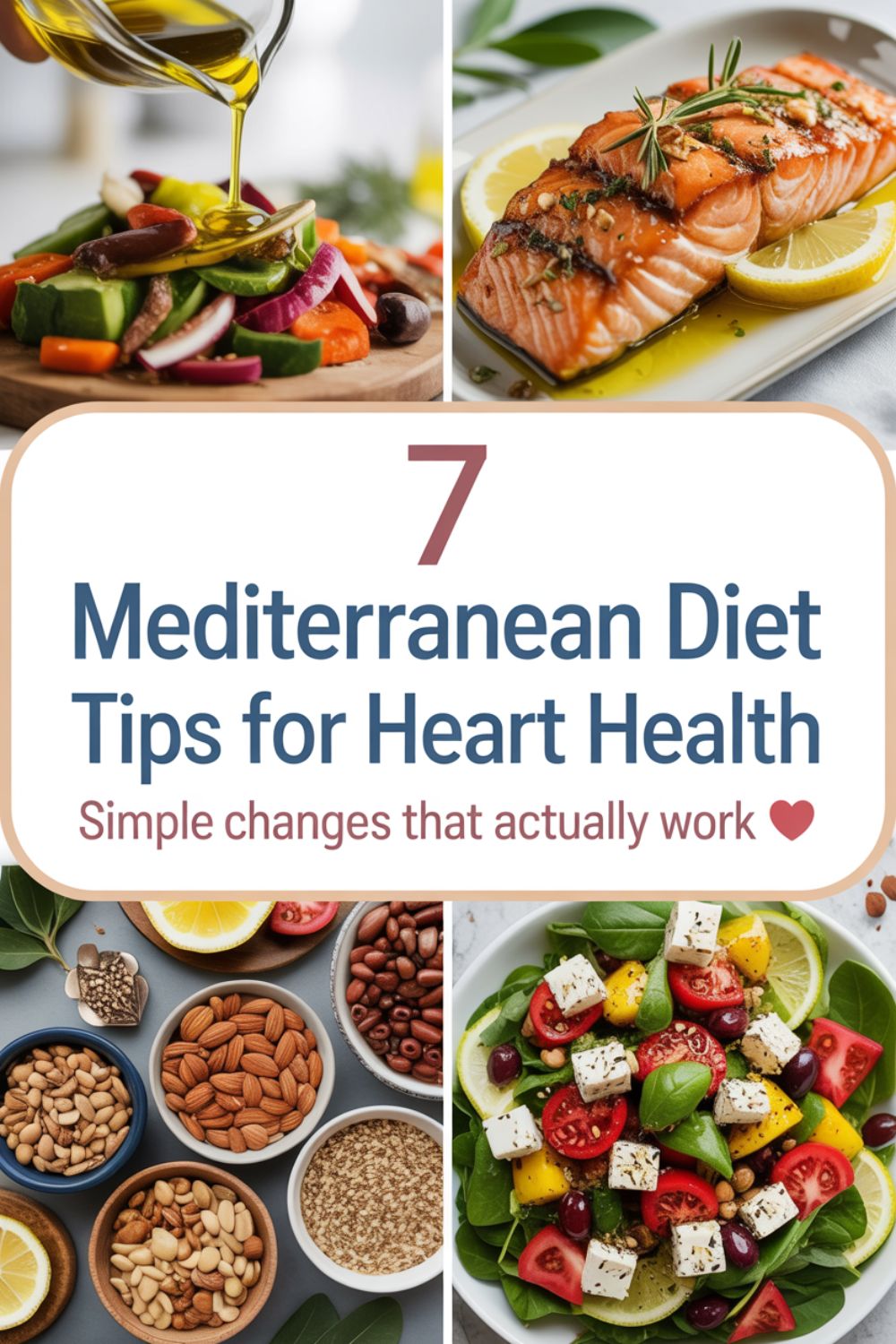
7 Mediterranean Diet Tips for Heart Health
Look, I’m not gonna sugarcoat this: your heart deserves better than drive-thru dinners and mystery casseroles. But here’s the good news—taking care of your ticker doesn’t mean choking down bland food or obsessing over calorie counts. The Mediterranean diet is basically the cool kid of eating plans, and it’s got the research receipts to prove it works.
I stumbled into this whole Mediterranean thing a few years back when my doctor gave me “the talk” about cholesterol. Instead of handing me a pill bottle and calling it a day, she suggested I try eating like the Greeks and Italians do. Spoiler alert: it actually worked, and I didn’t have to give up flavor to do it.
These are the basics that make healthy cooking fast and actually enjoyable: less mess, less time, and meals your whole family will happily eat.
- sheet panCheck today’s price →
- glass storage containerCheck today’s price →
- chef’s knifeCheck today’s price →
- extra-virgin olive oilCheck today’s price →
Amazon prices and deals change often, so it’s worth checking today’s price.
Research from the landmark PREDIMED study found that people following a Mediterranean diet supplemented with extra-virgin olive oil or nuts saw about a 30% reduction in cardiovascular events compared to those on a low-fat diet. That’s not some small-potatoes finding—that’s your heart literally thanking you for the upgrade.
1. Make Olive Oil Your New Best Friend (But Choose Wisely)
Here’s where most people mess up: they think all olive oil is created equal. Newsflash—it’s not. Extra-virgin olive oil is where the magic happens. According to Harvard Health, EVOO retains those precious polyphenols that fight inflammation and protect your heart, while regular olive oil gets stripped of most of the good stuff during processing.
The research is pretty clear on this one. Studies show that consuming more than half a tablespoon of olive oil daily can lower your risk of death from heart disease by about 19%. Yeah, you read that right—a simple drizzle could be doing some serious heavy lifting for your cardiovascular system.
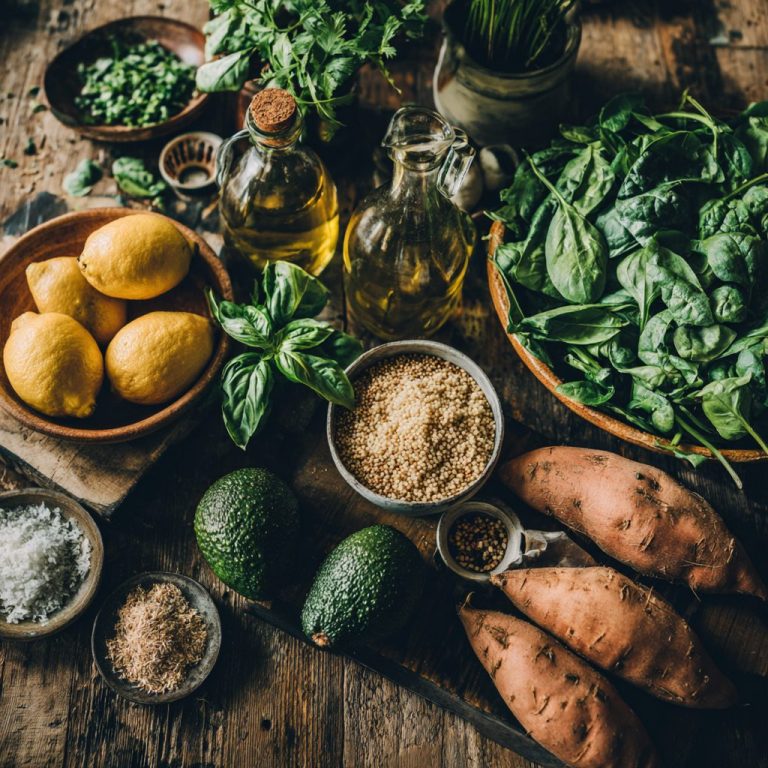
I keep a bottle of quality extra-virgin olive oil right next to my stove—not buried in some cabinet where I’ll forget about it. Use it for everything: sautéing vegetables, drizzling over salads, even dipping bread. Just make sure you’re buying the real deal. Look for bottles that are dark (light degrades the oil) and have a harvest date on them.
Pro Tip:
Store your EVOO in a cool, dark place and use it within a few months of opening. That fancy bottle gathering dust in your pantry? It’s probably past its prime and doing you zero favors.
Speaking of easy upgrades, this avocado toast with tomato and olive oil is my go-to breakfast when I need something quick that doesn’t taste like cardboard. Get Full Recipe.
2. Fish Is Your Friend—Eat It At Least Twice a Week
I’ll be honest: I used to be the person who thought fish was only acceptable if it was battered and deep-fried. Then I discovered that properly cooked fish doesn’t taste like the ocean’s revenge. Who knew?
Fatty fish like salmon, sardines, and mackerel are loaded with omega-3 fatty acids, which are like little peace ambassadors for your arteries. They help reduce inflammation, lower blood pressure, and keep your blood from getting too sticky. The Mayo Clinic recommends aiming for at least two servings per week.
Don’t overthink the cooking part. A simple fish spatula and some lemon is all you need to make restaurant-quality salmon at home. My grilled salmon with tomato caper relish takes maybe 20 minutes start to finish. Get Full Recipe.
Can’t stand salmon? Try the tuna white bean salad—it’s got protein, fiber, and doesn’t require you to turn on the stove. For something fancier, the shrimp sautéed in garlic and olive oil with couscous will make you feel like you’re dining seaside in Greece.
3. Load Up on Vegetables Like Your Life Depends on It (Because It Kinda Does)
Real talk: most of us aren’t eating nearly enough vegetables. And no, the wilted lettuce on your burger doesn’t count.
The Mediterranean diet is basically a vegetable appreciation society. Aim for at least 5-7 servings daily, and yes, that sounds like a lot until you realize a serving is pretty modest—like half a cup cooked or a cup raw.
Get yourself a good sheet pan and start roasting everything in sight. Seriously, throw some cherry tomatoes, zucchini, bell peppers, and eggplant on there with olive oil, garlic, and whatever herbs you’ve got lying around. That’s dinner, folks.
Need inspiration? The grilled veggie platter with hummus is ridiculously easy and looks fancy enough for company. Or try this Mediterranean grain bowl that packs about seven different vegetables into one satisfying meal.
Don’t Sleep on Leafy Greens
Spinach, arugula, kale—these guys are nutritional powerhouses. They’re loaded with vitamins, minerals, and antioxidants that help keep your blood vessels happy. I sneak spinach into basically everything: scrambled eggs, pasta sauce, smoothies. My kids haven’t caught on yet, and I’m not telling.
This lentil spinach soup is comfort food that actually loves you back. And if you’re in the mood for something lighter, the lemony orzo arugula salad is bright, fresh, and doesn’t require turning on your oven in the summer.
4. Whole Grains Are the Real MVPs
I know, I know—carbs are supposedly the enemy. But whole grains are actually heart-protective when you eat them in their whole, minimally processed form. We’re talking brown rice, quinoa, farro, bulgur, whole wheat pasta—not Wonder Bread and Pop-Tarts.
The fiber in whole grains helps lower cholesterol and keeps your blood sugar stable. Plus, they’re filling, which means you’re less likely to raid the pantry at 10 PM looking for cookies.
My favorite hack? Batch-cook grains on Sunday using a good rice cooker and keep them in the fridge all week. Throw them into salads, soups, or grain bowls for instant meals. This Moroccan spiced quinoa bowl uses quinoa as the base and honestly tastes better than takeout.
Quick Win:
Swap your regular pasta for whole wheat or chickpea pasta. The whole wheat spaghetti with cherry tomatoes and basil proves that whole grains don’t have to taste like cardboard. Your heart will thank you, and your taste buds won’t stage a revolt.
5. Nuts and Legumes: Small but Mighty
If you’re not eating nuts regularly, you’re missing out on one of nature’s perfect snacks. Studies show that eating about an ounce of nuts daily—think a small handful—can reduce your risk of heart disease. They’re packed with healthy fats, fiber, protein, and a bunch of vitamins and minerals your heart craves.
I keep a jar of mixed nuts (walnuts, almonds, and pistachios) in a glass storage container on my counter for when the afternoon munchies hit. Way better than reaching for chips, and they actually keep you satisfied.
Legumes—beans, lentils, chickpeas—are the unsung heroes of the Mediterranean diet. They’re cheap, versatile, and loaded with plant-based protein and fiber. The lentil soup with crusty bread is basically a hug in a bowl and costs pennies to make.
Don’t know what to do with chickpeas? Try the Mediterranean chickpea wraps, Mediterranean chickpea bowl, or even the easy baked falafel. IMO, falafel is proof that healthy food can also be delicious—especially when you bake it instead of deep-frying.
6. Rethink Protein: Less Red Meat, More Plants
Here’s where the Mediterranean diet gets real: red meat is more of a “sometimes food” than an everyday thing. We’re talking maybe once a week, not three times a day. Before you panic, hear me out.
Replacing some of your meat consumption with plant-based proteins and fish doesn’t mean you’re doomed to a life of sad salads. It means you’re giving your heart a break from saturated fat and loading up on nutrients that actually protect your cardiovascular system.
The American Heart Association points out that the Mediterranean diet limits saturated fats and emphasizes healthier protein sources like fish, poultry, beans, and nuts. This isn’t about deprivation—it’s about balance.
When you do eat poultry, make it count. This lemon herb chicken with roasted potatoes is simple, satisfying, and doesn’t require fancy ingredients. And the lemon oregano grilled chicken is my summer staple—pairs perfectly with just about any vegetable.
For plant-based protein options, check out the stuffed bell peppers with quinoa and veggies or the three bean chili. Both are hearty enough that you won’t miss the meat.
7. Embrace the Mediterranean Lifestyle (Not Just the Food)
Here’s the thing nobody tells you about the Mediterranean diet: it’s not really a diet at all. It’s a lifestyle. And that means more than just what’s on your plate.
The traditional Mediterranean approach includes eating meals with others, staying physically active, and actually enjoying your food. Wild concept, right? Instead of scarfing down lunch at your desk while answering emails, you’re supposed to, like, sit down and taste what you’re eating.
Move Your Body
You don’t need to become a gym rat, but regular movement is part of the package. Walk after dinner. Take the stairs. Garden. Dance in your kitchen while cooking. Just move. Your heart doesn’t care if you’re doing CrossFit or just walking your dog—it just wants you to get off the couch.
Moderate Wine? Maybe
FYI, the whole “glass of red wine with dinner” thing is optional and definitely not mandatory. If you don’t drink, don’t start. If you do drink, moderation is key—we’re talking one glass for women, two for men, with food. And honestly, the heart benefits come from the food, not the wine. Don’t let anyone tell you otherwise.
Cook More, Stress Less
I get it—cooking feels like a chore after a long day. But having the right tools makes a huge difference. A good chef’s knife that actually cuts things (groundbreaking, I know) and some quality storage containers for meal prep will change your life. Trust me on this.
Pro Tip:
Meal prep doesn’t have to mean eating the same thing seven days straight. Make components—roasted vegetables, cooked grains, a protein or two—and mix and match throughout the week. Check out these quick Mediterranean meal prep ideas if you need inspiration.
Speaking of meal prep, the Greek yogurt bowl with berries and honey is perfect for mornings when you’re running late. Just prep it the night before and grab it on your way out. Or try these spinach feta egg muffins that you can make in bulk and reheat all week.
Frequently Asked Questions
Is the Mediterranean diet expensive to follow?
Not really. Sure, you might spend more on olive oil and fresh fish, but you’re also eating way less expensive red meat and processed foods. Beans, lentils, whole grains, and seasonal vegetables are all budget-friendly. Plus, these budget-friendly Mediterranean meals prove you don’t need to break the bank to eat well.
Can I lose weight on the Mediterranean diet?
Yeah, you can, but that’s not really the point. The Mediterranean diet isn’t designed as a weight-loss plan—it’s a heart-healthy eating pattern. That said, many people do lose weight naturally because they’re eating more whole foods, more fiber, and fewer processed junk foods. Focus on the health benefits and let the weight do what it’s gonna do.
Do I have to give up all my favorite foods?
Absolutely not. The Mediterranean diet is about balance, not deprivation. You can still have dessert occasionally (hello, Mediterranean desserts that don’t ruin your diet), enjoy bread with meals, and even have pizza if you make it with whole wheat crust and load it with vegetables. It’s about making better choices most of the time, not being perfect all the time.
How long does it take to see results?
Some people notice more energy and better digestion within a week or two. Blood pressure and cholesterol improvements usually show up within a few months. But here’s the thing—this isn’t a quick fix or a 30-day challenge. It’s a sustainable way of eating that protects your heart over the long haul. Think years, not weeks.
What’s the biggest mistake people make when starting the Mediterranean diet?
Going all-in too fast and burning out. Don’t try to overhaul your entire kitchen and meal plan overnight. Start with one or two changes—maybe swap butter for olive oil and add an extra serving of vegetables to dinner. Build from there. Small, sustainable changes beat dramatic transformations that last three days.
The Bottom Line
Look, I’m not gonna pretend that switching to a Mediterranean diet is effortless. It takes some getting used to, especially if you’re currently living on takeout and frozen dinners. But here’s what I’ve learned: your heart is the hardest-working organ in your body, pumping blood every single second of every single day without taking a break. The least you can do is feed it decent fuel.
The Mediterranean diet isn’t some trendy eating plan that’ll be replaced by the next big thing next year. It’s backed by decades of research showing real, measurable benefits for cardiovascular health. We’re talking reduced risk of heart disease, stroke, and even death from heart-related causes. That’s not hype—that’s science.
Start small. Drizzle some olive oil on your vegetables tonight. Throw some fish on the grill this weekend. Swap your white rice for quinoa. Have some nuts instead of chips. These aren’t earth-shattering changes, but they add up.
And honestly? Once you get into the groove of eating this way, you’ll probably find that you actually enjoy your food more. There’s something satisfying about a simple meal of shakshuka, fresh bread drizzled with olive oil, and a crisp salad that no drive-thru window can compete with.
Your heart’s counting on you. Don’t let it down.