21 Mediterranean Breakfast Bowls That Are Easy & Healthy
Look, I’m not going to sugarcoat this—breakfast can feel like a chore when you’re half-awake and already running late. But what if I told you that Mediterranean breakfast bowls could actually make your mornings easier AND keep you full until lunch without the usual carb crash?
These bowls aren’t your typical Instagram-worthy nonsense that looks pretty but leaves you starving by 10 a.m. They’re real food, packed with protein, healthy fats, and enough flavor to wake up your taste buds without requiring a culinary degree.

These are the basics that make healthy cooking fast and actually enjoyable: less mess, less time, and meals your whole family will happily eat.
- glass meal prep bowlsCheck today’s price →
- mason jarsCheck today’s price →
- food processorCheck today’s price →
- cast iron skilletCheck today’s price →
Amazon prices and deals change often, so it’s worth checking today’s price.
Why Mediterranean Breakfast Bowls Actually Work
Here’s the thing about the Mediterranean diet—it’s not some trendy fad that’ll disappear faster than your New Year’s resolutions. Research from Harvard’s School of Public Health shows this eating pattern reduces cardiovascular disease risk by about 25% and helps with long-term weight management.
The secret sauce? It’s all about anti-inflammatory foods, healthy fats from olive oil, and a ridiculous amount of vegetables that somehow don’t taste like punishment. Unlike most breakfast options that spike your blood sugar faster than you can say “maple syrup,” these bowls keep things steady.
What I love most is that these bowls follow the Mediterranean principle of eating real, minimally processed foods. You’re getting fiber from whole grains, protein from eggs or Greek yogurt, and omega-3s from ingredients like walnuts or salmon. Your body actually knows what to do with this stuff, unlike whatever’s in those fluorescent breakfast cereals.
Prep your grain bases on Sunday night—cook a big batch of quinoa, farro, or bulgur. Toss it with olive oil and lemon juice, then portion it out. You’ll thank yourself all week when breakfast takes literally three minutes to assemble.
The Building Blocks of a Killer Breakfast Bowl
Before we get into the actual recipes, let’s talk about how these bowls work. Think of them like a choose-your-own-adventure book, but for food and way less nerdy.
Your Base Layer
This is your foundation, and honestly, it makes or breaks the whole bowl. You’ve got options here—whole grains like quinoa or farro, Greek yogurt, or even roasted sweet potatoes if you’re feeling adventurous. The goal is something that’ll keep you full without weighing you down like a brick.
I usually go with quinoa because it’s got complete protein and cooks faster than most grains. Plus, it doesn’t turn into mush if you meal prep it. If you’re team yogurt, make sure you’re grabbing the full-fat Greek kind—none of that fat-free nonsense that tastes like regret.
The Protein Punch
This is where you separate the breakfast bowls that actually work from the ones that leave you face-down in a bag of chips by noon. You need at least 15-20 grams of protein here, minimum.
Common players include eggs (scrambled, poached, or soft-boiled), chickpeas, white beans, or even leftover grilled chicken if you’re into that. One of my favorite hacks is keeping a batch of easy baked falafel in the fridge—they reheat beautifully and add serious flavor.
Healthy Fats (The Good Stuff)
Here’s where Mediterranean eating really shines. You need fat to absorb all those vitamins from your veggies, and it keeps you satisfied way longer than any sad fat-free dressing ever could.
We’re talking extra virgin olive oil, avocado, nuts, seeds, or olives. I drizzle this high-quality olive oil on basically everything—it’s got that peppery kick that makes even boring vegetables taste expensive. Studies from the National Institutes of Health confirm that olive oil’s monounsaturated fats support heart health and reduce inflammation.
Speaking of bowl creations, if you’re looking for more protein-packed morning options, you might enjoy these high-protein breakfast recipes that take a similar approach.
Vegetables (Yes, Really)
I know, I know—vegetables for breakfast sounds about as appealing as a cold shower. But hear me out. Roasted cherry tomatoes, sautéed spinach, cucumbers, or even leftover roasted peppers bring flavor, color, and nutrients without making your breakfast taste like a salad.
The trick is seasoning them properly. A little garlic, some za’atar, maybe a squeeze of lemon—suddenly vegetables don’t seem so terrible at 7 a.m. If you absolutely can’t deal with veggies first thing, try a Mediterranean smoothie bowl instead—same nutrition, different delivery system.
21 Mediterranean Breakfast Bowls You’ll Actually Make
Alright, enough theory. Let’s get into the actual bowls that’ll transform your mornings from chaotic to manageable.
1. Classic Greek Yogurt Power Bowl
This is the OG Mediterranean breakfast, and it’s survived this long for good reason. Full-fat Greek yogurt topped with walnuts, a drizzle of honey, and fresh berries. The protein-to-carb ratio here is chef’s kiss perfect.
I use these glass meal prep bowls to portion everything out on Sunday—saves so much time during the week. The yogurt provides probiotics for gut health, while the walnuts bring omega-3s and that satisfying crunch. See next: 10 Mediterranean Meal Prep Bowls You’ll Be Excited to Eat →.
2. Savory Feta & Spinach Scramble Bowl
Ever tried eggs with feta? Life-changing, honestly. Scramble your eggs with spinach, crumbled feta, and tomatoes, then serve over quinoa or bulgur. The saltiness from the feta means you barely need any additional seasoning.
This is basically a savory Mediterranean scramble in bowl form, and it’s become my go-to when I need something that feels substantial but won’t make me want a nap by 11.
3. Shakshuka-Style Breakfast Bowl
Okay, so shakshuka traditionally isn’t a bowl, but we’re adapting here. Poached eggs in a spicy tomato sauce with chickpeas, served over toasted whole grain bread or farro. It’s warm, comforting, and has enough kick to wake you up better than coffee.
The tomato base is loaded with lycopene (that antioxidant thing everyone talks about), and the eggs give you protein without any of that dry, overcooked texture. If you want the full traditional version, try this shakshuka with eggs in spicy tomato sauce.
Make your shakshuka sauce on the weekend and freeze it in portions. In the morning, reheat, crack in some eggs, and you’ve got a restaurant-quality breakfast in under 10 minutes.
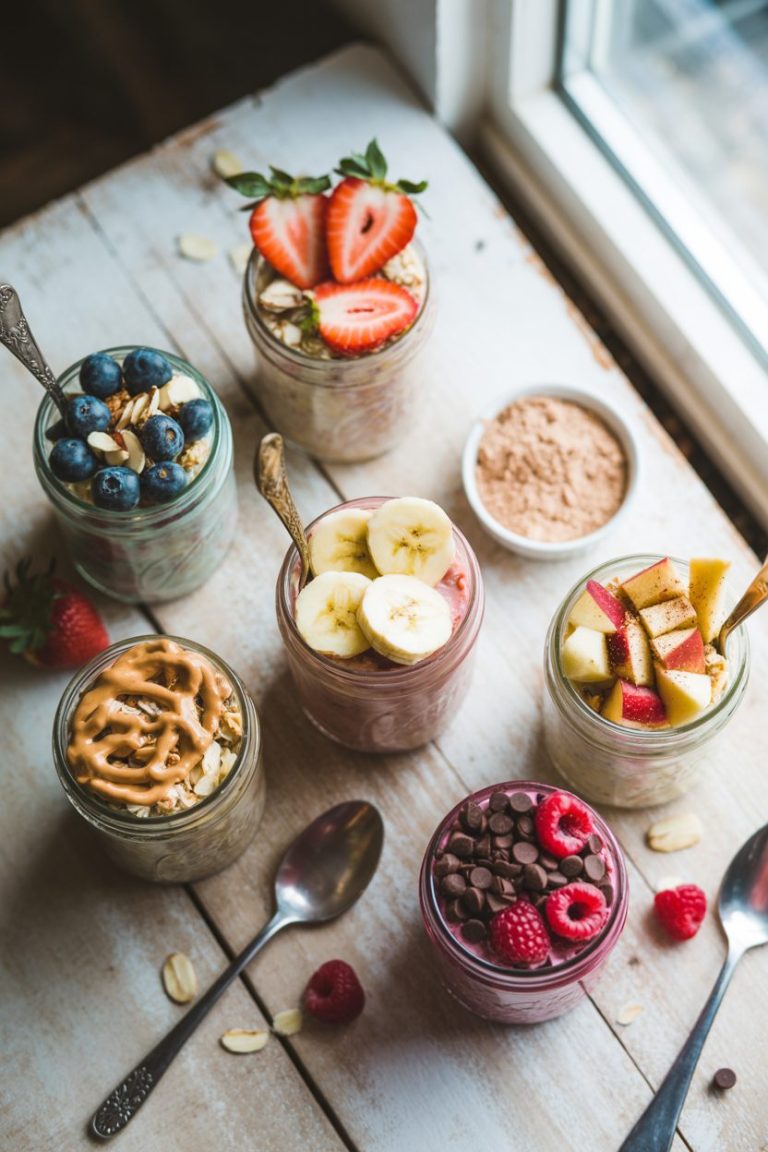
4. Overnight Oats Mediterranean Style
Before you roll your eyes—these aren’t your basic vanilla overnight oats. We’re mixing oats with Greek yogurt, dried figs, chopped walnuts, and a drizzle of honey. The figs bring natural sweetness and fiber, while the yogurt adds extra protein.
I prep these in these mason jars because they’re portable and I can grab one on my way out the door. The Mediterranean twist makes them feel special without requiring any actual morning effort. Similar to this oatmeal with figs and walnuts, but cold-prepped.
5. Avocado Toast Bowl (Deconstructed)
Yeah, avocado toast is played out, but this version actually makes sense. Take your whole grain bread, tear it into chunks, and toss it with mashed avocado, cherry tomatoes, a soft-boiled egg, and hemp seeds. It’s all the flavors of avocado toast without the mess.
The hemp seeds add omega-3s and extra protein—they’re like sesame seeds but more nutritionally impressive. For a more traditional take, check out this avocado toast with tomato and olive oil.
6. Hummus & Veggie Breakfast Bowl
Controversial opinion: hummus isn’t just for lunch. A generous scoop of hummus with cucumber, tomatoes, olives, and a hard-boiled egg makes for a surprisingly satisfying breakfast. The chickpeas in hummus pack protein and fiber.
I make my hummus in this food processor that’s powerful enough to get it actually creamy, not that chunky nonsense. Serve everything in a bowl with some toasted pita on the side if you need the bread element.
If you’re into veggie-forward breakfasts, these grilled veggie platters with hummus work great as weekend brunch options too.
7. Mediterranean Grain Bowl with Soft Egg
This is my default when I can’t decide what I want. Farro or bulgur, roasted vegetables (whatever’s in season), a soft-boiled egg, and tahini dressing. The grain gives you sustained energy, the egg provides protein, and the tahini ties everything together.
The beauty of this bowl is its flexibility—you can use whatever vegetables you have lying around. Zucchini, bell peppers, eggplant, tomatoes—they all work. It’s basically a Mediterranean grain bowl but optimized for morning eating.
8. Smoked Salmon & Cream Cheese Bowl
Fancy breakfast vibes without the fancy breakfast price tag. Greek yogurt mixed with a bit of cream cheese (yes, really), topped with smoked salmon, capers, red onion, and everything bagel seasoning over quinoa or rice.
The salmon brings those omega-3 fatty acids that are supposedly good for your brain—though honestly, I just like the flavor. If you want the full salmon experience, try this smoked salmon avocado toast instead.
9. Chickpea & Roasted Red Pepper Bowl
Roasted chickpeas are a game-changer. Toss them with olive oil and za’atar, roast until crispy, then serve over Greek yogurt with roasted red peppers and cucumbers. It’s crunchy, creamy, and savory all at once.
I roast my chickpeas in a cast iron skillet for maximum crispiness. The za’atar adds this Middle Eastern flair that makes regular chickpeas taste interesting. Similar concept to these Mediterranean chickpea wraps, just bowl-ified.
10. White Bean & Kale Power Bowl
Kale for breakfast sounds intense, I know. But when you sauté it with garlic and lemon, then mix it with white beans and a poached egg, it actually works. The beans provide plant-based protein and fiber that keeps you full.
The key is not overcooking the kale—you want it wilted, not mushy. This is basically a breakfast version of those Mediterranean chickpea bowls everyone makes for lunch.
11. Za’atar Roasted Veggie Bowl
Za’atar is that magical Middle Eastern spice blend that makes everything taste better. Roast sweet potatoes, cauliflower, and red onions with za’atar and olive oil, serve over Greek yogurt with a drizzle of tahini.
The sweet potatoes bring complex carbs that won’t crash your energy, and the yogurt adds protein. I buy this za’atar blend because making it from scratch is more effort than I’m willing to invest.
12. Tuna & White Bean Breakfast Bowl
Yes, tuna for breakfast. Fight me on this. Mix canned tuna with white beans, cherry tomatoes, olives, and red onion, then serve over greens or quinoa. It’s protein-heavy and surprisingly good.
The combo might sound weird, but it’s a staple in Mediterranean coastal regions where people aren’t weird about eating fish in the morning. This is essentially a breakfast take on tuna and white bean salad. See next: 18 Mediterranean-Low-Carb Breakfast Ideas →.
13. Baked Falafel Bowl
Leftover falafel makes incredible breakfast food. Reheat them, serve over tahini-dressed greens with cucumbers, tomatoes, and pickled onions. The falafel provides plant-based protein, and the tahini adds healthy fats.
I make a big batch of homemade baked falafel every week specifically for this purpose. They’re way better than store-bought and you can control the spice level. See next: 21 Mediterranean Breakfast Ideas to Boost Your Metabolism →.
14. Cottage Cheese & Tomato Bowl
Cottage cheese is having a moment, and honestly, it deserves it. High protein, low calorie, and when you mix it with cherry tomatoes, basil, olive oil, and black pepper, it’s actually delicious. Serve with whole grain crackers or toast on the side.
The key is using good olive oil and not skimping on the black pepper. It transforms cottage cheese from diet food into actual breakfast. Similar vibes to this savory cottage cheese toast.
15. Quinoa Breakfast Bowl with Nuts & Fruit
This is for people who want something sweet but not sugar-bomb sweet. Cook quinoa in almond milk, top with sliced almonds, fresh berries, a tiny drizzle of maple syrup, and some cinnamon.
The quinoa provides complete protein (all nine essential amino acids), and the nuts add healthy fats and crunch. I prep the quinoa in this rice cooker because it’s foolproof. Check out this quinoa breakfast bowl with apples and walnuts for a similar concept. See next: 17 Mediterranean-Inspired Bowls That Are Healthy & Filling →.
For those who want even more protein-focused morning meals, these high-protein breakfast ideas expand on similar principles with different flavor profiles.
16. Lentil & Spinach Breakfast Bowl
Lentils aren’t just for soup. Cook them with cumin and garlic, mix with sautéed spinach, top with a fried egg and some feta. The lentils bring plant-based protein and fiber that’ll keep you full until lunch.
This is basically a breakfast version of lentil spinach soup, but thicker and more substantial. The runny egg yolk acts as a sauce, which sounds gross but is actually perfect.
17. Caprese Breakfast Bowl
All the flavors of a Caprese salad but breakfast-appropriate. Fresh mozzarella, cherry tomatoes, basil, and a balsamic drizzle over quinoa or farro, with a poached egg on top. It’s fresh, light, and feels fancy.
The key is using high-quality mozzarella—the fresh stuff packed in water, not the shredded kind. It makes all the difference. Similar to this Caprese white bean salad but hot.
18. Sweet Potato & Black Bean Bowl
Roasted sweet potatoes with black beans, avocado, and a fried egg might sound more lunch than breakfast, but honestly, who made these rules anyway? The sweet potatoes provide complex carbs and beta-carotene.
I season everything with cumin and smoked paprika for a little kick. The combination works surprisingly well in the morning, especially if you’re tired of typical breakfast flavors. This takes inspiration from sweet potato hash with black beans and avocado.
Roast your sweet potatoes whole in the oven at 400°F for about 45 minutes. They’ll keep in the fridge for 5 days, and you can just scoop out what you need each morning. Way faster than cutting and roasting fresh every time.
19. Mediterranean Egg Muffin Bowl
Okay, so this is kind of cheating because you’re making the egg muffins ahead of time. But once you’ve got them, breakfast is literally just assembling a bowl. Bake eggs with spinach, feta, and sun-dried tomatoes in a muffin tin, then serve over greens with olives and cucumbers.
These spinach feta egg muffins are portable, protein-packed, and actually taste good cold if you’re really in a rush. I bake them in a silicone muffin pan so they pop out without a fight.
20. Tahini Banana Bowl
For people who need something sweet in the morning but don’t want to crash by 10 a.m. Greek yogurt with sliced banana, a generous drizzle of tahini, and a sprinkle of cinnamon. The tahini adds healthy fats and makes it feel more substantial.
The combo of yogurt protein plus tahini fats keeps your blood sugar stable way better than just fruit and yogurt alone. It’s simple but effective—sometimes that’s all you need.
21. Mediterranean Frittata Bowl
Make a big frittata with whatever vegetables you have—zucchini, tomatoes, peppers, onions—plus some feta and herbs. Cut into wedges and serve in a bowl over greens with olives and a lemon vinaigrette.
Frittatas are the meal prep MVP because they reheat perfectly and taste good at any temperature. I make mine in a cast iron skillet that goes from stovetop to oven without complaining.
How to Build Your Own Mediterranean Breakfast Bowl
Here’s the formula so you can stop relying on specific recipes and just freestyle it based on what’s in your fridge:
Start with a base: Quinoa, farro, bulgur, Greek yogurt, or whole grain bread. About 1/2 to 3/4 cup, depending on your hunger level and activity for the day.
Add your protein: 15-25 grams minimum. Eggs, chickpeas, lentils, white beans, cottage cheese, Greek yogurt, or leftover chicken. This is non-negotiable if you want to actually stay full.
Include healthy fats: Extra virgin olive oil, avocado, nuts, seeds, olives, or tahini. Don’t be stingy here—fat is what makes you feel satisfied and helps you absorb nutrients.
Load up on vegetables: At least 1-2 cups. Tomatoes, cucumbers, spinach, kale, peppers, zucchini—whatever you’ve got. Raw, roasted, or sautéed all work.
Season properly: This is where most people fail. Use herbs like basil, parsley, or dill. Add spices like za’atar, cumin, or smoked paprika. Finish with lemon juice and good olive oil. The difference between bland and delicious is literally just seasoning.
If you’re looking to expand your Mediterranean breakfast repertoire beyond bowls, check out these Mediterranean breakfast recipes for busy mornings that use similar principles.
Meal Prep Tips That Actually Work
Let’s be real—the only way these breakfast bowls happen consistently is if you prep ahead. But I’m not talking about spending your entire Sunday in the kitchen like some food blogger with unrealistic time expectations.
Cook grains in bulk: Make 4-5 cups of quinoa, farro, or bulgur at once. Store in the fridge for up to 5 days. This single step saves you so much morning time.
Roast vegetables on one pan: Throw whatever vegetables you have on a sheet pan, drizzle with olive oil, season, and roast at 425°F for 20-25 minutes. Done. I use these rimmed baking sheets because they’re big enough to fit everything without crowding.
Hard boil eggs properly: Put eggs in cold water, bring to a boil, remove from heat, cover for 10 minutes. Ice bath immediately. They’ll keep for a week and the yolks will be perfectly jammy, not that gross gray color.
Prep your toppings: Chop vegetables, portion out nuts, mix up tahini dressing. Store everything separately so you can mix and match based on what sounds good that morning.
Use good containers: I cannot stress this enough. Cheap containers leak, warp in the dishwasher, and generally make meal prep more annoying than it needs to be. Invest in quality storage—it makes a difference.
Sarah from our community started meal prepping these bowls and told me she lost 15 pounds in three months just by having a proper breakfast ready instead of hitting the drive-through. Not saying that’ll happen for everyone, but consistent healthy breakfasts definitely help.
Common Mistakes to Avoid
I’ve made all these mistakes so you don’t have to. Learn from my failures, please.
Making them too carb-heavy: Yes, grains are part of Mediterranean eating, but if your bowl is 90% quinoa with a lonely egg on top, you’ll be hungry in an hour. Balance is key.
Skipping the fat: Low-fat Greek yogurt, no olive oil, scared of avocados—this is a recipe for unsatisfying breakfast. Fat isn’t the enemy. In fact, it’s essential for hormone production and nutrient absorption.
Not seasoning your food: Plain quinoa with plain chickpeas and raw vegetables is technically a Mediterranean bowl, but it tastes like cardboard. Use herbs, spices, lemon juice, and good olive oil liberally.
Overcomplicating it: You don’t need 15 ingredients and three cooking methods. Some of the best bowls are just eggs, vegetables, feta, and olive oil. Simple done right beats complex done badly.
Using terrible olive oil: That $4 bottle from the back of the grocery store probably isn’t even real olive oil. Get something decent—it’s the flavor foundation of most of these bowls. Worth the investment.
Budget-Friendly Mediterranean Breakfast Bowl Tips
Mediterranean eating has this reputation for being expensive, but it doesn’t have to be. Here’s how to make these bowls work on a realistic budget:
Buy grains and legumes in bulk. Quinoa, lentils, chickpeas—they’re all way cheaper when you’re not buying tiny packages. Store them in these airtight containers so they stay fresh.
Use seasonal vegetables. That’s the whole point of Mediterranean eating anyway. When zucchini is in season, it’s like $1 a pound. Out of season? You’re paying $3-4. Buy what’s cheap and abundant.
Eggs are your friend. They’re consistently affordable, packed with protein, and versatile. A dozen eggs can give you breakfast protein for a week.
Skip the fancy superfoods. You don’t need goji berries or açai powder. Regular berries, basic nuts, and standard vegetables work just fine. The Mediterranean diet is peasant food made delicious—act accordingly.
Make your own hummus and tahini dressing. It’s literally just chickpeas or sesame seeds blended with olive oil, lemon, and garlic. Store-bought versions charge you $6 for what costs $1.50 to make. If you’re interested in budget-conscious Mediterranean eating, these budget-friendly Mediterranean meals follow similar cost-saving principles.
What to Drink with Your Breakfast Bowl
Look, I’m not going to tell you to drink green smoothies if that’s not your thing. But what you drink matters almost as much as what you eat.
Coffee or tea: Black or with a splash of milk. The Mediterranean approach is simple coffee, not those 400-calorie sugar bombs masquerading as coffee drinks.
Water with lemon: Hydration first thing helps with digestion and wakes you up naturally. Plus it’s free, which is always nice.
Fresh orange juice: If you’re going to do juice, make it fresh and keep it to a small glass. Store-bought juice is basically sugar water.
Herbal tea: Mint or chamomile if you’re trying to be calm and zen about your morning. I’m more of a coffee person, but you do you.
Skip the fancy smoothies unless you’re actually blending whole fruits and vegetables. Those pre-made ones from the store are usually loaded with added sugars and cost more than making your own. If you do want a smoothie, try these high-protein smoothies instead.
Frequently Asked Questions
Are Mediterranean breakfast bowls good for weight loss?
Yes, when done right. These bowls focus on whole foods, plenty of protein, and healthy fats that keep you full longer—which means you’re less likely to snack or overeat later. The key is portion control and not going overboard on the grains. A balanced bowl with good protein, lots of vegetables, and moderate grains supports sustainable weight loss without leaving you hungry.
Can I meal prep Mediterranean breakfast bowls for the whole week?
Absolutely, but you need to store components separately. Cook your grains, roast your vegetables, and hard-boil your eggs ahead of time, then assemble each morning. This takes maybe 3 minutes and ensures everything tastes fresh. Full assembled bowls get soggy and gross by day 3, so don’t do that.
What if I don’t like eggs?
No problem—use Greek yogurt, cottage cheese, chickpeas, lentils, or white beans for protein instead. The Mediterranean diet isn’t egg-dependent. You’ve got plenty of plant-based protein options that work just as well for keeping you full and energized.
How much protein should a breakfast bowl have?
Aim for at least 15-25 grams of protein per bowl. This amount helps maintain stable blood sugar, keeps you full until lunch, and supports muscle maintenance. Two eggs give you about 12 grams, a cup of Greek yogurt has around 20 grams, and a half cup of chickpeas provides about 7 grams—so combine sources if needed.
Can I make these bowls vegan?
Sure can. Swap eggs and dairy for chickpeas, lentils, tofu scramble, or plant-based yogurt. Use tahini or avocado for healthy fats. The Mediterranean eating pattern is naturally plant-forward, so going fully vegan is actually easier than with most other breakfast styles.
The Bottom Line on Mediterranean Breakfast Bowls
Here’s what it comes down to: Mediterranean breakfast bowls work because they’re based on real food that actually keeps you full. No magic, no weird supplements, just protein, healthy fats, vegetables, and whole grains combined in a way that tastes good.
The biggest advantage? They’re flexible enough to adapt to whatever you have in your fridge. You don’t need to follow recipes exactly—once you understand the basic formula, you can improvise based on what’s available and what sounds good that morning.
Will they transform your life overnight? Probably not. But consistent, balanced breakfasts that you actually enjoy eating do make a difference over time. Better energy, fewer cravings, and that smug satisfaction of knowing you’re starting your day with real food instead of whatever processed nonsense most people eat.
The Mediterranean approach to eating isn’t about restriction or weird rules. It’s about enjoying food while prioritizing ingredients that support your health. These breakfast bowls embody that philosophy perfectly—they’re satisfying, nutritious, and realistic for actual humans with jobs and responsibilities.
Start with one or two bowls that sound appealing, meal prep the components, and see how you feel after a week. Chances are you’ll notice better energy, less mid-morning hunger, and maybe even save money by not hitting the coffee shop drive-through every day.
The best diet is the one you can stick with long-term, and these bowls are designed for sustainability, not suffering. They work with your life, not against it. That’s the whole point.