
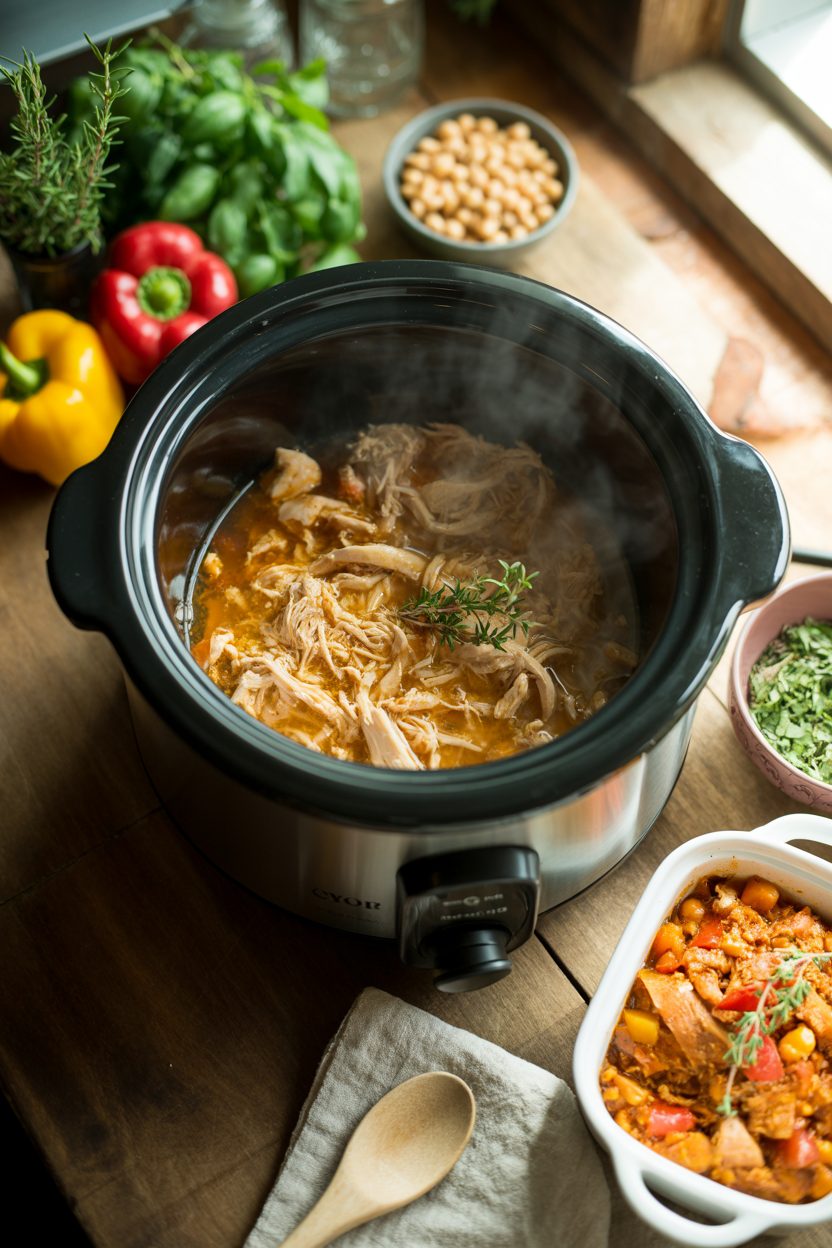
20 High-Protein Slow Cooker Recipes
Look, I get it. You want to eat more protein, you’re tired after work, and the thought of standing over a stove for an hour makes you want to order takeout. Again. That’s where your slow cooker comes in—that underutilized appliance sitting in your cabinet, silently judging you for only using it once a year for chili.
High-protein slow cooker recipes are basically the ultimate lazy-genius move. You throw ingredients in a pot in the morning, go live your life, and come home to a house that smells amazing and dinner that’s already done. Plus, you’re hitting your protein goals without meal prepping on Sunday like some kind of wellness influencer.
I’ve been relying on my slow cooker more than I’d like to admit lately, and honestly? It’s changed how I eat during the week. No more 9 PM scrambled eggs because I “forgot” to plan dinner. These recipes are practical, protein-packed, and actually taste good—not like cardboard with seasoning.
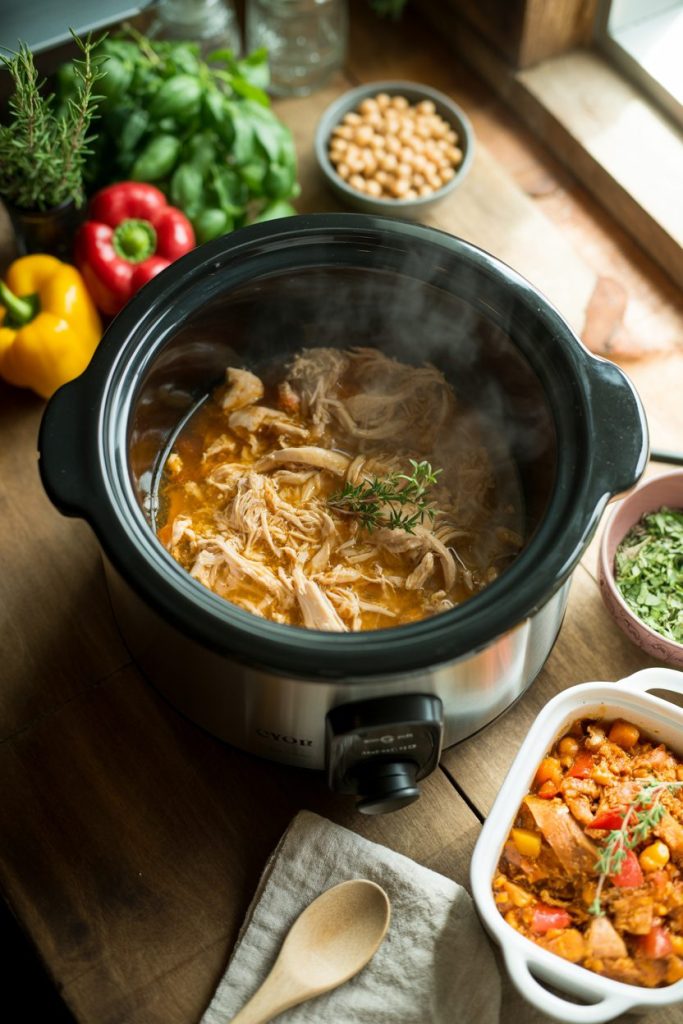
Why Slow Cookers Are Perfect for High-Protein Meals
Slow cookers excel at breaking down tougher cuts of meat—the ones that are usually cheaper and higher in protein. Chicken thighs, beef chuck, pork shoulder—these become fall-apart tender after hours of low, steady heat. You’re getting restaurant-quality texture without the restaurant prices or effort.
The other major win? Batch cooking without babysitting. You can make enough protein for the entire week in one go. Meal prep without actually having to prep multiple meals. Just portion everything out on Sunday night (or whenever you actually get around to it) and you’re set.
Legumes and beans also thrive in slow cookers. Chickpeas, lentils, and black beans cook evenly and absorb whatever flavors you throw at them. They’re protein powerhouses that don’t require soaking overnight if you’re using a slow cooker—just add extra liquid and time. For more plant-based inspiration, check out these Mediterranean chickpea wraps or this three bean chili.
Chicken-Based High-Protein Slow Cooker Recipes
Shredded Salsa Chicken
Possibly the easiest recipe you’ll ever make. Chicken breasts, salsa, taco seasoning. That’s it. Cook on low for 6-8 hours, shred with forks, and you’ve got versatile protein for tacos, salads, or burrito bowls. Each serving packs about 35 grams of protein.
I use this for meal prep constantly because it’s foolproof. You literally cannot mess it up unless you forget to plug in your slow cooker (which I’ve definitely never done, obviously).
Lemon Herb Chicken with Potatoes
Whole chicken pieces with lemon, garlic, rosemary, and baby potatoes create a complete meal. The chicken stays incredibly moist, and the potatoes soak up all those herby juices. About 40 grams of protein per serving, plus you get your carbs handled.
This one makes your house smell ridiculous in the best way. I swear by this programmable slow cooker because you can set it and actually forget it without worrying about overcooking.
Buffalo Chicken Lettuce Wraps
Chicken breasts with buffalo sauce and a bit of ranch seasoning. Shred it up, serve in lettuce cups with blue cheese crumbles. Around 30 grams of protein and way fewer calories than traditional buffalo wings.
The lettuce wrap situation might seem twee, but it actually works here. You get that satisfying crunch without the carb-heavy tortilla.
Chicken Tikka Masala
Yeah, you can make this in a slow cooker. Chicken thighs, coconut milk, tomato paste, and a blend of spices. It’s not quite restaurant-level complex, but it’s close enough for a weeknight and delivers 32 grams of protein per bowl.
Serve it over cauliflower rice if you’re watching carbs, or regular rice if you’re a normal human who likes rice. Both are valid choices. If you’re into Mediterranean flavors too, try this lemon oregano grilled chicken—it’s a different vibe but equally protein-packed.
White Chicken Chili
Chicken breasts, white beans, green chiles, and chicken broth create this lighter take on chili. Top with Greek yogurt instead of sour cream for extra protein. You’re looking at about 35 grams per serving.
I make a huge batch of this and freeze half. Future you will be grateful when you remember it’s there at 8 PM on a Tuesday.
Beef and Pork Protein Powerhouses
Beef and Vegetable Stew
Chuck roast, carrots, celery, potatoes, and beef broth. Classic comfort food that happens to have 38 grams of protein per serving. The beef becomes so tender it practically dissolves.
This is the recipe I make when I want to feel like I have my life together without actually having my life together. A good set of meal prep containers makes portioning this out way easier.
Speaking of hearty meals, you might also enjoy this lentil sweet potato stew or this Mediterranean lentil salad—both are fantastic for batch cooking.
Pulled Pork
Pork shoulder with BBQ sauce or a dry rub. Cook low and slow for 8-10 hours. The result? Fall-apart meat with about 35 grams of protein per serving. Use it for sandwiches, bowls, or just eat it straight from the container like an animal. No judgment.
The key here is not drowning it in sugary BBQ sauce. Use a lower-sugar version or make your own. Your macros will thank you.
Beef Chili
Ground beef, kidney beans, black beans, tomatoes, and chili seasonings. This is the slow cooker recipe everyone already makes, and there’s a reason for that. It works. Around 30 grams of protein and it freezes beautifully.
Add extra beans if you want more fiber and volume without many more calories. I usually throw in whatever vegetables are dying in my fridge—bell peppers, zucchini, whatever.
Carnitas
Pork shoulder with orange juice, lime, garlic, and cumin. It’s tangy, it’s savory, it’s got 36 grams of protein per serving. Crisp it up under the broiler for a few minutes if you want that restaurant-style texture.
Serve with cucumber avocado toast with za’atar on the side for a lighter meal, or go all-in with traditional fixings.
Korean Beef
Thinly sliced beef with soy sauce, ginger, garlic, and a touch of brown sugar. It’s got those sweet and savory flavors without being overly complicated. About 32 grams of protein, and it’s done in 4-5 hours.
I serve this over rice with a fried egg on top because I’m fancy like that. The runny yolk mixing with the beef sauce is chef’s kiss.
Plant-Based High-Protein Options
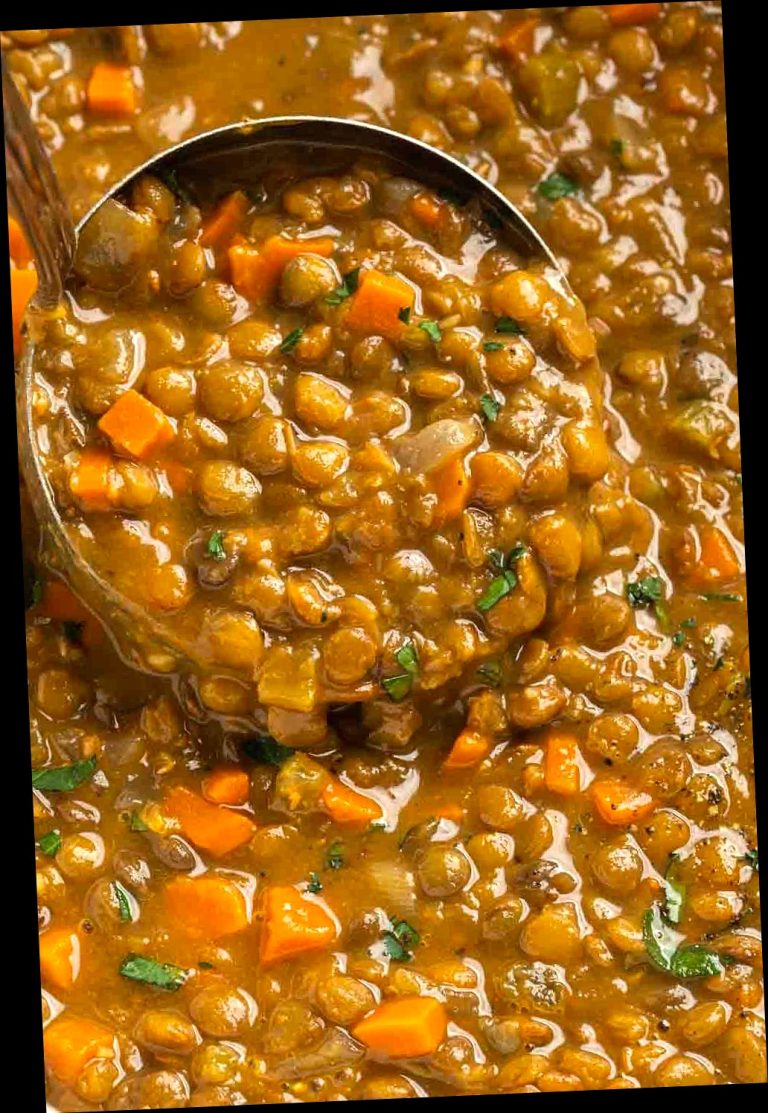
Lentil and Vegetable Curry
Red lentils, coconut milk, curry powder, and whatever vegetables you have. Lentils are sneaky high in protein—about 18 grams per cup cooked. This dish gives you around 15 grams per serving, which is solid for a plant-based meal.
It’s creamy, it’s warming, and it’s the kind of thing that tastes even better the next day. Pack it with quinoa tabbouleh for a complete lunch spread.
Chickpea and Spinach Stew
Chickpeas, tomatoes, spinach, garlic, and spices create a Mediterranean-inspired stew with about 12 grams of protein per serving. It’s light but filling, and chickpeas are ridiculously cheap.
This is my go-to when I need to eat more vegetables but also want something that doesn’t taste like punishment. Adding feta on top isn’t required but it is recommended.
Black Bean Soup
Black beans, vegetable broth, onions, cumin, and a squeeze of lime. Simple, inexpensive, and packs about 15 grams of protein per bowl. Blend half of it for a creamier texture without adding any cream.
Top with avocado, cilantro, and a dollop of Greek yogurt. The contrast between the warm soup and cool toppings is what makes this work. For more plant-based meals, definitely check out this chickpea cauliflower coconut curry.
Tempeh Chili
Crumbled tempeh replaces ground beef in this vegetarian chili. Tempeh has about 15 grams of protein per serving and holds up better than tofu in slow cooker recipes. It absorbs flavors like a sponge.
If you’ve never cooked with tempeh before, this is a good place to start. It doesn’t have that weird texture some soy products do when slow-cooked.
White Bean and Kale Soup
Cannellini beans, kale, tomatoes, and Italian herbs. It’s rustic, it’s hearty, and it delivers about 14 grams of protein per serving. This is the soup you make when you want to pretend you’re in Tuscany instead of eating leftovers in your kitchen.
I use this immersion blender to partially blend it—gives you that thick, creamy texture without making it baby food.
Seafood Slow Cooker Recipes
Shrimp and Grits
Okay, hear me out. Shrimp in a slow cooker sounds weird, but you add them in the last 30 minutes. The grits cook low and slow with butter and cheese, then you stir in the shrimp at the end. About 25 grams of protein and pure comfort food.
This is technically cheating since you have to be around for the last part, but it’s still way easier than traditional methods.
Salmon with Lemon and Dill
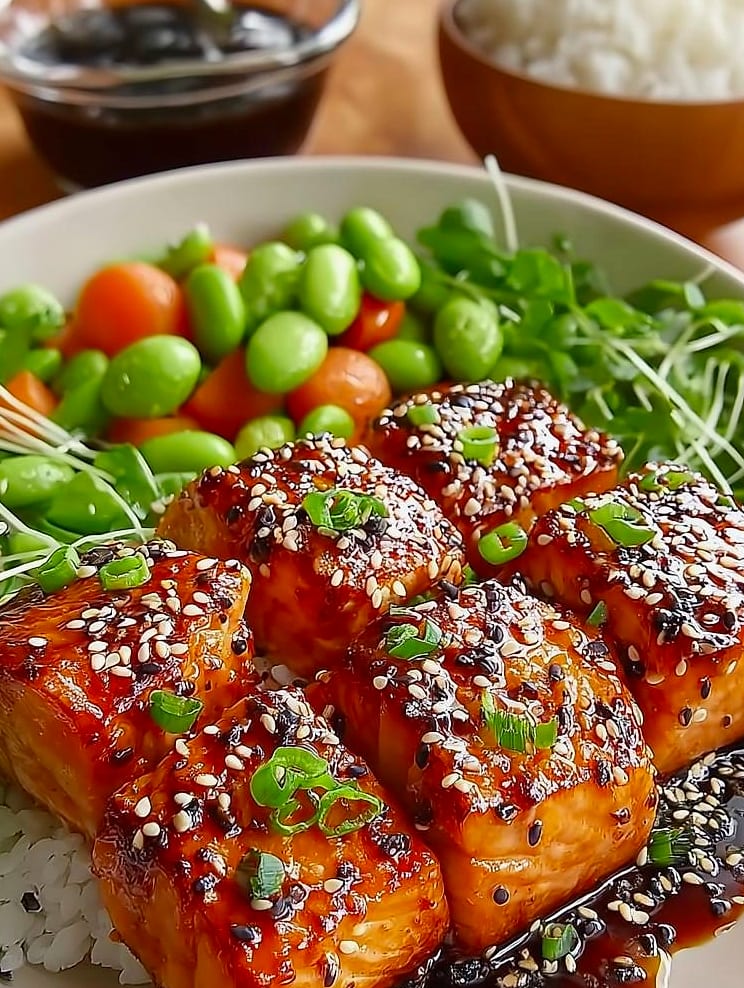
Wrap salmon fillets in parchment paper with lemon, dill, and a pat of butter. Place in slow cooker for 1-2 hours on low. You get perfectly cooked, flaky salmon with about 34 grams of protein per fillet.
It’s elegant enough for guests but easy enough for a random Wednesday. I serve this with baked salmon with herbed quinoa for serious omega-3 goals.
Cioppino (Italian Seafood Stew)
Mix of shrimp, white fish, mussels in a tomato-based broth with wine and herbs. Add the seafood in the last hour of cooking. Around 30 grams of protein and it feels fancy even though you’re eating out of your slow cooker.
This is my “impress someone without actually being impressive” recipe. Serve with crusty bread for dipping.
Related Recipes You’ll Love
Looking for more protein-packed ideas to round out your meal plan? Here are some recipes that work perfectly alongside these slow cooker meals:
Complete Breakfast Options:
- High-protein overnight oats – prep once, eat all week
- Spinach feta egg muffins – portable protein bombs
- Turkey breakfast sausage patties – lean and satisfying
Quick Lunch Solutions:
- Tuna white bean salad lettuce cups – light but filling
- Grilled chicken shawarma salad – restaurant flavors at home
- Chickpea tuna salad wrap – plant-based protein boost
Meal Prep Essentials:
- High-protein meal prep lunches – 15 ideas to rotate through
Making Slow Cooker Meals Work for Your Schedule
The biggest mistake people make with slow cookers is not planning around their actual schedule. If you’re gone for 10 hours, don’t make a recipe that only needs 6. Either adjust your cook time or use a programmable model that switches to “warm” automatically.
Morning prep doesn’t have to be complicated. I dump ingredients in the night before, store the whole ceramic insert in the fridge, then just pop it in the base and turn it on before I leave. Saves precious morning brain cells for more important things, like finding matching socks.
Liner bags are controversial in the slow cooker community (yes, that’s a thing), but they make cleanup stupid-easy. Just lift out the bag, toss it, and you’re done. I’m not above convenience when it means I’ll actually use the thing. These slow cooker liners are worth every penny on busy weeks.
Maximizing Protein in Slow Cooker Recipes
Not all slow cooker recipes are created equal when it comes to protein. You can bump up the numbers by making smart swaps and additions. Greek yogurt instead of sour cream adds 15-20 grams per cup. Nutritional yeast stirred into soups and stews adds both protein and a cheesy flavor.
Quinoa is technically a complete protein, and it cooks well in slow cookers if you add it in the last hour. Toss in a cup of quinoa to soups or stews for an extra 8 grams per serving. Same deal with high-protein pasta alternatives—chickpea or lentil pasta holds up decently if you’re careful about timing.
Research on protein intake suggests that distributing protein throughout the day may be more beneficial for muscle maintenance than consuming it all at once, which is where meal prepping these slow cooker recipes really shines. You’ve got ready-to-go protein at every meal without the last-minute scramble.
Don’t sleep on bone broth as your cooking liquid. It adds collagen and amino acids, plus it makes everything taste richer. The difference between a recipe made with water versus one made with quality bone broth is night and day.
Texture and Flavor Tips Nobody Tells You
Slow cookers are forgiving, but they’re not magic. Some things just don’t work well. Pasta turns to mush unless you add it at the very end. Dairy can separate if cooked too long—add cream or cheese in the last 30 minutes for best results.
Browning meat before it goes in the slow cooker is optional but makes a huge difference in flavor. Yes, it adds a step. Yes, it’s worth it. That caramelization adds depth you can’t get from just dumping raw meat in with sauce.
Layer your ingredients strategically. Root vegetables on the bottom (they take longest), meat in the middle, delicate vegetables and dairy on top or added later. This isn’t rocket science, but it prevents mushy vegetables and dry meat.
Storage and Reheating Without Ruining Everything
Most slow cooker recipes taste better the next day after flavors have married. That’s not just something people say to feel better about leftovers—it’s actually true. The proteins absorb the seasonings, everything melds together. Day-three chili is superior to day-one chili. This is a fact.
Freeze in individual portions using freezer-safe containers or bags. Lay bags flat in the freezer so they stack like delicious protein-packed books. Thaw overnight in the fridge, reheat gently on the stove or in the microwave. These glass meal prep containers go from freezer to microwave without any drama.
Add fresh herbs, a squeeze of citrus, or a drizzle of good olive oil when reheating. It brightens everything up and makes leftovers feel less leftover-y. Nobody wants sad, tired food just because it’s Tuesday’s lunch.
For even more structured meal planning ideas, check out these high-protein Mediterranean meal plans or this 7-day calorie deficit meal plan that incorporates similar batch-cooking strategies.
Budget-Friendly Protein Sources for Slow Cooking
Chicken thighs cost less than breasts and have more flavor. They also don’t dry out, which means you can’t really overcook them in a slow cooker. Win-win. Buy them in bulk, freeze in portions, and pull out what you need.
Dried beans are absurdly cheap compared to canned, and they work perfectly in slow cookers. A pound of dried chickpeas costs maybe two bucks and yields about seven cups cooked. That’s enough protein for multiple meals. Just remember to actually soak them or add extra cooking time.
Pork shoulder goes on sale regularly and makes enough pulled pork for an army. Or just you, eating it all week in various forms. No judgment here. Ground turkey is usually cheaper than ground beef and works in most of the same recipes with minor adjustments.
Buy a whole chicken when they’re on sale, use what you need for slow cooker recipes, then make bone broth from the carcass. Maximum efficiency, minimal waste, and your kitchen shears will get a workout.
The Protein-Per-Dollar Sweet Spot
IMO, eggs are still the protein MVP if we’re talking pure cost-effectiveness, but slow cooker proteins are a close second when you factor in convenience. A $12 pork shoulder can yield 10-12 servings at 35+ grams of protein each. That’s roughly $1 per serving for your protein source.
Canned beans are more expensive than dried but still incredibly cheap—like 90 cents a can for 20 grams of protein. If you’re not ready to commit to dried bean life, canned works just fine. Rinse them first to reduce sodium.
Sales and bulk buying are your friends here. Stock up on meat when it’s discounted, portion it out, freeze it. Your future self (and your wallet) will be very pleased when you have protein options already paid for and portioned.
Common Slow Cooker Mistakes That Ruin High-Protein Meals
Opening the lid constantly to “check on things” adds 15-20 minutes to your cook time every single time. Your slow cooker is not a car—you don’t need to kick the tires. Trust the process, keep the lid on, let it do its thing.
Overfilling leads to uneven cooking and potential food safety issues. Fill your slow cooker between half and two-thirds full for best results. I learned this the hard way when half a pot of chili decided to migrate onto my counter.
Using too much liquid is the rookie mistake. Slow cookers trap moisture, so you need way less liquid than stovetop or oven recipes. Start with less—you can always add more, but you can’t remove it once it’s in there.
Not accounting for size differences matters. A recipe developed for a 6-quart slow cooker won’t work the same in a 3-quart. Adjust your quantities or cooking times accordingly. This 4-quart version is perfect for smaller households.
When Slow Cookers Aren’t the Answer
Let’s be real—some proteins just don’t belong in a slow cooker. Lean fish falls apart into nothing. Shrimp turns rubbery unless you time it perfectly. Lean cuts of beef become shoe leather. Save your grass-fed filet mignon for other cooking methods.
Quick-cooking grains like white rice turn to paste. If a recipe calls for rice, use converted or parboiled rice, or add regular rice in the last 30 minutes. Better yet, cook it separately and serve the slow-cooked protein over fresh rice.
Delicate vegetables like asparagus or fresh spinach need maybe 30 minutes max. Add them at the end or they’ll become unidentifiable green mush. Learned that one the hard way with what was supposed to be a beautiful vegetable stew.
Final Thoughts on High-Protein Slow Cooking
The beauty of slow cooker meals isn’t just the convenience—it’s the consistency. You can nail these recipes half-asleep at 6 AM and still come home to something edible. Probably even delicious. That’s powerful when you’re trying to eat more protein without losing your mind.
These twenty recipes give you a solid rotation to prevent food boredom while hitting your protein goals. Mix them up, adapt them to what you have on hand, and don’t stress about perfection. The whole point is making your life easier while eating better.
Your slow cooker is sitting there, waiting to earn its cabinet space. Pick one of these recipes, set aside five minutes tomorrow morning, and let that ceramic pot do the heavy lifting. Future you, arriving home to dinner that’s already done, will be incredibly grateful. And probably hungry.