
18 High-Protein Vegetarian Breakfast Ideas (No Meat, All Flavor!)
The assumption that vegetarian breakfasts can’t pack enough protein is honestly outdated. I’ve been eating mostly plant-based breakfasts for over a year now, and I’m consistently hitting 25-30 grams of protein without even trying that hard. No mystery powders, no sad tofu situations, just real food that actually tastes good.
Here’s what nobody tells you about vegetarian protein breakfasts: they’re way more interesting than the meat-heavy versions. You’re forced to get creative with grains, legumes, dairy, eggs, nuts, and seeds. The result? Breakfasts with more flavor, better texture variety, and honestly, better staying power.
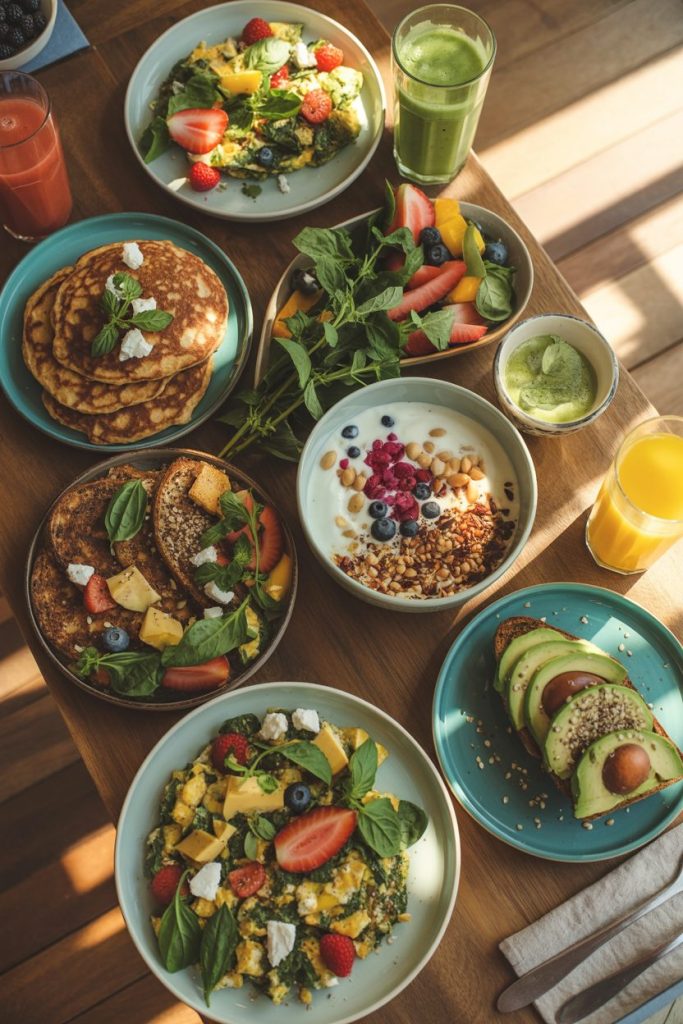
These 18 ideas prove you don’t need bacon or sausage to start your day with serious protein. Some use eggs and dairy, others are completely plant-based. All of them deliver the goods without making you feel like you’re eating cardboard in the name of health.
Why Vegetarian Protein Actually Works Better at Breakfast
Most meat-based breakfast proteins are heavy and take forever to digest. You know that post-bacon sluggishness? That’s your body working overtime to process all that saturated fat. Vegetarian proteins tend to be lighter but equally filling, thanks to the fiber that comes packaged with plant-based options.
Eggs digest easily and provide complete protein with all nine essential amino acids. Legumes bring both protein and fiber, which means sustained energy without the crash. Greek yogurt delivers protein plus probiotics for gut health. Nuts and seeds add healthy fats along with their protein punch.
The fiber component is key here. According to research from Healthline, fiber slows digestion and helps stabilize blood sugar. That means you’re not just getting protein—you’re getting sustained, even energy that carries you through the morning without that 10 AM hunger crash.
The Egg-Based Winners
Image Prompt: Cozy kitchen scene with three different egg-based vegetarian dishes on colorful ceramic plates—a veggie-loaded omelet with fresh herbs, spinach and feta scramble, and egg muffins in a muffin tin. Soft morning light from a nearby window. Fresh produce and herbs visible in the background. Warm, inviting color palette with yellows, greens, and earth tones. Home kitchen aesthetic.
1. Classic Veggie Omelet with Everything
Eggs, spinach, mushrooms, tomatoes, onions, bell peppers, feta cheese. This delivers about 20-25 grams of protein and uses up whatever vegetables are living their last days in your fridge.
The key to a perfect omelet is lower heat than you think. Medium-low, patience, and don’t flip it too early. I use this nonstick omelet pan because life’s too short to deal with stuck eggs. This classic veggie omelet is my default when I can’t decide what to eat.
2. Spinach Feta Egg Muffins
Whisk eggs with sautéed spinach, crumbled feta, diced tomatoes, pour into muffin tins, bake. Each muffin has about 6-8 grams of protein, and you can grab two or three on your way out the door.
These reheat perfectly, freeze well, and you can customize the mix-ins endlessly. I make a batch every Sunday and never regret it. These spinach feta egg muffins have saved me from skipping breakfast more times than I can count.
3. Mediterranean Veggie Scramble
Scrambled eggs with cherry tomatoes, Kalamata olives, red onion, fresh oregano, crumbled feta. About 18-20 grams of protein and tastes like you’re eating breakfast at a Greek island café instead of your kitchen.
The olives add this briny, salty kick that makes regular scrambled eggs seem boring by comparison. Serve with whole grain toast for dipping into that runny yolk situation. Try this savory Mediterranean scramble when you want breakfast to feel like a vacation.
4. Eggs with Avocado and Sautéed Veggies
Fried or scrambled eggs, half an avocado, whatever vegetables you sauté in olive oil—zucchini, peppers, onions work great. Around 18-22 grams of protein plus all those healthy fats from the avocado.
This is my go-to when I want something substantial but not heavy. The veggies add volume and nutrients without adding many calories. The avocado makes everything creamy and satisfying. Check out eggs, avocado, and sautéed veggies for the full breakdown.
5. Shakshuka (Eggs in Spicy Tomato Sauce)
Eggs poached in a spiced tomato sauce with bell peppers, onions, garlic, cumin, paprika. About 15-18 grams of protein per serving and enough flavor to wake up your taste buds and your brain simultaneously.
Serve with crusty bread for soaking up that incredible sauce. It looks impressive but takes maybe 20 minutes total. This shakshuka with eggs in spicy tomato sauce is weekend breakfast goals.
The Greek Yogurt Situations
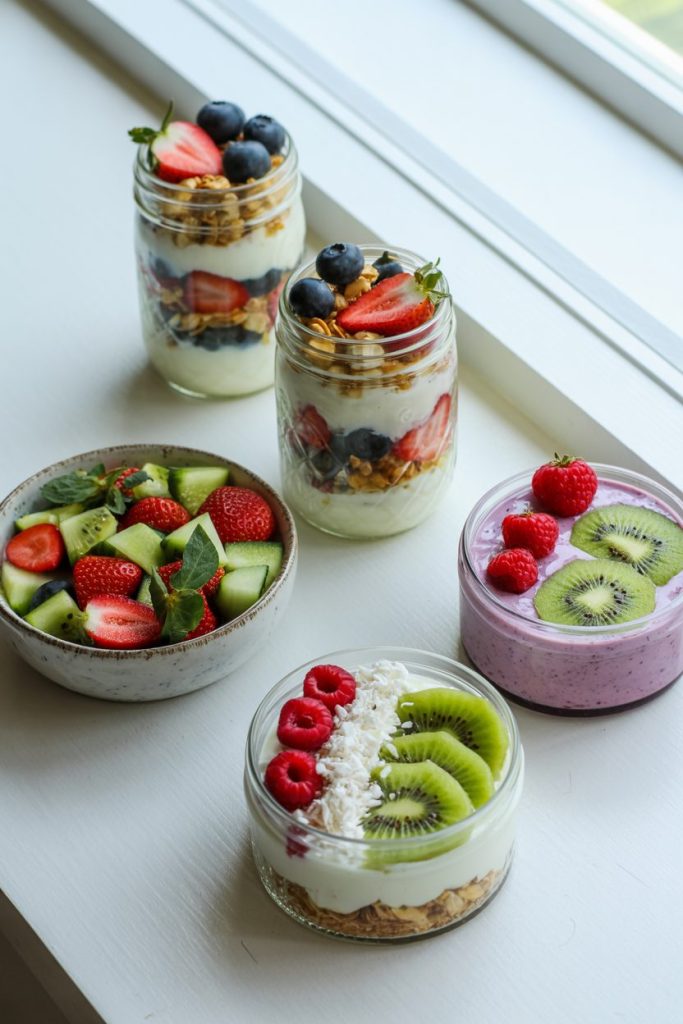
6. Greek Yogurt Parfait Done Right
Plain Greek yogurt, fresh berries, homemade granola (store-bought works too), drizzle of honey, hemp seeds or chia seeds sprinkled on top. Easily 20-25 grams of protein depending on your yogurt portion.
Skip the flavored yogurt—it’s basically sugar in disguise. Plain Greek yogurt with real fruit gives you control over the sweetness and tastes way better. This Greek yogurt parfait is proof that simple doesn’t mean boring.
7. Savory Greek Yogurt Bowl
Plain Greek yogurt as the base, topped with cucumber, cherry tomatoes, Kalamata olives, chickpeas, olive oil, za’atar, fresh dill. About 18-22 grams of protein and tastes like a Mediterranean mezze plate in a bowl.
I thought savory yogurt was weird until I tried it. Now I crave it. The tangy yogurt with crunchy vegetables and briny olives is ridiculously satisfying without any sugar crash.
8. Protein Smoothie Bowl
Blend Greek yogurt with frozen berries, protein powder, splash of almond milk until thick. Pour into a bowl, top with granola, sliced banana, chia seeds, almond butter drizzle. Around 30-35 grams of protein and feels like eating ice cream for breakfast.
The trick is using way more frozen fruit than liquid so it’s thick enough to eat with a spoon. If you can drink it through a straw, you’ve added too much liquid.
The Tofu and Tempeh Game-Changers
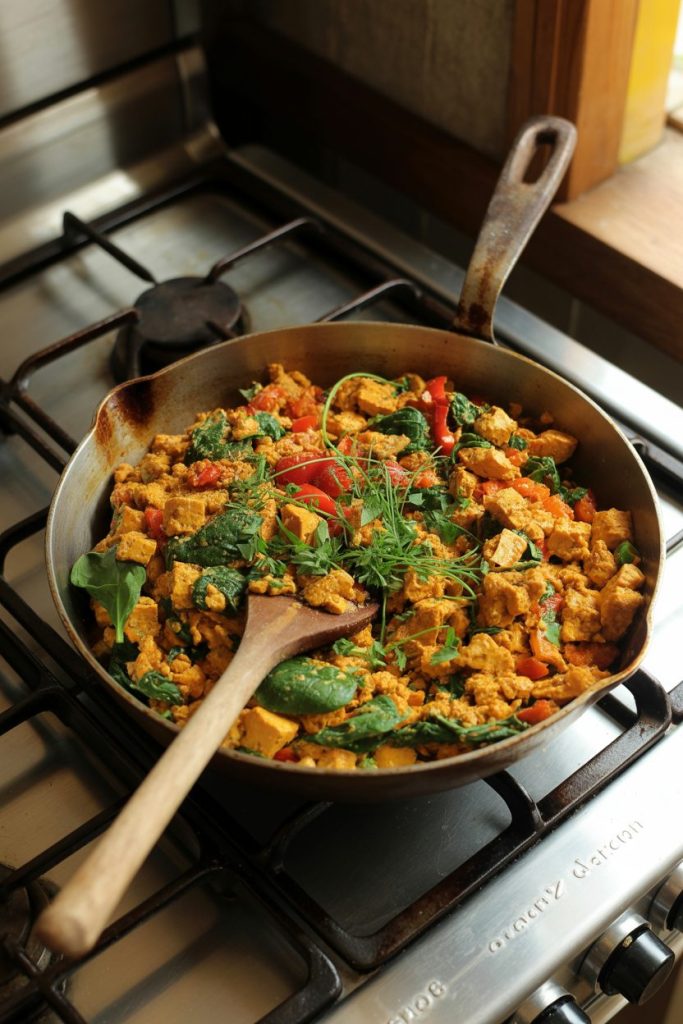
Image Prompt: Rustic skillet shot of tofu scramble with colorful vegetables in a cast iron pan on a stovetop. Vibrant yellow turmeric-colored tofu mixed with red peppers, green spinach, and diced tomatoes. Fresh herbs scattered on top. Wooden spoon in frame. Natural kitchen lighting with warm tones. Casual, homestyle cooking aesthetic.
9. Tofu Scramble with Veggies
Crumbled firm tofu sautéed with turmeric (for color), nutritional yeast (for cheesy flavor), spinach, bell peppers, onions, garlic. About 20-25 grams of plant-based protein and you honestly can’t tell it’s not scrambled eggs once it’s seasoned properly.
The turmeric gives it that yellow egg-like appearance, and nutritional yeast adds this savory, almost cheesy flavor that makes it taste way better than plain tofu has any right to taste. This tofu scramble with spinach and bell peppers converts tofu skeptics.
10. Tempeh Bacon Breakfast Plate
Marinate sliced tempeh in soy sauce, maple syrup, smoked paprika, liquid smoke. Pan-fry until crispy. Serve with scrambled eggs or avocado toast. The tempeh alone brings about 15-20 grams of protein, plus it’s fermented so you get probiotic benefits.
Tempeh has this nutty, slightly mushroom-y flavor that works surprisingly well as a bacon substitute. It’s got more texture than tofu and holds up better when you pan-fry it. The marinade is everything—don’t skip it.
The Grain-Based Protein Bowls
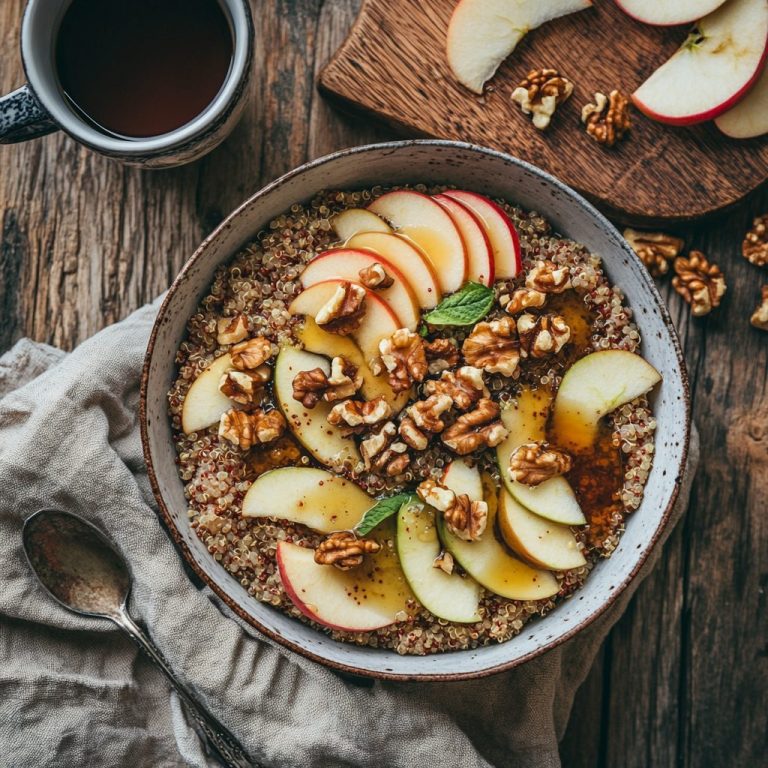
11. Quinoa Breakfast Bowl with Apples and Walnuts
Cooked quinoa, diced apples, toasted walnuts, cinnamon, drizzle of maple syrup, dollop of Greek yogurt on top. About 18-22 grams of protein and tastes like apple pie for breakfast minus the guilt.
Quinoa is a complete plant-based protein with all essential amino acids. Cook a big batch on Sunday and use it all week. Toast the walnuts—it makes a huge difference in flavor. This quinoa breakfast bowl is fall vibes in a bowl.
12. Savory Oatmeal with Egg and Greens
Cook oats with vegetable broth instead of water, stir in sautéed kale or spinach, top with a fried egg, sprinkle with everything bagel seasoning. Around 18-20 grams of protein and completely changes your perception of what oatmeal can be.
Sweet oatmeal is fine, but savory oatmeal is next level. The runny egg yolk mixing with the creamy oats creates this sauce situation that’s borderline addictive. Try oatmeal with dried figs, walnuts, and cinnamon for a sweet version that’s equally satisfying.
13. Sweet Potato Hash with Black Beans
Diced sweet potatoes pan-fried until crispy, black beans, bell peppers, onions, cumin, chili powder. Top with a fried egg or avocado. About 20-25 grams of protein and tastes way more indulgent than it actually is.
Sweet potatoes provide complex carbs and fiber, black beans bring the protein and more fiber, and the combination keeps you full for hours. I use this cast iron skillet for maximum crispiness. This sweet potato hash with black beans and avocado is brunch-worthy.
The Overnight and Make-Ahead Options
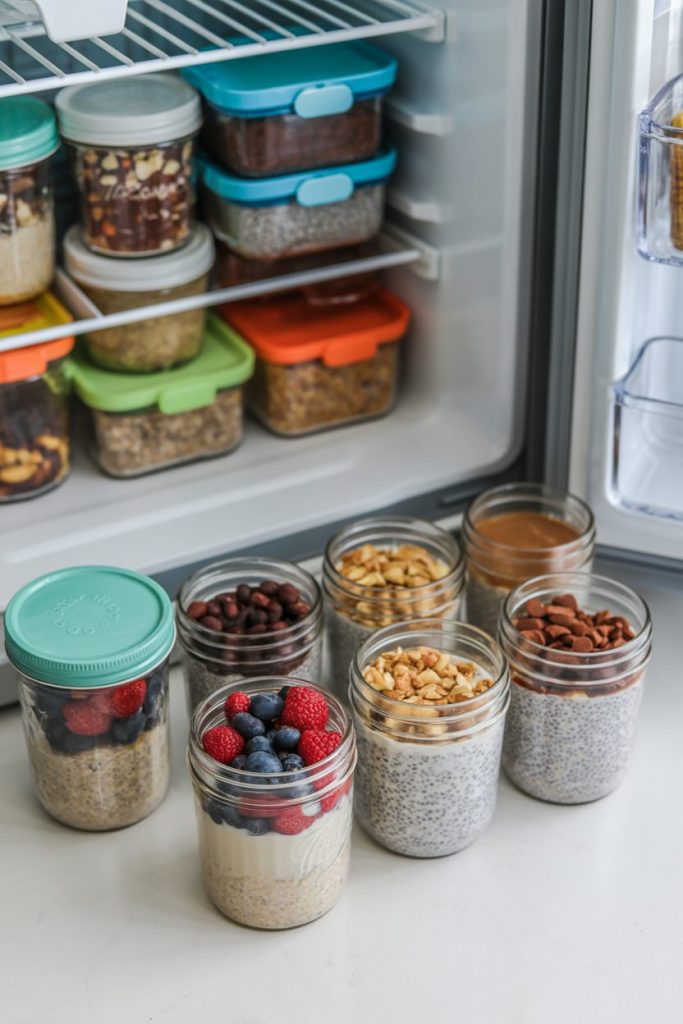
14. Protein-Packed Overnight Oats
Rolled oats, protein powder, chia seeds, almond milk, Greek yogurt, whatever mix-ins you want—berries, peanut butter, cocoa powder. Easily 25-30 grams of protein and zero morning effort required.
Mix everything in a jar the night before, grab it from the fridge in the morning. The oats soften overnight into this creamy, pudding-like texture. FYI, the protein powder makes a huge difference in keeping you full. Try peanut butter banana overnight oats or go wild with mocha protein overnight oats.
15. Chia Pudding with Almond Milk and Fruit
Chia seeds, almond milk, protein powder, vanilla extract, let it sit overnight. Top with fresh fruit, nuts, coconut flakes, drizzle of almond butter. About 20-25 grams of protein and the chia seeds give you omega-3s and fiber.
Chia seeds absorb liquid and create this gel-like pudding texture. Some people love it, some find it weird—I’m firmly in the love-it camp. The key is getting the ratio right: 3 tablespoons chia seeds to 1 cup liquid. This chia pudding with almond milk and fresh fruit is my lazy Sunday breakfast.
16. Mediterranean Veggie Casserole
Eggs, roasted vegetables (zucchini, bell peppers, tomatoes, eggplant), feta cheese, oregano, baked in a casserole dish. Each serving has about 15-18 grams of protein, and you can meal prep it for the entire week.
Roast the vegetables the night before to save time. This reheats beautifully and actually tastes better the next day after the flavors have melded. This Mediterranean veggie casserole is proof that meal prep doesn’t have to be boring.
The Quick Toast and Wrap Situations
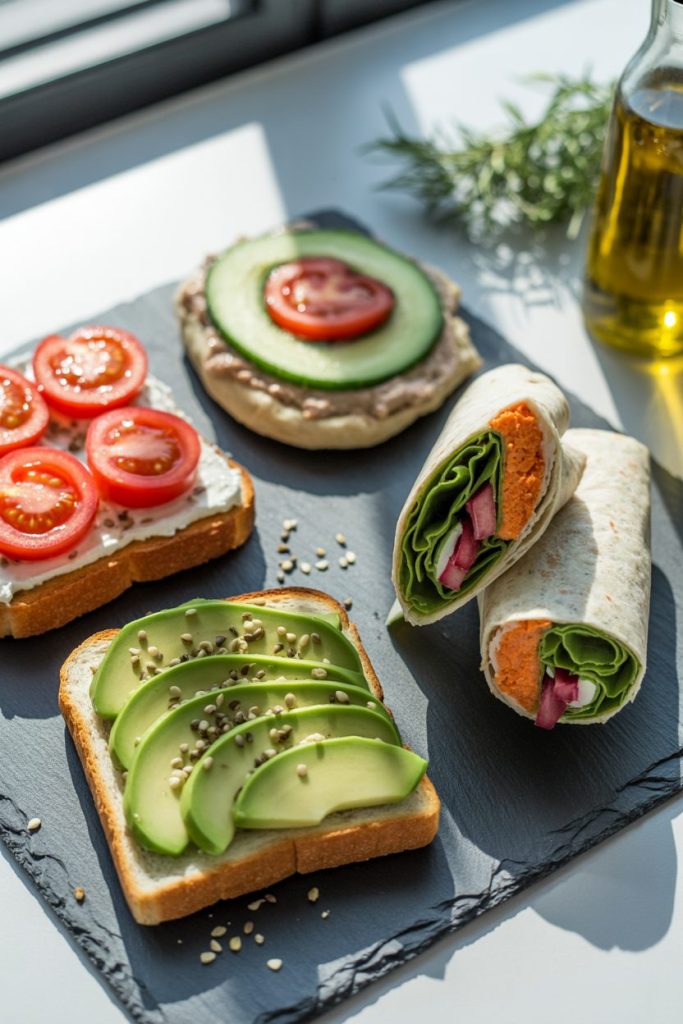
17. Avocado Toast with Cherry Tomatoes and Hemp Seeds
Whole grain toast, mashed avocado, halved cherry tomatoes, hemp seeds, everything bagel seasoning, squeeze of lemon. About 12-15 grams of protein from the bread, avocado, and hemp seeds combined.
Hemp seeds are an underrated protein source—three tablespoons pack about 10 grams of complete plant-based protein. They add this nutty crunch that makes regular avocado toast seem incomplete. Try avocado toast with cherry tomatoes and hemp seeds for the exact ratios.
18. Whole Grain Toast with Nut Butter and Banana
Two slices whole grain bread, almond or peanut butter, sliced banana, chia seeds, drizzle of honey, cinnamon. Around 15-18 grams of protein depending on how generous you are with the nut butter.
The debate of peanut butter versus almond butter rages on. Peanut butter has slightly more protein (about 8g per 2 tablespoons vs 7g for almond butter), but almond butter brings more vitamin E and magnesium. Honestly, both work. Just pick whichever tastes better to you. This whole grain toast with nut butter and sliced fruit is childhood nostalgia that actually fuels you.
Making Vegetarian Protein Breakfasts Work IRL
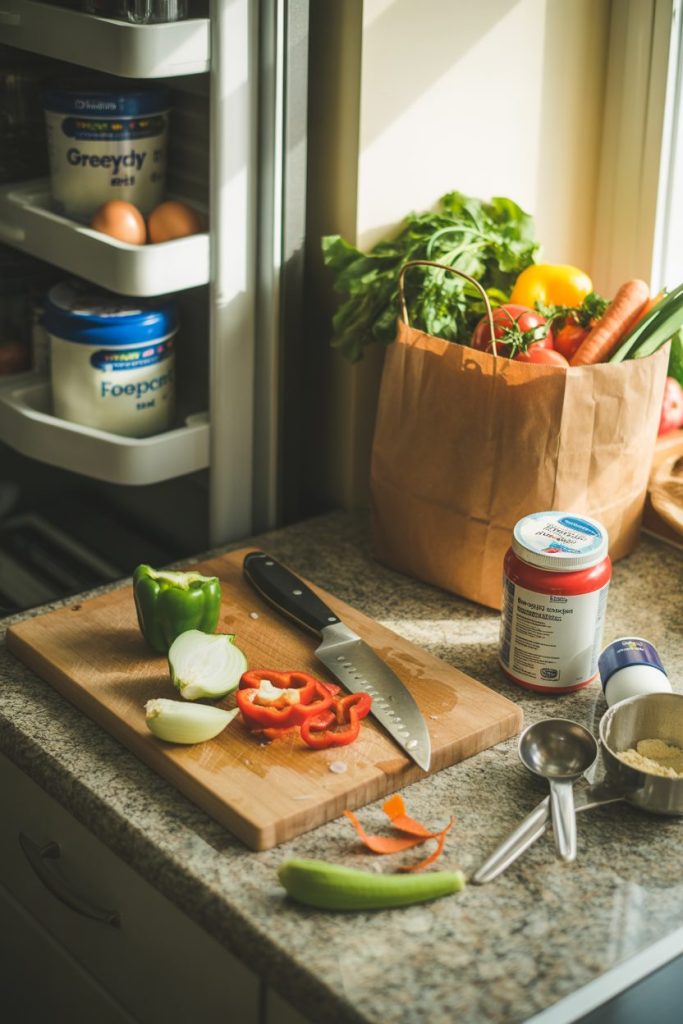
The biggest obstacle to high-protein vegetarian breakfasts isn’t the lack of options—it’s having the right ingredients on hand. When your fridge is stocked with eggs, Greek yogurt, tofu, tempeh, various nuts and seeds, whole grains, and fresh vegetables, throwing together a protein-packed breakfast becomes almost automatic.
Stock your pantry with these staples and you’ll never have an excuse:
- Eggs (obviously)
- Plain Greek yogurt
- Firm tofu and tempeh
- Quinoa, oats, and other whole grains
- Canned or dried beans and lentils
- Nut butters (peanut, almond, cashew)
- Various nuts and seeds (almonds, walnuts, hemp seeds, chia seeds, pumpkin seeds)
- Protein powder (pick a good one—it matters)
- Nutritional yeast for cheesy flavor without cheese
Meal prep is your friend here. Cook grains in bulk on Sunday. Prep your egg muffins or casseroles. Chop vegetables ahead of time. When the components are ready, assembly takes five minutes max.
Why This Actually Matters
Eating vegetarian doesn’t mean sacrificing protein or settling for sad, unsatisfying breakfasts. These 18 options prove you can get 18-35 grams of protein per meal using eggs, dairy, legumes, whole grains, nuts, and seeds—all while eating food that actually tastes good.
The variety here is the point. You’re not stuck eating the same Greek yogurt parfait every single day. You’ve got savory options, sweet options, quick options, meal-prep options, and everything in between. Vegetarian protein sources often come packaged with fiber, vitamins, minerals, and antioxidants that animal proteins don’t provide, according to the Mayo Clinic.
Start with one or two of these that sound appealing. Get comfortable making them. Then branch out and try something new. Before you know it, you’ll have a solid rotation of high-protein vegetarian breakfasts that you actually look forward to eating—no sad protein shakes required.