
Printable Low Oxalate Food Chart – Eat, Limit, Avoid Guide
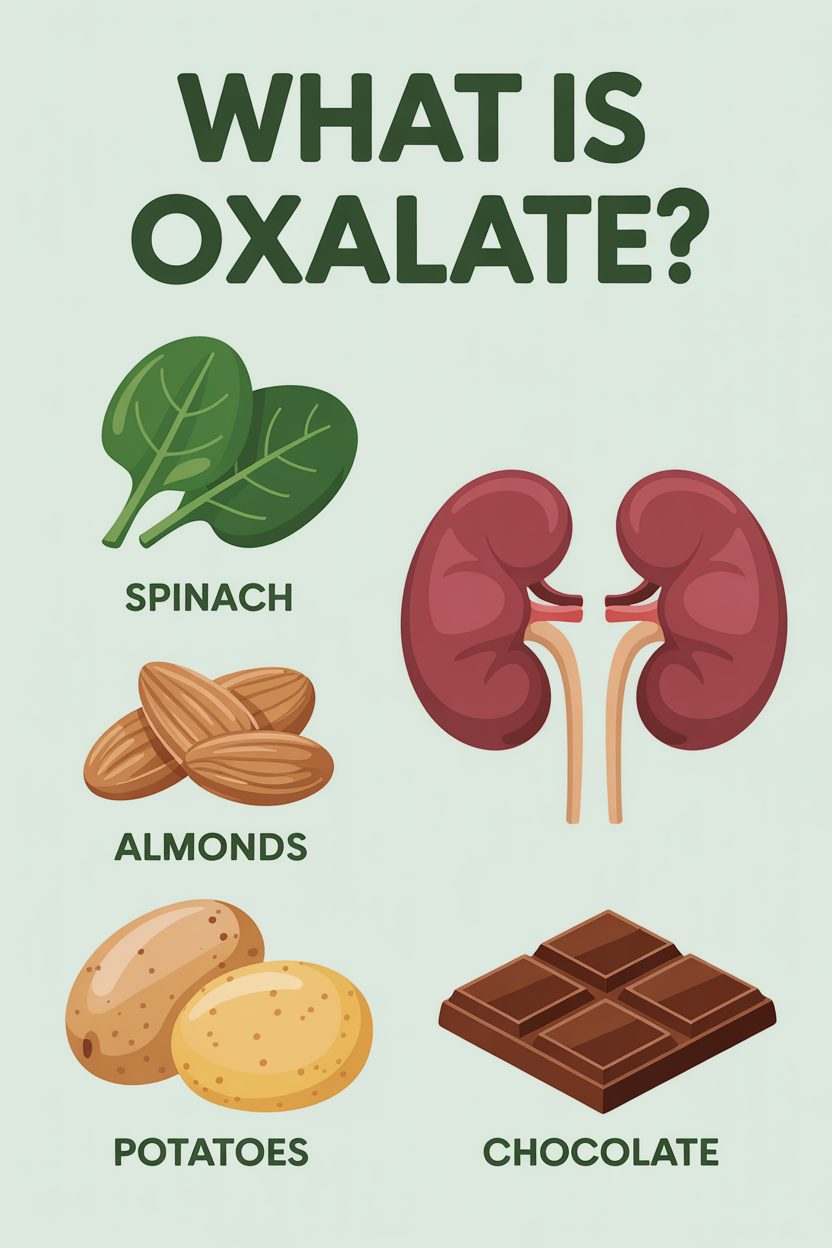
If you’ve ever Googled “why do I keep getting kidney stones?” you’ve probably stumbled across the word oxalate. It sounds like something out of a high school chemistry lab, but really, it’s a natural compound found in a bunch of everyday foods — spinach, almonds, potatoes, even dark chocolate (yes, sadly). For some people, eating too many high-oxalate foods can increase the risk of kidney stones.
The good news? You don’t have to give up flavor or live on boiled chicken. With a little know-how — and yes, a printable low oxalate food chart you can stick on your fridge — you’ll be able to eat well, avoid the pain, and still enjoy your meals.
What Is Oxalate, and Why Should You Care?
Oxalates are compounds that bind to calcium in your body. When too much oxalate builds up, calcium oxalate crystals can form — and that’s where kidney stones come in. Not fun.
But here’s the kicker: not everyone needs to avoid oxalates. If you’ve had kidney stones in the past, or your doctor told you to watch them, this guide is your new BFF. If not? You may not need to worry.
✅ For a trustworthy, easy-to-digest breakdown, the National Kidney Foundation has a clear explanation of oxalates and kidney health.
The Low Oxalate Food Chart (Eat, Limit, Avoid)
Here’s the breakdown you came for:
- Eat Freely (Low-Oxalate Foods): These are your safe-zone foods. Think whole grains, most fruits, dairy, lean proteins, and low-ox veggies.
- Limit (Moderate-Oxalate Foods): Okay in small portions, but don’t go wild.
- Avoid (High-Oxalate Foods): If kidney stones are an issue, keep these off your regular rotation.
This chart is printable (scroll down for the free download), but let’s walk through the categories first so you actually know what’s what.
Eat Freely: Low-Oxalate Foods That Love You Back
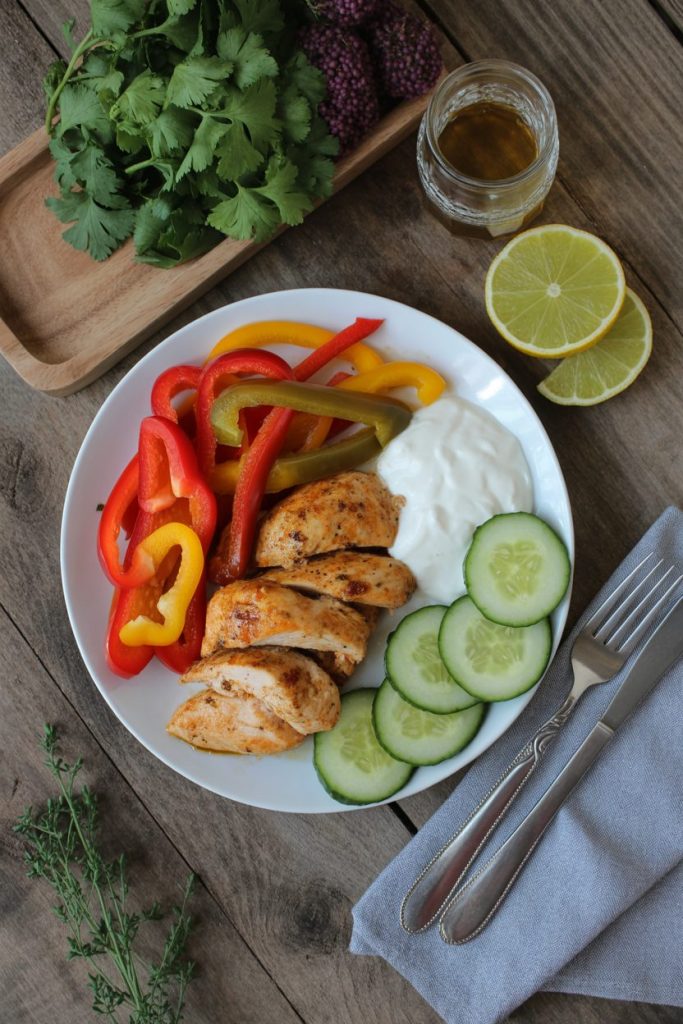
This is the fun part: foods that you can eat generously without stressing about oxalate overload.
- Dairy & Yogurt: Plain Greek yogurt (try this Greek Yogurt Parfait or a Greek Yogurt Bowl with Berries & Honey) is not only low in oxalates but also gives you calcium, which actually helps reduce oxalate absorption.
- Fruits: Apples, grapes, pears, melons, and bananas are all low-oxalate. A Berry Green Smoothie is a refreshing way to stay safe and energized.
- Veggies: Cauliflower, cucumbers, zucchini, mushrooms, and bell peppers are all safe. Something like Stuffed Bell Peppers with Quinoa & Veggies checks both nutrition and taste boxes.
- Proteins: Eggs, chicken, turkey, beef, and most fish. Lemon Herb Chicken with Roasted Potatoes is a solid low-ox option.
Pro tip: Pairing these foods with plenty of water is your secret weapon against kidney stones. Think of water as your body’s “flush system.”
Foods to Limit: The Gray Zone
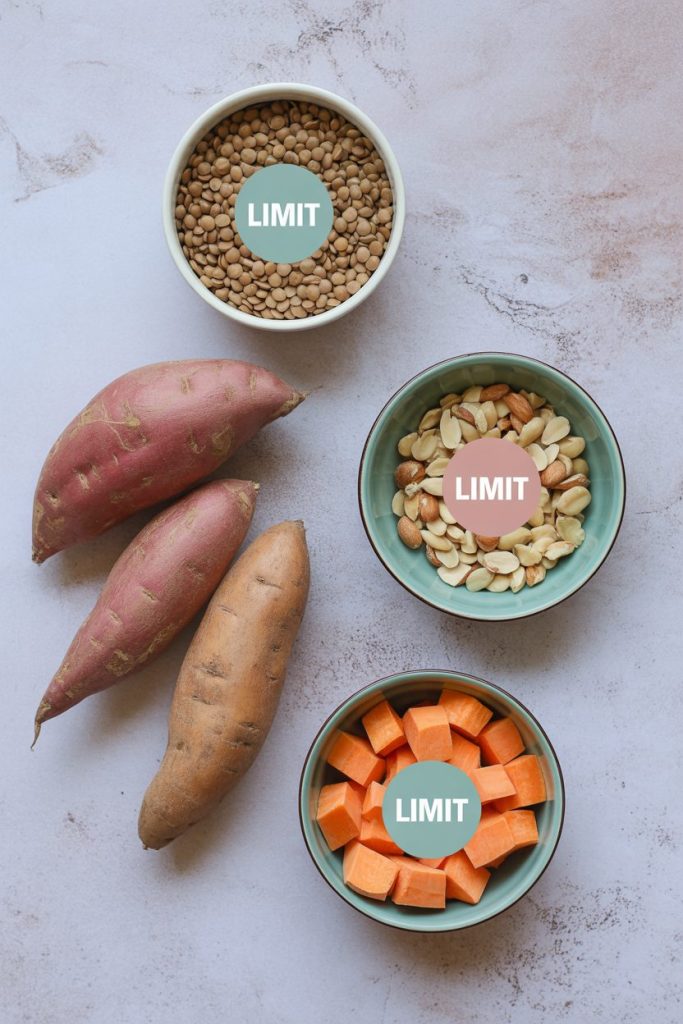
Moderate-oxalate foods aren’t bad, they just need a little portion control. If you love them, keep them in your diet but don’t make them a daily habit.
- Grains: Whole wheat spaghetti (like this Whole Wheat Spaghetti with Cherry Tomatoes & Basil) is moderate, so enjoy it occasionally.
- Legumes: Lentils, black beans, and chickpeas — delicious, nutritious, but in moderation. If you’re craving lentils, balance with recipes like Lentil Soup with Crusty Bread or Mediterranean Lentil Salad.
- Nuts & Seeds: Almonds, peanuts, cashews, and sunflower seeds — yes, they’re healthy, but keep them as small toppings instead of snacks by the handful.
- Veggies: Sweet potatoes, carrots, and celery are fine in smaller servings. Something like Carrot Ginger Soup with Chickpea Croutons works great in rotation.
Quick strategy: If you eat something moderate in oxalates, pair it with a low-oxalate food in the same meal. Example: balance lentils with yogurt or cheese for extra calcium.
Foods to Avoid: The High-Oxalate Trouble Makers
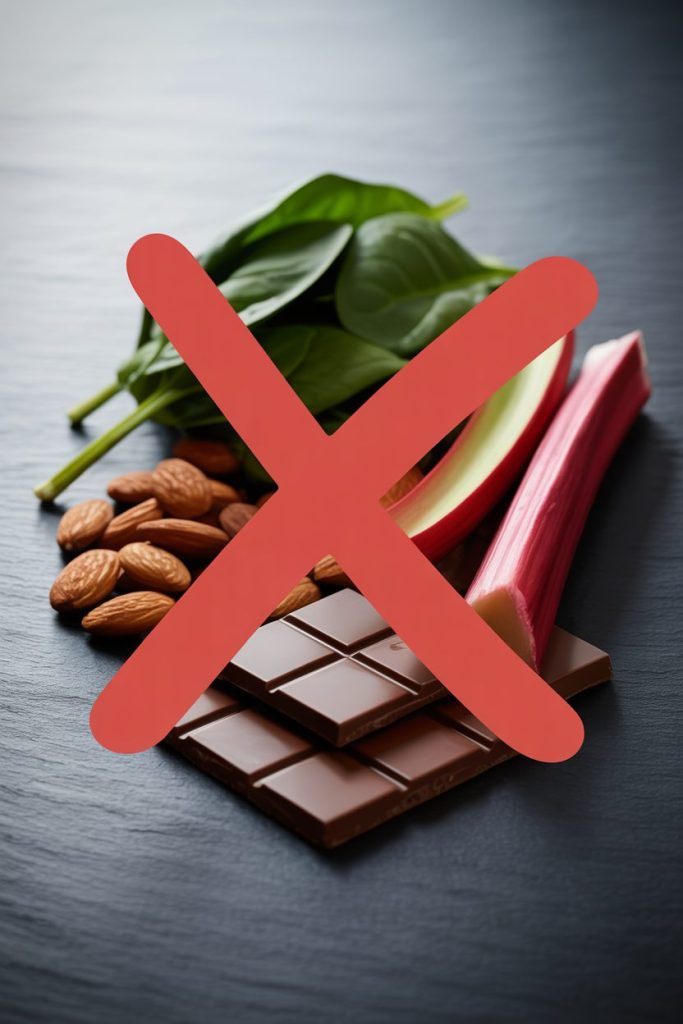
This is the tough-love section. If kidney stones are an issue, these foods should be rare treats (or skipped entirely).
- Dark Leafy Greens: Spinach, beet greens, and Swiss chard are at the top of the high-oxalate list. Yes, that green smoothie trend might not be your best friend.
- Nuts & Nut Butters: Almonds and cashews especially. Swap with seeds like pumpkin or sunflower (in moderation).
- Certain Veggies: Beets, okra, and rhubarb — all oxalate heavyweights.
- Chocolate & Cocoa: Sorry, but dark chocolate is high in oxalates. If you need dessert, opt for low-ox treats like Chia Pudding with Almond Milk & Fresh Fruit.
- Legumes & Grains: Soy products, buckwheat, and some beans (like navy beans) fall in the high category. Instead, go for safer swaps like quinoa — see this Quinoa Breakfast Bowl with Apples & Walnuts.
Mindset tip: Instead of focusing on what you can’t eat, think about building your plate around what you can enjoy freely. Trust me, it makes meal planning way less stressful.
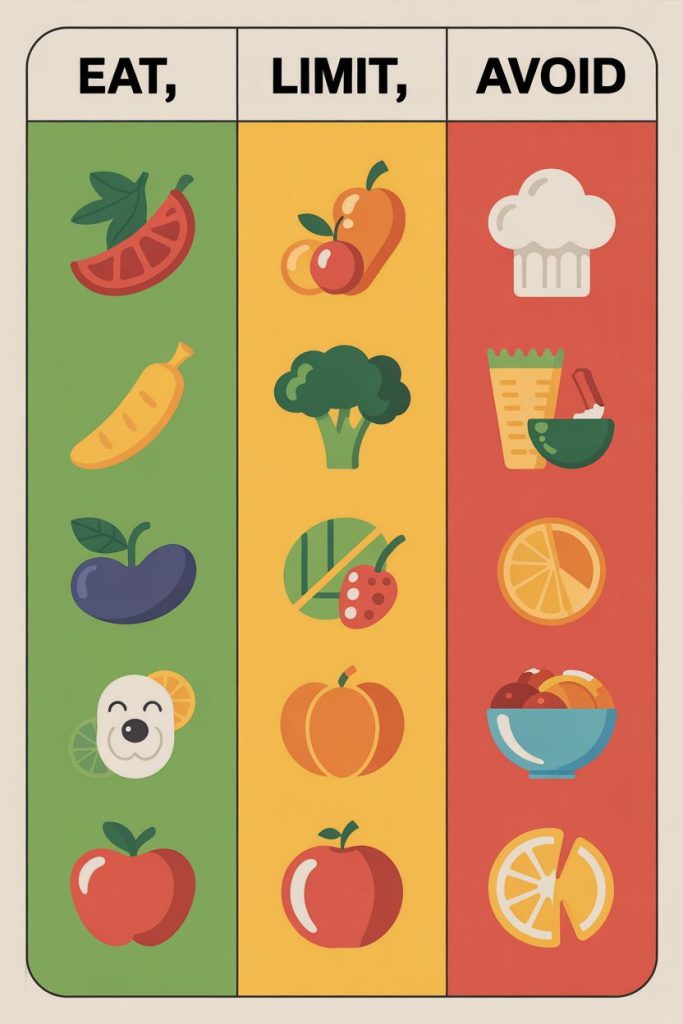
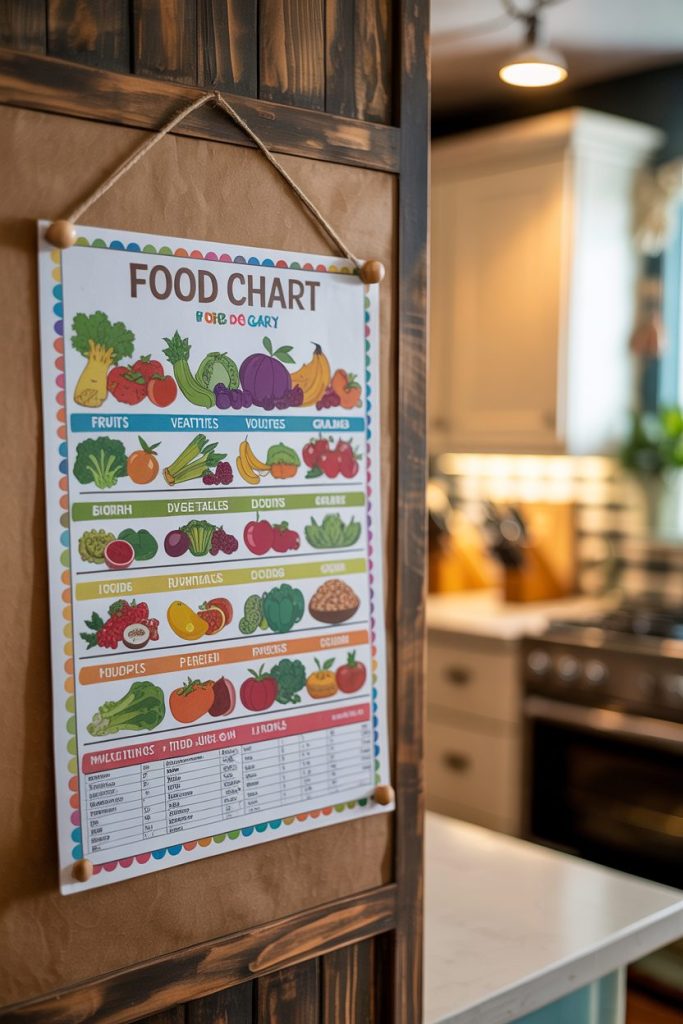
The Printable Low Oxalate Food Chart (Your Kitchen Cheat Sheet)
Here’s the part you’ll want to screenshot, print, or tape inside your pantry door. A simple Eat – Limit – Avoid guide you can glance at anytime:
Eat (Low Oxalate):
- Apples, bananas, melons, grapes
- Cucumbers, mushrooms, cauliflower, zucchini
- Yogurt, milk, cheese, eggs
- Chicken, turkey, fish, beef
Limit (Moderate Oxalate):
- Lentils, black beans, chickpeas
- Sweet potatoes, carrots, celery
- Almonds, cashews, peanuts
- Whole wheat bread, spaghetti
Avoid (High Oxalate):
- Spinach, beets, Swiss chard, okra
- Almond butter, dark chocolate, rhubarb
- Soy products, navy beans, buckwheat
Download the printable PDF chart here: [insert link to downloadable chart]
Practical Low-Oxalate Meal Ideas
So what does this actually look like on your plate? Here are a few kidney-stone-friendly meals (all pulled from our recipe library so you don’t have to overthink dinner):
- Breakfast: Savory Mediterranean Scramble with cucumbers and feta, or Whole Grain Banana Pancakes.
- Lunch: Cucumber Hummus Sandwich or Mediterranean Chickpea Wraps (limit chickpeas if you’re sensitive).
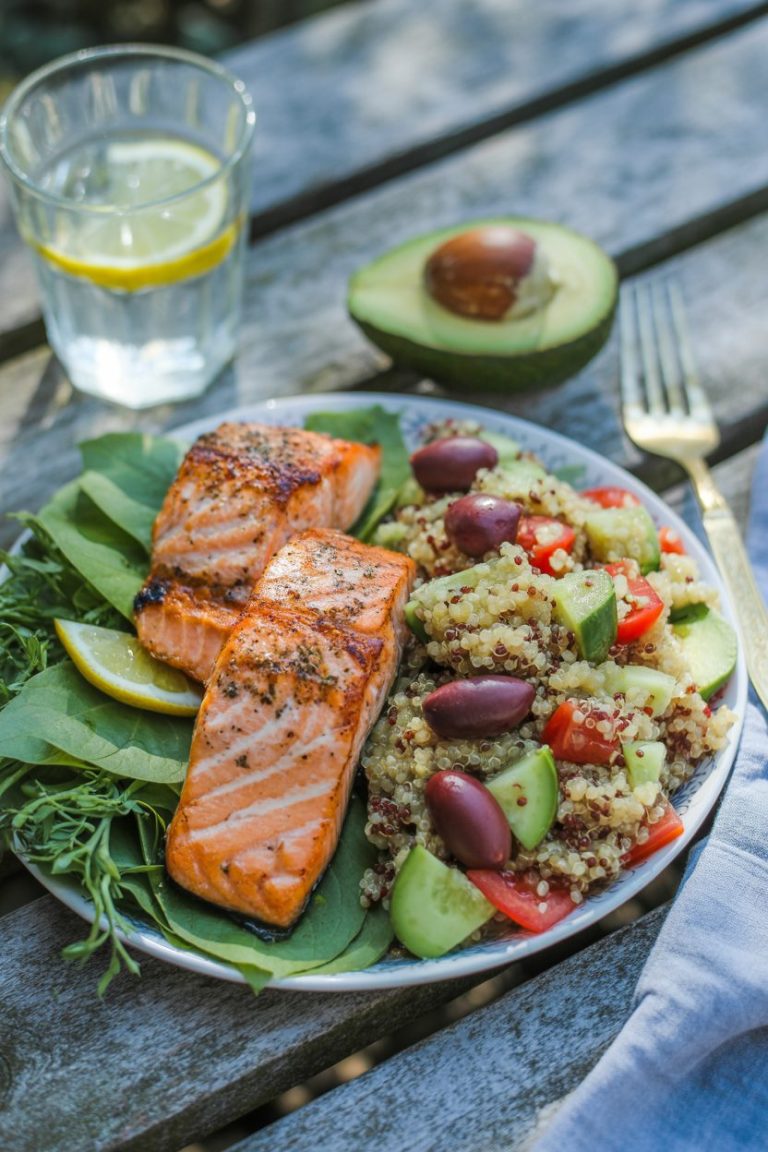
- Dinner: Grilled Salmon with Tomato Caper Relish or Lemon Garlic Grilled Chicken with Couscous.
- Snacks: Whipped Feta Dip with Honey & Thyme with cucumber slices or Greek Salad.
Pair these meals with plenty of water and a squeeze of lemon juice (citrus can help reduce stone risk).

FAQs About a Low-Oxalate Diet
1. Do I need to avoid oxalates completely?
Not usually. Unless your doctor recommends otherwise, moderation plus hydration usually does the trick.
2. Can calcium actually help?
Yes! Calcium binds with oxalates in your gut, which means fewer oxalates make it into your kidneys. That’s why low-fat dairy is often encouraged.
3. What drinks should I choose?
Water is king. Citrus water (like lemon) helps too. Limit tea (especially black tea) because it’s high in oxalates.
4. Are low-oxalate and low-carb diets the same thing?
Nope. They overlap sometimes, but the focus is different. If you’re curious, check out our 7-Day Low-Carb Meal Plan.
5. How fast will my kidney stone risk go down?
It depends on your overall health and diet consistency. Most people see improvement once they hydrate better and cut back on high-oxalate foods.
Final Thoughts: Your Low-Oxalate Lifestyle Made Easy
Living low-oxalate doesn’t mean living boring. With the right swaps (Greek yogurt instead of almond butter, salmon instead of spinach-packed bowls), you’ll still eat food that’s flavorful, filling, and fun.
Remember:
- Drink plenty of water.
- Keep the printable chart handy.
- Build your meals around Eat Freely foods, and treat Limit foods as occasional sides.
If you want inspiration beyond the chart, explore our collection of Mediterranean diet recipes (like this 25 Mediterranean Dinners) that naturally fit into a low-oxalate lifestyle.
Download the Printable Low Oxalate Food Chart and stick it on your fridge. Your kidneys will thank you later.