
30-Day High-Protein Mediterranean Meal Plan for Healthy Living
So you want to commit to a full month of eating better. Not just any better—actually sustainable, actually enjoyable, actually worth sticking to beyond Day 5 when motivation crashes and takeout starts looking real good.
A 30-day high-protein Mediterranean meal plan isn’t about punishment or bland chicken breasts. It’s about building habits that don’t feel like work, eating food that tastes like actual food, and getting enough protein to keep you satisfied without turning into a meal prep robot.
Thirty days gives you enough time to figure out what works, which recipes become go-tos, and how to navigate real life while eating well. By the end, you’ll have a solid rotation of meals and hopefully won’t feel like you’re “on a diet” anymore.

Why 30 Days Actually Matters
Three weeks gets you started. Four weeks makes it stick. Research on habit formation from Healthline suggests that consistent behavior over 21-30 days starts rewiring your brain’s automatic patterns.
You’re not just learning recipes—you’re training yourself to think differently about food. Week one feels like effort. Week three feels normal. Week four? You’re grabbing ingredients without checking the list because you know what you need.
The high-protein angle matters because protein keeps you full longer, supports muscle maintenance, and prevents the energy crashes that send you straight to the vending machine. Mediterranean eating already includes decent protein, but we’re intentionally bumping it up to around 100-120 grams daily to support active lifestyles and actual satiety.
The 30-Day Framework
Here’s how this breaks down: four weeks of structured eating that gradually gets easier as you build momentum.
Week 1 focuses on learning the basics and getting comfortable with Mediterranean staples. Week 2 introduces more variety and batch cooking strategies. Week 3 refines your routine and adds creative variations. Week 4 brings everything together so you can keep going beyond Day 30.
Each week averages 25-35 grams of protein per meal, with strategic snacks adding another 10-20 grams. That puts most people in the sweet spot for muscle maintenance and satiety.
Week 1: Foundation Building
Days 1-3
Breakfast: Greek yogurt bowl with berries and honey. Use full-fat Greek yogurt—the protein and fat keep you satisfied way longer than the low-fat versions. I portion everything with these stackable prep bowls that make morning assembly stupid easy.
Lunch: Tuna white bean salad over mixed greens. Canned tuna gets a bad rap, but it’s cheap, shelf-stable, and packs around 20 grams of protein per can. Mix with white beans, cherry tomatoes, red onion, and a lemon-olive oil dressing.
Dinner: Grilled salmon with tomato caper relish alongside roasted Brussels sprouts. If you’re grilling indoors, a good grill pan with raised ridges gives you those char marks without setting off smoke alarms.
Snack: Hummus with cucumber and bell pepper strips. Keep an airtight hummus container in the fridge—homemade hummus oxidizes fast, and nobody wants brown hummus.
Days 4-7
Breakfast: Savory Mediterranean scramble with spinach, tomatoes, and feta. Three eggs give you around 18 grams of protein right off the bat. Cook in a quality nonstick skillet because life’s too short for stuck-on eggs.
Lunch: Mediterranean grain bowl with farro, grilled chicken, chickpeas, cucumber, cherry tomatoes, and tahini dressing. Batch cook the farro and chicken on Sunday.
Dinner: Lemon herb chicken with roasted potatoes and green beans. Use parchment paper sheets for easy cleanup—just toss the whole thing after dinner.
Snack: Greek yogurt with nuts and cinnamon. Toast the nuts if you have three extra minutes—it makes a huge difference.
Week 2: Building Variety
Days 8-10
Breakfast: Mediterranean smoothie bowl with Greek yogurt, spinach, berries, and a scoop of protein powder. Blend in a high-speed blender—the cheap ones leave chunks, and nobody wants chewy smoothies.
Lunch: Falafel wrap with tzatziki using homemade or store-bought falafel. Making your own baked falafel is easier than it sounds, especially with a food processor to pulse the chickpeas.
Dinner: Shrimp sautéed in garlic and olive oil with couscous. Shrimp cooks in minutes, making this perfect for busy nights. Keep a bag of frozen shrimp on hand—just thaw it under cold water.
Snack: Mini egg muffins you prepped earlier in the week. Bake them in silicone muffin cups for zero-stick removal.
Days 11-14
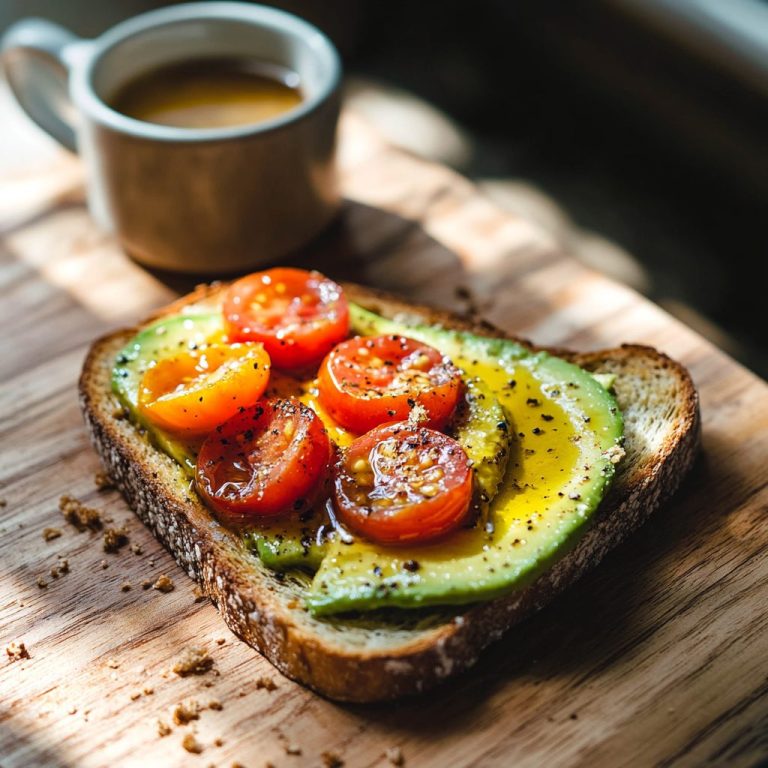
Breakfast: Avocado toast Mediterranean style with za’atar, cherry tomatoes, and a poached egg. Za’atar is that Middle Eastern spice blend that makes everything taste better—get a good quality za’atar because the generic stuff is dusty sadness.
Lunch: Quinoa tabbouleh with hummus and pita. The quinoa swap adds more protein than traditional bulgur-based tabbouleh. According to Mayo Clinic’s nutrition guide, ancient grains like quinoa provide complete proteins with all essential amino acids.
Dinner: Stuffed bell peppers with quinoa and veggies topped with feta. These reheat beautifully, so make extras. Store them in glass meal prep containers that won’t absorb the smell.
Snack: Turkey roll-ups with cheese and vegetables. Deli turkey isn’t fancy, but it’s convenient and packs protein.
Week 3: Refinement and Confidence
You’re halfway through. By now you’ve figured out which recipes work for your schedule and which ones you’ll never make again. That’s the point—customize as you go.
Days 15-17
Breakfast: Greek yogurt parfait with homemade granola. Making your own granola sounds ambitious, but it’s literally oats, honey, and nuts baked until crunchy. Use a rimmed baking sheet so nothing slides off mid-bake.
Lunch: Grilled veggie halloumi skewers with a side of quinoa tabbouleh. Halloumi is that squeaky grilled cheese that doesn’t melt—weird texture, amazing flavor.
Dinner: Baked salmon with herbed quinoa and asparagus. Sheet pan everything together for minimal cleanup. Line the pan with heavy-duty foil if you want absolutely zero scrubbing.
Snack: Hummus and veggie sticks. Cut everything on Sunday and store in containers with a damp paper towel to keep vegetables crisp.
Days 18-21
Breakfast: Oatmeal with dried figs, walnuts, and cinnamon. Steel-cut oats have more texture than instant, and you can batch cook them in a programmable rice cooker that does the work while you sleep.
Lunch: Greek salad but like actually good with grilled chicken. The “actually good” part means using quality feta, real olive oil, and fresh oregano—not the dried dusty stuff from 2019.
Dinner: One-pot Mediterranean pasta with white beans, cherry tomatoes, olives, and spinach. One pot means one thing to wash, which is basically the entire selling point. Use a large Dutch oven that can handle everything at once.
Snack: Tuna avocado packets—literally tuna mixed with mashed avocado, lemon juice, and spices. Eat it with cucumber slices or crackers.
Week 4: Bringing It Home
Final week. You’re not white-knuckling it anymore. You know what you need at the grocery store, which meals prep fast, and how to improvise when life gets messy.
Days 22-24
Breakfast: Shakshuka with crusty whole grain bread for dipping. This North African baked egg dish is Instagram-worthy and takes one skillet. Make it in a cast-iron skillet that goes from stovetop to oven.
Lunch: Roasted cauliflower shawarma bowl with chickpeas, tahini sauce, and quinoa. Roasting cauliflower at high heat with shawarma spices creates this caramelized, almost meaty texture.
Dinner: Lemon garlic grilled chicken with couscous and a side salad. By now you can grill chicken in your sleep.
Snack: Mini cottage cheese toast with tomatoes. Cottage cheese has made a comeback, and honestly, it’s deserved—high protein, versatile, cheap.
Days 25-27
Breakfast: Mediterranean smoothie bowl again because if it works, it works. Top with hemp seeds for extra protein and omega-3s.
Lunch: Mediterranean chickpea wraps with hummus, vegetables, and feta. Wrap everything in whole grain tortillas or pita.
Dinner: Shrimp saganaki with crusty bread. This Greek shrimp dish cooks in spicy tomato sauce with feta melted on top. It’s ridiculously good and cooks in under 20 minutes.
Snack: Greek yogurt with nuts and cinnamon—your reliable fallback that never disappoints.
Days 28-30
Breakfast: Eggs with avocado and sautéed veggies. Simple, fast, flexible based on whatever vegetables need to get used up.
Lunch: Grilled chicken shawarma salad with tahini dressing. The shawarma spice mix (cumin, coriander, paprika, turmeric) transforms boring chicken into something worth eating.
Dinner: Baked cod with tomato olive tapenade over herbed quinoa. Cod is mild, cheap, and cooks fast—underrated fish that doesn’t get enough credit.
Snack: Cucumber hummus sandwich bites—basically hummus sandwiched between cucumber slices. Sounds weird, tastes great.
The Complete Shopping Strategy
Proteins to keep stocked:
- Canned tuna and salmon (get the good stuff packed in olive oil)
- Fresh salmon and white fish fillets
- Chicken breasts and thighs (thighs have more flavor)
- Shrimp (frozen is fine, actually preferable)
- Greek yogurt (full-fat Fage or Chobani)
- Eggs (so many eggs)
- Chickpeas, white beans, lentils (canned and dried)
- Halloumi and feta cheese
Grains and starches:
- Quinoa
- Farro
- Couscous (regular and whole wheat)
- Whole grain bread
- Steel-cut oats
- Brown rice
Produce that lasts:
- Cherry tomatoes (last longer than regular)
- Cucumbers
- Bell peppers (all colors)
- Spinach and mixed greens
- Lemons (buy a bag)
- Red onions
- Avocados (buy at different ripeness stages)
- Fresh herbs: parsley, basil, oregano, mint
Pantry essentials:
- Extra virgin olive oil (this matters—get a good quality olive oil because it’s the backbone of everything)
- Tahini
- Olives and capers
- Dried herbs and spices
- Garlic (never enough)
- Canned tomatoes
- Nuts: walnuts, almonds, pistachios
Meal Prep That Doesn’t Consume Your Life
You don’t need Sunday meal prep marathons. Here’s what actually saves time:
Batch cook grains once: Make a huge pot of quinoa and farro. Store in the fridge, use all week. A programmable rice cooker handles this while you do other things.
Prep proteins ahead: Grill several chicken breasts or bake salmon fillets. Hard boil a dozen eggs. Portion into containers with reusable silicone lids that actually seal.
Chop vegetables Sunday evening: Dice onions, chop peppers, wash and dry greens. Store in containers with paper towels. A sharp chef’s knife makes this exponentially faster—dull knives are dangerous and frustrating.
Make versatile bases: Big batch of lentil soup, Mediterranean chickpea skillet, or shakshuka base that reheats perfectly.
Store everything in glass containers with snap lids—they stack better, don’t stain, and you can see what’s inside without excavating the entire fridge.
The Protein Breakdown by Source
Getting 100-120 grams daily means diversifying sources. Here’s how it adds up:
From fish and seafood: Salmon (25g per 4oz), tuna (20g per can), shrimp (24g per 4oz), cod (20g per 4oz)
From poultry: Chicken breast (26g per 4oz), chicken thigh (23g per 4oz), turkey (24g per 4oz)
From legumes: Chickpeas (15g per cup), lentils (18g per cup), white beans (17g per cup)
From dairy: Greek yogurt (17g per cup), cottage cheese (14g per half cup), feta (4g per ounce)
From eggs: One large egg provides 6g protein—scrambles, frittatas, and hard-boiled snacks add up fast
From grains: Quinoa (8g per cup), farro (7g per cup), whole wheat bread (4g per slice)
Mix these throughout your day and you hit protein targets without thinking too hard about it.
When You Hit a Wall (Because You Will)
Around Day 18, you’ll get bored. Normal. Here’s how to push through:
Switch up preparations: Grilled chicken all week? Try lemon oregano grilled chicken or chicken zucchini skillet.
Change your grain base: Tired of quinoa? Use farro, bulgur, or couscous. They all work with Mediterranean flavors.
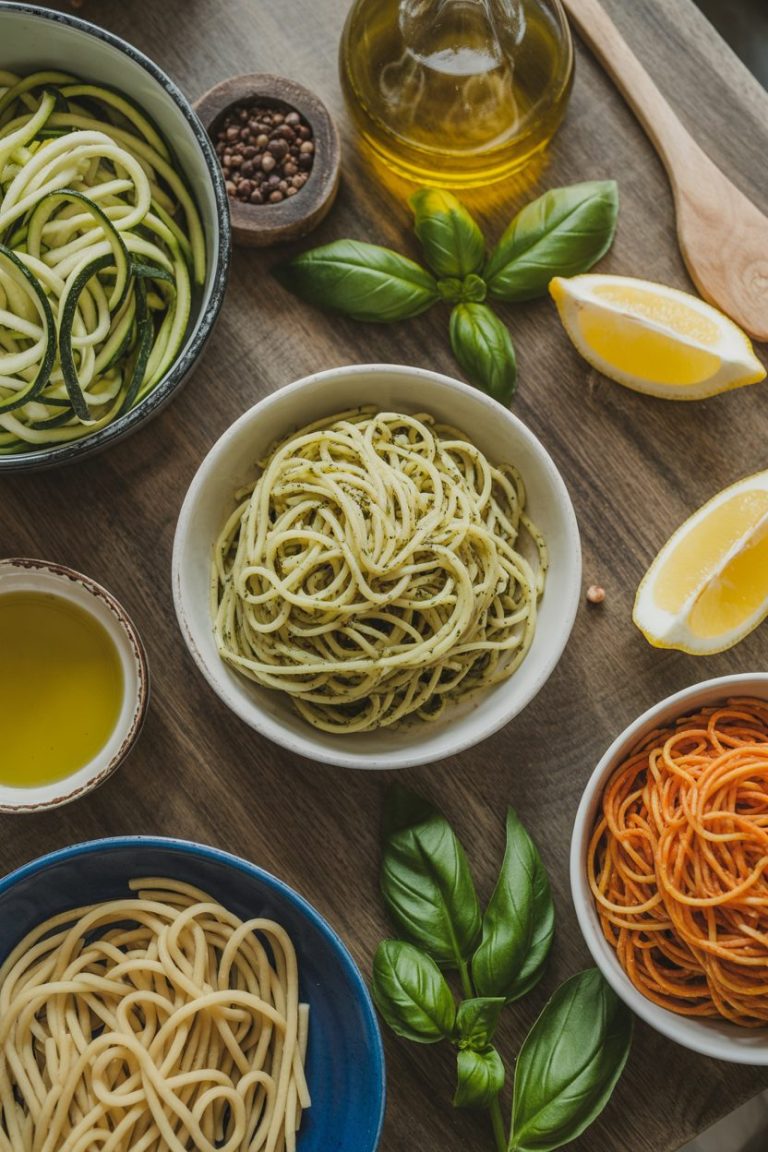
Add different vegetables: Roasted eggplant, zucchini noodles, sautéed kale—the vegetable variety keeps things interesting.
Try new protein sources: Grilled turkey kofta or spiced lentil eggplant stew provide different textures and flavors.
For more structured variety, check out 15 Mediterranean lunches to pack, prep, and enjoy all week.
Dining Out Without Derailing Everything
Mediterranean restaurants make this easy. Order:
- Grilled fish or chicken with vegetables
- Mezze platters (hummus, baba ganoush, tabbouleh, grilled meats)
- Greek salad with protein added
- Chicken souvlaki or lamb kebabs
- Shakshuka if it’s on the menu
Skip the bread basket if it’s calling your name, or have one piece and move on. One meal out doesn’t wreck 30 days of consistent eating.
The Snack Arsenal
High-protein snacks bridge the gaps between meals:
- Greek yogurt with nuts and cinnamon
- Hummus and veggie sticks
- Mini egg muffins
- Turkey roll-ups
- Tuna avocado packets
- Cottage cheese with tomatoes
- Mini falafel wraps with tzatziki
For a complete breakdown, see 21 high-protein low-calorie snacks under 200 calories.
Budget Considerations
Mediterranean eating doesn’t require Whole Foods prices. Here’s where to splurge and where to save:
Worth spending more: Olive oil (get quality extra virgin olive oil), fresh fish occasionally, good feta cheese
Save money here: Canned tuna and salmon, frozen shrimp, dried legumes instead of canned, seasonal produce, store-brand Greek yogurt
Money-saving hacks: Buy whole chickens and break them down yourself. Freeze extra portions. Shop sales and stock up on shelf-stable items. Grow your own herbs in a countertop herb garden—basil and parsley are stupid easy.
Adjusting for Different Needs
Vegetarian: Replace animal proteins with legumes, tofu, tempeh, eggs. Mediterranean chickpea bowl and stuffed grape leaves become staples.
Vegan: Skip dairy and eggs. Use tahini-based sauces, nutritional yeast for cheesy flavor, and hemp seeds for extra protein. Plant-based protein options like tofu and tempeh work well with Mediterranean spices.
Dairy-free: Replace Greek yogurt with coconut or almond-based alternatives. Skip feta or use cashew-based cheese substitutes.
Higher calorie needs: Add more olive oil, nuts, avocados, and larger portions of grains. Athletes or people trying to gain muscle can bump protein to 130-150 grams daily.
What Actually Changes After 30 Days
Real talk about expectations:
Energy levels: More consistent throughout the day, fewer crashes
Digestion: Better, thanks to fiber from legumes and vegetables
Sleep quality: Often improves with balanced nutrition and reduced processed foods
Muscle maintenance: You’ll preserve muscle better with consistent protein
Appetite regulation: Protein and healthy fats keep you satisfied longer
Cooking skills: You’ll get faster and more confident in the kitchen
Grocery efficiency: You’ll know exactly what you need without overthinking
What you won’t see: magic transformations, overnight abs, sudden love for foods you hate.
The Recipes You’ll Keep Making
After 30 days, these meals typically stick around:
- Greek yogurt bowl with berries for reliable breakfasts
- Tuna white bean salad for fast lunches
- One-pot Mediterranean pasta for busy nights
- Shakshuka for weekend brunch
- Grilled chicken variations that never get old
For more dinner ideas, browse 25 Mediterranean dinner ideas for busy weeknights.
Common Mistakes to Avoid
Mistake #1: Using too much olive oil. It’s healthy, but 120 calories per tablespoon adds up. Use measuring spoons initially to calibrate portions.
Mistake #2: Thinking Mediterranean equals unlimited carbs. Whole grains appear in moderation, not as the meal’s foundation.
Mistake #3: Skipping meal prep entirely. Even minimal prep (washing vegetables, cooking grains) prevents decision fatigue.
Mistake #4: Not planning for snacks. You will get hungry. Have protein-rich options ready or you’ll grab whatever’s convenient.
Mistake #5: Giving up after one off day. One pizza doesn’t undo 15 days of consistent eating. Get back on track the next meal.
Beyond Day 30
What happens after you finish? Ideally, you keep going with what worked and adjust what didn’t.
Maybe you discovered you love Mediterranean meal prep bowls and make them weekly. Maybe grilled fish became your thing, so you explore 10 Mediterranean fish recipes.
The goal isn’t perfection. It’s building sustainable habits that include adequate protein, plenty of plants, healthy fats, and food that actually tastes good. FYI, most people who complete 30 days continue with at least 70% of the meals because they’ve found what works.
Making It Work in Real Life
You’ll have days when meal prep doesn’t happen. You’ll eat takeout. You’ll skip workouts. Normal human behavior.
The difference after 30 days? You’ll have fallback options that don’t require thought: quick high-protein breakfasts, five-minute lunches, one-pan dinners that come together fast.
You’ll know which convenience foods are worth buying (pre-washed greens, rotisserie chicken, frozen shrimp) and which ones are overpriced garbage. You’ll have a mental list of protein sources that work for your budget and taste preferences.
Final Thoughts
Thirty days eating Mediterranean-style with boosted protein won’t transform your entire life, but it builds a solid foundation. You’ll learn which meals fit your schedule, which proteins you enjoy, and how to cook without losing your mind.
This isn’t a temporary fix. It’s learning to eat in a way that supports your health, satisfies your hunger, and doesn’t feel like constant restriction. The Mediterranean approach has sustained entire cultures for centuries because it works—for longevity, for flavor, and for sustainability.
Give it the full 30 days. Be flexible when needed. Don’t expect perfection. By the end, you’ll have a dozen go-to meals, better portion awareness, more cooking confidence, and probably more energy than when you started.
Now make your Week 1 grocery list and figure out when you’re meal prepping this weekend. You’ve got 30 days ahead—make them count.