
25 Mediterranean Desserts That Won’t Ruin Your Diet
Look, I get it. You’ve been crushing your Mediterranean diet for weeks, feeling like a health goddess, and then someone mentions dessert. Suddenly you’re calculating whether you can just eat raw celery for the rest of your life or if there’s actually a way to enjoy something sweet without derailing everything.
Here’s the thing: Mediterranean desserts aren’t about deprivation. They’re about making smarter choices that actually taste good. We’re talking fresh fruits, nuts, honey, and olive oil—ingredients that somehow manage to be both indulgent and nutritious. No weird protein powder. No artificial sweeteners that taste like regret.
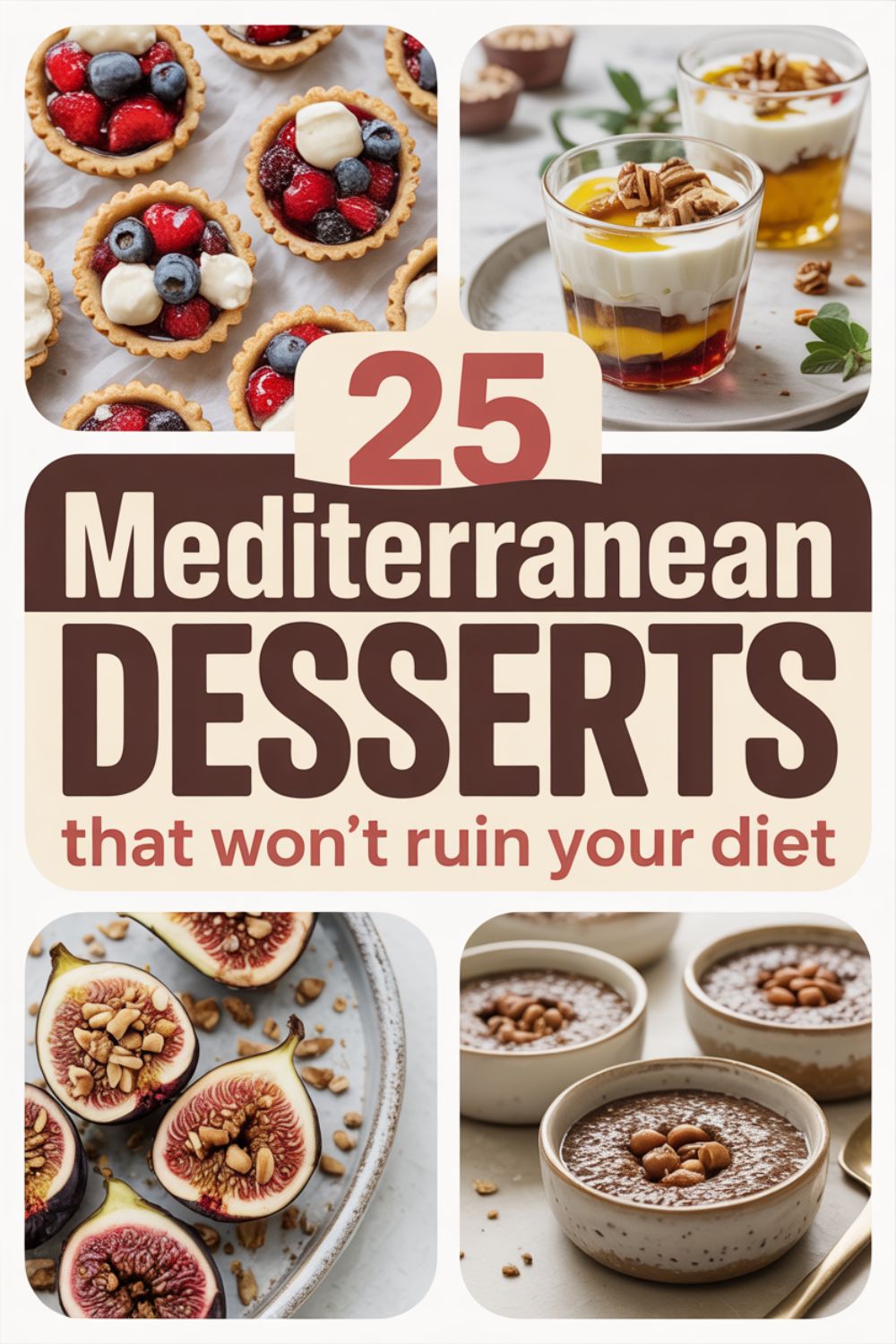
I’ve spent months testing these recipes (tough job, I know), and these 25 desserts have become my go-to when I want something sweet without the guilt trip afterward. They work with your diet, not against it.
Why Mediterranean Desserts Actually Work
Traditional Mediterranean sweets use ingredients your body can actually recognize. We’re talking honey instead of refined sugar, nuts packed with healthy fats, and fruits that bring natural sweetness without spiking your blood sugar into oblivion.
The Mediterranean approach to dessert focuses on quality over quantity. Research shows honey contains antioxidants like phenolic acids and flavonoids that help combat oxidative stress in your body. That’s science-speak for “this stuff is actually good for you in moderation.”
Unlike the typical American approach where dessert means a sugar bomb disguised as celebration, Mediterranean cultures treat sweets as something special. They’re not forbidden—they’re just not an everyday thing. And when you do indulge, you’re using ingredients that bring nutritional value to the table.
The Foundation: Understanding Mediterranean Dessert Ingredients
Before we jump into specific recipes, let’s talk about what makes these desserts different. The magic lies in the ingredients, and honestly, once you stock your pantry properly, these become ridiculously easy to make.
Honey: Nature’s Sweetener That Doesn’t Suck
Raw honey is your new best friend. According to research on honey’s health benefits, it can help improve blood sugar regulation and increase adiponectin levels, a hormone that reduces inflammation. I use this local raw honey because it actually tastes like something other than generic sweetness.
Here’s what nobody tells you: darker honey varieties pack more antioxidants. Buckwheat honey might not look Instagram-pretty, but it’s got serious nutritional credentials. For baking, I keep both light and dark varieties on hand—light for delicate flavors, dark for when you want that deep, complex sweetness.
Olive Oil: Yes, In Desserts
I know what you’re thinking. Olive oil in cake? Sounds weird. Tastes incredible. The fruity notes in good extra virgin olive oil actually complement citrus and chocolate beautifully. Plus, you’re getting those heart-healthy monounsaturated fats instead of butter or refined oils.
Get yourself a quality pouring bottle like this one—makes measuring so much easier when you’re baking. I learned this after making a mess approximately twelve times.
Nuts and Seeds: The Crunchy Game-Changers
Almonds, walnuts, pistachios—these aren’t just garnishes. They’re bringing protein, healthy fats, and that satisfying crunch that makes desserts feel substantial. I keep this nut storage container set because it keeps everything fresh and I can actually see what I have.
Pro move: toast your nuts before using them. Five minutes in a small toaster oven like this transforms the flavor completely. The difference between raw and toasted walnuts is the difference between “meh” and “oh wow.”
Fresh Fruit-Based Mediterranean Desserts
Let’s start with the obvious: fruit is dessert in the Mediterranean. But we’re not talking sad apple slices. We’re talking elevated, interesting preparations that feel special.
1. Grilled Peaches with Honey and Ricotta
This is my absolute favorite summer dessert. You halve peaches, grill them cut-side down for about 4 minutes until you get those gorgeous char marks, then top with a dollop of ricotta, a drizzle of honey, and crushed pistachios. Takes maybe 10 minutes total and tastes like you spent hours in the kitchen.
The heat caramelizes the natural sugars in the peaches, and the creamy ricotta cuts through all that sweetness perfectly. I use these grill baskets so the peaches don’t fall through the grates—learned that lesson the hard way.
2. Balsamic Strawberries with Greek Yogurt
Sounds fancy. Is stupid easy. Slice strawberries, toss with a tiny bit of good balsamic vinegar and honey, let sit for 15 minutes. The balsamic brings out this incredible depth in the berries. Serve over thick Greek yogurt and you’ve got a dessert that feels indulgent but is basically a protein-packed snack.
The vinegar acts as a flavor enhancer—it makes the strawberries taste more like strawberries, if that makes sense. Plus, Greek yogurt brings about 15-20 grams of protein per serving, so you’re actually doing your body a favor here.
3. Roasted Figs with Walnuts and Honey
When figs are in season, this is what I make. Halve fresh figs, roast at 375°F for about 12 minutes until they’re soft and jammy, then top with toasted walnuts and honey. The combination of textures and that deep, almost caramel-like sweetness from the roasted figs is unreal.
Can’t find fresh figs? The dried ones work too—just rehydrate them in warm water first. Get Full Recipe for our oatmeal with dried figs and walnuts if you want to use them for breakfast instead.
4. Orange Segments with Cinnamon and Mint
This one’s almost too simple, but it’s fantastic after a heavy meal. Segment oranges (use a good paring knife to make this easier), arrange on a plate, sprinkle with cinnamon, and tear fresh mint over the top. Chill for an hour if you can wait that long.
The mint and cinnamon combination does something magical to oranges. It’s refreshing, naturally sweet, and helps with digestion. Plus, oranges are loaded with vitamin C and fiber—your immune system will thank you.
5. Poached Pears in Red Wine
Okay, this one takes longer but it’s worth it for special occasions. Peel pears, poach them in red wine with cinnamon, star anise, and honey for about 30 minutes until they’re tender and have absorbed that beautiful wine color. The leftover poaching liquid reduces into a syrup that’s incredible.
I use this medium saucepan because the shape keeps the pears upright while they cook. The antioxidants from the red wine plus the fiber from the pears make this a dessert you can feel genuinely good about eating.
Speaking of fruit-based ideas, you might also enjoy our Greek yogurt parfait or this refreshing Mediterranean smoothie bowl that work similar magic with fresh fruit.
Nut and Seed-Based Delights
Nuts aren’t just toppings in Mediterranean desserts—they’re often the star. These recipes prove that healthy fats can absolutely be dessert.
6. Almond Flour Cookies with Orange Zest
Swap regular flour for almond flour and you’ve got cookies that are naturally gluten-free and packed with protein. Add orange zest for that Mediterranean vibe. These stay soft and chewy for days, which is impressive considering they usually don’t last that long in my house.
The almond flour gives these a texture that’s dense but not heavy. Each cookie has about 4 grams of protein, so they’re actually filling. I make a double batch every weekend because they freeze brilliantly.
7. Pistachio Energy Balls
Blend dates, pistachios, a touch of honey, and a pinch of sea salt in your food processor. Roll into balls. Done. These are perfect for when you need something sweet but also need sustained energy. The natural sugars from the dates give you a quick boost, while the pistachios provide healthy fats that keep you satisfied.
I use this food processor for literally everything now—it makes these energy balls in under 2 minutes. Store them in small containers like these and you’ve got grab-and-go desserts for the week.
8. Walnut and Date Bark
Melt dark chocolate (70% cacao or higher), spread it thin on a silicone baking mat, sprinkle with chopped walnuts and dates, let it set. Break into pieces. This satisfies chocolate cravings while giving you omega-3 fatty acids from the walnuts and natural sweetness from dates.
The key is using quality dark chocolate. The higher the cacao percentage, the less sugar. You’re getting those antioxidants from both the chocolate and the walnuts, so this is basically a health food. That’s my story and I’m sticking to it.
9. Tahini Halva Bites
Mix tahini with honey, add crushed pistachios and a bit of vanilla. Press into a pan, chill, cut into squares. These taste like candy but they’re mostly sesame seeds and nuts. Tahini is loaded with calcium, iron, and healthy fats—way more nutritious than anything you’d buy at a candy store.
The beauty of halva is that richness. A small piece goes a long way because it’s so satisfying. Keep them in the fridge and they’ll last about two weeks, assuming you have the willpower.
10. Almond Butter Stuffed Dates
Pit Medjool dates, stuff with almond butter, press a whole almond on top. Three ingredients. Five minutes. These are what I make when unexpected guests show up and I need to look like I have my life together.
Dates are naturally sweet and packed with fiber, while almond butter brings protein and healthy fats. Together, they create this perfect balance that satisfies sweet cravings without the crash. For a variation, try our no-bake coconut date balls if you want something similar but with a tropical twist.
Yogurt and Cheese-Based Mediterranean Treats
Greek yogurt and ricotta aren’t just for breakfast. These protein-rich ingredients make incredible desserts that actually keep you full.
11. Frozen Yogurt Bark with Berries
Spread thick Greek yogurt on a baking sheet, swirl in honey, scatter berries and nuts on top, freeze until solid, break into pieces. This is the dessert I make when I want ice cream but also want to wake up feeling good the next day.
The yogurt gives you probiotics for gut health, berries bring antioxidants, and you can customize the toppings endlessly. I use these rimmed baking sheets because they’re the perfect size and don’t warp in the freezer.
12. Ricotta with Honey and Walnuts
Literally just fresh ricotta topped with honey and toasted walnuts. Sometimes the simplest things are the best. The key is using really good quality ricotta—the stuff that’s thick and creamy, not watery. Drizzle with honey, add walnuts, maybe a pinch of cinnamon.
This dessert has about 14 grams of protein per serving from the ricotta alone. It’s satisfying in a way that sugar-heavy desserts never are. Plus, you can prep it in about 30 seconds, which is crucial on busy weeknights.
13. Greek Yogurt Panna Cotta
Traditional panna cotta gets a protein upgrade. Heat cream with honey and vanilla, add gelatin, fold in Greek yogurt once it’s cooled slightly, pour into ramekins, chill. You get that silky, custard-like texture but with way more protein and less sugar.
I serve these with fresh berries or a drizzle of honey. They’re elegant enough for dinner parties but easy enough for Tuesday night. If you love creamy desserts, check out our Greek yogurt bowl with berries and honey for a simpler version.
14. Lemon Ricotta Cheesecake Cups
These are cheesecake without the guilt. Mix ricotta with Greek yogurt, add lemon zest and honey, spoon into small cups, chill. Top with a berry or two. The tangy lemon cuts through the richness perfectly, and you’re getting a solid hit of protein from both the ricotta and yogurt.
I make these in small glass jars so they look fancy and I can grab them straight from the fridge. Pro tip: add a tiny crumble of almond flour “crust” at the bottom if you want that full cheesecake experience.
15. Honeyed Labneh with Pistachios
Labneh is basically ultra-thick Greek yogurt—it’s tangy, creamy, and perfect for dessert. Top with honey and crushed pistachios. The contrast between the tangy labneh and sweet honey is what makes this work. You can make labneh yourself by straining Greek yogurt overnight in cheesecloth, or just buy it.
This dessert is huge in Middle Eastern cuisine for good reason. It’s simple, satisfying, and the labneh provides probiotics for gut health while keeping you full. For more yogurt-based inspiration, our low-fat Greek yogurt parfait uses similar principles.
Olive Oil and Citrus Creations
Here’s where Mediterranean desserts really shine. Olive oil in sweets might sound weird until you try it—then you’ll wonder why anyone uses anything else.
16. Olive Oil Lemon Cake
This cake is moist, light, and has this incredible citrus-olive oil flavor that regular butter cakes can’t touch. The olive oil keeps it from drying out and adds these subtle fruity notes. Plus, you’re swapping saturated fat for monounsaturated fat, which research shows helps with heart health and metabolic function.
I use almond flour instead of all-purpose to keep it gluten-free and boost the protein. The result is a cake that’s dense but not heavy, sweet but not cloying. Serve with a dollop of Greek yogurt and fresh berries.
17. Orange Olive Oil Cookies
These Italian-style cookies are crispy on the outside, tender inside, and have this beautiful orange-olive oil flavor. They’re perfect with coffee or tea, and one cookie actually satisfies instead of making you want to eat the entire batch.
The secret is using fresh orange zest—the oils in the zest complement the olive oil perfectly. I keep this microplane zester in my kitchen specifically for citrus. It makes zesting so much faster and you don’t get any of the bitter white pith.
18. Lemon Olive Oil Granita
Sicilian granita is basically sophisticated shaved ice. Mix fresh lemon juice, water, honey, and a touch of olive oil. Freeze in a shallow pan, scraping with a fork every 30 minutes until it’s fluffy and crystalline. The olive oil adds richness and keeps it from freezing into a solid block.
This is the ultimate palate cleanser after a heavy meal. It’s refreshing, not too sweet, and that hint of olive oil makes it feel luxurious. Plus, it’s basically zero guilt—mostly water and lemon juice with just enough honey to balance the tartness.
19. Blood Orange Almond Tart
Almond flour crust pressed into a tart pan, filled with a mixture of eggs, honey, olive oil, and blood orange juice, baked until just set. This tart is stunning—the blood oranges give it this gorgeous color—and it tastes like sunshine in citrus form.
The almond crust is naturally gluten-free and adds protein, while the filling is mostly eggs and citrus. I use a 9-inch tart pan with removable bottom because it makes serving so much easier and the presentation looks professional.
20. Citrus Olive Oil Cake with Yogurt Glaze
Combine olive oil, honey, eggs, and the zest and juice of lemons, oranges, and grapefruit. Bake in a loaf pan. Once cooled, glaze with a mixture of Greek yogurt and honey. This cake somehow tastes indulgent while being relatively light, and the yogurt glaze adds protein and cuts the sweetness.
The triple citrus approach gives you layers of flavor—bright lemon, sweet orange, slightly bitter grapefruit. They all work together in this complex, interesting way that keeps you coming back for just one more slice.
For more citrus-forward dishes that won’t derail your diet, try our lemon herb chicken or this lemon garlic grilled chicken with couscous—both use similar bright, fresh flavors.
Dark Chocolate Mediterranean Desserts
Yes, chocolate makes the cut. Dark chocolate with high cacao content is actually loaded with antioxidants and fits perfectly into a Mediterranean diet when used wisely.
21. Dark Chocolate Avocado Mousse
Blend ripe avocados with cocoa powder, honey, and vanilla until smooth. The avocado makes it creamy without any dairy, and you can’t taste it at all—you just get rich, chocolatey mousse. The healthy fats from the avocado actually help your body absorb the antioxidants in the cocoa.
I was skeptical about this one until I tried it. Now it’s my go-to when I want chocolate mousse. One serving has about 6 grams of fiber and healthy monounsaturated fats, plus it’s naturally dairy-free if that matters to you. For the full recipe details, Get Full Recipe.
22. Chocolate-Dipped Figs
Melt dark chocolate, dip dried figs halfway, sprinkle with sea salt, let set. These are fancy enough to serve at a dinner party but easy enough to make on a random Tuesday. The sweetness of the figs plays perfectly with bitter dark chocolate and salty sea salt.
I keep a stash of these in the fridge for when I need something sweet. Two figs satisfy my chocolate craving completely, and I’m getting fiber and antioxidants from both the figs and the chocolate. Not bad for dessert.
23. Cocoa-Dusted Almonds
Toast almonds, toss with cocoa powder and a tiny bit of honey while they’re still warm, spread to cool. These are more snack than dessert, but they scratch that chocolate itch while giving you protein and healthy fats. Plus, they’re portion-controlled—eating a handful feels more satisfying than mindlessly eating from a bag.
The key is using unsweetened cocoa powder. You want that deep, dark chocolate flavor without extra sugar. I make these in big batches and keep them in airtight containers for when sweet cravings hit.
24. Chocolate Orange Chia Pudding
Mix chia seeds with almond milk, cocoa powder, honey, and orange zest. Refrigerate overnight. In the morning (or whenever you remember), you’ve got this thick, pudding-like dessert that’s loaded with omega-3s from the chia seeds and tastes like a chocolate orange.
Chia pudding is one of those things that sounds healthy but actually tastes good. The texture takes a minute to get used to, but once you do, it’s incredibly satisfying. Top with dark chocolate shavings if you’re feeling extra. For more chia-based ideas, check out our chia pudding with almond milk and fresh fruit.
25. Dark Chocolate Almond Clusters
Melt dark chocolate, stir in toasted almonds and a pinch of sea salt, drop spoonfuls onto parchment paper, let set. These are the dessert I make when I need chocolate immediately but also want to pretend I’m being healthy. Spoiler: you actually are being healthy—dark chocolate and almonds both pack serious antioxidants.
The ratio I use is about 2 parts almonds to 1 part chocolate by volume. That way you get more nuts than chocolate, which feels virtuous, but there’s enough chocolate to satisfy the craving. They keep in the fridge for weeks, though that’s theoretical because mine never last that long. For the complete recipe, Get Full Recipe.
Making These Desserts Work for Your Lifestyle
Here’s the reality check: these desserts are healthier than their conventional counterparts, but they’re not “free foods.” You can’t eat an entire tray of olive oil cookies and expect to lose weight just because they’re Mediterranean.
The beauty of these recipes is that they’re satisfying. One serving actually feels like enough because you’re getting protein, healthy fats, and fiber along with the sweetness. Compare that to eating three cookies from a package because they’re empty calories that leave you wanting more.
I typically make 2-3 of these desserts every week and rotate them. Having options prevents boredom, and I can match the dessert to whatever meal I’m making. Grilled fish for dinner? That lemon granita sounds perfect. Made a heavy pasta dish? Those blood oranges with mint will balance it out nicely.
The other trick is batch-making components. Toast a bunch of nuts on Sunday. Make a big jar of chia pudding. Prep frozen yogurt bark. Then during the week, you can assemble desserts in minutes instead of talking yourself out of it because it seems like too much work.
The Ingredient Swap Cheat Sheet
Sometimes you don’t have exactly what a recipe calls for. Here’s what actually works as substitutions without ruining the dessert:
Honey: Can swap with maple syrup at a 1:1 ratio, though honey has more complex flavors. Date syrup works too if you can find it.
Almond flour: Oat flour works in most recipes, though the texture will be slightly different. If you’re not gluten-free, you can use whole wheat pastry flour.
Greek yogurt: Regular yogurt strained through cheesecloth overnight works. In a pinch, sour cream or even silken tofu can work in some recipes, though the flavor profile changes.
Olive oil: Avocado oil is your best substitute—similar healthy fat profile and neutral enough for desserts. Melted coconut oil works too but adds coconut flavor.
Fresh fruit: Frozen works just fine in most applications. Thaw and drain well before using. Sometimes frozen is actually better—frozen berries are picked at peak ripeness.
Common Mistakes and How to Avoid Them
I’ve made every possible error with these desserts, so learn from my disasters. First mistake: using low-quality ingredients because “it’s just dessert.” Wrong. The whole point of Mediterranean desserts is that the ingredients shine. Cheap olive oil tastes like cheap olive oil, even in cake.
Second mistake: going overboard with honey because “it’s natural sugar.” Your body doesn’t care if sugar comes from bees or sugarcane—too much is still too much. These recipes use modest amounts of sweetener intentionally. Stick to the measurements.
Third mistake: skipping the salt. A pinch of sea salt in sweet recipes enhances all the other flavors and prevents things from tasting one-dimensional. Don’t skip it.
Fourth mistake: not toasting nuts. I mentioned this earlier but it bears repeating—toasted nuts are a completely different ingredient than raw nuts. Five minutes of toasting equals exponentially better flavor.
Fifth mistake: eating these while standing at the counter. Sit down. Use a real plate. Actually taste what you’re eating. The Mediterranean approach to food is about enjoyment and mindfulness, not shoveling calories while scrolling Instagram.
Storage Tips That Actually Matter
Most of these desserts keep well, which is perfect for meal prep enthusiasts. The yogurt-based desserts last about 3-4 days in the fridge. The nut-based energy balls and dates last at least a week, sometimes two. Frozen desserts obviously last months.
For things like cookies and bark, I use glass storage containers because they don’t absorb odors and you can see what you have. Plus, they’re way better for the environment than constantly buying plastic bags.
Pro storage move: portion things out when you make them. If you make a big batch of energy balls, put 2-3 in small containers immediately instead of keeping them all together. Future you will thank present you for the built-in portion control.
The frozen desserts benefit from being stored in the coldest part of your freezer. Nothing ruins frozen yogurt bark faster than temperature fluctuations that cause ice crystals. Keep it in the back, not in the door.
Your Questions Answered
Can I really eat dessert and still lose weight?
Absolutely, as long as you’re in a calorie deficit overall. These Mediterranean desserts are designed to fit into a healthy eating pattern because they use nutrient-dense ingredients and reasonable portions. The key is viewing them as occasional treats rather than daily staples, and making sure the rest of your diet is solid. One serving of dark chocolate almond clusters won’t derail your progress if the rest of your day looks good.
Are these desserts actually healthier than regular desserts?
Generally yes, because they use whole food ingredients with nutritional value beyond just calories. You’re getting protein from Greek yogurt and nuts, healthy fats from olive oil and avocados, fiber from fruits and dates, and antioxidants from dark chocolate and berries. Compare that to conventional desserts made with refined flour, white sugar, and butter—there’s no contest nutritionally.
Can I make these if I’m diabetic or watching blood sugar?
Many of these work well for blood sugar management because they combine natural sugars with protein, fat, and fiber, which slows down glucose absorption. That said, everyone’s body responds differently, so monitor your blood sugar and adjust portion sizes accordingly. The fruit and yogurt-based options with added nuts are particularly good because the protein and fat buffer the sugar impact.
What if I can’t find some of these Mediterranean ingredients?
Start with what you can find and substitute intelligently. Can’t find labneh? Use thick Greek yogurt. No fresh figs? Dried work fine or try another fruit. The Mediterranean diet is about principles—whole foods, healthy fats, moderate sweets—not specific ingredients you can only find at specialty stores.
How often should I eat these Mediterranean desserts?
There’s no magic number, but most people do well with 3-4 servings per week. The Mediterranean lifestyle treats sweets as special, not routine. Having dessert a few times a week feels indulgent without becoming excessive. Listen to your body, watch your overall calorie intake, and adjust based on your goals and how you feel.
Final Thoughts on Mediterranean Desserts
Here’s what I’ve learned after months of making these desserts: you don’t have to choose between eating healthy and enjoying your food. That’s a false choice sold to us by diet culture, and it’s exhausting.
Mediterranean desserts work because they’re based on real ingredients that taste good and happen to also nourish your body. They’re not trying to be something they’re not—they’re not pretending to be ice cream when they’re frozen bananas, or claiming to be brownies when they’re black bean squares.
They’re honest, straightforward, and delicious. A grilled peach with ricotta doesn’t need to pretend to be anything other than what it is: a perfectly ripe peach made even better with heat, creamy cheese, and sweet honey. That’s enough.
Start with one or two recipes that sound appealing. Make them a few times until you get comfortable with the technique and flavors. Then add more to your rotation. Before you know it, you’ll have a whole repertoire of desserts that support your health goals instead of working against them.
And honestly? That feels pretty damn good. Way better than eating cardboard “diet desserts” while pretending they’re satisfying, or going completely overboard because you’ve been restricting for so long that you’ve lost all sense of balance.
These desserts give you a third option: genuine enjoyment without guilt, satisfaction without excess, pleasure that actually adds to your life instead of detracting from your health. That’s the Mediterranean approach in a nutshell, and it’s exactly why it works.
So grab some fresh fruit, good olive oil, and quality dark chocolate. Your dessert game is about to get a serious upgrade.