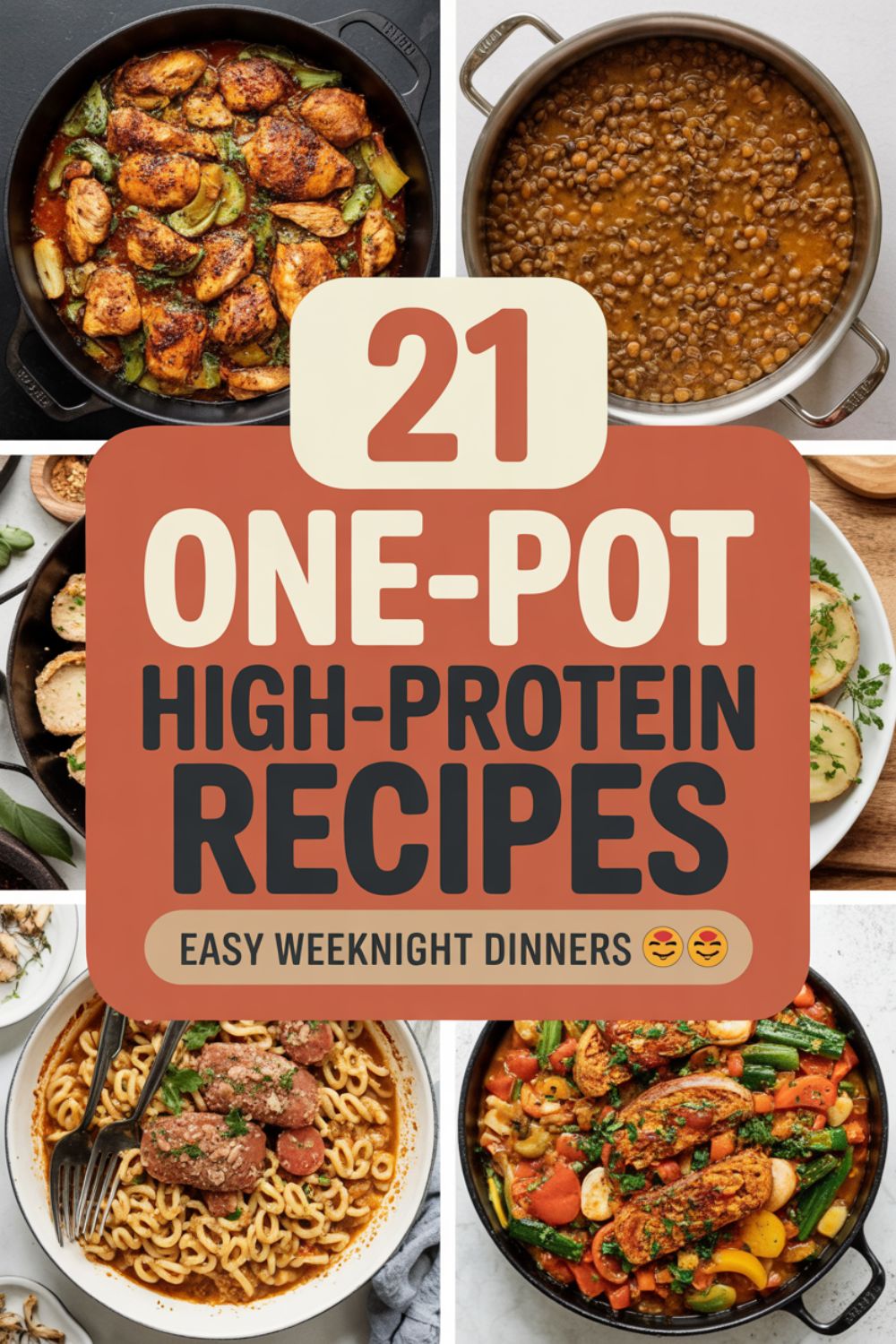
21 One-Pot High-Protein Recipes for Easy Weeknight Dinners
Let’s be honest—by Wednesday evening, the last thing you want to do is spend an hour cooking and another 30 minutes washing a mountain of dishes. I get it. We’ve all been there, staring into the fridge like it’s going to magically produce dinner while our stomachs rumble louder than our excuses.
That’s where one-pot high-protein recipes come in like a superhero wearing an apron. These meals deliver the protein your body needs to stay full and energized, without requiring you to use every pot, pan, and spatula in your kitchen. One pot. One cleanup. Zero regrets.
Whether you’re trying to build muscle, lose weight, or just survive the week without ordering takeout for the fifth time, these recipes have your back. They’re practical, delicious, and honestly? They’ll make you look like you have your life together even when you absolutely don’t.
Why High-Protein One-Pot Meals Are a Game Changer
Before we dive into the recipes, let’s talk about why this combo actually works. Research shows that protein keeps you fuller longer compared to carbs or fats alone. It’s not magic—it’s science. Your body takes longer to digest protein, which means you’re not raiding the pantry an hour after dinner.
Plus, protein helps preserve muscle mass while you’re in a calorie deficit. That’s huge if you’re trying to lose weight without looking like a deflated balloon by the end of it. And the one-pot aspect? That’s just pure genius for anyone who values their time and sanity.
Think about it. You throw everything into one skillet or Dutch oven, let it cook, and boom—dinner’s done. No juggling multiple pans. No forgetting something on the stove while you’re stirring something else. Just straightforward, efficient cooking that actually fits into a real person’s schedule.
The Protein Advantage You Can’t Ignore
Here’s something most people don’t realize: eating adequate protein isn’t just for gym rats or bodybuilders. According to research, increasing your protein intake can boost satiety and potentially help with weight management by reducing overall calorie consumption.
When you eat protein-rich meals, your body releases hormones that signal fullness. That’s why a chicken and veggie skillet keeps you satisfied way longer than a plain pasta dish. Your hunger hormones actually chill out, which means fewer late-night snack attacks.
And let’s not forget about muscle preservation. Whether you’re actively trying to build muscle or just maintain what you have as you age, protein is non-negotiable. For context, most adults need around 0.8 grams of protein per kilogram of body weight just to avoid deficiency. But if you’re active or trying to lose weight? You probably need closer to 1.2-1.6 grams per kilogram.
One-pot meals make hitting those protein targets ridiculously easy. You can pack 30-40 grams of protein into a single dish without overthinking it or spending a fortune on supplements.
Essential Tools That Make Life Easier
You don’t need a fancy kitchen to make these recipes work, but having the right tools helps. I’m talking about basics that’ll last you years and make cooking feel less like a chore.
First up: a good cast iron skillet. I’ve had mine for over a decade, and it’s still going strong. It heats evenly, handles high temps like a champ, and you can literally go from stovetop to oven without missing a beat.
If you’re more of a slow-cooking person, consider grabbing a 6-quart Dutch oven. These things are indestructible and perfect for soups, stews, and braises that basically cook themselves while you binge-watch your favorite show.
And here’s a weird one that changed my life: a silicone splatter screen. Sounds boring, I know. But it keeps grease from splattering all over your stove when you’re searing chicken or beef. Less cleanup means more time not hating your life after dinner.
Planning Your Weekly One-Pot Rotation
The secret to actually using these recipes? Don’t try to be a hero and cook something different every single night. That’s a recipe for burnout, pun intended.
Instead, pick three to four recipes per week and make enough for leftovers. Most of these one-pot meals taste even better the next day after the flavors have had time to marry. Plus, you’ve got built-in lunches or quick dinners for those nights when you just can’t even.
Here’s my typical week: Monday, I’ll make a big batch of chicken and vegetable skillet. Tuesday, leftovers. Wednesday, I switch to something like a beef and lentil stew. Thursday, more leftovers. Friday? That’s wild card night—either a quick shrimp dish or something from the freezer I prepped last month.
Speaking of meal rotation, if you’re looking for more protein-packed ideas, check out these 25 high-protein chicken recipes for meal prep. They’re perfect for mixing into your weekly rotation when you need some variety.
Protein-Packed Chicken One-Pot Wonders
Chicken is the MVP of high-protein cooking. It’s affordable, versatile, and cooks relatively quickly compared to other proteins. Let’s talk about some legit one-pot chicken recipes that aren’t dry, boring, or sad.
Start with a classic chicken and vegetable skillet. Sear boneless, skinless chicken thighs (more flavorful than breasts, fight me on this), then toss in bell peppers, zucchini, and cherry tomatoes. Add some garlic, a splash of chicken broth, and let everything simmer together. The chicken stays juicy, the veggies get tender, and you’ve got a complete meal in one pan.
Want something heartier? Try a one-pot chicken and rice dish. Brown your chicken pieces first, remove them, then sauté onions and garlic in the same pot. Add rice, broth, and your seasonings, nestle the chicken back in, and let it all cook together. The rice absorbs all those chicken drippings and becomes ridiculously flavorful.
Or go Mediterranean with a chicken, chickpea, and spinach combo. The chickpeas add extra protein and fiber, while the spinach wilts down perfectly in the pan juices. Finish with a squeeze of lemon and you’ve got something that tastes way fancier than the effort required.
For a Mediterranean twist, this lemon herb chicken with roasted potatoes is phenomenal. The herbs elevate the whole dish without requiring any special skills.
Beef-Based One-Pot Powerhouses
Beef brings serious protein and flavor to the table. Ground beef is budget-friendly and cooks fast, while cuts like chuck or sirloin give you that rich, satisfying taste that chicken sometimes can’t match.
A classic beef and vegetable stir-fry in a large wok is unbeatable. Slice your beef thin against the grain, sear it in a hot pan, then add your veggies. Broccoli, snap peas, and bell peppers work great. Finish with a simple sauce made from soy sauce, garlic, and a touch of honey. Serve over rice if you need carbs, or just eat it as is.
Ground beef tacos made in a skillet? Absolute weeknight gold. Brown the meat, add your seasonings, throw in some black beans and corn, and you’ve got a protein-packed filling for tacos, burrito bowls, or lettuce wraps. It’s flexible, stores well, and tastes amazing.
Don’t sleep on beef chili either. Brown your ground beef, add canned tomatoes, kidney beans, spices, and let it simmer for 30 minutes. The longer it cooks, the better it gets. Make a huge batch and freeze portions for those desperate nights when cooking feels impossible.
Need more inspiration? These veggie-packed black bean tacos are a lighter alternative that still hits all the right notes.
Seafood Options That Won’t Break the Bank
Seafood intimidates a lot of people, but it shouldn’t. Fish and shrimp cook crazy fast and pack a serious protein punch without being heavy.
Shrimp with couscous is one of my go-to lazy meals. Sauté shrimp in a pan with garlic and olive oil, remove them, then add your couscous and broth to the same pan. Let the couscous absorb the liquid, stir the shrimp back in with some spinach or peas, and you’re done in 15 minutes.
For something a bit heartier, try a one-pot salmon and potato dish. Place salmon fillets in a skillet, surround them with cubed potatoes and green beans, drizzle everything with olive oil and lemon juice, then bake. The fish stays moist, the potatoes get crispy edges, and you’ve got a balanced meal with minimal effort.
Or go with a simple fish stew. Use firm white fish like cod or halibut, add tomatoes, white beans, and some herbs. Let it simmer until the fish flakes easily. It’s light but filling, and the leftovers actually taste better the next day.
This grilled salmon with tomato caper relish works beautifully if you want to mix up your seafood game. Get Full Recipe
For those nights when you want Mediterranean flavors without the fuss, try this shrimp sautéed in garlic olive oil with couscous. It’s ridiculously easy and tastes like you actually tried.
Plant-Based Protein Powerhouses
You don’t need meat to hit your protein targets. Legumes, tofu, tempeh, and even certain grains pack enough protein to keep you full without the meat sweats.
A lentil and vegetable curry made in one pot is both satisfying and nutritious. Sauté onions, garlic, and curry spices, add dried lentils, coconut milk, and diced tomatoes, then let everything simmer until the lentils are tender. Throw in some spinach at the end for extra nutrients. The lentils provide about 18 grams of protein per cup when cooked, plus tons of fiber.
Chickpea and sweet potato stew is another winner. Both ingredients are loaded with protein and fiber, and they cook perfectly together in one pot. Add some cumin, paprika, and a can of diced tomatoes, and you’ve got something that tastes way more complex than it actually is.
Don’t forget about tofu. I know, I know—tofu gets a bad rap. But hear me out. Press it well, cube it, and sear it in a hot pan until it’s golden and crispy. Then add your veggies and sauce. The tofu absorbs all those flavors and gives you a solid protein base without any meat.
This stir-fried tofu with broccoli and brown rice is proof that plant-based protein can absolutely hold its own. Get Full Recipe
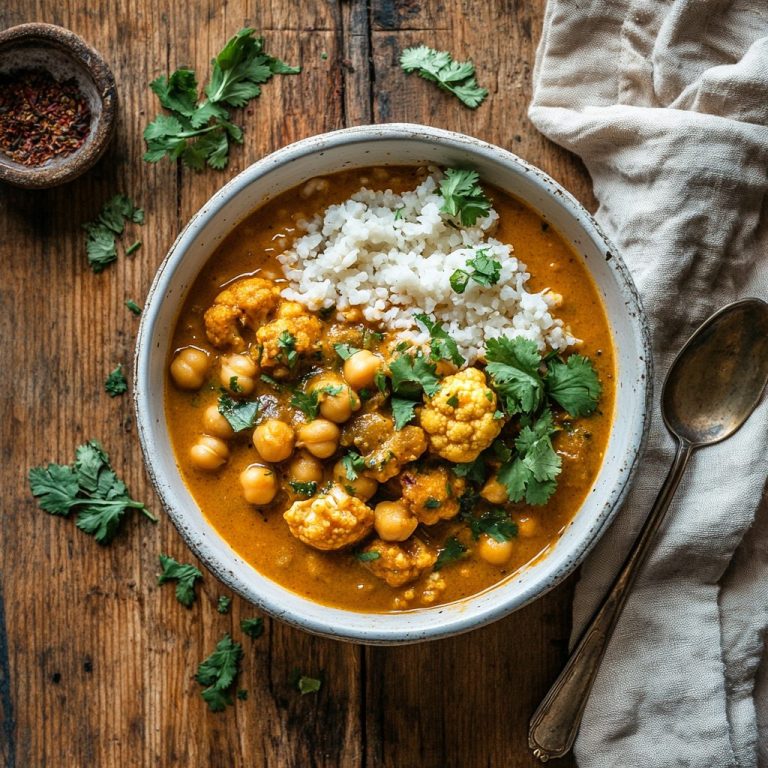
Also worth checking out: chickpea cauliflower coconut curry and lentil sweet potato stew. Both deliver serious protein without the meat.
Time-Saving Shortcuts Without Sacrificing Quality
Listen, I’m all for from-scratch cooking when time allows. But weeknights? That’s when shortcuts become your best friend, and there’s zero shame in that game.
Pre-cut vegetables from the grocery store cost a bit more, but they save you 15 minutes of chopping. Worth it. Same goes for rotisserie chicken—it’s already cooked, already seasoned, and you can shred it into any one-pot meal in seconds.
Frozen vegetables are actually underrated. They’re picked and frozen at peak freshness, which means they’re often more nutritious than “fresh” veggies that have been sitting in your fridge for a week. Plus, they require zero prep. Just dump them in.
Canned beans and tomatoes are pantry staples that make one-pot cooking possible even when your fridge is looking sad. Rinse the beans to reduce sodium, and you’re good to go. I always keep at least three types of canned beans on hand—black, chickpea, and kidney.
And here’s a weird tip: invest in a good quality vegetable peeler. Sounds basic, but a sharp peeler cuts prep time in half and makes things like shredding zucchini or peeling sweet potatoes actually enjoyable instead of a chore.
Meal Prep Strategies That Actually Work
Meal prep doesn’t have to mean spending your entire Sunday cooking 21 identical containers of chicken and broccoli. That’s depressing, and nobody sticks with it.
Instead, prep components. Cook a big batch of quinoa or rice. Chop all your vegetables for the week. Marinate your proteins. Then, during the week, you’re just assembling and cooking, not starting from absolute zero.
I use a set of glass meal prep containers that can go from fridge to microwave to dishwasher. They’re more expensive than plastic, but they don’t stain, don’t hold smells, and last forever. Trust me, once you go glass, you don’t go back.
Another game-changer: portion your proteins before freezing them. If a recipe calls for one pound of chicken, freeze your chicken in one-pound portions. No more thawing a giant chicken breast pack when you only need half of it.
And label everything. I mean everything. Date it, label it, stick it in the fridge or freezer. Future you will be so grateful when you can’t remember if that container is from last Tuesday or last month.
Flavor Boosters You Need in Your Pantry
One-pot meals can absolutely be flavorful, but you need the right seasonings and condiments on hand. These are my non-negotiables.
First, quality soy sauce or tamari. It adds depth and umami to basically everything. Low-sodium versions let you control the salt level better. Second, a good olive oil. You’re using it in almost every recipe, so don’t cheap out on the grocery store’s bottom-shelf brand.
Spices are where it’s at. Cumin, smoked paprika, garlic powder, onion powder, dried oregano, and red pepper flakes cover about 90% of recipes. Buy them in larger containers from bulk stores if possible—way more economical than those tiny jars.
Fresh garlic and ginger are game-changers. Yes, the jarred stuff works in a pinch, but fresh just hits different. I keep both in the fridge to extend their shelf life, and I use them constantly.
Hot sauce, sriracha, and various chili pastes add instant heat and complexity. Stock at least two different types for variety. And don’t forget acid—lemon juice, lime juice, or vinegar brighten up flavors and make everything taste more vibrant.
A spice rack organizer keeps everything visible and accessible. I can’t tell you how many times I used to forget about spices just because they were buried in the back of a cabinet.
One-Pot Breakfast Options for Busy Mornings
Who says one-pot cooking is just for dinner? Breakfast skillets and casseroles are clutch for meal prep, and they pack serious protein to start your day right.
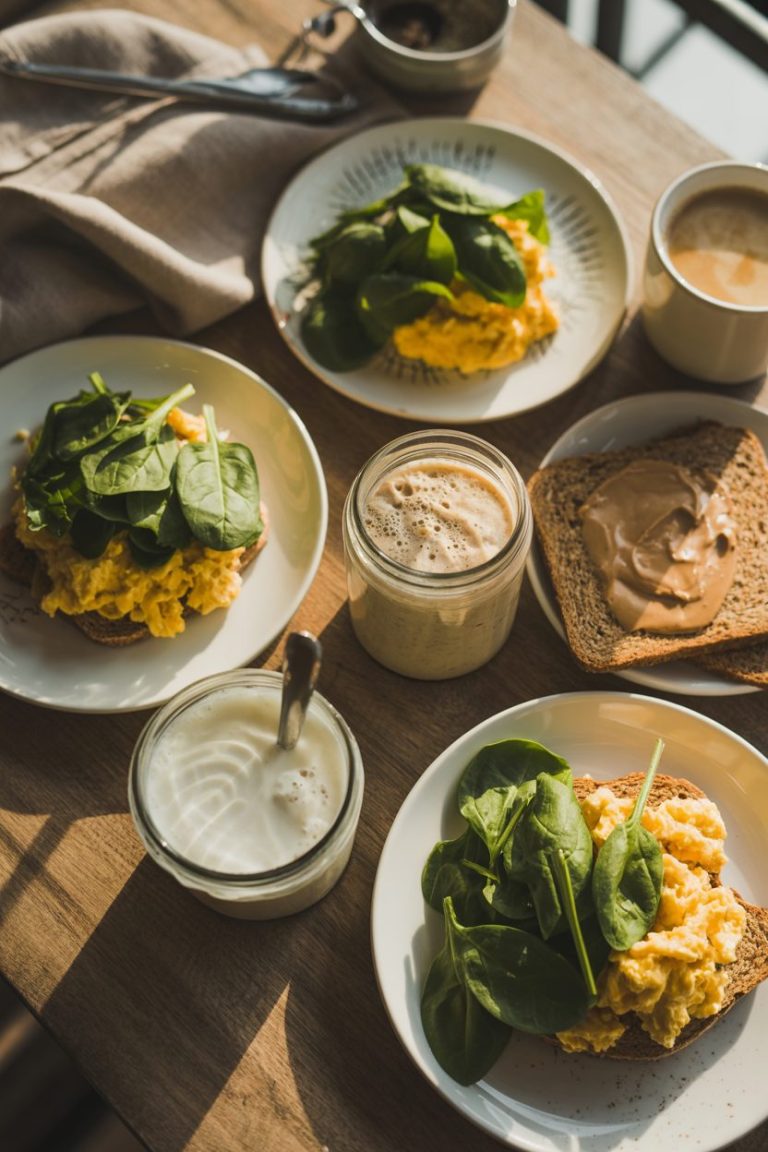
A simple scrambled egg and vegetable skillet takes 10 minutes. Sauté whatever veggies you have—peppers, onions, spinach, mushrooms—then crack eggs directly into the pan and scramble everything together. Add cheese if you’re feeling it. Boom, breakfast with 20+ grams of protein.
Or make a breakfast hash in your cast iron. Dice potatoes, cook them until crispy, add sausage or bacon, throw in some eggs at the end. It’s hearty, filling, and keeps you satisfied until lunch without that mid-morning crash.
Overnight oats technically aren’t cooked, but they’re still a one-pot situation if you make them in a jar. Mix oats with Greek yogurt, milk, and whatever flavoring you want, let it sit overnight, and wake up to a ready-made high-protein breakfast. No cooking required.
For something more substantial, check out these eggs with avocado and sautéed veggies. Perfect when you need a protein-packed start. Get Full Recipe
Also worth exploring: savory Mediterranean scramble and these 15 high-protein breakfast recipes for more morning inspiration.
Maximizing Leftovers Without Getting Bored
Here’s the thing about one-pot meals: they make great leftovers, but eating the exact same thing three days in a row gets old fast. Solution? Transform them.
That chicken and vegetable skillet from Monday? Shred the chicken, add some salsa and cheese, stuff it in a tortilla, and you’ve got quesadillas. Or toss it with pasta and a splash of cream for a quick pasta dish.
Leftover chili becomes chili cheese fries, a topping for baked potatoes, or a filling for stuffed peppers. Beef stir-fry turns into fried rice the next day. Seafood stew gets blended into a creamy soup.
The key is keeping your base proteins and vegetables relatively simple so you can remix them in different ways. Don’t over-season on day one, and you’ll have more flexibility later in the week.
Store leftovers in single-serving containers so you can grab and go. A set of portion control containers makes this stupid easy and helps with not accidentally eating three servings in one sitting.
Budget-Friendly High-Protein Options
Look, protein can get expensive if you’re not strategic about it. But you don’t need to live on chicken breast and rice to hit your protein goals on a budget.
Eggs are hands-down the most economical protein source. A dozen eggs costs a few bucks and gives you 72 grams of protein. That’s insane value. Use them in breakfast skillets, add them to fried rice, make frittatas, or just hard-boil a bunch for easy snacks.
Canned tuna and salmon are cheap, shelf-stable protein bombs. Mix them with pasta, make fish cakes, or just eat them straight with some crackers. A can of tuna has about 40 grams of protein for like two dollars.
Beans and lentils are ridiculously affordable. Dried beans require soaking and longer cooking times, but they’re pennies per serving. Canned beans cost a bit more but still beat the price of most meat. Both deliver solid protein plus fiber.
Buy chicken thighs instead of breasts. They’re cheaper, more flavorful, and harder to overcook. Ground turkey often goes on sale and works in basically any recipe that calls for ground beef.
This lentil soup with crusty bread costs next to nothing and tastes amazing. Get Full Recipe
Common Mistakes to Avoid
Even with simple one-pot recipes, there are ways to mess things up. Trust me, I’ve made all these mistakes so you don’t have to.
First, don’t overcrowd the pan. If you’re searing meat or vegetables, they need space to actually sear. Overcrowding causes steaming instead, and you end up with soggy, flavorless food. Cook in batches if necessary.
Second, season as you go, not just at the end. Add salt when you sauté onions, season your meat before searing it, taste and adjust throughout cooking. Seasoning in layers builds better flavor than dumping everything in at once.
Don’t forget to deglaze the pan. After browning meat, there’s all this caramelized goodness stuck to the bottom. Add a splash of wine, broth, or even water, scrape it up with a wooden spoon, and incorporate it into your dish. That’s where the flavor lives.
And for the love of all that is holy, don’t cook chicken breast on high heat and then wonder why it’s dry. Medium heat, a bit of patience, and you’ll have juicy chicken every time.
Special Dietary Considerations
One-pot meals are surprisingly adaptable to different dietary needs. Whether you’re gluten-free, dairy-free, low-carb, or following specific macros, you can make these recipes work.
For gluten-free, just swap regular pasta for gluten-free versions, use tamari instead of soy sauce, and double-check your spice blends for any hidden wheat. Most one-pot recipes are naturally gluten-free or easily modified.
Dairy-free is even easier. Use olive oil instead of butter, coconut milk instead of cream, and nutritional yeast for a cheesy flavor without actual cheese. Most dairy in these recipes is optional anyway.
Low-carb folks can skip grains entirely or use cauliflower rice as a substitute. Most one-pot protein and vegetable dishes work perfectly as low-carb meals without any modification.
If you’re tracking macros, these recipes make it easy because everything’s measured and cooked together. Just weigh your portions and log them. No guessing about how much butter you used in three different pans.
For plant-based diets, check out these 25 high-protein vegetarian recipes that still deliver on protein without animal products.
Quick Cooking Techniques for Busy People
Speed matters on weeknights. Here are techniques that cut cooking time without sacrificing quality.
Mise en place sounds fancy, but it just means getting everything prepped before you start cooking. Dice your vegetables, measure your spices, have your liquids ready. Once you start cooking, everything moves fast, and you’re not scrambling to find the garlic press while your onions burn.
Use a pressure cooker or instant pot when possible. They cut cooking time by up to 70% for tough cuts of meat and dried beans. A beef stew that normally takes three hours? Done in 45 minutes.
Cut ingredients into smaller pieces. Smaller pieces cook faster. Cube your chicken instead of using whole breasts, dice vegetables instead of leaving them in big chunks. Physics works in your favor here.
Preheat your pan properly. A hot pan sears better and cooks faster. If you’re adding cold ingredients to a cold pan, you’re just steaming everything and wondering why it takes forever.
And use a lid when appropriate. Covering your pot or pan traps heat and moisture, speeding up cooking times significantly. Just remember to remove it occasionally to check progress and let excess liquid evaporate if needed.
If you’re short on time, these 21 high-protein one-pan meals for busy nights are designed specifically for speed.
Related Recipes You’ll Love
Looking for more high-protein inspiration? Here are some recipes that pair perfectly with the one-pot meals we just covered:
More Protein-Packed Ideas:
- 15 High-Protein Soups to Keep You Full
- 30 High-Protein Snacks Under 200 Calories
- 30 High-Protein Meal Prep Ideas for the Week
Quick Weeknight Options:
Frequently Asked Questions
How much protein should I aim for per meal?
Most adults benefit from 20-40 grams of protein per meal, depending on your body weight and activity level. If you weigh 150 pounds and work out regularly, aim for at least 30 grams per meal. These one-pot recipes are designed to hit that target without requiring supplements or protein powder.
Can I freeze one-pot meals for later?
Absolutely. Most one-pot meals freeze beautifully, especially stews, chilis, and braised dishes. Let them cool completely, portion them into freezer-safe containers, and they’ll keep for 2-3 months. Avoid freezing meals with pasta or potatoes if possible—they can get mushy when reheated. Rice-based dishes freeze better.
What’s the best way to reheat one-pot meals?
Stovetop reheating gives you the best texture. Add a splash of broth or water to prevent drying out, heat over medium-low, and stir occasionally. Microwave works in a pinch—use 50% power to heat more evenly, and cover your container to trap moisture. Add a minute or two to the time rather than blasting it on high.
Are one-pot meals actually healthier than regular cooking?
Not inherently, but they make healthy cooking more practical. You’re more likely to cook at home instead of ordering takeout when cleanup is minimal. Plus, cooking everything together means nutrients from vegetables stay in the pan rather than getting drained away. The real benefit is convenience that encourages better eating habits long-term.
Can I make these recipes in a slow cooker or instant pot?
Most one-pot stovetop recipes adapt well to slow cookers or instant pots with minor adjustments. For slow cookers, reduce liquids by about 25% since there’s less evaporation. For instant pots, follow manufacturer guidelines for cooking times—they’re usually much shorter than stovetop. Just remember to sear your proteins first for better flavor, even if you’re using a multi-cooker.
Wrapping It Up
One-pot high-protein meals are the perfect solution for anyone who wants to eat well without spending their entire evening in the kitchen. They’re practical, adaptable, and way more interesting than meal prep chicken and rice in identical containers.
The beauty of these recipes is their flexibility. Swap proteins, change up the vegetables based on what’s in your fridge, adjust the seasonings to your taste. There’s no wrong way to do it as long as you’re getting adequate protein and keeping things simple.
Start with two or three recipes that sound good to you. Try them out, see what works for your schedule and taste preferences, then gradually expand your rotation. Before you know it, weeknight dinners become something you can actually handle without a meltdown or a takeout menu.
And remember: cooking doesn’t have to be complicated to be good. Sometimes the best meals are the ones that don’t stress you out.