

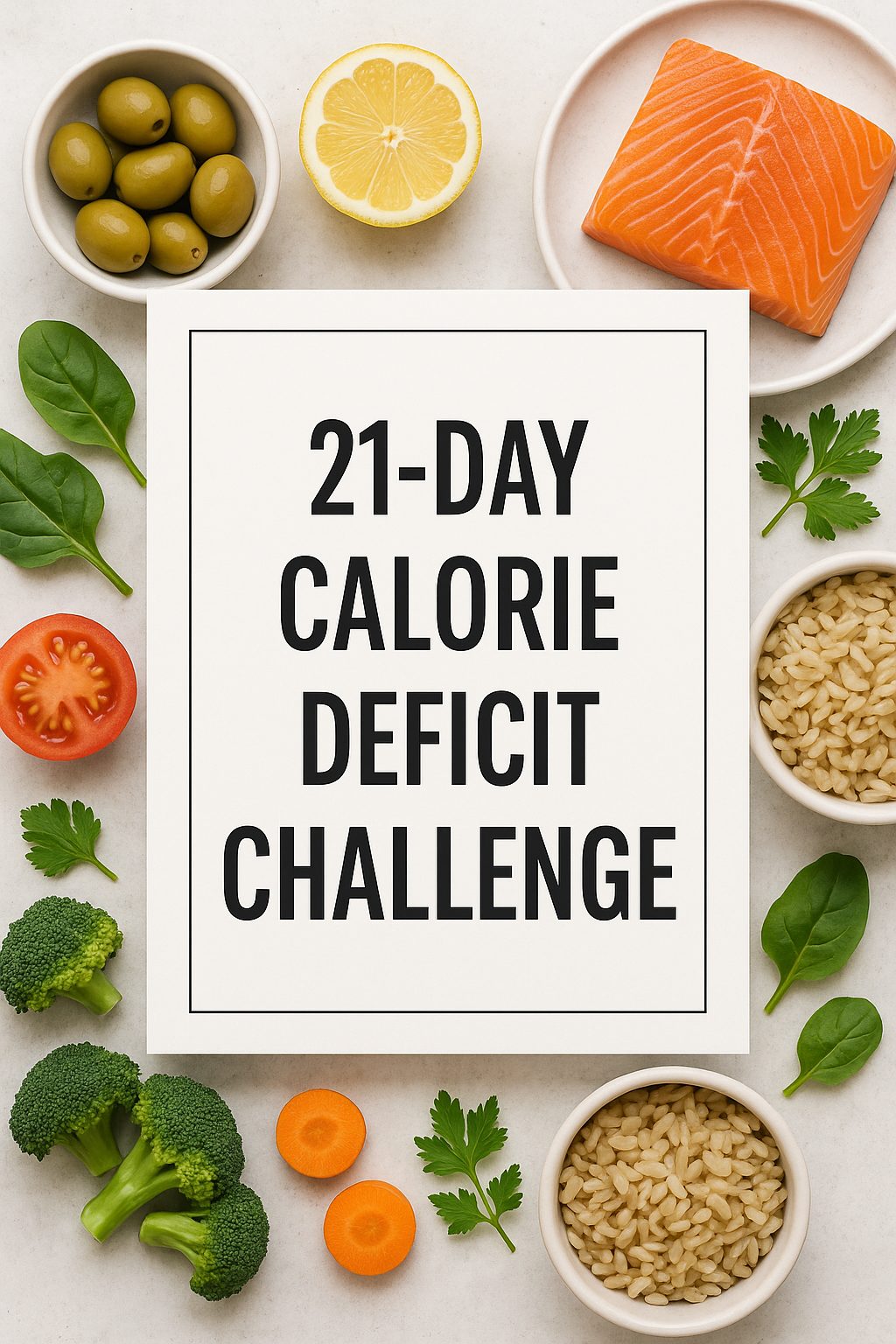
21-Day Calorie Deficit Challenge (PDF Inside)
Why Sticking to a Calorie Deficit Feels Impossible (Until You Try This)
If you’ve ever tried to lose weight, you’ve probably heard the golden rule: “Calories in, calories out.” Simple in theory, but in real life? It can feel like a cruel joke.
I remember when I first attempted calorie tracking. Day one was fine—meal-prepped chicken, veggies, and even a little square of dark chocolate. By day four, though, I was exhausted, hangry, and staring longingly at my partner’s plate of pasta like it was a forbidden treasure.
These are the basics that make healthy cooking fast and actually enjoyable: less mess, less time, and meals your whole family will happily eat.
- digital food scaleCheck today’s price →
- glass meal prep containersCheck today’s price →
- chef knifeCheck today’s price →
- nonstick skilletCheck today’s price →
Amazon prices and deals change often, so it’s worth checking today’s price.
Here’s the thing: most of us don’t fail at weight loss because we don’t know what to do—we fail because we don’t have a sustainable plan. Life gets busy. Stress hits. A coworker brings donuts. And suddenly, all our good intentions unravel.
That’s why I created the 21-Day Calorie Deficit Challenge PDF. It’s not another restrictive “eat only celery sticks” crash diet. It’s a practical, flexible, real-life plan designed to help you consistently stay in a deficit—without feeling like you’re starving or missing out.
And let me tell you—when you finally have structure, a bit of accountability, and meals you actually look forward to, everything changes.

What You’ll Get from This 21-Day Challenge
Here’s the promise: by the end of this post (and especially if you grab the free PDF), you’ll know exactly how to:
- Stay in a calorie deficit for 21 days straight without burning out.
- Use smart food swaps that cut calories but keep flavor.
- Build meals that are filling, balanced, and actually delicious.
- Avoid common mistakes that sabotage progress.
- Walk away with a ready-to-use, step-by-step challenge plan (PDF included).
If you’ve ever struggled to make a diet last longer than a week, this is your fresh start.

Understanding Calorie Deficits the Right Way
Before diving into the plan, let’s clear the air. A calorie deficit simply means eating fewer calories than your body burns. That’s it. No magic, no fad diet—just a simple equation that works every single time.
But here’s the catch: how you create that deficit matters.
- Too aggressive = burnout. Eating only 1,000 calories a day will leave you miserable (and probably raiding the pantry at midnight).
- Too small = no progress. Shaving off only 50 calories a day might technically be a deficit, but it’ll take months to see results.
The sweet spot? Usually around 300–500 calories less per day than your maintenance level. That’s enough for steady fat loss without feeling deprived.
Another thing most people overlook: nutrient quality matters as much as calories. Sure, you could technically eat 1,500 calories of chips and soda and still be in a deficit—but you’ll be hungry, tired, and cranky all day. Compare that to 1,500 calories of lean proteins, whole grains, and vegetables, and suddenly you’re satisfied, energized, and actually enjoying the process.
This is why I love merging a Mediterranean-inspired approach with calorie tracking. Meals like Lentil Spinach Soup, Tuna White Bean Salad, and Greek Yogurt Parfait give you volume, nutrients, and satisfaction—all while keeping calories in check.
So, calorie deficit isn’t about punishment. It’s about creating a structured but flexible eating style that feels good and gets results.

How to Follow the 21-Day Calorie Deficit Challenge (Step-by-Step)
This challenge is built around three pillars: structure, balance, and sustainability. Here’s exactly how to follow it.
🔹 Step 1: Know Your Numbers
First, figure out your maintenance calories (the amount your body needs to maintain weight). A quick method is:
- Women: body weight (lbs) × 12
- Men: body weight (lbs) × 14
Subtract 300–500 calories from that number to find your daily target.
🔹 Step 2: Build Your Plate
Every meal in the PDF follows a formula:
- Protein (20–30g): Keeps you full (chicken, fish, tofu, beans).
- Fiber-rich carbs (1–2 servings): Energy and satiety (quinoa, sweet potatoes, oats).
- Healthy fats (1–2 tbsp): Flavor and hormone support (olive oil, nuts, avocado).
- Veggies (as much as you want): Low-calorie volume, nutrients, crunch.
🔹 Step 3: Plan Your Week
The PDF breaks it into daily meal plans, but here’s a sample:
- Breakfast: Savory Mediterranean Scramble (eggs, spinach, feta).
- Snack: Greek Yogurt with Nuts & Cinnamon.
- Lunch: Grilled Lemon Herb Chicken with Quinoa.
- Snack: Cucumber Hummus Sandwich.
- Dinner: Baked Salmon with Herbed Quinoa.
🔹 Step 4: Stay Consistent for 21 Days
This is where the challenge part comes in. You’re not just eating healthy—you’re practicing consistency. 21 days is long enough to build habits but short enough to stay motivated.
🔹 Step 5: Adjust if Needed
Too hungry? Add an extra 100 calories from protein or veggies. Not losing after 2 weeks? Trim 100 more. It’s about finding your sweet spot.
The best part? You don’t have to wing it. The PDF Challenge Plan gives you structured daily breakdowns, so all you do is follow along.

🛑 Common Mistakes to Avoid + Bonus Hacks for Success
Here’s the truth: most people think they’re in a calorie deficit but aren’t. Why? Because small mistakes creep in and sabotage progress. The good news? If you spot these pitfalls early and use a few bonus hacks, you’ll breeze through your 21-day calorie deficit challenge.
Mistake 1: Guessing Portions Instead of Measuring
Eyeballing that scoop of peanut butter or splash of olive oil can add up fast. Even “healthy” foods are calorie-dense. Instead, use a food scale or measuring cups in the beginning. Over time, your eyes will naturally get better at estimating portions.
Mistake 2: Relying Only on Exercise
You can’t outrun a fork. A 500-calorie slice of cheesecake can take over an hour to burn off on the treadmill. Focus on nutrition first, and let workouts complement your deficit instead of doing all the heavy lifting.
Mistake 3: Cutting Too Much, Too Soon
A drastic deficit feels exciting at first, but it’s a recipe for burnout. Instead of dropping to 1,000 calories a day, aim for a moderate deficit (around 500 calories). You’ll still lose fat, but you’ll keep energy, mood, and motivation intact.
Mistake 4: Ignoring Protein & Fiber
Protein preserves muscle and keeps you full, while fiber slows digestion and curbs cravings. That’s why I packed the 7-Day Mediterranean High-Protein Meal Plan with both—it’s perfect to cycle in during this challenge.
Mistake 5: Not Planning Ahead
The biggest calorie-busting moments happen when you’re starving and reach for whatever’s closest. Planning even one day in advance can save you from “hangry” decisions. Pro tip: batch cook lean proteins like chicken or lentils and mix them into quick meals all week.
🔑 Bonus Hacks That Make the Deficit Easier
- Drink water before meals: Often thirst masks as hunger.
- Start meals with veggies: A low-calorie, high-volume filler.
- Go Mediterranean-style: Olive oil, fish, beans, and whole grains keep you satisfied without calorie overload.
- Protein-first snacking: Swap chips for tuna avocado packets or mini egg muffins.
- 80/20 rule: Stick to nutrient-dense meals 80% of the time, and enjoy treats guilt-free for the other 20%.
These small tweaks help you stay consistent, and consistency—not perfection—is what transforms your body over 21 days.

Real-Life Experience – My 21-Day Journey
When I first tried a calorie deficit, I thought I had it nailed. I logged my meals, hit the gym, and felt pumped. But by day five, I was exhausted and cranky. Why? I had slashed calories too aggressively and wasn’t eating enough protein.
The second time around, I followed a Mediterranean-style deficit—focusing on grilled salmon, hummus wraps, big veggie bowls, and high-protein snacks. I still ate pasta (whole wheat spaghetti with tomatoes and basil was my go-to), but in sensible portions.
Here’s what happened:
- Week 1: The scale dropped 2 pounds, mostly water, but I felt lighter.
- Week 2: My energy leveled out. I prepped lentil soup with crusty bread for lunches—it was hearty yet calorie-friendly.
- Week 3: Clothes fit looser, my skin looked clearer, and I actually felt in control of food for once.
By the end of the 21 days, I had lost almost 7 pounds, but the real win was building confidence that I could eat delicious meals and still be in a deficit.
That’s why I created the 21-Day Calorie Deficit Challenge PDF—so you don’t make the same mistakes I did and can enjoy the process from the start.

Start Your 21-Day Challenge Today
Here’s the truth: weight loss doesn’t need to feel like punishment. You don’t have to give up bread, you don’t need 2-hour gym sessions, and you definitely don’t need bland diet food. What you do need is structure, balance, and accountability.
That’s exactly what the 21-Day Calorie Deficit Challenge PDF gives you. Inside, you’ll find:
- A simple 3-week framework that eliminates calorie guesswork.
- Mediterranean-inspired meals that keep you full and satisfied.
- Practical tips to navigate eating out, cravings, and busy schedules.
- A printable daily tracker so you can celebrate small wins along the way.
Imagine 21 days from now—feeling lighter, energized, and proud of yourself for finally sticking to something sustainable. That’s where you could be if you start today.
👉 Download the 21-Day Calorie Deficit Challenge PDF here and take the first step toward your transformation.

❓ FAQ: Everything You Need to Know About the 21-Day Calorie Deficit Challenge
1. What is a calorie deficit, in simple terms?
A calorie deficit means eating fewer calories than your body burns. When your body doesn’t get enough from food, it taps into stored fat for energy—leading to weight loss.
2. How many calories should I cut each day?
A safe range is 500–750 calories less than your maintenance level. This usually results in losing about 1–2 pounds per week without feeling deprived.
3. Can I follow this plan if I’m vegetarian?
Absolutely! Swap fish or chicken for lentils, chickpeas, or tofu. Many Mediterranean-inspired vegetarian recipes fit perfectly into a deficit.
4. What happens if I mess up one day?
One day won’t ruin your progress. Just get back on track the next day. Progress comes from consistency, not perfection.
5. Do I need to exercise for this to work?
Not necessarily. Weight loss comes primarily from diet, but exercise can help preserve muscle and boost results. Even simple walks help.
6. Can I eat carbs in a calorie deficit?
Yes! Carbs like whole wheat pasta, quinoa, and potatoes are filling and energizing. The key is portion size and pairing them with protein.
7. How do I deal with hunger while cutting calories?
Focus on high-volume, low-calorie foods like vegetables, soups, and lean protein. Drinking water and spreading meals throughout the day also helps.
8. How fast will I lose weight with this challenge?
Most people lose 4–8 pounds in 21 days, depending on starting point and consistency.
9. Can I repeat the challenge after 21 days?
Definitely. Many people do multiple rounds. Just remember to listen to your body and take breaks if needed.
10. Is this similar to your other Mediterranean challenges?
Yes! If you loved the 21-Day Mediterranean Meal Prep Challenge or the 30-Day Mediterranean Lifestyle Meal Plan, this calorie deficit plan is the perfect next step.
🎯 Conclusion: Your 21-Day Reset Starts Now
If you’ve been stuck in the cycle of dieting, quitting, and restarting, the 21-Day Calorie Deficit Challenge is your reset button. It’s not extreme, it’s not miserable, and it’s not a fad. It’s a structured, Mediterranean-inspired way to eat delicious food while shedding fat consistently.
In just three weeks, you can prove to yourself that you can commit, you can enjoy food, and you can see results without obsession.
So here’s your friendly nudge: don’t overthink it. Download the PDF, print it out, and take the first small step today. Your 21-day future self will thank you.
👉 Grab the 21-Day Calorie Deficit Challenge PDF here and start your transformation today.