
18 Paleo-Style Chia Seed Morning Bowls with Natural Ingredients
Look, I’m going to level with you right from the start. I used to be that person who thought chia seeds were just weird little things that got stuck in your teeth. Then I actually gave them a chance, and now? I’m basically the chia seed evangelist nobody asked for. These tiny powerhouses have completely transformed my mornings, and I’m about to show you 18 ways to make them work for your paleo lifestyle without feeling like you’re eating bird food.
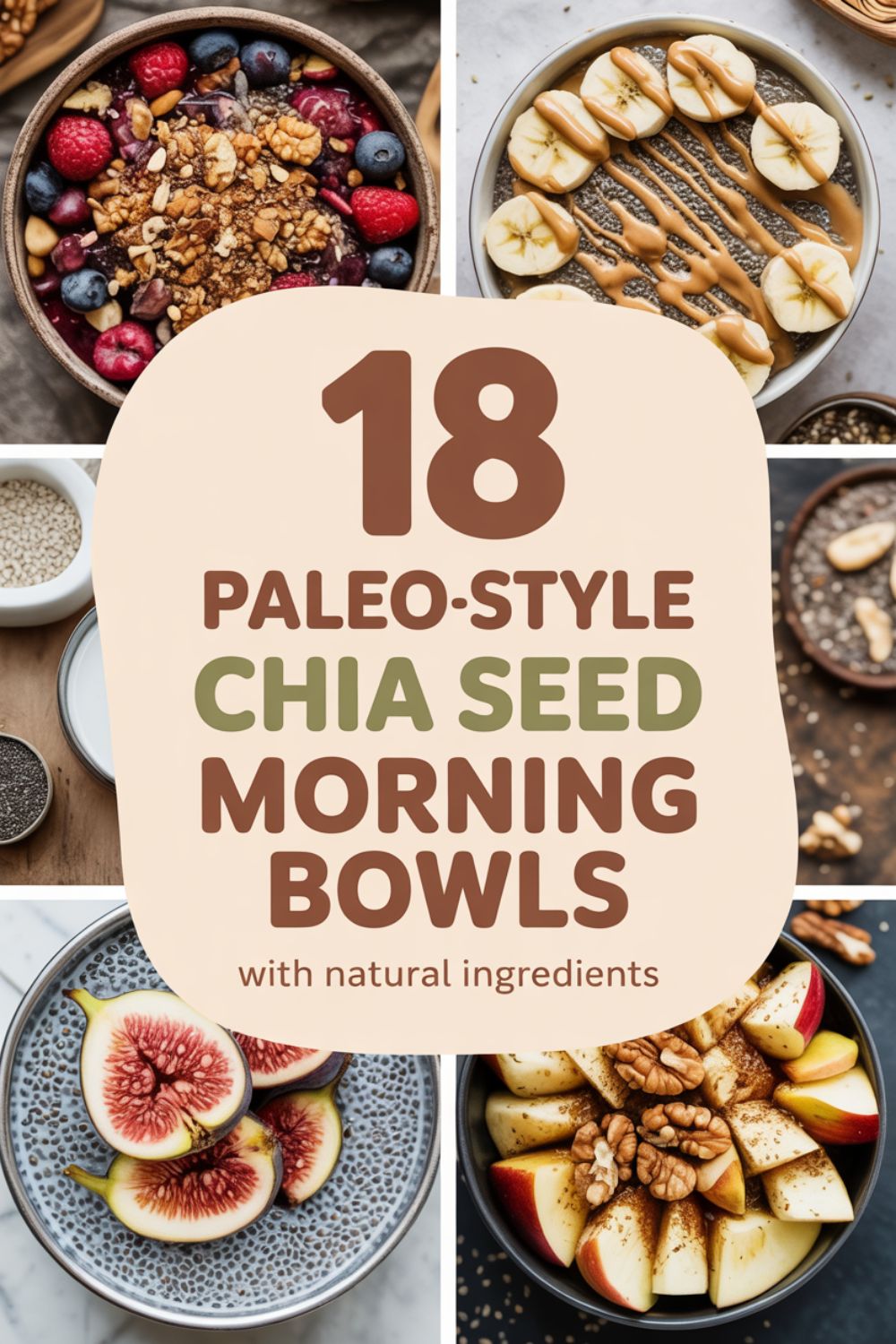
Here’s the thing about paleo-style chia bowls—they’re ridiculously simple, but they don’t have to be boring. I’ve spent way too many mornings experimenting with different combinations, and some have been absolute winners while others… well, let’s just say my dog got some interesting breakfasts. But you don’t have to go through that trial and error because I’m laying it all out here.
The beauty of chia seeds is that they’re completely paleo-approved, packed with omega-3 fatty acids, and they create this pudding-like texture that makes you feel like you’re eating dessert for breakfast. Plus, they keep you full for hours. I’m talking no mid-morning snack attacks or staring longingly at the office donuts.
Why Chia Seeds Are Your New Best Friend
Before we dive into the recipes, let’s talk about why chia seeds deserve a permanent spot in your pantry. These little guys are nutrient-dense powerhouses that our ancestors would’ve gone crazy for if they’d had access to them. Research shows that chia seeds contain more omega-3s than salmon, gram for gram, which is pretty wild when you think about it.
They’re loaded with fiber, protein, and essential minerals like calcium and magnesium. When you mix them with liquid, they expand and create this gel-like consistency that’s both filling and satisfying. It’s like magic, except it’s just science doing its thing.
One tablespoon of chia seeds contains about 5 grams of protein and 10 grams of fiber. That’s substantial, especially when you’re trying to fuel your morning without reaching for grains or dairy. And unlike some superfoods that taste like you’re eating lawn clippings, chia seeds are pretty neutral, which means they take on whatever flavors you pair them with.
The Basic Chia Bowl Blueprint
Every great chia bowl starts with the same foundation. You’ll need a 4:1 ratio of liquid to chia seeds. So if you’re using 1/4 cup of chia seeds, you’ll want 1 cup of liquid. I usually go with coconut milk because it’s creamy and adds natural sweetness, but almond milk works great too if that’s your thing.
Mix your chia seeds and liquid in a jar with a lid—I’m obsessed with these 16-ounce mason jars because they’re the perfect size and you can shake them up without making a mess. Give it a good shake, let it sit for 5 minutes, then shake again to prevent clumping. Nobody likes chia seed clumps, believe me.
From there, you can get creative with your toppings and flavor additions. That’s where these 18 variations come in. Some are fruit-forward, others are more nutty and rich, and a few are straight-up dessert vibes that happen to be nutritious. Let’s get into it.
If you’re looking for more breakfast inspiration beyond chia bowls, you might want to check out these high-protein breakfast options or explore Mediterranean-style morning meals that complement a paleo approach.
18 Paleo-Style Chia Seed Bowl Variations
1. Classic Vanilla Almond
This is your gateway chia bowl. Mix 1/4 cup chia seeds with 1 cup unsweetened almond milk, add a splash of vanilla extract and a drizzle of raw honey. Top with sliced almonds and a handful of fresh berries. It’s simple, it’s clean, and it never gets old.
I make this one at least twice a week because it’s foolproof. The vanilla adds just enough flavor without being overwhelming, and the almonds give you that satisfying crunch. If you’re meal prepping, this one holds up beautifully in the fridge for up to 5 days.
Organic Chia Seeds – 2lb Bulk Bag
After testing dozens of chia seed brands, this is the one I keep coming back to. These organic chia seeds are consistently fresh, never bitter, and gel perfectly every single time. The 2-pound bag lasts me about 3 months of daily use, which makes them way more economical than those tiny grocery store containers.
- USDA Organic & Non-GMO certified
- Perfect gel consistency every time
- Resealable bag keeps them fresh for months
- Better value than smaller packages
- Neutral taste that works with any flavor combo
2. Tropical Paradise
Combine chia seeds with full-fat coconut milk, add some fresh mango chunks, sliced kiwi, and shredded coconut on top. A squeeze of lime juice brings the whole thing together. It tastes like vacation in a jar, which is exactly what Monday mornings need.
The coconut milk makes this one extra creamy and indulgent. I like using this coconut milk brand because it doesn’t have any weird additives and the fat content is perfect for keeping you satisfied until lunch.
3. Berry Bliss
Use coconut milk as your base and top with a mixed berry medley—blueberries, strawberries, raspberries, and blackberries. Add some crushed walnuts and a tiny bit of maple syrup if you need extra sweetness. The antioxidants in berries are off the charts, plus they’re naturally sweet enough that you don’t need much else.
For more berry-focused breakfast ideas, the berry and flaxseed combination works beautifully with similar flavor profiles.
4. Chocolate Banana Dream
Mix your chia seeds with almond milk and stir in 1 tablespoon of raw cacao powder. Top with sliced bananas, a drizzle of almond butter, and some cacao nibs. This one tastes like dessert but it’s actually loading you up with magnesium and potassium.
The cacao powder is key here—don’t use cocoa powder if you can help it. Raw cacao has way more nutrients and a deeper, richer flavor. I get mine from this organic cacao brand and it makes all the difference.
5. Apple Cinnamon Comfort
Create a base with coconut milk, add a hefty sprinkle of cinnamon and a pinch of nutmeg. Top with diced fresh apples (or stewed apples if you’re feeling fancy), chopped pecans, and a drizzle of maple syrup. It’s like apple pie for breakfast, except you won’t crash an hour later.
I like to prep my apples by quickly sautéing them in a pan with a little coconut oil and cinnamon. It takes maybe 5 minutes but it caramelizes them slightly and adds this incredible depth of flavor. Totally worth the extra step.
6. Pumpkin Spice Everything
Mix chia seeds with coconut milk and 2 tablespoons of pure pumpkin puree. Add pumpkin pie spice, top with pecans and pepitas. Yes, it’s seasonal, but honestly, I make this year-round because pumpkin is nutritious and delicious regardless of what month it is.
The pumpkin adds extra fiber and gives the bowl this creamy, almost mousse-like texture. According to nutrition experts at Mayo Clinic, pumpkin is loaded with beta-carotene and vitamin A, making this bowl as good for your eyes as it is for your taste buds.
7. Strawberry Coconut Crush
Use full-fat coconut milk, add fresh strawberry slices, shredded coconut, and a handful of cashews. Simple but ridiculously good. The natural sweetness from the strawberries eliminates the need for any additional sweetener.
If strawberries aren’t in season, frozen ones work perfectly fine. Just thaw them overnight in the fridge so they release their juices into the chia mixture. It creates this beautiful pink color that makes breakfast feel special.
8. Savory Mediterranean
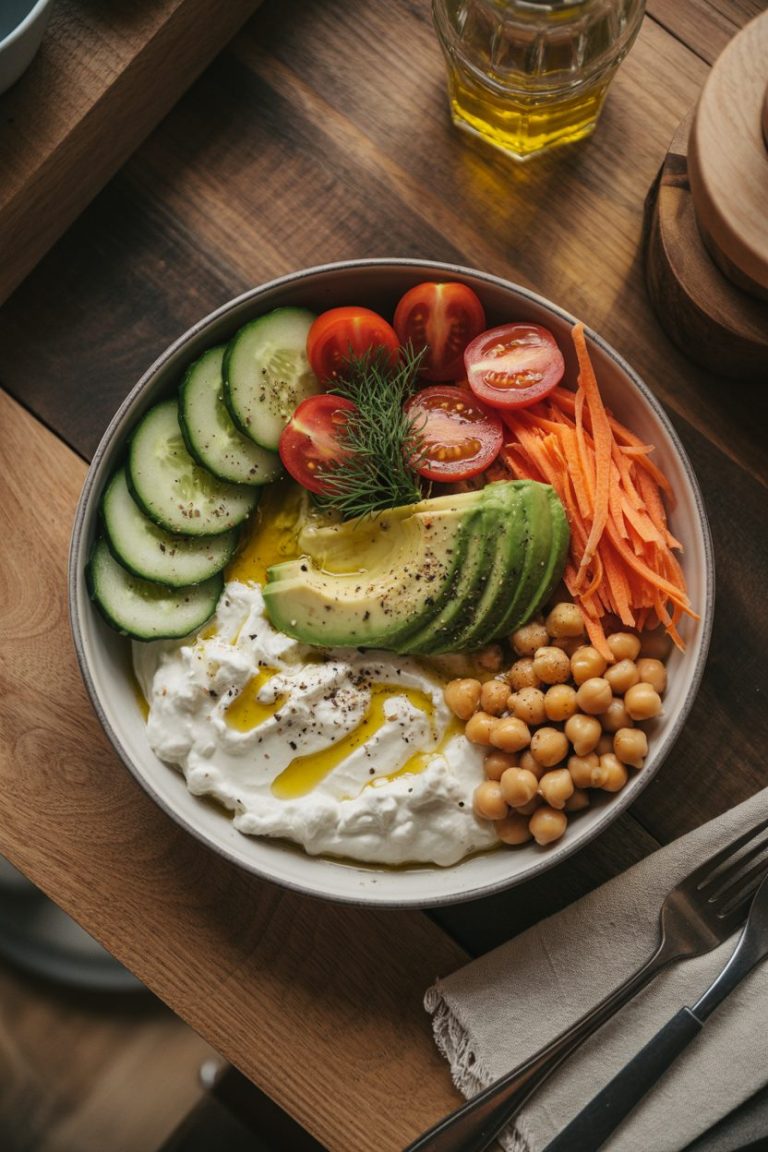
Okay, hear me out on this one. Not every chia bowl needs to be sweet. Mix chia seeds with bone broth or vegetable broth, add diced tomatoes, cucumber, olives, and fresh basil. Top with avocado and a drizzle of olive oil. It’s weird, I know, but it works.
This one took me a while to perfect, but now it’s my go-to when I’m craving something savory in the morning. The chia seeds absorb the broth and create this porridge-like texture that’s surprisingly satisfying. If you’re into Mediterranean flavors, definitely check out the Mediterranean smoothie bowl for similar flavor profiles.
9. Blueberry Lemon Zest
Combine chia seeds with almond milk, add fresh lemon zest and a squeeze of lemon juice. Top with fresh blueberries and sliced almonds. The lemon brightens everything up and makes this feel light and refreshing.
I use this microplane zester for getting the perfect lemon zest without any of the bitter pith. Game changer for this recipe and honestly for cooking in general.
10. Maple Walnut Crunch
Go with coconut milk, add pure maple syrup, top with crushed walnuts and a few dried figs if you can find paleo-approved ones. The walnuts add omega-3s on top of what the chia seeds already provide, making this a brain-boosting powerhouse.
The key is to toast your walnuts first. Just throw them in a dry pan over medium heat for about 3-4 minutes until they smell amazing. It intensifies their flavor and adds that extra crunch factor.
Speaking of satisfying breakfast bowls, you might also enjoy this quinoa and walnut combination or try Get Full Recipe for a similar preparation method.
11. Peach Ginger Fusion
Mix chia seeds with coconut milk and add fresh grated ginger—just a tiny amount, ginger is powerful. Top with fresh or frozen peach slices and a sprinkle of hemp seeds. The ginger adds this spicy kick that wakes you up better than coffee.
Fresh ginger is way better than powdered for this recipe. I keep a knob of ginger in the freezer and grate it straight from frozen using this ceramic grater. Easier than dealing with fresh ginger and it lasts forever.
12. Cherry Almond Delight
Use almond milk as your base, top with fresh or frozen cherries, sliced almonds, and a hint of almond extract in the base mixture. Cherries have natural anti-inflammatory properties that make this bowl perfect for post-workout recovery.
If you’re using frozen cherries, make sure they’re pitted unless you enjoy dental work. Ask me how I know. Actually, don’t.
16oz Glass Mason Jars with Lids (Set of 6)
Honestly, these jars changed my meal prep game. The 16-ounce size is perfect for chia bowls—not too big, not too small. The lids seal tight so you can shake your chia mixture without making a mess, and they’re dishwasher safe which is crucial because nobody wants to hand-wash breakfast containers. I’ve been using the same set for over a year and they still look brand new.
- Wide mouth makes adding toppings easy
- Airtight lids prevent spills and keep food fresh
- See-through glass lets you admire your creation
- Stackable for efficient fridge organization
- Microwave and dishwasher safe
13. Mango Turmeric Sunrise
Combine chia seeds with coconut milk and add a pinch of turmeric and black pepper (the pepper helps with turmeric absorption). Top with fresh mango and a sprinkle of pistachios. The golden color is gorgeous and the anti-inflammatory benefits are legit.
Turmeric can stain everything it touches, so be careful. I learned this the hard way with my favorite white dish towel. RIP to that towel’s glory days.
14. Blackberry Mint Fresh
Mix chia seeds with almond milk, add fresh blackberries and torn mint leaves. Top with crushed macadamia nuts. The mint makes this incredibly refreshing and perfect for summer mornings or when you need something that feels light.
Fresh mint is essential here—dried mint just doesn’t cut it. If you don’t have fresh mint, basil actually works as a substitute and gives it an interesting twist.
15. Caramel Date Sensation
Blend a couple of dates with your coconut milk before adding the chia seeds. Top with chopped dates, pecans, and a pinch of sea salt. It tastes like caramel but it’s just dates doing their natural sweetness thing.
Medjool dates are the move here. They’re sweeter and creamier than other varieties. I buy them in bulk from this online store because they’re way cheaper than grocery store prices and the quality is consistently good.
16. Raspberry Cacao Nibs
Use coconut milk as your base, top with fresh raspberries and cacao nibs. Add a small handful of shredded coconut. The bitterness of the cacao nibs plays perfectly against the tartness of the raspberries.
Cacao nibs take some getting used to if you’re expecting chocolate chip sweetness. They’re bitter and crunchy, but they add this interesting texture and are loaded with antioxidants. Plus, they look fancy, which counts for something.
17. Pear Cardamom Elegance
Mix chia seeds with almond milk and add a pinch of ground cardamom. Top with diced fresh pears and sliced almonds. Cardamom is this underrated spice that adds such a unique, aromatic quality.
A little cardamom goes a long way—start with just a tiny pinch. It’s one of those spices that can overpower everything if you’re not careful. But when you get it right, it’s absolutely incredible.
18. Fig and Honey Luxe
Use coconut milk as your base, top with fresh figs (or dried if fresh aren’t available), a drizzle of raw honey, and crushed pistachios. This one feels fancy enough for special occasions but is easy enough for regular rotation.
Fresh figs are seasonal and can be pricey, but they’re worth it when you can get them. The texture is completely different from dried figs and the flavor is more delicate. When figs aren’t in season, dried ones that have been soaked in warm water for 10 minutes work as a solid substitute.
For those who love starting their day with nutrient-dense bowls, the Mediterranean grain bowl and Greek yogurt parfait offer similar convenience with different flavor profiles worth exploring.
Ingredient Swaps and Substitutions
One of the best things about chia bowls is how flexible they are. Can’t find almond milk? Cashew milk works great. Not a fan of coconut? Try macadamia nut milk. The possibilities are pretty much endless as long as you stick to paleo-approved ingredients.
For sweeteners, stick with raw honey, pure maple syrup, or dates. These are all naturally occurring and don’t spike your blood sugar the way refined sugars do. I typically use about 1-2 teaspoons per bowl, but your taste preferences might vary.
Nuts can be swapped interchangeably based on what you have or what’s on sale. Almonds, walnuts, pecans, cashews, macadamia nuts—they all work. I like to buy mixed raw nuts in bulk and keep them in the freezer to prevent them from going rancid. Nuts last way longer frozen and you can pull out just what you need.
If you’re allergic to nuts, seeds are your friend. Pumpkin seeds, sunflower seeds, and hemp seeds all add great texture and nutritional value without the allergen concerns.
The Science Behind the Satiety
Ever wonder why chia bowls keep you full for so long? It’s not just marketing hype. When chia seeds absorb liquid, they expand up to 10 times their original size. That means they literally take up more space in your stomach, which triggers satiety signals to your brain.
The fiber content is also key. Studies have shown that high-fiber foods slow down digestion and help regulate blood sugar levels. This means you avoid those energy crashes that come with typical breakfast foods like bagels or sugary cereals.
The protein content, while not as high as something like eggs, still contributes to that fullness factor. Combined with the healthy fats from nuts, seeds, and coconut milk, you’ve got a well-rounded meal that actually sustains you.
Plus, the omega-3 fatty acids in chia seeds support brain function and reduce inflammation. So you’re not just eating breakfast—you’re actually fueling your body with ingredients that help it function optimally.
Storage and Meal Prep Tips
Chia bowls are perfect for meal prep because they actually get better as they sit. I usually make 5 at a time on Sunday evening, which takes about 15 minutes total. Just line up your jars, mix your bases, and top them before you eat them in the morning.
They’ll last in the fridge for up to 5 days, though I’ve never had them stick around that long. The key is to keep your toppings separate if they’re things that might get soggy, like fresh fruit. I use these small silicone containers to store toppings separately and just add them in the morning.
For travel, chia bowls are surprisingly portable. Just make sure your jar has a good seal. I’ve taken them on planes, road trips, and to the office countless times without any issues. They don’t need to be kept super cold, though obviously, it’s better if they are.
If you’re making them ahead, add a splash of extra liquid before eating because the chia seeds will continue absorbing moisture. Just a tablespoon or two of your chosen milk will loosen things up to the perfect consistency.
Reusable Bamboo Spork Set with Travel Case
This might seem like a random recommendation, but hear me out. These bamboo sporks are perfect for eating chia bowls on the go. The spoon end is deep enough to scoop the pudding, and the fork tines are great for spearing fruit chunks. Plus, they’re sustainable, lightweight, and come with a compact carrying case that fits in any bag. I keep one in my car, one at work, and one in my gym bag.
- Eco-friendly bamboo construction
- Perfect utensil for textured foods like chia bowls
- Compact travel case included
- Easy to clean and naturally antimicrobial
- Eliminates need for disposable plastic utensils
Looking for more make-ahead breakfast solutions? The overnight oats collection and high-protein overnight variations follow similar prep-ahead principles that save serious morning time.
Common Mistakes to Avoid
Let me save you from the mistakes I made when I first started making chia bowls. First, don’t skip the second shake. I know it seems unnecessary, but if you don’t shake your mixture again after 5 minutes, you’ll end up with clumps of chia seeds that refuse to hydrate properly. Not fun to eat.
Second, don’t use too much liquid thinking it’ll make your bowl creamier. It won’t. You’ll just end up with chia seed soup. Stick to that 4:1 ratio. If your bowl is too thick in the morning, add more liquid then. It’s way easier to thin something out than to thicken it up.
Third, don’t go overboard with sweeteners. The fruit you add will provide plenty of natural sweetness. When I first started, I was adding honey like it was going out of style and my bowls were way too sweet. Now I barely use any sweetener and the natural flavors shine through much better.
Finally, don’t forget to top your bowls with something crunchy. All that soft, pudding-like texture needs contrast. Nuts, seeds, or even some grain-free granola (if you can find paleo-approved stuff) make such a huge difference in the eating experience.
Nutritional Comparison: Chia Seeds vs. Other Breakfast Options
Let’s talk real numbers for a second. A basic chia bowl with coconut milk, berries, and nuts clocks in around 300-400 calories depending on your toppings. Compare that to a typical breakfast of eggs and bacon (which is paleo-friendly but heavy) at around 450-500 calories.
The difference is in the nutrient density. Your chia bowl is giving you significantly more fiber, a better omega-3 to omega-6 ratio, and a wider variety of vitamins and minerals. Research from the National Institutes of Health indicates that paleo-style eating patterns may support improved metabolic markers including better insulin sensitivity and blood pressure management.
Compared to standard American breakfast options like cereal and milk, bagels, or pastries, chia bowls keep your blood sugar stable. There’s no spike and crash cycle. You eat, you feel satisfied, and you stay that way. It’s a completely different experience from the energy rollercoaster most people are on.
The other major advantage is the anti-inflammatory profile. Most breakfast foods in the Western diet are pro-inflammatory—refined grains, added sugars, processed oils. A chia bowl loaded with berries, nuts, and coconut milk is actively working to reduce inflammation in your body.
30-Day Paleo Breakfast Meal Plan INSTANT ACCESS
Look, I get it. Coming up with breakfast ideas every single day is exhausting. That’s why I put together this comprehensive meal plan with 30 days of paleo-friendly breakfast recipes, complete with shopping lists, prep instructions, and macro breakdowns. It includes 15 chia bowl variations plus eggs, smoothies, and hot breakfast options. No more morning decision fatigue.
- 30 unique breakfast recipes with full nutritional info
- Weekly shopping lists organized by section
- Meal prep guide to save you 5+ hours per week
- Substitution chart for dietary restrictions
- Printable PDF format – access anywhere
- Bonus: 10 make-ahead freezer breakfast recipes
Budget-Friendly Tips for Paleo Chia Bowls
Let’s be real for a second—eating paleo can get expensive if you’re not strategic about it. But chia bowls are actually one of the more affordable paleo meal options if you know how to shop smart.
First, buy your chia seeds in bulk. The price difference between buying a tiny jar at the grocery store versus a 2-pound bag online is ridiculous. I get mine from this bulk foods website and it works out to pennies per serving.
Second, use seasonal fruit. Berries in summer, apples in fall, citrus in winter. Not only is seasonal produce cheaper, it’s also fresher and tastier. When berries aren’t in season, frozen ones are your best friend and they’re just as nutritious as fresh.
Third, buy nuts in bulk too, and store them in the freezer. They last forever frozen and you can grab just what you need. I’ve been working through the same 5-pound bag of almonds for months and they’re still perfectly fresh.
Coconut milk can be pricey, but buying canned full-fat coconut milk and mixing it with water gives you the same result as the expensive cartons. One can makes about 3 cups of coconut milk when diluted, saving you a ton of money.
If you’re looking for more budget-conscious meal ideas that fit a similar nutritional profile, the budget-friendly Mediterranean recipes offer great crossover options with paleo principles.
Customizing Chia Bowls for Specific Health Goals
For Weight Loss
If weight loss is your goal, keep your chia bowls on the lighter side. Stick with almond milk instead of coconut milk to reduce calories, use berries as your main topping (they’re lower in sugar than tropical fruits), and go easy on the nuts—maybe 1 tablespoon instead of a handful.
The fiber in chia seeds will keep you full, but you want to be mindful of calorie density. A massive chia bowl loaded with dried fruit, nuts, and coconut milk can easily hit 600-700 calories. Not terrible, but maybe more than you need for breakfast if you’re in a deficit.
For Athletic Performance
Athletes need more carbs to fuel their training. Add more fruit to your chia bowls—bananas, dates, mangoes. These natural sugars will give you quick energy without the crash of refined carbs. Research on athletic performance shows that paleo approaches can be effectively modified to support training demands when carb timing is considered.
You can also add a scoop of paleo-friendly protein powder if you’re trying to hit higher protein targets. Just make sure it’s clean—no weird additives or artificial sweeteners.
For Blood Sugar Control
If you’re managing diabetes or insulin resistance, chia bowls are actually perfect. The high fiber content slows down sugar absorption, and the lack of processed carbs means no blood sugar spikes. Stick with lower-sugar fruits like berries and add extra cinnamon, which has been shown to help with blood sugar management.
Keep your portions consistent so you can track how your body responds. Most people find that a standard chia bowl (1/4 cup seeds, 1 cup liquid, reasonable toppings) keeps their blood sugar nice and steady.
For Gut Health
The fiber in chia seeds is prebiotic, meaning it feeds the good bacteria in your gut. If gut health is your focus, add fermented toppings like coconut yogurt when you can. The probiotics combined with the prebiotics create a powerful gut-healing combination.
You can also add a sprinkle of ground flaxseed for additional fiber and omega-3s. Just don’t go overboard—too much fiber at once can actually cause digestive distress if your gut isn’t used to it. Build up gradually.
Complete Paleo Pantry Stocking Guide BESTSELLER
Starting paleo can feel overwhelming when you’re staring at your pantry wondering what stays and what goes. This guide eliminates the guesswork. I’ve created the ultimate paleo pantry checklist with brand recommendations, storage tips, and a complete breakdown of what to buy, where to buy it, and how much to budget. Plus, you’ll get my favorite money-saving hacks that have saved me hundreds of dollars.
- Complete pantry audit checklist (what to keep, what to toss)
- Essential ingredients list with specific brand recommendations
- Budget breakdown for different spending levels
- Bulk buying guide to save 30-40% on groceries
- Storage and organization tips for maximum freshness
- Bonus: Printable shopping list for your first paleo grocery run
Troubleshooting Common Chia Bowl Issues
Problem: My chia bowl is too thick
Solution: Add more liquid in the morning. Start with a tablespoon or two and stir it in. The chia seeds continue absorbing liquid overnight, so what seemed perfect in the evening might be paste-like by morning. No big deal, just thin it out.
Problem: My chia bowl is too thin
Solution: You used too much liquid or didn’t let it sit long enough. If you’re eating it right away, you need to wait at least 2 hours for proper absorption. Overnight is better. If it’s already thin, you can’t really fix it, but now you know for next time.
Problem: I have chia seed clumps
Solution: You didn’t shake it enough or didn’t do the second shake. Always shake your mixture immediately after combining, wait 5 minutes, then shake again. This distributes the seeds evenly and prevents clumping.
Problem: My chia bowl tastes bland
Solution: You’re probably not using enough flavoring. Add more vanilla extract, cinnamon, or whatever spices you’re using. Also, make sure you’re topping it with enough fruit and nuts. The toppings are where most of the flavor comes from.
Problem: I’m still hungry after eating my chia bowl
Solution: Either your portion size is too small, or you’re not including enough protein and fat. Add more nuts, or have a side of eggs. Some people need more food in the morning than others, and that’s totally fine. A chia bowl should be the start of your meal, not necessarily the entire thing.
For those mornings when chia bowls aren’t quite enough, pairing them with a simple veggie omelet or turkey sausage patties creates a more substantial meal.
The Environmental Impact of Chia Seeds
Here’s something I think about maybe more than the average person—the sustainability of what I’m eating. Chia seeds are actually pretty good from an environmental standpoint. They require relatively little water compared to other crops, and they’re often grown organically without heavy pesticide use.
They’re grown primarily in South America and Australia, so there is some carbon footprint from transportation. But compared to the environmental impact of conventional breakfast foods—especially those involving industrial agriculture and animal products—chia seeds come out ahead.
One thing to watch for is sourcing. Look for fair trade or organic certifications when possible. This ensures that the farmers growing your chia seeds are being treated and paid fairly. I use this organic chia seed brand because they’re transparent about their sourcing and farming practices.
Chia Seeds vs. Other Breakfast Superfoods
People often ask me how chia seeds stack up against other popular breakfast additions like hemp seeds, flaxseeds, or quinoa flakes. Here’s my take: they all have their place, but chia seeds win for convenience and versatility.
Hemp seeds are great for protein but they don’t create that pudding texture. Flaxseeds need to be ground to be digestible and they don’t gel the same way. Quinoa flakes require cooking. Chia seeds require literally zero preparation except mixing with liquid and waiting.
That said, there’s no reason not to combine them. I sometimes add a tablespoon of hemp seeds to my chia bowls for extra protein. Or I’ll throw in some ground flaxseed for additional omega-3s. They play well together.
The nutritional profiles are all slightly different, so rotating between them gives you a wider range of nutrients. But if I had to pick just one for convenience and nutrition, chia seeds win every time.
Chia Bowl Recipe App & Tracker NEW RELEASE
Track your chia bowl creations with this interactive digital tracker and recipe builder. This isn’t just a static PDF—it’s a fully customizable spreadsheet that calculates nutrition automatically, suggests flavor combinations based on what you have on hand, and tracks your favorite recipes. I use this daily to plan my weekly chia bowls and it’s saved me so much time and mental energy.
- 100+ pre-loaded chia bowl recipes with full nutrition data
- Custom recipe builder with automatic macro calculator
- Ingredient inventory tracker (know what you have/need)
- Flavor pairing guide with 200+ combinations
- Weekly meal planner with grocery list generator
- Works in Excel, Google Sheets, or Numbers – no special software needed
Frequently Asked Questions
Can I make chia bowls without refrigeration?
Yes, but only for a few hours. Chia seeds will gel at room temperature, taking about 2-4 hours versus overnight in the fridge. However, if you’re using coconut milk or adding perishable toppings like fresh fruit, you’ll want to refrigerate within 2 hours to prevent spoilage. For travel or camping, chia seeds work great with shelf-stable almond milk.
Are chia bowls actually filling enough for breakfast?
For most people, yes. The combination of fiber, healthy fats, and protein keeps you satisfied for 4-5 hours. However, if you’re very active or have higher calorie needs, you might want to pair your chia bowl with additional protein like eggs or make a larger portion. Everyone’s satiety levels are different, so experiment to find what works for you.
Can kids eat chia bowls?
Absolutely. Chia seeds are safe for children over age one. The texture might take some getting used to for picky eaters, but you can make them more kid-friendly by using chocolate-flavored variations or mixing in their favorite fruits. Just make sure younger kids drink plenty of water with chia seeds since they’re so high in fiber.
How long do chia bowls last in the fridge?
Properly stored chia bowls last 5-7 days in the fridge. Keep them in airtight containers and add fresh toppings daily rather than storing them with toppings already mixed in. The chia mixture itself stays fresh, but fruits and nuts can get soggy if stored too long together.
Do I need to grind chia seeds like flaxseeds?
No, unlike flaxseeds, chia seeds are fully digestible whole. Your body can absorb the nutrients from whole chia seeds without grinding them first. When they gel up in liquid, they’re even easier to digest. That’s one of the things that makes them so convenient.
Final Thoughts
If you’ve made it this far, you’re probably either really into chia seeds now or you’re wondering what took you so long to try them. Either way, these 18 variations should give you enough options to never get bored with your breakfast routine.
The beauty of chia bowls is that they’re endlessly customizable. Once you understand the basic 4:1 ratio and the prep method, you can experiment with literally any flavor combination you can imagine. Some will be hits, some will be misses, but that’s part of the fun.
I’ve been making chia bowls for three years now, and I still discover new combinations I love. Last week I tried a savory version with miso broth and it was unexpectedly incredible. The point is, don’t be afraid to get weird with it. The worst that happens is you make something you don’t like and you try again tomorrow.
These bowls have legitimately changed my mornings. No more rushing around trying to figure out what to eat. No more grabbing whatever’s convenient and regretting it an hour later. Just grab a jar from the fridge, add your toppings, and you’re good to go with something that actually nourishes your body.
Start with the classic vanilla almond version if you’re new to this. It’s foolproof and delicious. Once you’ve got that down, branch out into the more adventurous flavors. Your taste buds—and your body—will thank you for making the switch to these nutrient-dense, satisfying breakfast bowls that actually support your health goals instead of sabotaging them.