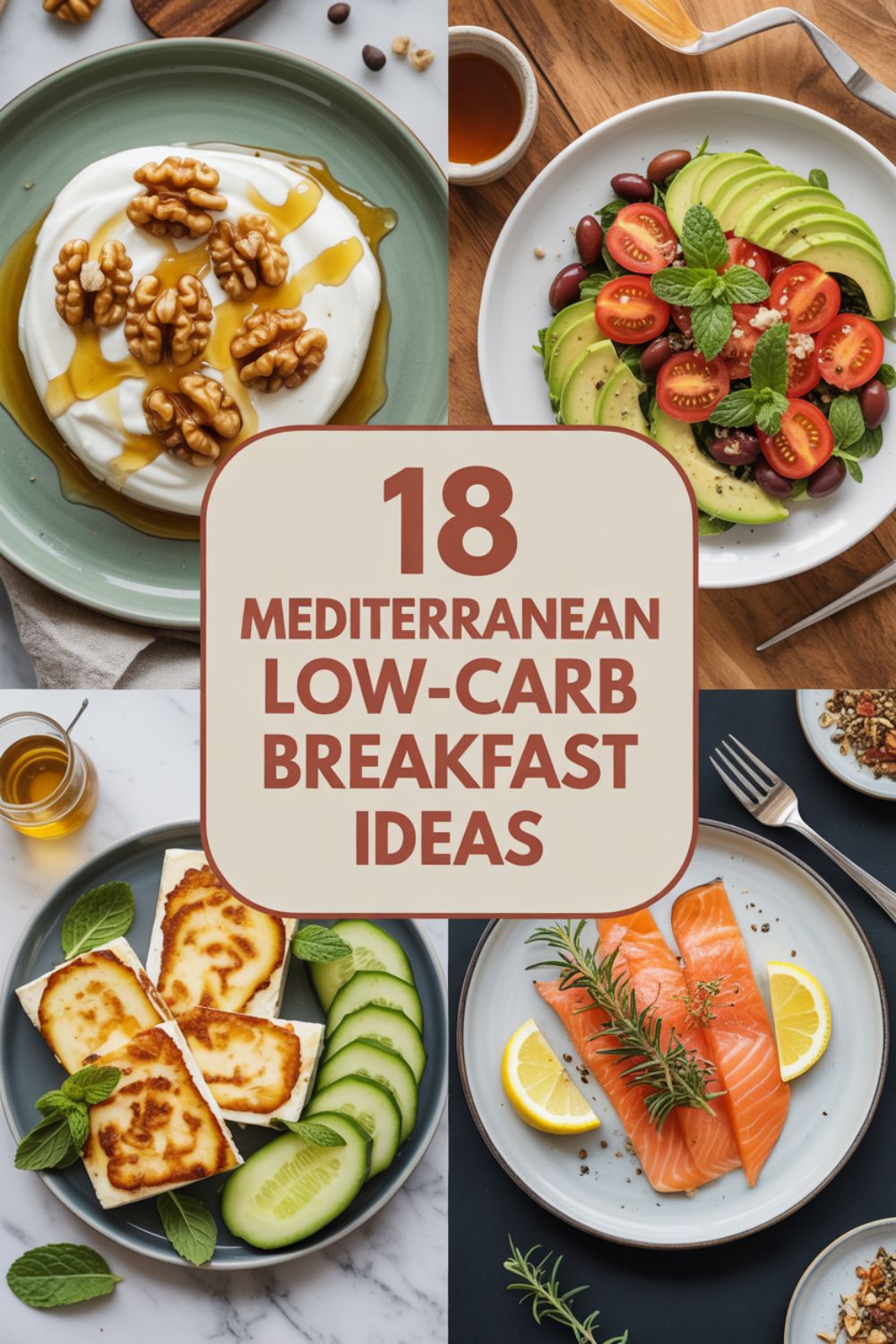
18 Mediterranean-Low-Carb Breakfast Ideas
Look, I get it. You want the health benefits of the Mediterranean diet, but you’re also trying to keep those carbs in check. Maybe you’re sick of the same old eggs and bacon, or maybe you just want breakfast to feel a little less… American? Either way, you’re in the right place.
The Mediterranean diet is basically the golden child of eating patterns—tons of research backing it up, actual food that tastes good, and zero weird supplements. But here’s the thing: traditional Mediterranean breakfasts can be carb-heavy. Think crusty bread, pastries, fruit-laden yogurt bowls. Not exactly what you need when you’re watching your carb intake.
So I’ve spent way too much time figuring out how to marry these two approaches. Turns out, it’s not that hard once you know the tricks. You keep the olive oil, the fresh herbs, the quality proteins, and the vibrant veggies—but you ditch the bread basket and sugar bombs.
Why Mediterranean Meets Low-Carb Actually Makes Sense
Here’s what I love about this combo: you’re not sacrificing flavor for health. Mediterranean cuisine is built on fat—the good kind, mind you. Olive oil, nuts, fatty fish, cheese. These are all low-carb friendly foods that keep you full without spiking your blood sugar.
The Mediterranean approach also emphasizes whole, minimally processed foods. According to Harvard Medical School, this eating pattern is associated with reduced risk of heart disease, diabetes, and even certain cancers. When you strip out the high-carb elements but keep the core principles, you get all those benefits while maintaining stable energy levels throughout your morning.
Plus, let’s be real—Mediterranean food is just more interesting than plain scrambled eggs. You get herbs, spices, tangy cheeses, briny olives. Your taste buds don’t feel like they’re being punished.
📊 The Mediterranean Diet Macro Tracking App
Most macro tracking apps are built for bodybuilders or strict keto dieters. They have no clue what to do with Mediterranean eating patterns. The MyMediterraneanMacros Premium App is literally the only tracker I’ve found that gets it.
It has a massive database of Mediterranean foods already loaded—everything from different types of olives to regional cheeses to Greek yogurt brands. You can set custom carb limits (whether you’re doing 50g, 100g, or somewhere in between), track your healthy fat intake, and it even reminds you to hit your omega-3 targets. First month free trial, then like $4.99/month. Worth every penny if you’re serious about this lifestyle.
The Building Blocks of a Mediterranean Low-Carb Breakfast
Before we dive into specific recipes, let’s talk about what actually goes into these meals. Think of these as your foundational ingredients—the stuff you want stocked in your kitchen at all times.
Proteins That Actually Deliver
Eggs are your obvious choice here, but don’t sleep on Greek yogurt (the full-fat, unsweetened kind), feta cheese, and smoked salmon. I also keep canned sardines around because they’re cheap, shelf-stable, and packed with omega-3s. Are they sexy? No. Do they work? Absolutely.
For a quick protein boost that tastes way better than it sounds, try this savory cottage cheese toast. Just swap the bread for cucumber slices or use it as a dip for bell pepper strips.
Fats That Keep You Full
Extra virgin olive oil is non-negotiable. I use this organic EVOO for everything from cooking eggs to drizzling over finished dishes. You also want olives (Kalamata are my favorite), avocados, nuts like almonds and walnuts, and tahini.
One trick I learned: keep a small jar of quality tahini in your fridge. A spoonful mixed with lemon juice and water makes an instant sauce that transforms boring vegetables into something you’d actually order at a restaurant.
The Veggie Situation
Mediterranean cuisine is big on vegetables, which is great for low-carb eating. Tomatoes, cucumbers, bell peppers, zucchini, spinach, arugula—these should be your morning regulars. I also love adding fresh herbs like parsley, dill, and mint. They’re basically calorie-free but add massive flavor.
A herb keeper changed my life here. Seriously, fresh herbs last way longer when stored properly, and you stop wasting money on wilted cilantro you bought three days ago.
If you’re looking for more ways to pack veggies into your morning routine, check out the savory Mediterranean scramble. It’s basically a vehicle for whatever vegetables are hanging out in your crisper drawer.
18 Mediterranean Low-Carb Breakfast Ideas That Don’t Suck
1. Greek Yogurt Bowl with Strategic Toppings
Start with full-fat Greek yogurt—none of that fat-free nonsense that leaves you hungry in an hour. Top it with a handful of berries (they’re lower in carbs than you think), chopped walnuts, a drizzle of olive oil (trust me), and a pinch of cinnamon.
The Greek yogurt bowl with berries recipe shows you exactly how to nail the proportions. Get Full Recipe.
2. Shakshuka Without the Bread
This North African dish has become a Mediterranean breakfast staple, and for good reason. Eggs poached in a spicy tomato sauce, finished with feta and fresh herbs. You don’t need bread when the sauce is this good—just grab a spoon.
I make mine in a cast iron skillet because it goes from stovetop to table and looks pretty doing it. The shakshuka eggs in spicy tomato sauce version is my go-to. Get Full Recipe.
3. Smoked Salmon and Avocado Plate
This is what I eat when I want to feel fancy but have zero time. Smoked salmon, sliced avocado, capers, red onion, cucumber, and a squeeze of lemon. Done. It takes maybe three minutes to assemble.
The smoked salmon avocado toast recipe works great here—just skip the toast part or use cucumber rounds as your base. Get Full Recipe.
4. Mediterranean Vegetable Omelet
Eggs, cherry tomatoes, spinach, feta, olives, and a generous amount of olive oil. This is basically a classic veggie omelet with a Mediterranean twist. Get Full Recipe.
I use a non-stick omelet pan because I’m not trying to prove anything to anyone. Life’s too short to scrape egg off your regular skillet.
5. Feta and Herb Egg Muffins
Make these on Sunday, eat them all week. Eggs, feta, dill, spinach, sun-dried tomatoes, baked in a muffin tin. They reheat perfectly and you can eat them cold if you’re running late.
The spinach feta egg muffins recipe is basically foolproof. Get Full Recipe. I use a silicone muffin pan for these—nothing sticks, and cleanup is a joke.
Speaking of easy breakfast prep, if you’re into the whole make-ahead thing, you’ll probably also like these egg muffins and this spinach feta Greek casserole. They’re different flavor profiles but same energy: cook once, eat multiple times.
6. Cucumber Boats with Tuna and Feta
Halve a cucumber lengthwise, scoop out the seeds, fill with canned tuna mixed with olive oil, lemon, feta, and herbs. It’s crunchy, refreshing, and high in protein.
This is basically a deconstructed version of the tuna white bean salad—just hold the beans. Get Full Recipe.
7. Turkish-Style Eggs (Cilbir)
Poached eggs over Greek yogurt with a chili oil drizzle. Sounds weird, tastes incredible. The combination of hot eggs and cold yogurt is something you need to experience.
You can poach eggs in a silicone egg poacher if you’re scared of the traditional method. No judgment—I use one too.
8. Avocado Stuffed with Egg
Cut an avocado in half, remove some of the flesh to make room, crack an egg into each half, and bake until the egg sets. Top with everything bagel seasoning or za’atar.
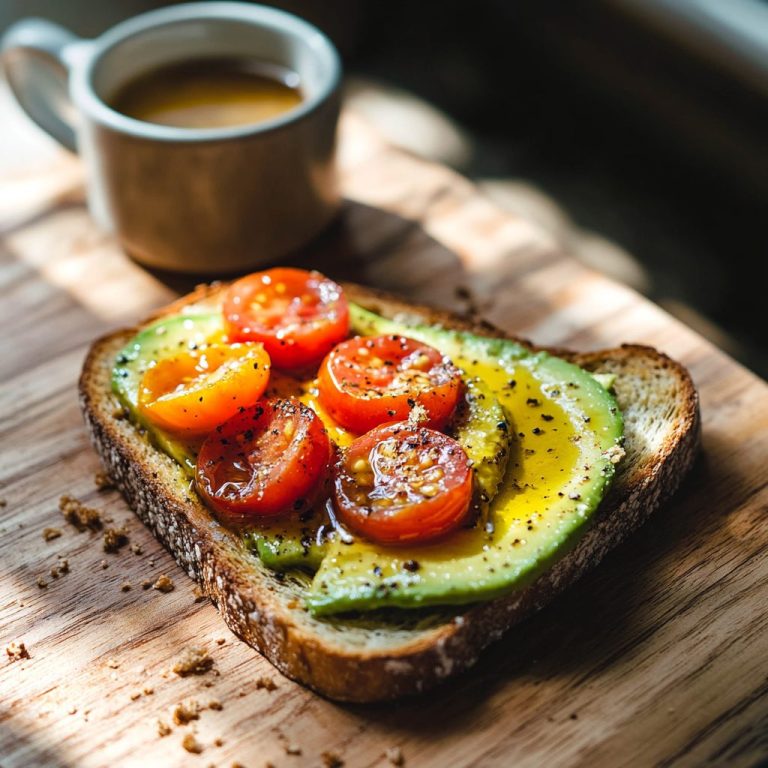
This works great with the flavor profile from avocado toast with tomato and olive oil, just minus the toast. Get Full Recipe.
9. Mediterranean Scramble with Herbs
Scrambled eggs with tomatoes, feta, fresh dill, and a drizzle of good olive oil. The key is cooking the eggs low and slow—none of that rubbery nonsense you get at bad diners.
The technique from the savory Mediterranean scramble will change how you make eggs forever. Get Full Recipe.
10. Baked Feta with Tomatoes and Eggs
This is basically shakshuka’s cooler cousin. Feta in the center of a baking dish, surrounded by cherry tomatoes and olives, baked until the cheese is soft and the tomatoes burst. Crack eggs on top for the last few minutes.
I use a small ceramic baking dish for this—it’s the perfect size for one or two people and looks good enough to serve in.
11. Cauliflower Hash with Poached Egg
Riced cauliflower sautéed with bell peppers, onions, and Mediterranean spices, topped with a poached egg. It’s what hash browns wish they could be.
You can buy pre-riced cauliflower or use a food processor to make your own. I’m not above the pre-riced stuff—time is money, folks.
12. Greek-Style Breakfast Bowl
Spinach, cherry tomatoes, cucumber, olives, feta, hard-boiled eggs, and a lemon-olive oil dressing. It’s a salad, but for breakfast, and it works.
This is similar to the Mediterranean grain bowl, just without the grains. Get Full Recipe.
13. Zucchini Fritters with Tzatziki
Shredded zucchini mixed with eggs, feta, and herbs, pan-fried until crispy. Serve with homemade tzatziki (Greek yogurt, cucumber, garlic, dill).
A box grater makes quick work of the zucchini. Sure, you could use a food processor, but honestly, a grater is faster for this quantity.
14. Sardines with Tomato and Avocado
High-quality canned sardines (yes, they exist) with sliced tomatoes, avocado, a squeeze of lemon, and black pepper. According to the Mayo Clinic, sardines are one of the best sources of omega-3 fatty acids you can find.
I like these wild-caught sardines in olive oil. They’re packed with flavor and don’t taste like cat food, which is a low bar but important.
15. Spinach and Feta Breakfast Casserole
This is your weekend project that pays dividends all week. Eggs, spinach, feta, sun-dried tomatoes, and herbs baked until golden. The spinach feta Greek casserole recipe is the blueprint. Get Full Recipe.
Cut it into squares, refrigerate, and you’ve got breakfast sorted for days. Reheats in 60 seconds flat.
16. Halloumi and Vegetable Skewers
Okay, this one requires you to turn on the grill or a grill pan, but stick with me. Halloumi (a firm cheese that doesn’t melt) threaded onto skewers with cherry tomatoes, zucchini, and bell peppers. Grilled until everything’s charred and the cheese is squeaky.
The grilled veggie halloumi skewers work perfectly for this. Get Full Recipe.
A grill pan means you can make these year-round without freezing your butt off outside.
17. Mediterranean Smoothie Bowl (The Right Way)
Most smoothie bowls are sugar bombs masquerading as health food. This one’s different. Spinach, avocado, cucumber, Greek yogurt, a small handful of berries, and protein powder if you’re into that.
Top with nuts, seeds, and unsweetened coconut flakes. The Mediterranean smoothie bowl recipe keeps the carbs reasonable. Get Full Recipe.
I use a high-powered blender for these because cheap blenders just can’t handle frozen ingredients without throwing a tantrum.
18. Baked Eggs in Avocado with Feta
This is number 8’s fancier sibling. Same concept—egg baked in an avocado—but with crumbled feta on top and a sprinkle of za’atar or sumac.
Bake at 425°F for about 15 minutes. The exact time depends on how runny you like your yolk. I’m a runny yolk person, so 12-13 minutes works for me.
Making This Work in Real Life
Here’s the thing about breakfast: you’re probably not a morning person (most of us aren’t), and you definitely don’t have time for complicated recipes when you’re trying to get out the door.
So here’s my actual, real-life approach. I make the egg muffins and breakfast casserole on Sunday. That covers Monday through Wednesday, maybe Thursday if I’m lucky. I keep ingredients for quick options—Greek yogurt, pre-washed spinach, eggs, feta, smoked salmon—on hand at all times. Then I rotate through the simpler options depending on how much time I have.
Five minutes? Smoked salmon plate or Greek yogurt bowl. Ten minutes? Shakshuka or an omelet. Fifteen minutes? Something fancier like the halloumi skewers or zucchini fritters.
For more inspiration that follows this same philosophy—real food, real life, zero BS—check out these high-protein breakfast recipes and these Mediterranean breakfast recipes for busy mornings. They’re all about making your mornings easier without sacrificing nutrition or flavor.
The Ingredient Quality Question
Do you need to buy the most expensive olive oil and imported feta? No. Will your breakfast taste better if you upgrade from the cheapest possible ingredients to mid-range quality? Absolutely.
Here’s where I spend extra: olive oil (you taste it in everything), feta cheese (the good stuff has actual flavor), and eggs (pasture-raised if you can swing it). Where I save: canned goods like sardines and tuna (store brand is fine), frozen vegetables (often fresher than “fresh”), and herbs that I grow myself on my windowsill.
A windowsill herb garden kit is cheaper than constantly buying fresh herbs at the store, and honestly kind of satisfying to watch grow.
📚 The Essential Mediterranean Diet Recipe Collection (500+ Authentic Recipes)
Forget those “Mediterranean” cookbooks filled with pasta and pizza recipes. The Authentic Mediterranean Recipe Vault is a massive digital cookbook with over 500 traditional recipes from Greece, Italy, Spain, Turkey, and North Africa—all organized by region and macros.
Every single recipe includes full nutritional breakdown, carb count, and cooking time. You can filter by “low-carb,” “under 30 minutes,” “vegetarian,” or whatever you need. Plus it has a whole section on Mediterranean cooking techniques, spice guides, and ingredient substitutions. It’s a digital download (PDF + interactive version), so you get it instantly. They’ve also got video tutorials for the tricky recipes. Honestly the best $27 I’ve spent on my Mediterranean journey.
Common Mistakes and How to Avoid Them
The biggest mistake I see people make with Mediterranean low-carb breakfasts? Not using enough fat. You removed the carbs, which means you need to replace that energy with healthy fats. Otherwise, you’re just hungry again in an hour and heading straight for the break room donuts.
Don’t be scared of olive oil. Use it generously. Add avocado when you can. Include nuts or seeds. Your body needs fat to feel satisfied, and Mediterranean fats are some of the healthiest you can consume.
Another mistake: thinking you need to eat traditional breakfast foods. Who made that rule? If you want the cucumber tomato feta salad for breakfast, go for it. Get Full Recipe. Food is food.
What About Coffee?
Greek coffee (or Turkish coffee, depending on who you ask) is traditionally served strong and sweet. Skip the sugar, embrace the strong. If you need a little something, add a splash of heavy cream or full-fat coconut milk.
I’m weirdly particular about my coffee setup, and a quality coffee grinder makes a bigger difference than you’d think. Fresh-ground beans just hit different.
Some people like adding a spoonful of coconut oil or MCT oil to their coffee for extra energy. I think it makes coffee taste like you’re drinking a candle, but you do you.
Related Recipes You’ll Love
Looking for more Mediterranean breakfast inspiration? Here are some recipes that pair perfectly with these ideas:
More Low-Carb Mediterranean Options:
- High-Protein Low-Carb Mediterranean Recipes
- Cucumber Avocado Toast with Za’atar
- Greek Yogurt Chicken Salad
Meal Prep and Planning:
Frequently Asked Questions
Can I meal prep these Mediterranean low-carb breakfasts?
Absolutely. The egg muffins, breakfast casseroles, and hard-boiled eggs all store beautifully for 4-5 days in the fridge. For things like smoothie bowls or fresh salads, I’d prep the ingredients separately and assemble them fresh each morning. Takes maybe two extra minutes but tastes way better.
How many carbs are in these breakfasts?
Most of these options clock in between 5-15 grams of net carbs, depending on portion sizes and exactly which vegetables you include. The Greek yogurt options tend to be slightly higher due to natural dairy sugars, but still reasonable. If you’re doing strict keto (under 20g daily), just watch your portions and choose the egg-based options more frequently.
Do I need special equipment for these recipes?
Nope. A good non-stick pan, a baking dish, and maybe a muffin tin will cover 90% of these recipes. Everything else is optional but convenient—like a food processor for cauliflower rice or a nice blender for smoothies.
What if I don’t like eggs?
You’ve got options. Greek yogurt bowls, sardine plates, smoked salmon, halloumi cheese, and smoothie bowls are all egg-free. You can also look into chickpea flour for egg alternatives in some recipes, though that adds more carbs so watch your portions.
Is this approach sustainable long-term?
IMO, yes—way more sustainable than most restrictive diets. You’re eating real food with tons of variety, and you’re not eliminating entire food groups without reason. The Mediterranean diet is one of the most studied eating patterns out there, and adding a low-carb twist just optimizes it for blood sugar control. As long as you’re feeling good and getting proper nutrition, there’s no reason you can’t eat this way indefinitely.
Final Thoughts
Mediterranean low-carb breakfasts aren’t about deprivation. They’re about eating food that actually tastes good while supporting your health goals. You’re not choking down egg whites and sadness. You’re eating creamy feta, briny olives, perfectly ripe avocados, and eggs cooked in good olive oil.
Start with the recipes that sound easiest or most appealing. Maybe that’s the Greek yogurt bowl, maybe it’s shakshuka, maybe it’s just smoked salmon on cucumber rounds. Whatever gets you started is the right choice.
Then experiment. Add different herbs, try new vegetables, adjust the spices to your taste. Mediterranean cooking is forgiving like that. There’s no one right way to do it.
And if you mess something up? That’s fine too. I’ve made some truly terrible shakshuka in my day (turns out you can’t walk away from simmering tomato sauce to answer emails). You learn, you adjust, you get better.
The goal isn’t perfection. The goal is sustainable, enjoyable eating that makes you feel good in the morning and doesn’t leave you raiding the vending machine by 10 AM. These 18 options give you a solid rotation to work with. The rest is just showing up and making breakfast happen.