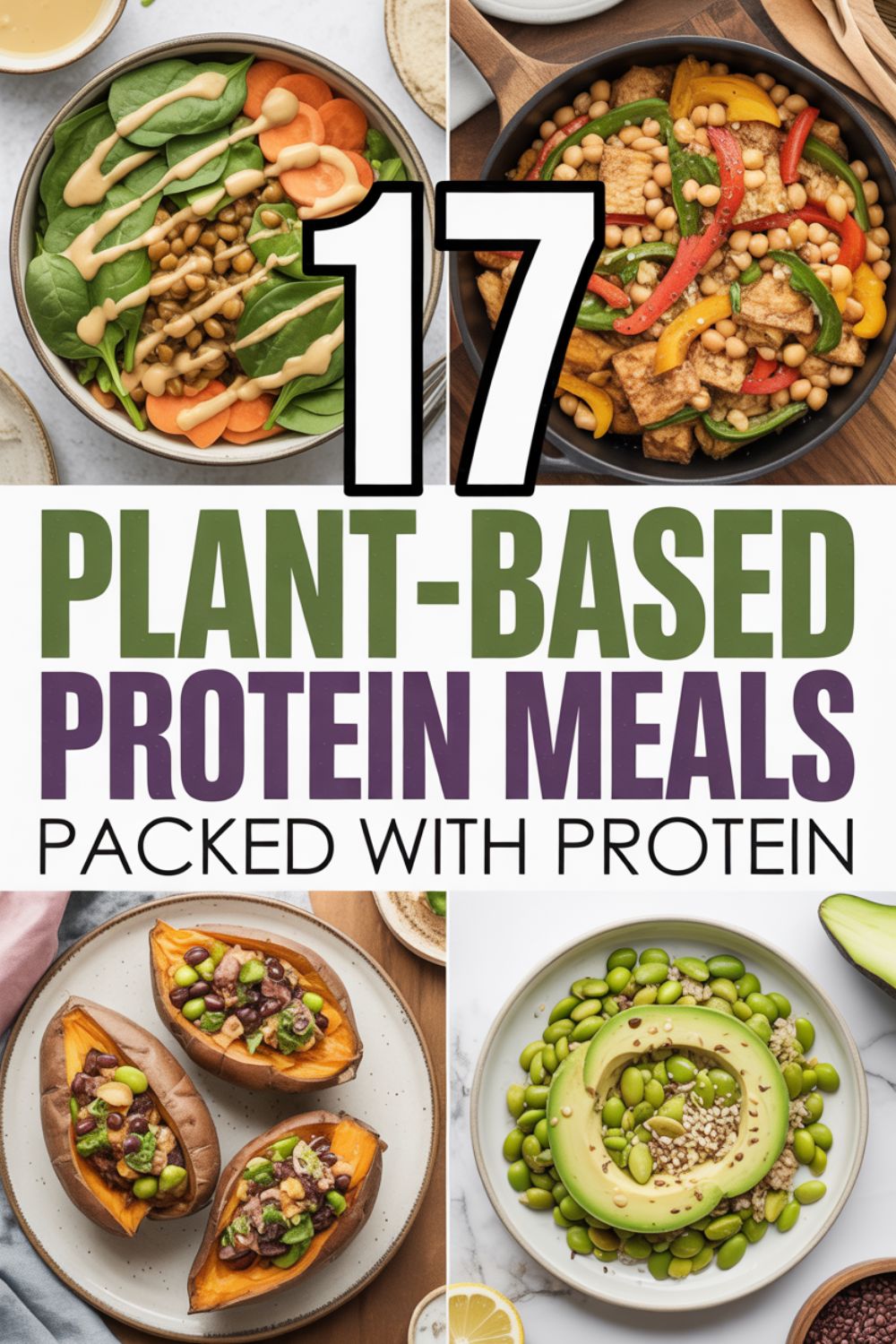
17 Plant-Based Meals Packed with Protein
Look, I’m not here to convert anyone to veganism or preach about saving the planet. But if you’re tired of feeling sluggish after meals or watching your protein intake tank every time you skip meat, we need to talk. Plant-based proteins aren’t just for hippies and yoga instructors anymore—they’re legit fuel that’ll keep you satisfied without the food coma.
Here’s the thing nobody tells you: getting enough protein from plants is actually easier than you think. You don’t need to become a master chef or spend hours meal prepping. You just need to know which foods pack the biggest punch and how to throw them together without making your taste buds revolt.
Why Plant-Based Protein Actually Works
The whole “incomplete protein” myth? Yeah, let’s kill that right now. Research shows that plant foods contain all nine essential amino acids, and you don’t need to stress about combining them in every single meal. Your body’s smarter than that—it pools amino acids throughout the day.
What makes plant protein different isn’t that it’s somehow inferior. Plant-based proteins come loaded with fiber, vitamins, minerals, and antioxidants that you’d never get from a chicken breast. Plus, studies suggest that replacing animal protein with plant protein may reduce heart disease risk by up to 12%. Not too shabby for some beans and rice, right?
The real advantage? Plant proteins won’t leave you feeling like you need a nap after lunch. That heavy, sluggish feeling you get after a massive steak? That’s your body working overtime to digest all that saturated fat. Plants digest cleaner, which means more sustained energy throughout your day.
The Building Blocks: Best Plant Protein Sources
Legumes Lead the Pack
Beans, lentils, chickpeas—these are your protein MVPs. A single cup of cooked lentils packs around 18 grams of protein. That’s more than two eggs, FYI. And unlike eggs, lentils also deliver a massive dose of fiber that’ll keep you full for hours.
The beauty of legumes is their versatility. Toss chickpeas into a Mediterranean chickpea bowl for lunch, blend white beans into a creamy soup, or mash black beans into burger patties. I keep a few cans in my pantry at all times because they’re basically foolproof insurance against “nothing to eat” syndrome.
Speaking of chickpeas, have you tried making your own hummus? Game changer. I use this food processor that makes the whole thing stupid easy—no chunks, perfect texture every time. Way better than store-bought, and you know exactly what’s going in there.
Tofu, Tempeh, and the Soy Family
Okay, I get it. Tofu has an image problem. But hear me out: you’ve probably just had badly cooked tofu. The secret? Press it properly and crank up the heat. Soy foods like tofu and tempeh are complete proteins, meaning they contain all nine essential amino acids your body needs.
A block of extra-firm tofu gives you about 20 grams of protein. Press it for 20 minutes (I use this tofu press while I’m doing other things), cut it into cubes, toss with some cornstarch, and pan-fry until crispy. Suddenly you’ve got protein-packed nuggets that’ll make you forget about chicken.
Tempeh’s even better if you’re into fermented foods. It’s got a nutty flavor that actually tastes like something, unlike tofu’s blank canvas situation. Try crumbling it into a lentil shepherd’s pie or marinating slices for a sandwich.
Nuts, Seeds, and Grains
Don’t sleep on quinoa. Unlike most grains, quinoa is a complete protein—all nine essential amino acids in one fluffy grain. One cup cooked gives you 8 grams of protein plus a solid hit of iron and magnesium.
Hemp seeds are ridiculous. Three tablespoons pack 10 grams of protein, and they’ve got all those omega-3s everyone’s always talking about. I sprinkle them on literally everything—smoothie bowls, salads, oatmeal. They’re like nutritional confetti.
Almonds, walnuts, chia seeds, pumpkin seeds—they all add up faster than you’d think. A quarter cup of almonds is 6 grams right there. I keep a jar of mixed nuts on my counter and grab a handful whenever I need a quick protein boost. Simple, no prep, no thinking required.
If you’re looking for more breakfast options that nail the protein game, check out these high-protein breakfast ideas or try protein-packed overnight oats for zero-effort mornings.
17 Plant-Based Meals That Actually Deliver
1. Chickpea Curry Powerhouse
This is my go-to when I need something fast and filling. Sauté onions and garlic, dump in a can of chickpeas, add curry powder and coconut milk, let it simmer while you binge-watch something. Twenty-five minutes later you’ve got a meal with 15+ grams of protein per serving.
Serve it over brown rice or quinoa for extra protein. I like mine with a handful of spinach thrown in at the end because why not sneak in some greens? For a complete plant-based dinner idea, this pairs perfectly with these coconut curry variations.
2. Loaded Buddha Bowl
Buddha bowls are basically adult Lunchables but with actual nutrition. Start with a base of quinoa or farro, add roasted chickpeas, throw on some steamed broccoli, sliced avocado, and drizzle tahini sauce over everything.
The protein breakdown is impressive: quinoa (8g), chickpeas (7g), tahini (3g), and you’re sitting at around 20 grams per bowl. Plus it looks pretty enough to post on Instagram if that’s your thing. Get Full Recipe
I roast my chickpeas in this air fryer and they come out perfectly crispy without needing to babysit them. Toss with some smoked paprika and garlic powder before cooking—trust me on this one.
3. Lentil Bolognese
Confession: I haven’t bought ground beef for pasta sauce in years. Brown lentils do the exact same job, cost half as much, and don’t leave a greasy film in your pan. One cup of cooked lentils delivers 18 grams of protein, which beats lean ground beef.
Cook your lentils in vegetable broth instead of water—flavor city. Add them to your favorite marinara with some sautéed mushrooms for extra umami. The texture is so close to meat sauce that nobody will notice unless you tell them. Serve over whole wheat pasta for a complete protein meal.
4. Black Bean Burger Situation
Store-bought veggie burgers are hit or miss, mostly miss. Making your own is easier than you’d think and way more satisfying. Mash black beans with some oats, spices, and an egg substitute (or flax egg if you’re going full plant-based).
Form patties, pan-fry until crispy on both sides. Boom—15 grams of protein per burger, plus all that fiber. Load it up with avocado, tomato, and some spicy mayo. Nobody’s missing the beef here.
The trick is getting them to hold together. I add a tablespoon of ground flaxseed mixed with water—works like glue. Also, refrigerate the patties for 20 minutes before cooking. Patience pays off.
5. Tempeh Stir-Fry That Doesn’t Suck
Tempeh gets a bad rap because people don’t know how to cook it properly. Here’s the deal: slice it thin, marinate it (soy sauce, ginger, garlic, minimum), then pan-fry on high heat until the edges get crispy.
Toss with whatever vegetables you have—broccoli, bell peppers, snap peas, doesn’t matter. Add some brown rice or noodles underneath. One serving of tempeh is 15-20 grams of protein, and the fermentation makes it easier to digest than plain tofu. Get Full Recipe
6. Peanut Butter Toast (But Make It Fancy)
Yeah, you read that right. Peanut butter on whole grain toast is technically a complete protein when you combine legumes (peanuts) with grains (bread). Two tablespoons of peanut butter plus two slices of whole wheat bread gives you about 12 grams of protein.
Level it up: add banana slices, a drizzle of honey, and some hemp seeds on top. Suddenly your childhood snack is a legitimate meal that’ll keep you full for hours. I eat this probably twice a week for breakfast and zero shame about it.
7. Tofu Scramble for Non-Morning People
If eggs aren’t your thing anymore, tofu scramble is the move. Crumble firm tofu into a pan, add turmeric for color, nutritional yeast for that cheesy vibe, and whatever vegetables need using up.
One serving packs 15 grams of protein, and it comes together in literally 10 minutes. I throw mine in a whole wheat tortilla with some salsa and call it breakfast. The Mediterranean-style version with tomatoes and spinach is ridiculous good. Get Full Recipe
8. Split Pea Soup That Makes You Feel Accomplished
Split peas are underrated and dirt cheap. A big pot of split pea soup costs maybe five dollars and feeds you for days. Plus, one cup delivers 16 grams of protein and enough fiber to keep everything running smoothly, if you know what I mean.
Sauté onions, carrots, and celery (the holy trinity), add split peas and vegetable broth, let it simmer for an hour while you do literally anything else. The peas break down into this thick, creamy soup without needing any cream. For more warming options, try these high-protein soup recipes.
I make mine in this Dutch oven which distributes heat way better than a regular pot. No burning on the bottom, no stirring every five minutes, just set it and forget it.
9. Quinoa-Stuffed Bell Peppers
These look way fancier than the effort required. Cut bell peppers in half, scoop out the seeds, stuff them with a mixture of cooked quinoa, black beans, corn, and salsa. Bake until the peppers are soft.
Each pepper half gives you about 10 grams of protein from the quinoa-bean combo, plus all those vitamins from the pepper itself. I make extra and keep them in the fridge for easy lunches. Try the Mediterranean version with feta and olives too. Get Full Recipe
10. Edamame Pasta Because Innovation
Edamame pasta changed my life, not even exaggerating. It’s made from edamame beans, so unlike regular pasta, it’s got 24 grams of protein per serving. TWENTY-FOUR. That’s more than a chicken breast.
Cook it like regular pasta, toss with marinara or pesto, add some roasted vegetables. You’ve got a high-protein meal that doesn’t feel like diet food at all. The texture’s a bit different from wheat pasta but in a good way—more substantial, keeps you fuller longer.
11. Chia Seed Pudding (Breakfast Dessert Energy)
Mix three tablespoons of chia seeds with a cup of plant milk, add vanilla and maple syrup, stick it in the fridge overnight. Wake up to pudding that has 6 grams of protein plus those famous omega-3s.
Top it with fresh berries, some granola, maybe a spoonful of almond butter. Boom—you’re at 15+ grams of protein and you didn’t even turn on the stove. Check out more chia pudding variations if you’re into this lazy breakfast vibe.
I use these mason jars to make multiple servings at once. Grab one on your way out the door and eat it at your desk like a civilized human.
12. Seitan Sandwich That’ll Surprise You
Seitan is basically pure wheat gluten, which sounds terrible but tastes great. It’s got a meaty texture that actually chews like meat, and it packs 21 grams of protein per serving. Slice it thin, pan-fry with some barbecue sauce, pile it on bread with coleslaw.
You can buy it pre-made or make your own if you’re feeling ambitious. Either way, it’s a solid protein source that doesn’t taste like cardboard. The texture thing is real—this isn’t some mushy veggie burger situation.
13. Mediterranean Three-Bean Salad
This is my summer staple. Combine chickpeas, kidney beans, and white beans with chopped tomatoes, cucumbers, red onion, and a simple vinaigrette. Each serving delivers around 12 grams of protein and tastes better the next day.
The beans soak up the dressing and all those flavors meld together. I make a huge batch on Sunday and eat it throughout the week. Try pairing it with hummus sandwiches for extra protein or check out this lentil version. Get Full Recipe
14. Overnight Oats Protein Bomb
Mix rolled oats with plant milk, chia seeds, protein powder (if that’s your thing), and peanut butter. Let it sit overnight. Wake up to breakfast that has 20+ grams of protein and zero morning effort required.
I rotate flavors so I don’t get bored: chocolate banana one day, apple cinnamon the next, berry almond after that. The base recipe stays the same, just swap the toppings. IMO this is the ultimate meal prep breakfast.
15. Mushroom and Lentil Shepherd’s Pie
This recipe involves actual cooking but it’s worth it. Layer cooked lentils mixed with sautéed mushrooms and vegetables, top with mashed potatoes, bake until golden. One serving gives you about 15 grams of protein and serious comfort food vibes.
The umami from the mushrooms makes this taste way more complex than it actually is. I always make extra because this reheats like a dream. Find the full recipe here.
For mashing the potatoes, I swear by this potato masher that actually crushes them instead of just pushing them around the pot. Small tool, big difference.
16. Spicy Thai Peanut Noodles
Cook rice noodles, toss with a sauce made from peanut butter, soy sauce, lime juice, and sriracha. Add edamame and whatever vegetables you have. The peanut butter brings 8 grams of protein per serving, edamame adds another 8, and you’ve got dinner in 15 minutes.
This is my go-to “I’m too tired to think” meal. Everything happens in one pot, minimal cleanup, maximum flavor. The sauce comes together in like two minutes.
17. White Bean and Kale Soup
Sauté garlic, add vegetable broth, canned white beans, and chopped kale. Simmer for 20 minutes. Blend half of it for a creamy base while leaving the rest chunky. Each bowl delivers 12 grams of protein plus all those vitamins from the kale.
White beans are my secret weapon. They’re mild enough to take on any flavor profile, they blend into a creamy texture without dairy, and they’re loaded with protein and fiber. Keep a few cans in your pantry and you’re never more than 30 minutes from a solid meal. More soup inspiration in these Mediterranean soup recipes.
Making It Work in Real Life
The biggest challenge with plant-based eating isn’t the food—it’s the planning. Or lack thereof. You can’t just grab any random thing from your fridge and expect it to be protein-packed. You need some strategy.
Stock your pantry with the basics: canned beans, lentils, quinoa, oats, nuts, seeds, nut butters. Keep your fridge loaded with tofu, tempeh, and fresh vegetables. With these ingredients on hand, you can throw together a high-protein meal without needing a recipe or a trip to the store.
Plant Protein Pro App – Your Digital Meal Planning Assistant
Meal planning on your phone just got stupid easy. This app calculates your protein needs based on your goals, suggests recipes that fit your macros, and builds shopping lists automatically. It’s like having a nutritionist in your pocket minus the hourly fee.
- 500+ plant-based recipes with instant protein calculations
- Smart meal planner that adapts to your schedule and preferences
- Barcode scanner to check protein content while shopping
- Leftover tracker so nothing goes to waste
- Recipe scaling for meal prep or feeding a crowd
Free version gives you basic tracking. Premium unlocks meal plans, advanced recipes, and the shopping list magic. Works offline too because nobody has service in the grocery store basement.
Try the App FreeBatch cooking is your friend. Make a big pot of beans or lentils on Sunday. Cook a batch of quinoa. Roast a sheet pan of vegetables. Suddenly you’ve got building blocks for multiple meals throughout the week. Mix and match differently each day so you don’t get bored.
According to research from the American Heart Association, plant-based proteins provide fiber, vitamins, and minerals alongside their protein content, making them nutrient-dense choices for overall health.
The Protein Math Nobody Talks About
Let’s talk numbers for a second. Most people need around 0.8 grams of protein per kilogram of body weight. For a 150-pound person, that’s about 55 grams daily. Athletes and active folks might want more—closer to 1.2-1.6 grams per kilogram.
Here’s the thing: those numbers are super achievable with plant foods. A typical day might look like this: oatmeal with nut butter and seeds for breakfast (15g), lentil soup for lunch (18g), tofu stir-fry for dinner (20g), plus snacks. You’re easily hitting 60-70 grams without trying that hard.
The variety matters though. Different plant proteins provide varying amino acid profiles, so eating a wide range ensures you get all essential amino acids. Don’t just eat chickpeas every day. Rotate your protein sources—beans one day, tofu the next, lentils after that.
What About Protein Powder?
Look, I’m not anti-protein powder. Sometimes you need a quick hit and don’t have time to cook beans. Pea protein, hemp protein, brown rice protein—they all work.
But they’re supplements, not replacements. Whole foods give you protein plus fiber, vitamins, minerals, and all those other compounds that scientists are still figuring out. A scoop of protein powder gives you… protein. That’s it.
Use powder when it makes sense—post-workout shakes, smoothies when you’re running late, whatever. But don’t rely on it as your primary protein source. Real food should still be doing most of the heavy lifting.
Plant-Based Protein Tracker & Nutrition Journal
You can’t manage what you don’t measure. This printable protein tracker helps you actually see where your protein’s coming from and whether you’re hitting your goals. No more guessing if that lunch was enough.
- Daily protein intake tracker with meal-by-meal breakdowns
- Weekly summaries to spot patterns and adjust
- Food mood journal to track how different proteins make you feel
- Plant protein cheat sheet with grams per serving
- Printable grocery checklist for high-protein staples
Takes 2 minutes a day to fill out. Shows you exactly what’s working and what’s not. Way better than random MyFitnessPal screenshots.
Download the TrackerCommon Mistakes and How to Avoid Them
The biggest mistake people make when eating more plant-based? Not eating enough. Plants are less calorie-dense than meat, so you actually need to eat more volume to feel satisfied. That huge salad might look impressive, but if it’s just lettuce and tomatoes, you’ll be hungry in an hour.
Another trap: relying too heavily on processed meat alternatives. Yeah, those Beyond burgers and Impossible sausages are convenient, but they’re still processed food loaded with sodium and additives. Use them occasionally, not as daily staples.
Also, don’t forget to season your food properly. Beans and lentils are bland on their own. They need salt, spices, aromatics, acid—all the things that make food actually taste good. A perfectly seasoned lentil dish will beat mediocre meat any day.
For complete meal planning support, check out this 7-day high-protein meal plan that takes the guesswork out of hitting your protein goals.
Plant-Based High Protein Meal Planner & Recipe eBook
Tired of wondering “what’s for dinner?” while trying to hit your protein goals? This complete meal planning system takes the guesswork out of plant-based eating with 90+ high-protein recipes, weekly meal plans, and automatic shopping lists.
- 90+ plant-based recipes with 15g+ protein per serving
- 4 weeks of done-for-you meal plans (1,500-2,000 cal options)
- Printable shopping lists organized by store section
- Batch cooking guides to save hours every week
- Macro breakdowns for every single recipe
No more Sunday panic or eating cereal for dinner because you forgot to plan. Everything’s laid out, tested, and actually tastes good.
Get the Meal PlannerSimilar Posts
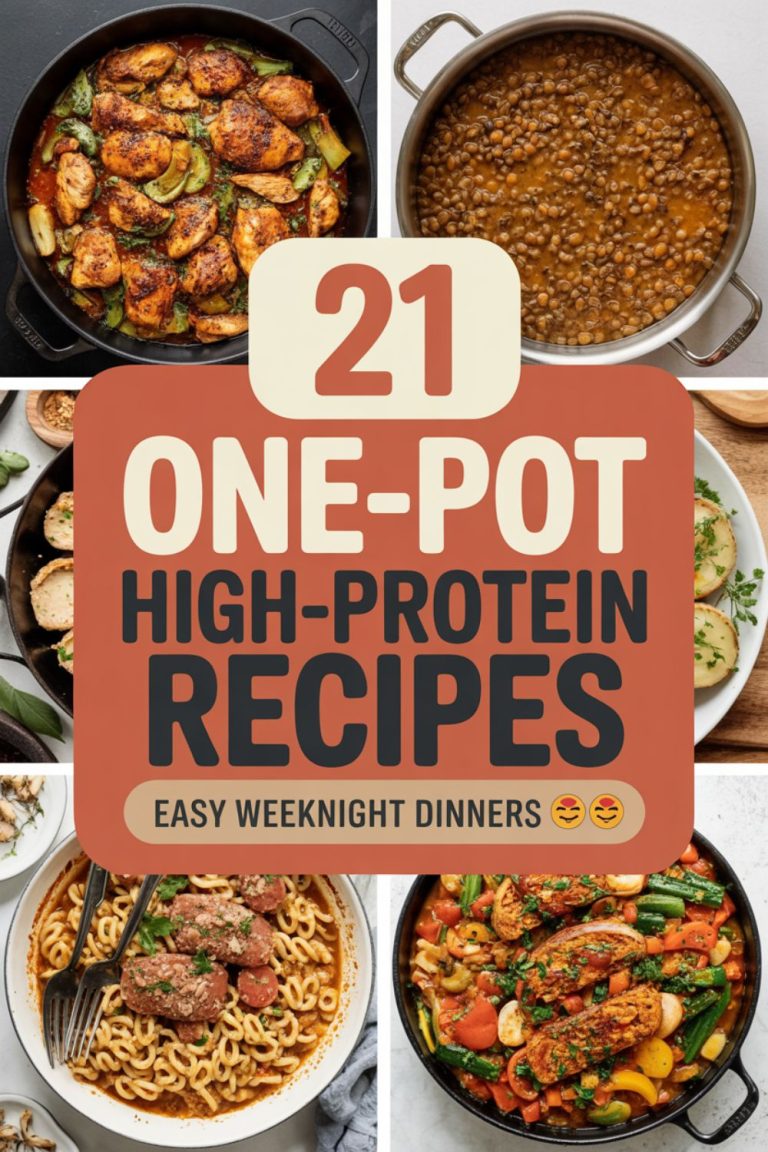
21 One-Pot High-Protein Recipes for Easy Weeknight Dinners
21 One-Pot High-Protein Recipes for Easy Weeknight Dinners 21 One-Pot High-Protein Recipes for Easy Weeknight Dinners Let’s be honest—by Wednesday evening, the last thing you want to do is spend an hour cooking and another 30 minutes washing a mountain of dishes. I get it. We’ve all been there, staring into the fridge like it’s…
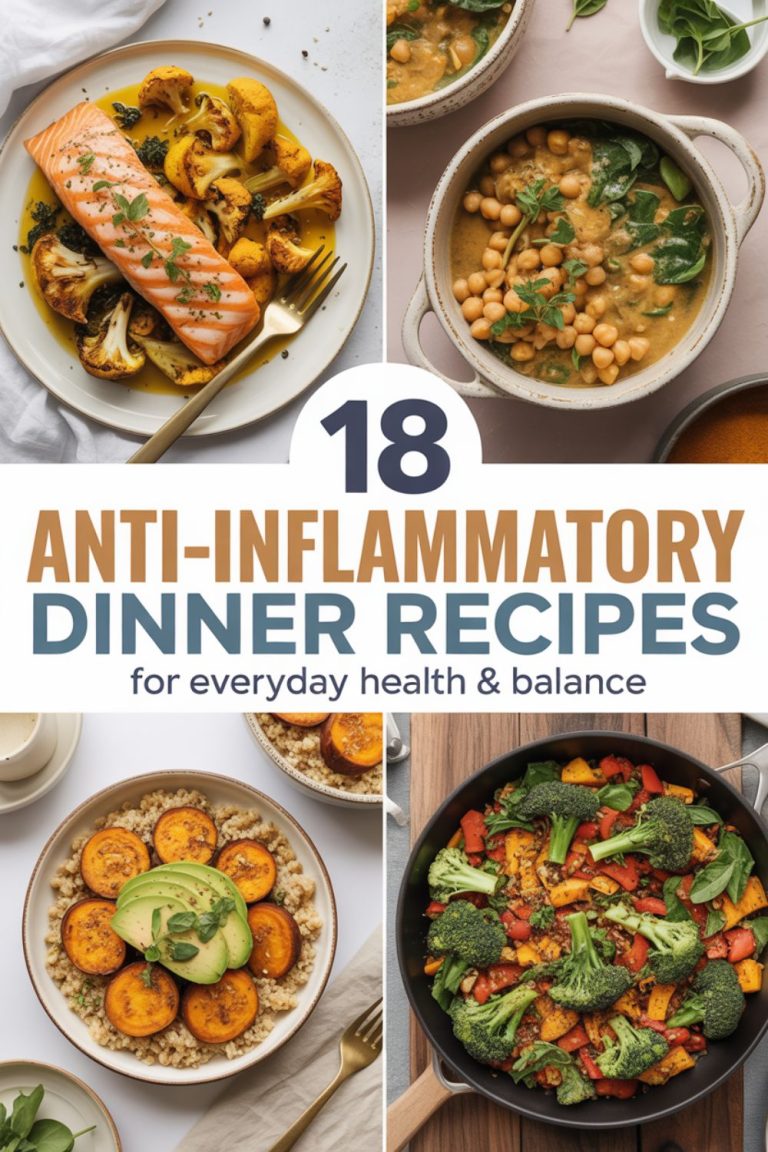
18 Anti-Inflammatory Dinner Recipes for Everyday Health
18 Anti-Inflammatory Dinner Recipes for Everyday Health 18 Anti-Inflammatory Dinner Recipes for Everyday Health Look, I’m not gonna sugarcoat it—chronic inflammation is basically your body’s way of throwing a never-ending tantrum. And while we can’t always control everything that triggers it, we can absolutely control what’s on our dinner plate. I’ve spent way too many…
Baked Cod with Tomato-Olive Tapenade
Baked Cod with Tomato-Olive Tapenade Hooked on Cod? You’re Not Alone 🐟 Let’s be real for a sec: sometimes, dinner just needs to be easy and feel a little fancy, right? Like, “I totally didn’t just throw this together in 25 minutes while sipping wine and dancing to 90s pop” kind of fancy. That’s exactly…
Tex-Mex Chorizo Casserole
🌶️ Tex-Mex Chorizo Casserole: Spicy, Cheesy, Lazy-Weeknight Gold Ever just stare into your fridge at 6:43 PM, hoping dinner will magically appear? Yeah, same. That’s exactly why this Tex-Mex Chorizo Casserole is a permanent MVP in my weeknight meal rotation. It’s bold, it’s cheesy, and it’s the kind of lazy-genius comfort food that doesn’t require…
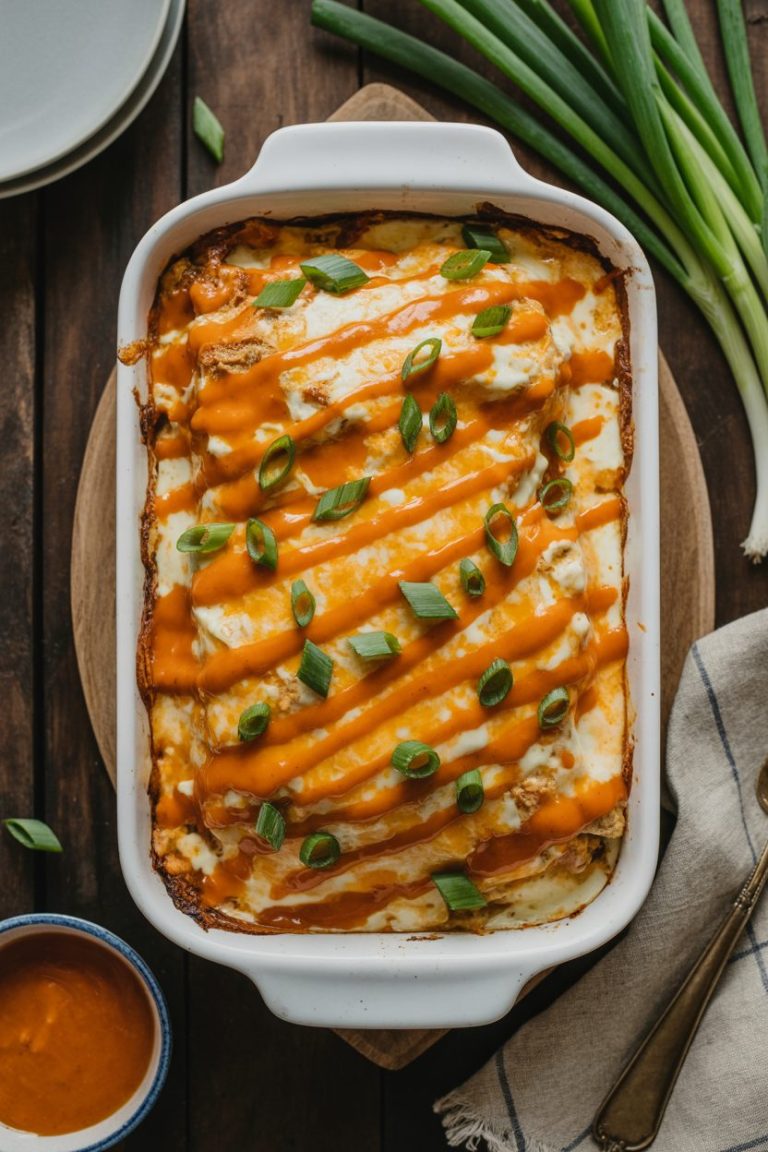
Buffalo Chicken Egg Bake
Buffalo Chicken Egg Bake: The Brunch Hero You Didn’t Know You Needed If breakfast and game-day wings had a baby, it would be this Buffalo Chicken Egg Bake. Seriously, if you’re tired of plain scrambled eggs and boring omelets, this dish is about to blow your mind—and your taste buds. It’s cheesy, spicy, creamy, and…
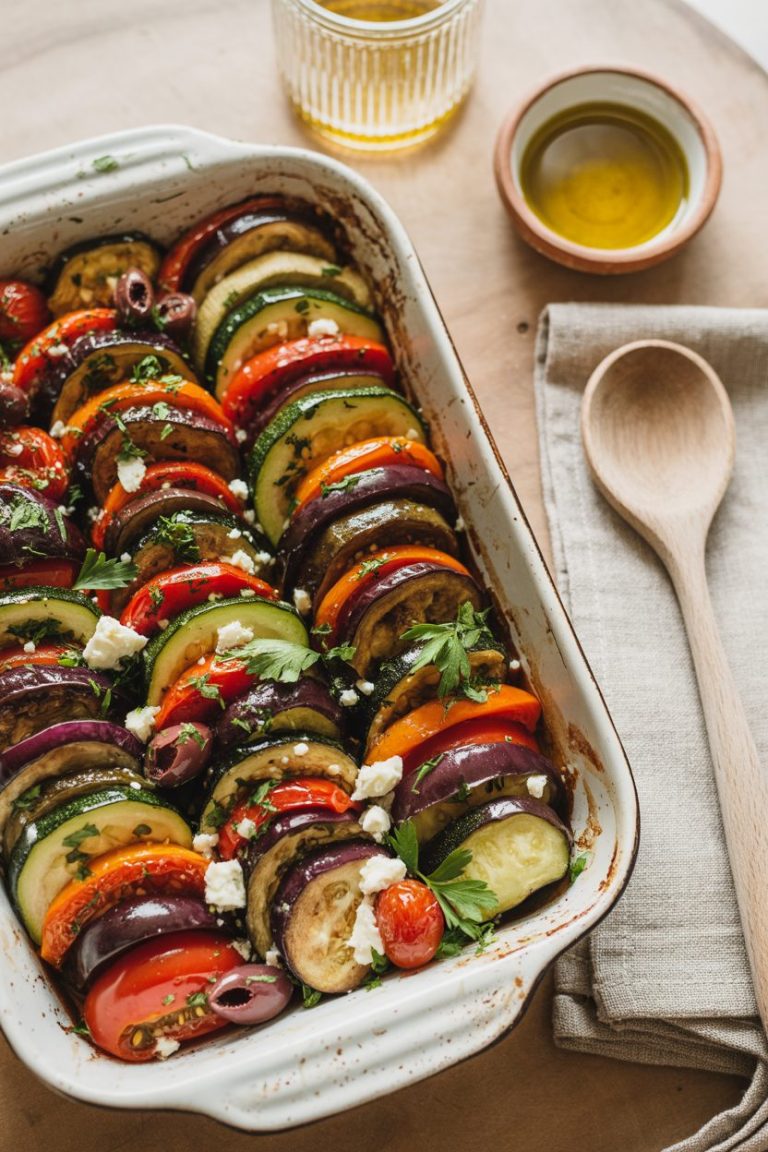
Mediterranean Veggie Casserole
🥘 Mediterranean Veggie Casserole: The Cozy, Cheesy, Olive-Oil-Soaked Hug You Didn’t Know You Needed Ever find yourself staring into your fridge, wondering how to turn half a zucchini, three wrinkly cherry tomatoes, and an onion into something remotely edible? Yeah, same. But here’s the plot twist: you can absolutely whip up a Mediterranean veggie casserole…