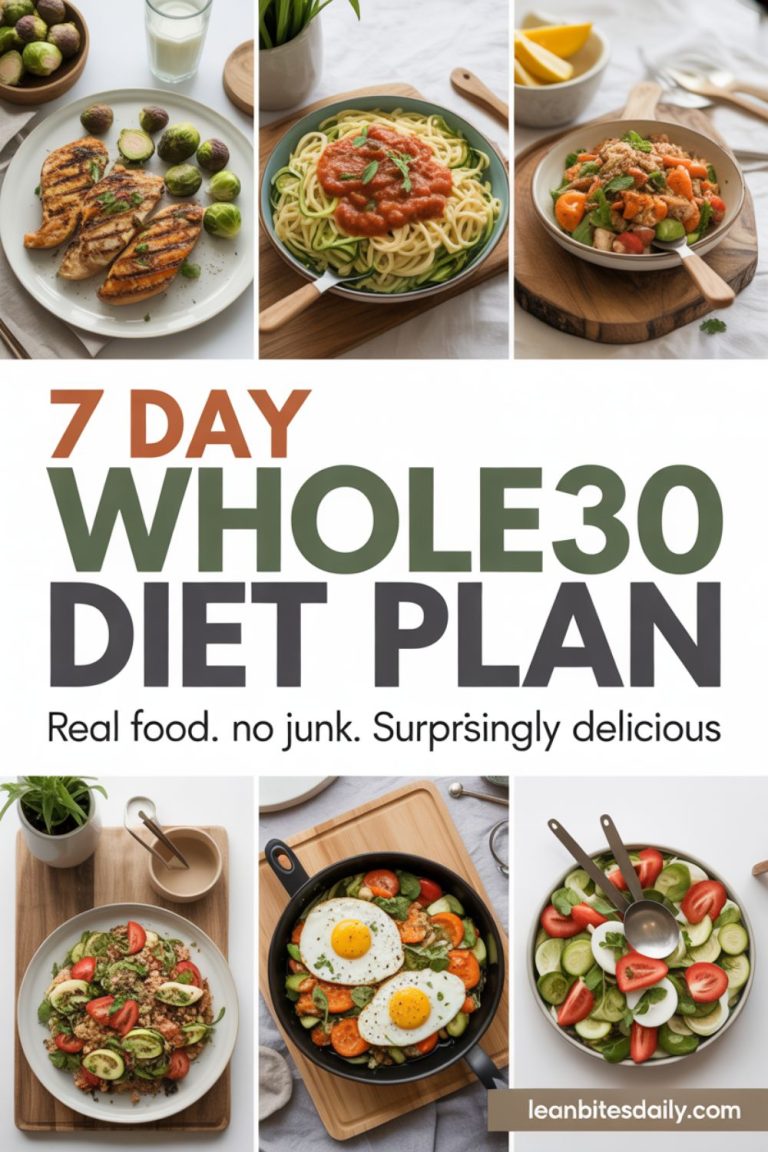
14-Day Whole30 Mediterranean Plan (Download PDF)
Why Whole30 and Mediterranean Make the Ultimate Power Couple
If you’ve ever tried Whole30 and thought, “This is great, but where’s the olive oil, feta, and hummus?” — you’re not alone. Whole30 cleans up your diet by removing processed foods, sugars, grains, and dairy for 30 days. The Mediterranean diet, on the other hand, focuses on heart-healthy fats, lean proteins, and colorful produce. Combine the two and you’ve basically created the cleanest, most flavor-packed eating plan your taste buds have ever seen.
Now, before you imagine two weeks of grilled chicken and sadness, relax. This 14-Day Whole30 Mediterranean Plan is the opposite of boring. Think: herby salmon, roasted veggies, zesty dressings, and meals so satisfying you’ll forget they’re technically “clean.”
Oh, and yes — there’s a free downloadable PDF meal plan (with grocery list) waiting for you at the end. Because who actually enjoys flipping through ten tabs mid-cooking? Exactly.
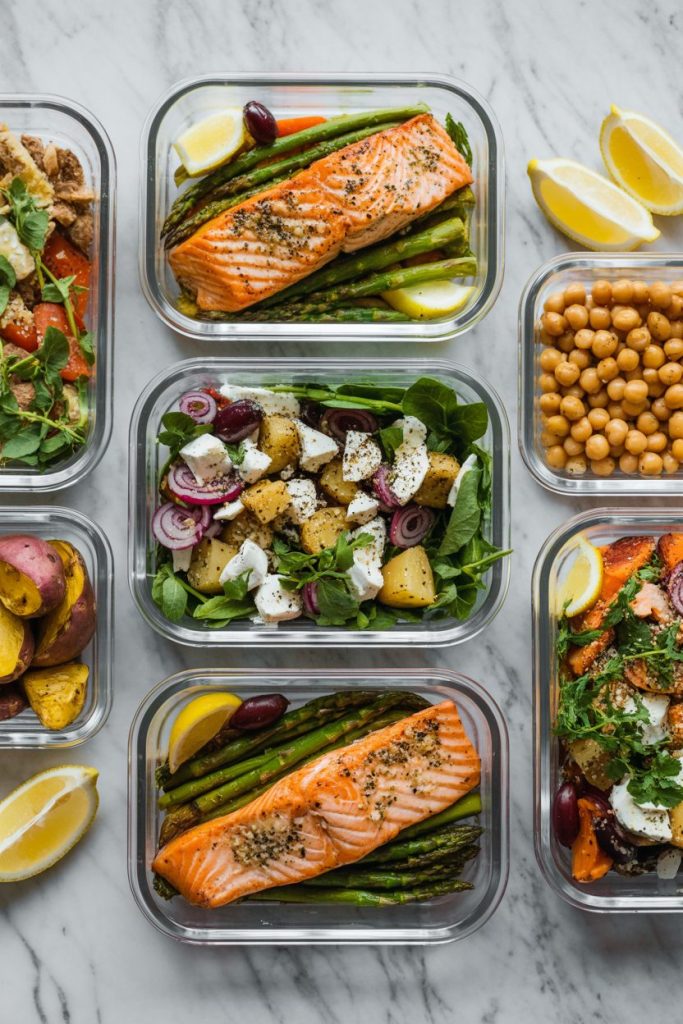
The Whole30 Mediterranean Approach: Eat Real, Feel Real
Let’s be clear: this isn’t about starving yourself on carrot sticks and air-fried kale. The Whole30 Mediterranean combo focuses on real food — the kind that fuels your body and makes you actually excited for lunch.
Here’s what stays on your plate:
- Healthy fats like olive oil, avocado, nuts, and tahini
- Lean proteins — chicken, seafood, eggs, and grass-fed beef
- Tons of veggies (seriously, your fridge will look like a farmer’s market)
- Fresh herbs and spices that make every bite pop
And here’s what you’ll politely tell to “take a vacation”:
- Added sugar
- Grains and legumes (sorry, rice and lentils — see you in two weeks)
- Dairy (yep, even the feta — for now)
- Alcohol and processed snacks
Think of it as a reset that actually tastes good.
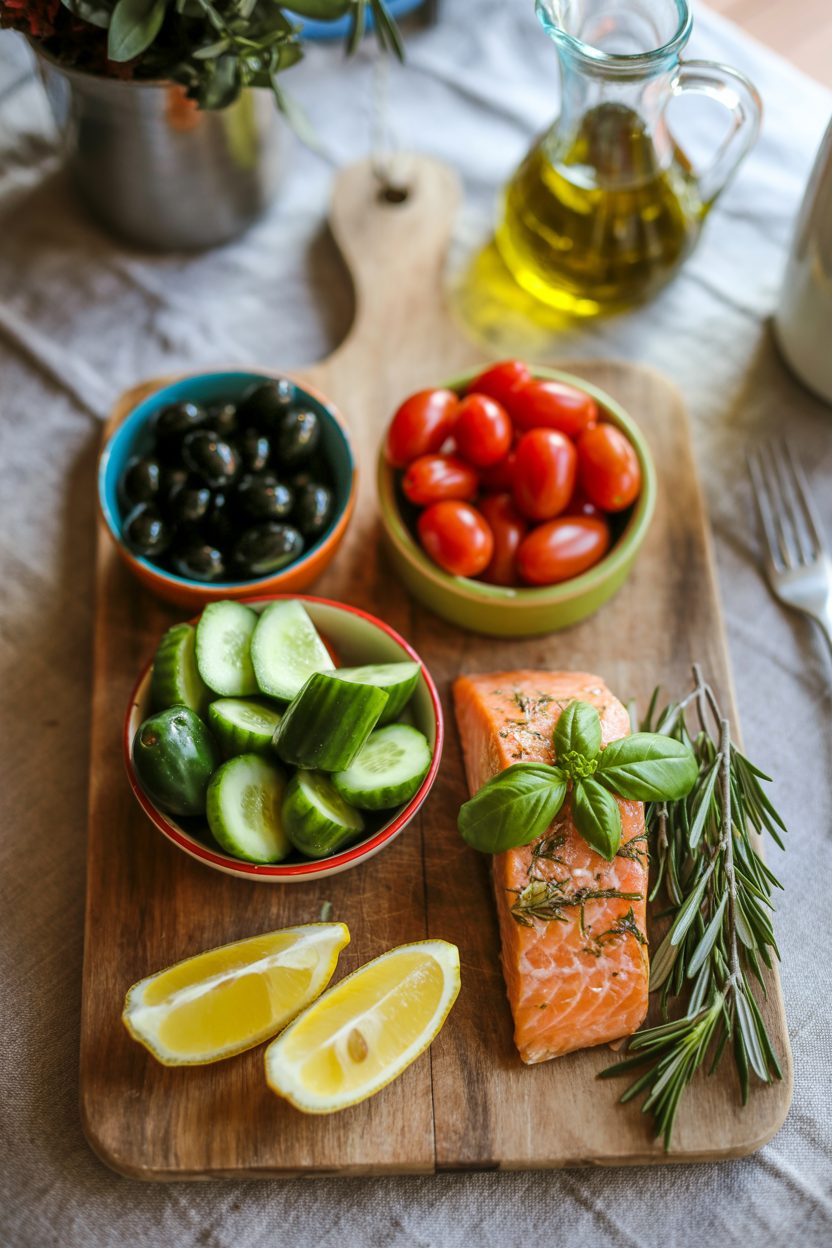
For example, your morning might start with a savory Mediterranean scramble — fluffy eggs, spinach, and a drizzle of olive oil. Midday? Maybe grilled lemon chicken with roasted potatoes. Dinner could be baked salmon with dill and garlic, like this one from LeanBitesDaily.
Each meal checks both boxes: Whole30 compliant and delicious enough to keep you on track without feeling deprived.
Week 1: The Reset Phase (Days 1–7)
Alright, week one — where the magic (and mild caffeine withdrawals) happen. The goal here isn’t perfection; it’s getting comfortable with clean eating while balancing flavor and convenience.
What to Focus On
- Keep meals simple but colorful
- Prep proteins ahead of time
- Load up on roasted veggies and fresh salads
- Drink lots of water (and maybe herbal tea to distract from missing coffee creamer)
Sample Day from Week 1
Breakfast:
Savory Mediterranean Scramble — eggs, spinach, cherry tomatoes, and herbs sautéed in olive oil.
(Try this version if you need inspo.)
Lunch:
Grilled Lemon-Herb Chicken with Quinoa and Veggies — the classic combo that never disappoints.
(Or go for this lemon-herb chicken with roasted potatoes.)
Dinner:
Baked Salmon with Garlic and Dill — rich in omega-3s and Whole30-approved.
(Grab the full recipe here.)
Snack (Optional):
Almonds or cucumber slices with homemade olive tapenade.
Pro Tip:
Use a nonstick silicone baking mat like this one for roasting veggies — zero scrubbing, zero sticking, and your sheet pan will thank you later.
Week 2: The Balance Phase (Days 8–14)
By week two, you’ll start to feel a noticeable difference. Your energy levels will stabilize, your digestion improves, and those mid-afternoon sugar cravings? Gone.
This is where you can get a bit more creative — layering flavors, trying new spices, and playing around with textures.
What to Focus On
- Mix up your proteins (fish, eggs, chicken, shrimp)
- Incorporate variety with roasted, grilled, or sautéed veggies
- Experiment with Mediterranean staples like tahini or za’atar
Sample Day from Week 2
Breakfast:
Greek-Inspired Veggie Omelet — eggs, spinach, zucchini, and olives cooked in olive oil.
(Or sub in a Mediterranean smoothie bowl if you’re in a rush.)
Lunch:
Shrimp Sautéed in Garlic & Olive Oil with Cauliflower Rice — light, satisfying, and fast.
(Check this shrimp sautéed in garlic olive oil with couscous, and just swap couscous for cauliflower rice.)
Dinner:
Chicken Zucchini Skillet with Herbs — one-pan perfection that’s Whole30 gold.
(Get it here.)
Snack (Optional):
Mini cucumber slices topped with mashed avocado and sea salt.
Pro Tip:
I swear by this compact cast-iron skillet like this one for quick one-pan dinners. It heats evenly, lasts forever, and gives that perfect golden sear you can’t get from nonstick pans.
How to Make the Plan Work for You
Whole30 can feel strict, but the Mediterranean twist keeps it flexible — and that’s the secret sauce (literally and metaphorically).
Here’s how to make it fit your lifestyle without losing your mind:
1. Meal Prep, but Don’t Overdo It
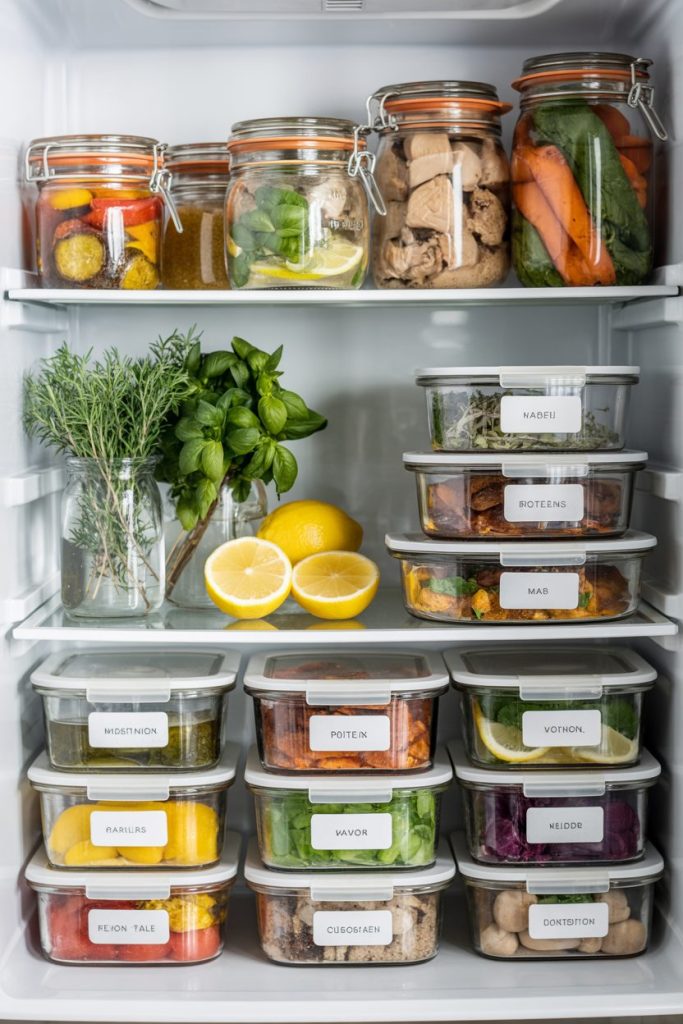
You don’t need to spend your entire Sunday chopping carrots. Prep proteins and a few veggie bases, then mix and match during the week.
Try building Mediterranean bowls using ingredients like roasted peppers, baked salmon, or grilled chicken.
For example, this Mediterranean grain bowl can be adapted with cauliflower rice instead of grains.
2. Season Like You Mean It
Salt, herbs, and acid (lemon juice, vinegar) are your best friends. Whole30 cuts out processed sauces, so bring flavor through natural seasoning.
FYI — za’atar, paprika, and fresh basil instantly make anything taste “chef-level.”
3. Listen to Your Body
You’ll notice how real food changes your energy. Less bloating, more mental clarity, and fewer “what did I just eat?” regrets.
And yes, that’s backed by research — the Mediterranean diet is linked to lower inflammation and improved heart health, according to Mayo Clinic.
4. Get Creative with Swaps
- Ditch grains for cauliflower rice or spiralized zucchini
- Swap cheese with a drizzle of tahini or roasted nuts for creaminess
- Use mashed avocado in place of mayo or dressing
These tiny tweaks keep meals satisfying while sticking to Whole30 rules.
Common Mistakes to Avoid
Even the most motivated meal preppers slip up sometimes. Here’s what to watch out for:
- Overcomplicating recipes. You don’t need 15 ingredients for one dish. Simple = sustainable.
- Skipping healthy fats. Fat keeps you full — drizzle that olive oil generously.
- Not reading labels. Hidden sugars lurk in condiments and even canned veggies.
- Forgetting hydration. Sometimes that “snack craving” is just thirst pretending to be hunger.
- Neglecting recovery meals. Don’t let yourself get hangry. Plan balanced snacks — like a few almonds or cucumber hummus sandwich bites.
The Benefits You’ll Actually Notice
Sure, you’ll probably drop a few pounds (bonus), but that’s not even the best part.
Here’s what usually happens after 14 days:
- More energy throughout the day (no 3 PM crash)
- Clearer skin thanks to ditching dairy and sugar
- Better digestion — your gut finally gets a break
- Improved sleep and fewer “can’t shut my brain off” nights
- A stronger relationship with food (you’ll actually crave veggies, promise)
According to Healthline, the Whole30 reset helps identify food sensitivities while restoring metabolic balance. Pair that with Mediterranean-style fats and you’re basically biohacking your way to feeling awesome.

How to Transition After the 14 Days
When your 14 days are up, don’t sprint to the nearest pizza joint (tempting, I know). The goal is to transition mindfully — reintroducing foods while keeping your new habits intact.
Here’s how:
- Bring back one food group at a time. Maybe start with legumes, then grains.
- Watch how your body reacts. If something triggers fatigue or bloating, you’ve got your answer.
- Stick with your Mediterranean base. Olive oil, lean protein, and veggies should remain your staples.
- Keep the balance. You don’t have to go full Whole30 forever — just stay mindful.
It’s not about restriction anymore; it’s about awareness. You’ve already built the foundation for cleaner, more intentional eating.
Grab Your Free 14-Day Whole30 Mediterranean Plan PDF
Alright, you’ve got the framework, the strategy, and the recipes — now it’s time to make it official.
Download your 14-Day Whole30 Mediterranean Plan PDF, complete with:
- Full meal schedule for two weeks
- Grocery shopping list
- Easy prep guide
- Built-in flexibility for your schedule
No more “what’s for dinner?” panic at 6 PM. Just a clean, delicious, and totally doable plan that sets you up for success.
Final Thoughts: Real Food, Real Change
The Whole30 Mediterranean Plan isn’t about counting calories or punishing yourself. It’s about resetting your habits and reconnecting with food in a way that feels sustainable and joyful.
Two weeks from now, you’ll notice the difference — in your body, your energy, and maybe even your mood.
And if you end up becoming that person who starts raving about olive oil brands, well… welcome to the club.
Oh, and one last thing — if you haven’t already, invest in a set of airtight glass storage containers like these. Trust me, they’ll keep your roasted veggies fresh, your fridge organized, and your sanity intact.
So go ahead — download your plan, fire up the oven, and start your 14-day reset. Your body (and your taste buds) will thank you.